



Statistical test helps judge the value of personalization
Research
Stanford researchers have developed an effective statistical measure of the real-world benefits of tailoring interventions like job training, coursework, and medical treatments to individuals.

Meet Biomni – an AI-powered biomedical co-scientist
Research
In creating a comprehensive, AI-enabled research agent for the biomedical sciences, Stanford researchers hope to speed innovation by eliminating the tedium of scientific legwork.
‘Sharing this very new, very powerful technology is a mission for me’
Profile
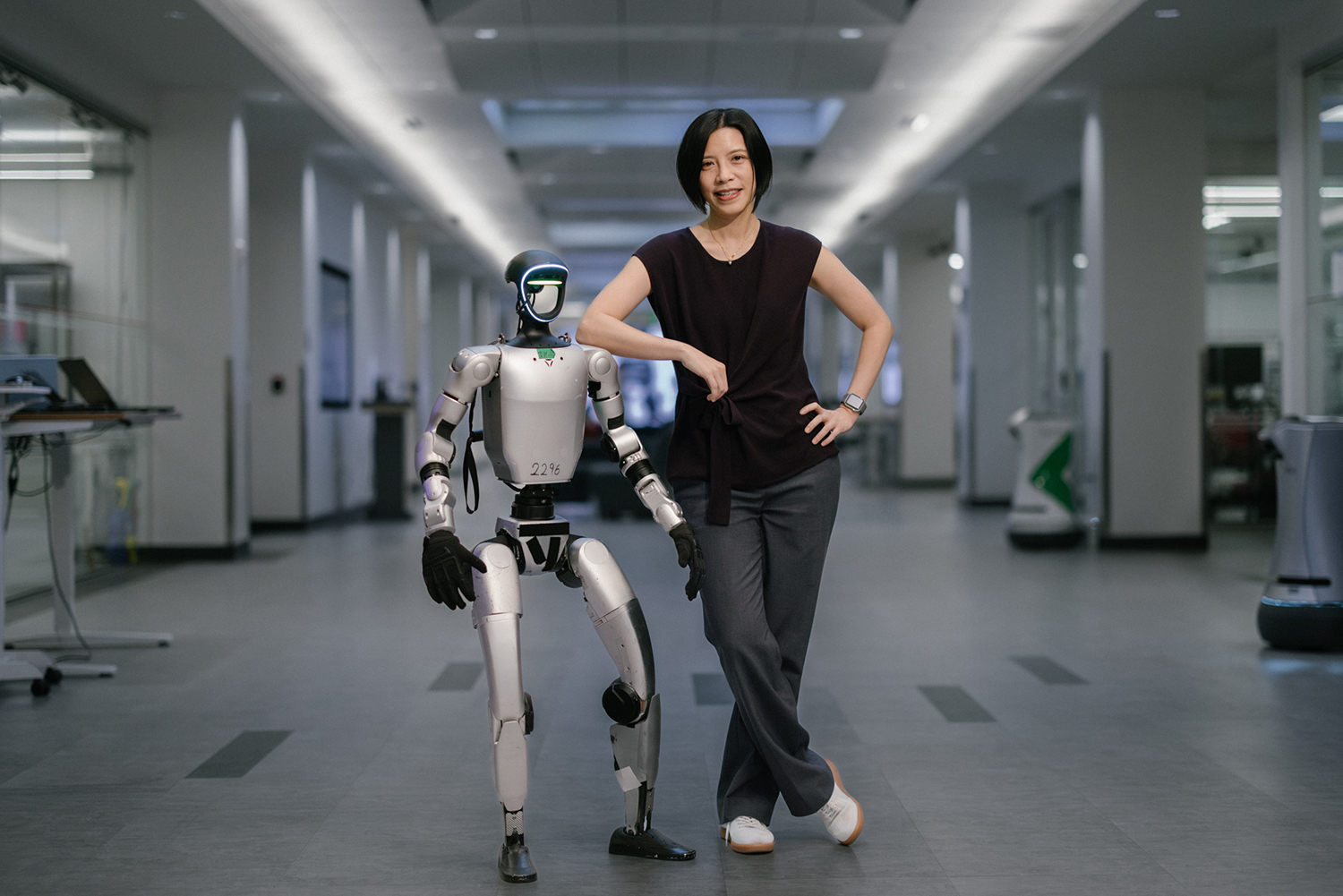
Computer scientist Karen Liu is advancing embodied intelligence, a form of AI that lets robots and animated characters gather information and take actions to change the state of their world.
New tool opens up access to university’s vast collections
News
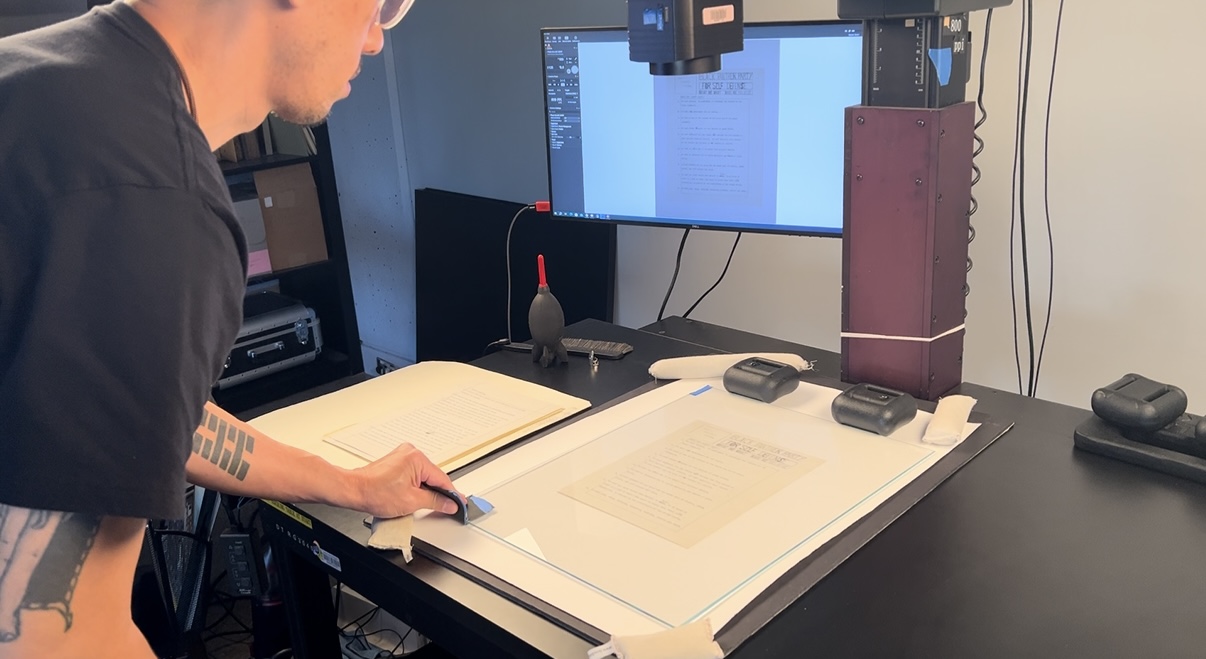
ArcLight, developed by Stanford University Libraries, is an open-source software tool that simplifies online research and viewing of archival materials.

Even small amounts of online math practice can improve skills
Q&A
An analysis of data from 200,000 students supports an optimistic view of skill-focused, mastery-based learning, even with limited use.

New agentic AI platform accelerates advanced optics design
Research
Stanford engineers debuted a new framework introducing computational tools and self-reflective AI assistants, potentially advancing fields like optical computing and astronomy.

Social media research tool lowers the political temperature
Research
A new method created by Stanford researchers reduces polarization by downranking antidemocratic and highly partisan posts on X.

How Stanford researchers design reliable, human-focused AI systems
News
Computer scientists Ludwig Schmidt and Diyi Yang study the foundations of AI, ensuring these tools are designed with people in mind.

Common crystal proves ideal for low-temperature light technology
Research
Strontium titanate’s impressive performance at extremely low temperatures positions it as a key material for advanced cryogenic devices in quantum computing and space exploration.

New tool lets scientists observe genome dynamics in real time
Research
A technique to see DNA as it moves in living cells could offer novel fundamental insights into biology.