
Why some planets have theory-defying atmospheres
Science & EngineeringResearch
Scientists expected planets hugging their stars to be airless, yet some maintain thick atmospheres. New Stanford research explains the mechanism behind this atmospheric paradox.

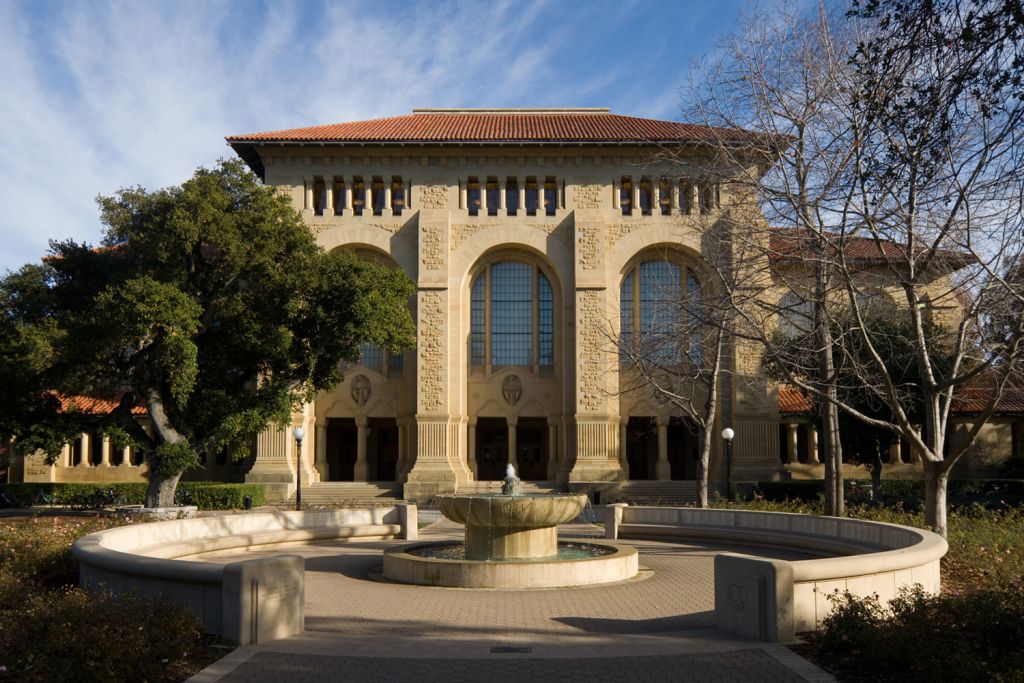
Digital stewardship at Stanford reaches 20-year milestone
Libraries & ArchivesFeature
The Stanford Digital Repository now preserves 5.5 million research materials, advancing open science and enabling discoveries that build on past work.

Getting to know Tavita Pritchard
AthleticsQ&A
Stanford’s new head football coach, a self-described ”geek for team dynamics,“ says leadership is earned by serving others first.

Short animation changes how people see addiction
Health & MedicineQ&A
In an international study, a wordless animated video improved attitudes toward people with addiction – offering a scalable way to reduce stigma across languages and cultures.
In the news

Show me a square mile of reef that has been [successfully] restored. There isn’t one.
Steve Palumbi, professor of oceans, on the limits of conventional reef restoration. His team is testing a low-cost way to identify corals that may tolerate warming waters.
Stanford team partners with youth on school air quality
A Stanford research team is helping youth-led nonprofit ConServe expand low-cost air-pollution monitoring at schools and in underserved communities.
Stanford AI summit weighs promise and risk
At the third annual AI Summit @ Stanford, researchers, industry leaders, and entrepreneurs explored how to advance AI while reducing its potential harms.
Research Matters.


What I Wish I Knew About Luck

Young King: The Making of Martin Luther King Jr.

Moral Economics
Stories in Motion
MoreStories in MotionMolecule in python blood could point to new weight-loss treatments
Health & MedicineVideo
A molecule that increases by a thousandfold in pythons after they eat holds promise for a weight-loss drug.
Recent Stories
View allRecent Stories