


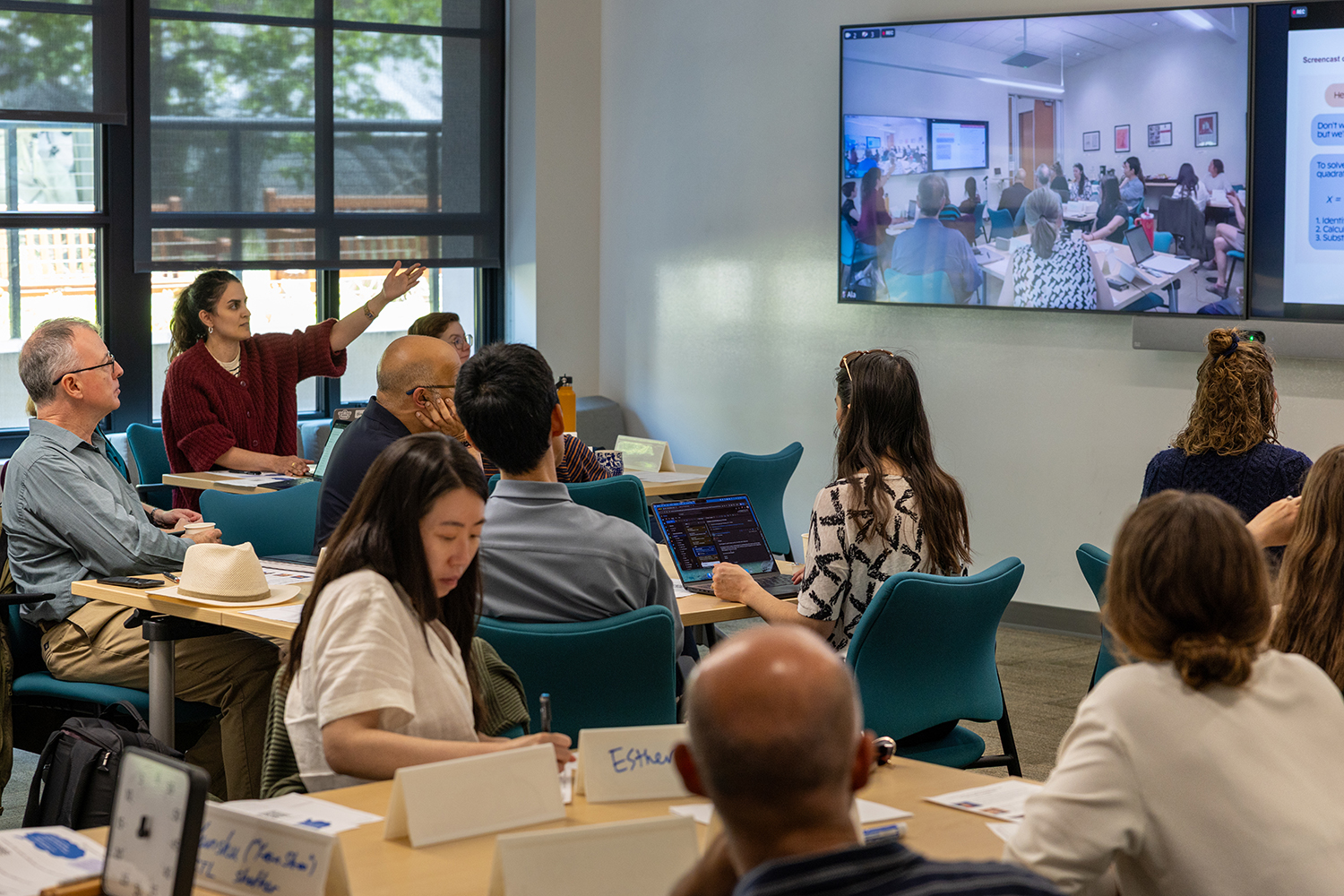
Stanford instructors tap AI for deeper learning
Feature
In community share-outs, instructors discussed AI tools designed to support problem-solving and help students learn more independently.

Tracking AI’s real-time footprint on the labor market
News
Stanford HAI’s Digital Economy Lab is tracking early shifts in the job market and broader economy, helping bring the economic effects of AI into focus.

AI twins find drugs that may prevent early labor
Research
A Stanford Medicine-led study used a virtual model of the immune system during pregnancy to identify a promising drug combination that could reduce the risk of preterm birth.
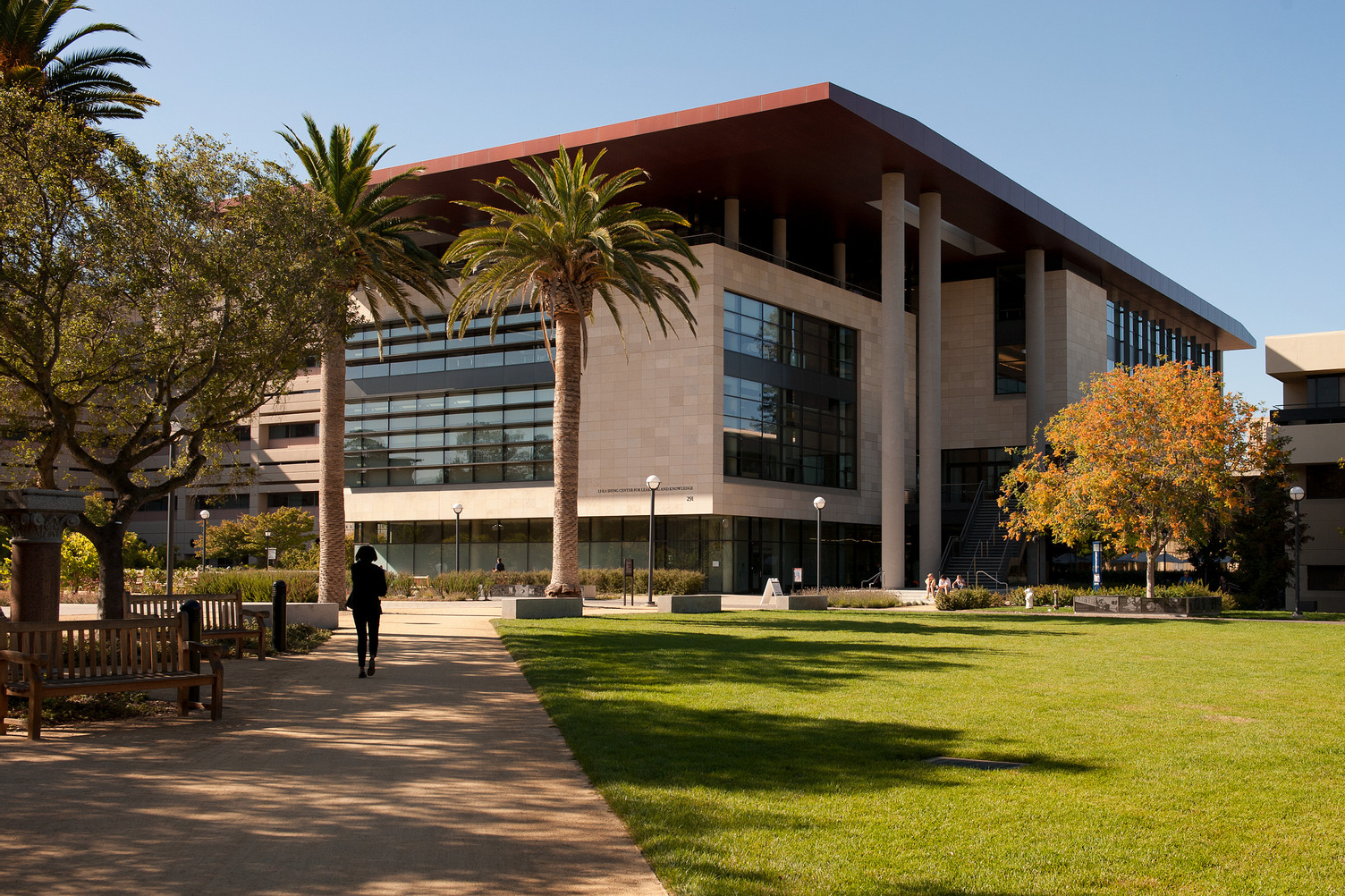
Two Stanford Medicine teams awarded ARPA-H funding for AI projects
News
The researchers have been awarded Advanced Research Projects Agency for Health contracts for their work in using artificial intelligence for better patient outcomes.
The tests that grade AI may be getting it wrong
Q&A
Benchmarks – the standardized tests that rank AI models on safety, bias, and reasoning – drive markets and shape regulation. New Stanford research finds they often don’t measure what they claim to.
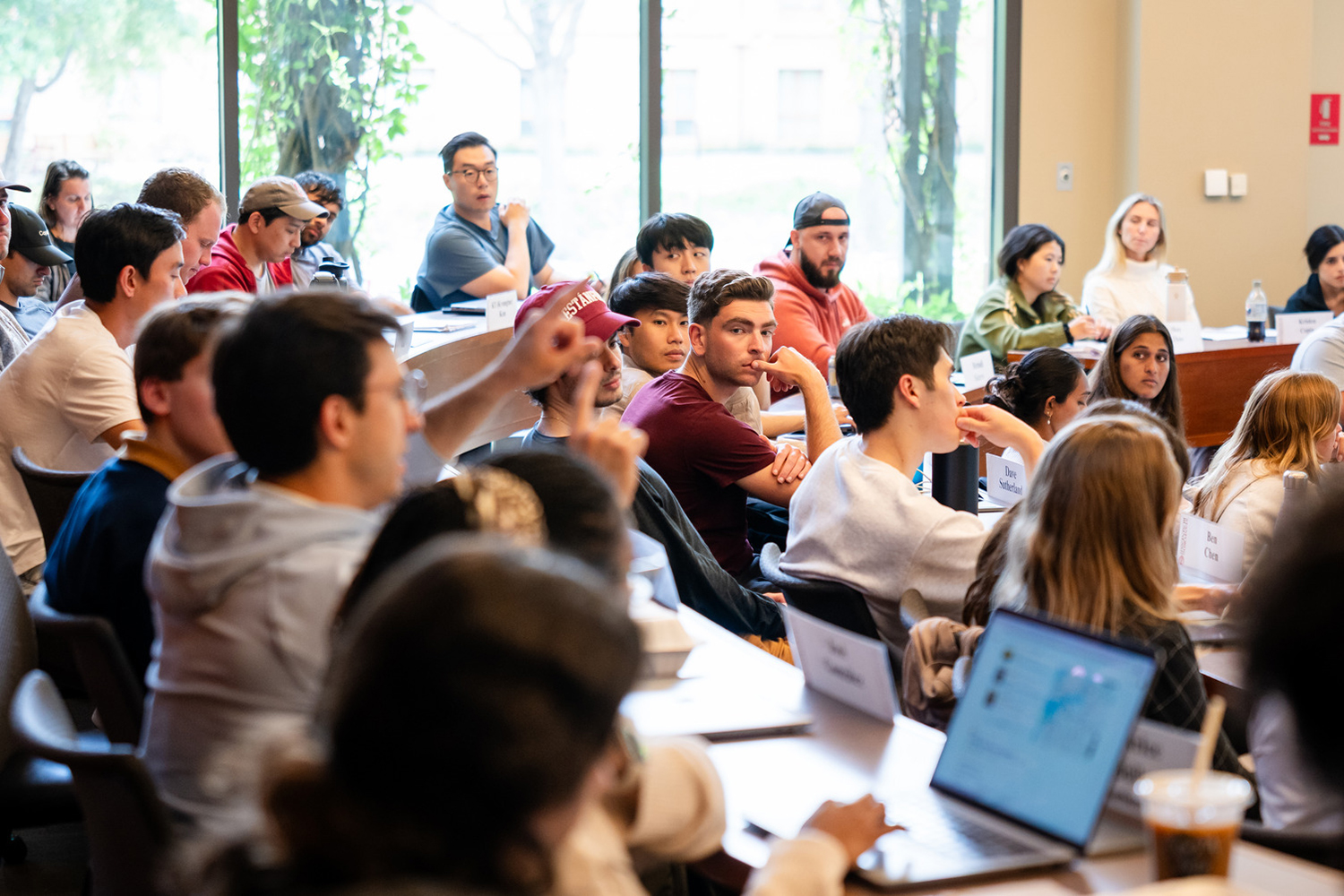
Course prepares leaders for uncertain future of AI
News
The AI-Powered Org helps students navigate the opportunities, risks, and skepticism surrounding artificial intelligence in the workplace.
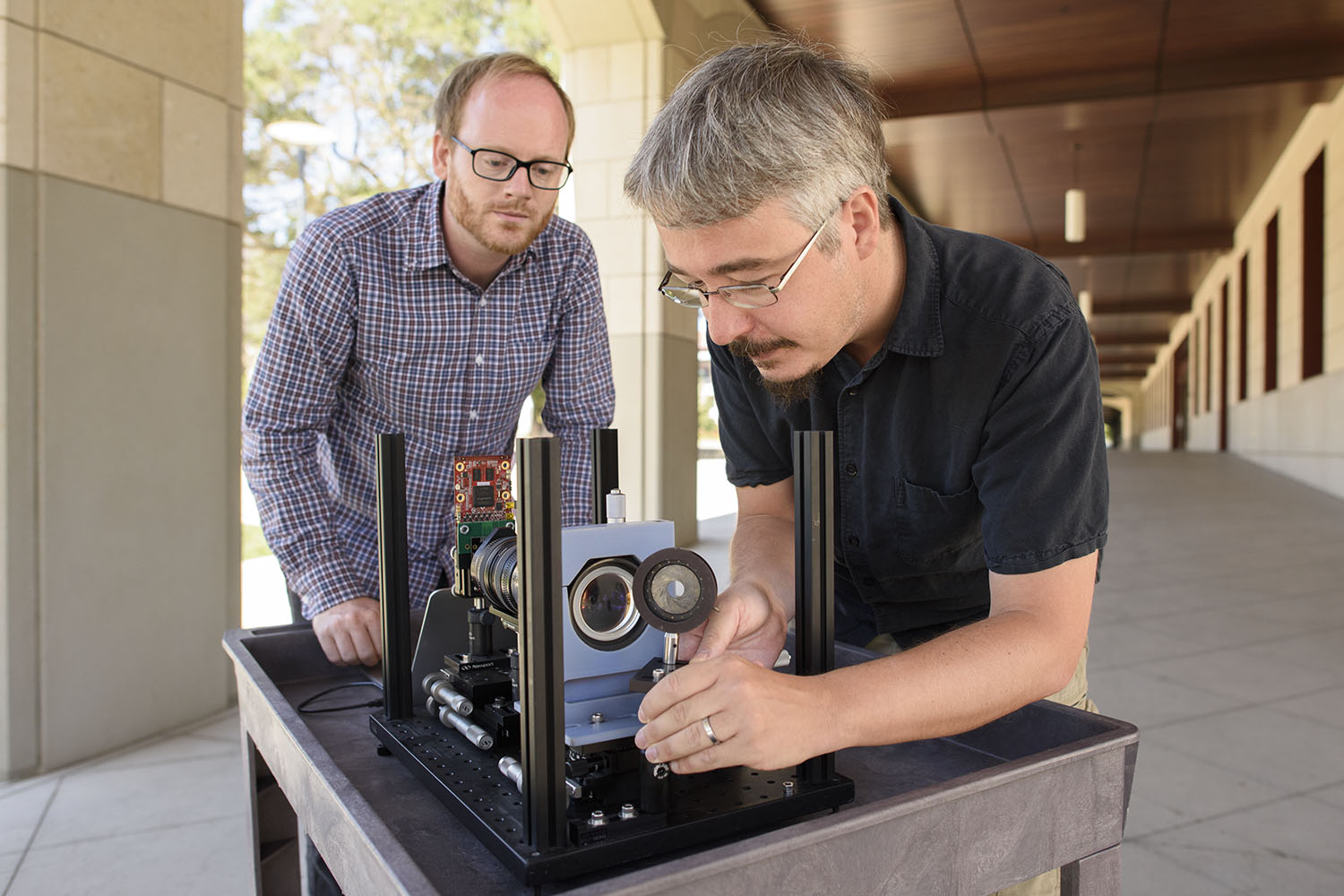
How self-driving cars became reality – and what comes next
Q&A
Driverless cars are no longer science fiction. A Stanford expert explains how we got here, while a look back traces the Stanford research that helped pave the way.
New center will use AI to tailor dementia care
News
A $25 million grant will allow Stanford University researchers to explore how AI can improve care for people with dementia.
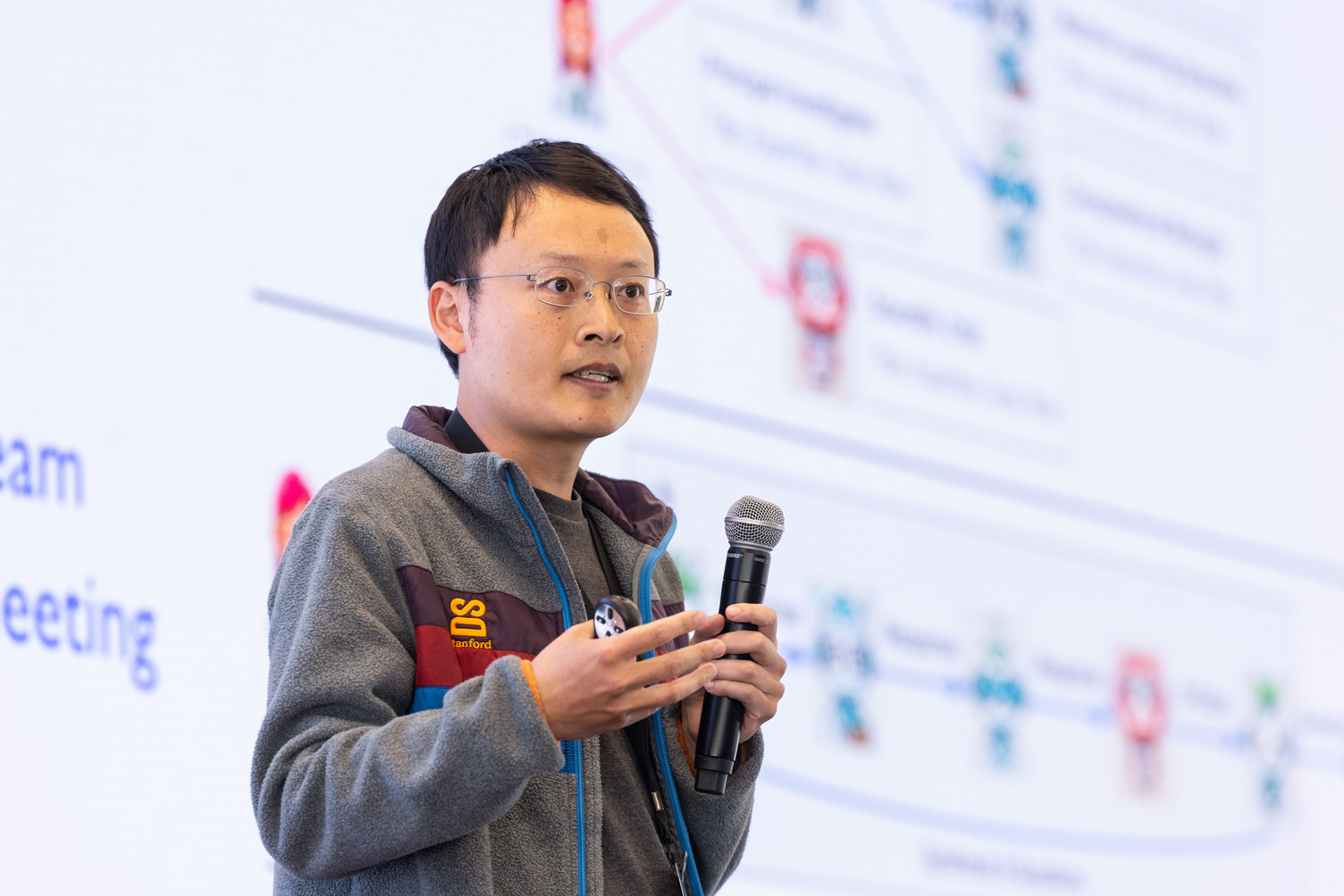
AI agents built from scientific papers surface new discoveries
Research
A new system turns research papers into interactive agents that can find connections human researchers might miss.
AI model opens new horizons for cell biology
Research
Trained on more than 100 million cells from a dozen species, a new model will make it easier to compare cells between species, with potential implications for disease research and cell therapy development.