



Powerful X-rays reveal enzymes in action
Research
Using SLAC’s Linac Coherent Light Source, researchers created “molecular movies” of an enzyme linked to cancer and another essential to penicillin production.

Engineering a simple amino acid for future sensors
Research
Stanford researchers developed a flexible glycine-based piezoelectric material with improved stability for potential use in medical and environmental sensors.
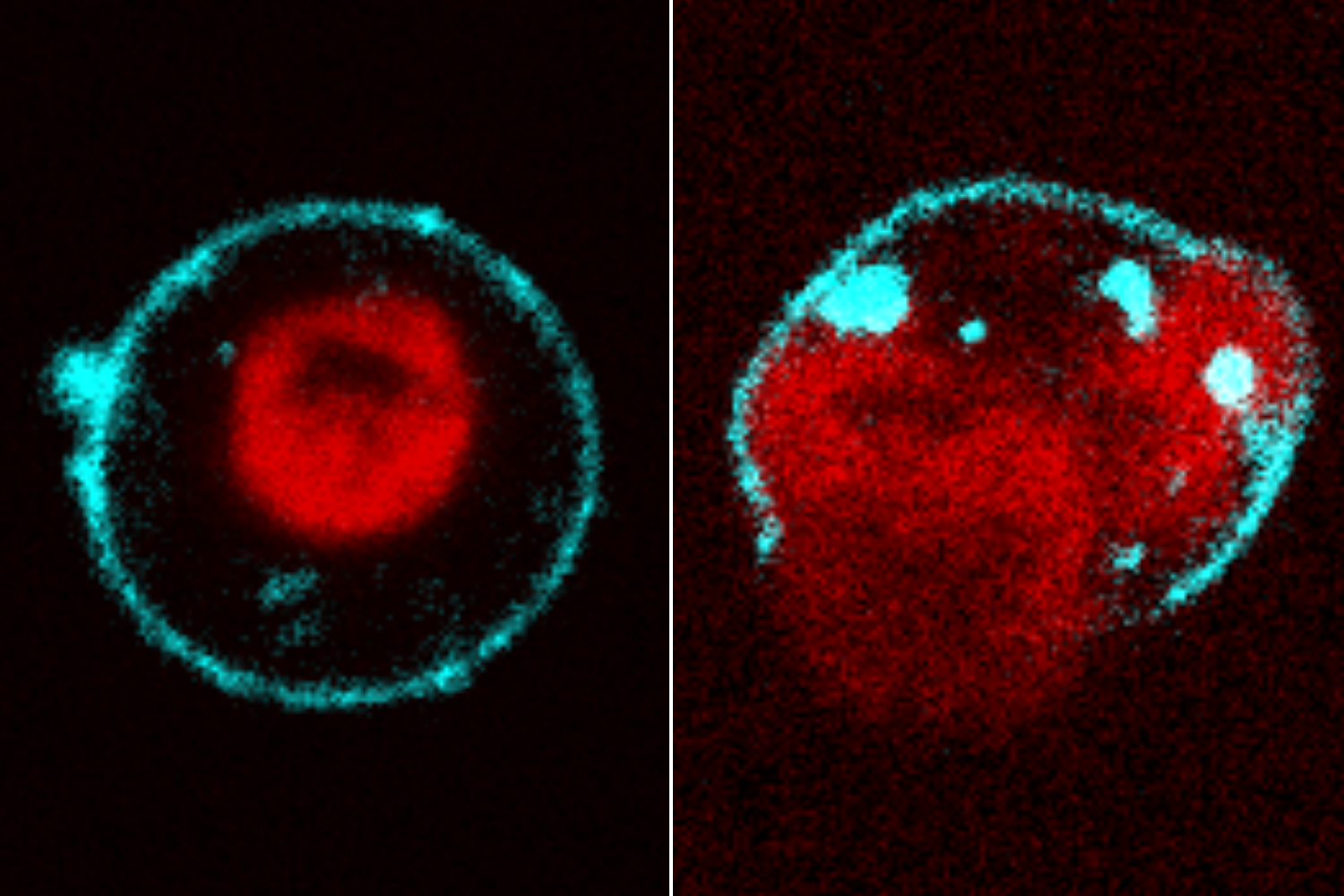
What makes an immune cell pop
Research
A Stanford study reveals how changes in DNA packaging can help immune cells burst, shedding light on a defense process implicated in autoimmune diseases.
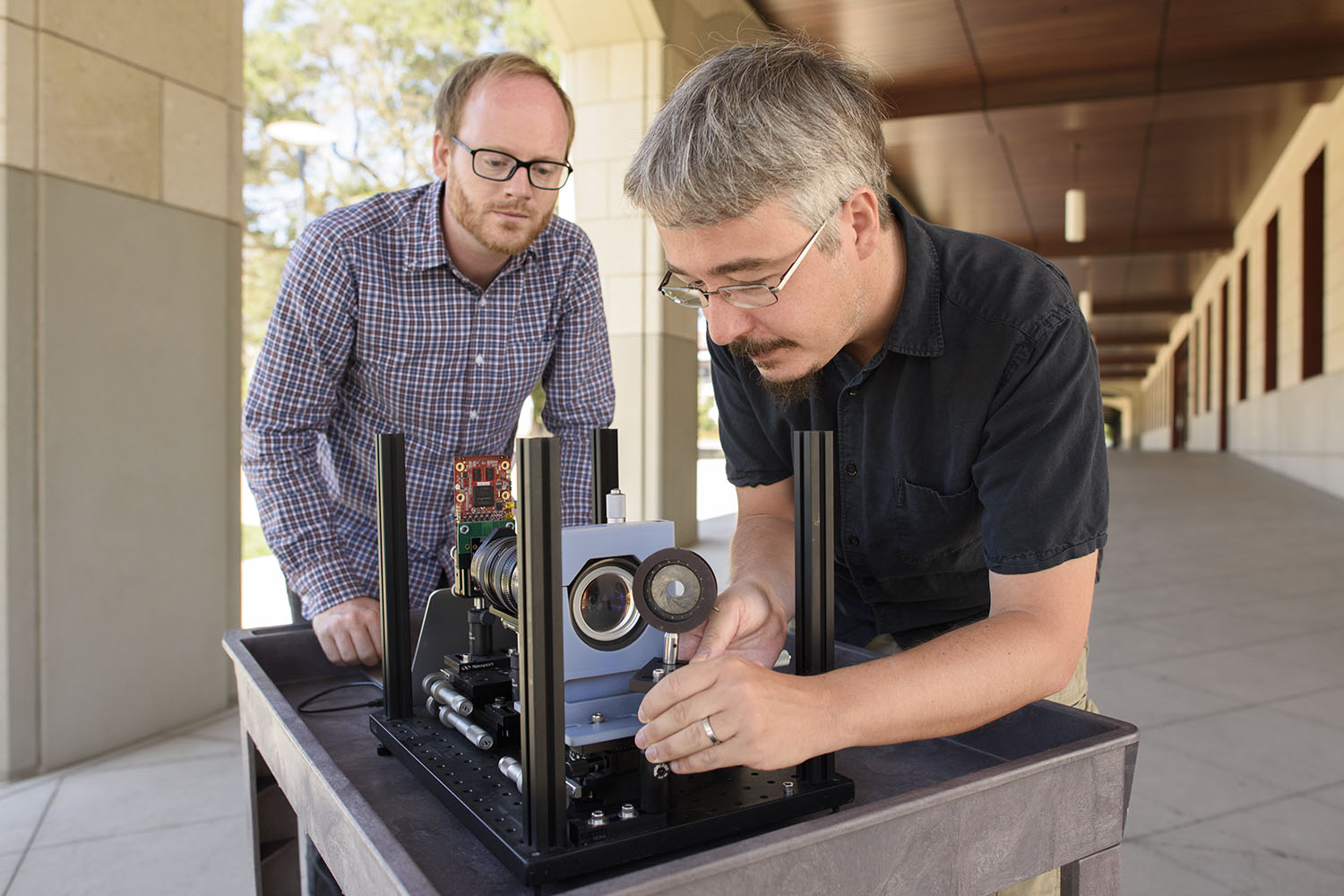
How self-driving cars became reality – and what comes next
Q&A
Driverless cars are no longer science fiction. A Stanford expert explains how we got here, while a look back traces the Stanford research that helped pave the way.
Bacteria-killing polymers could be a new class of antibiotics
Research
Researchers used AI to identify promising candidates for antibiotics less prone to resistance.
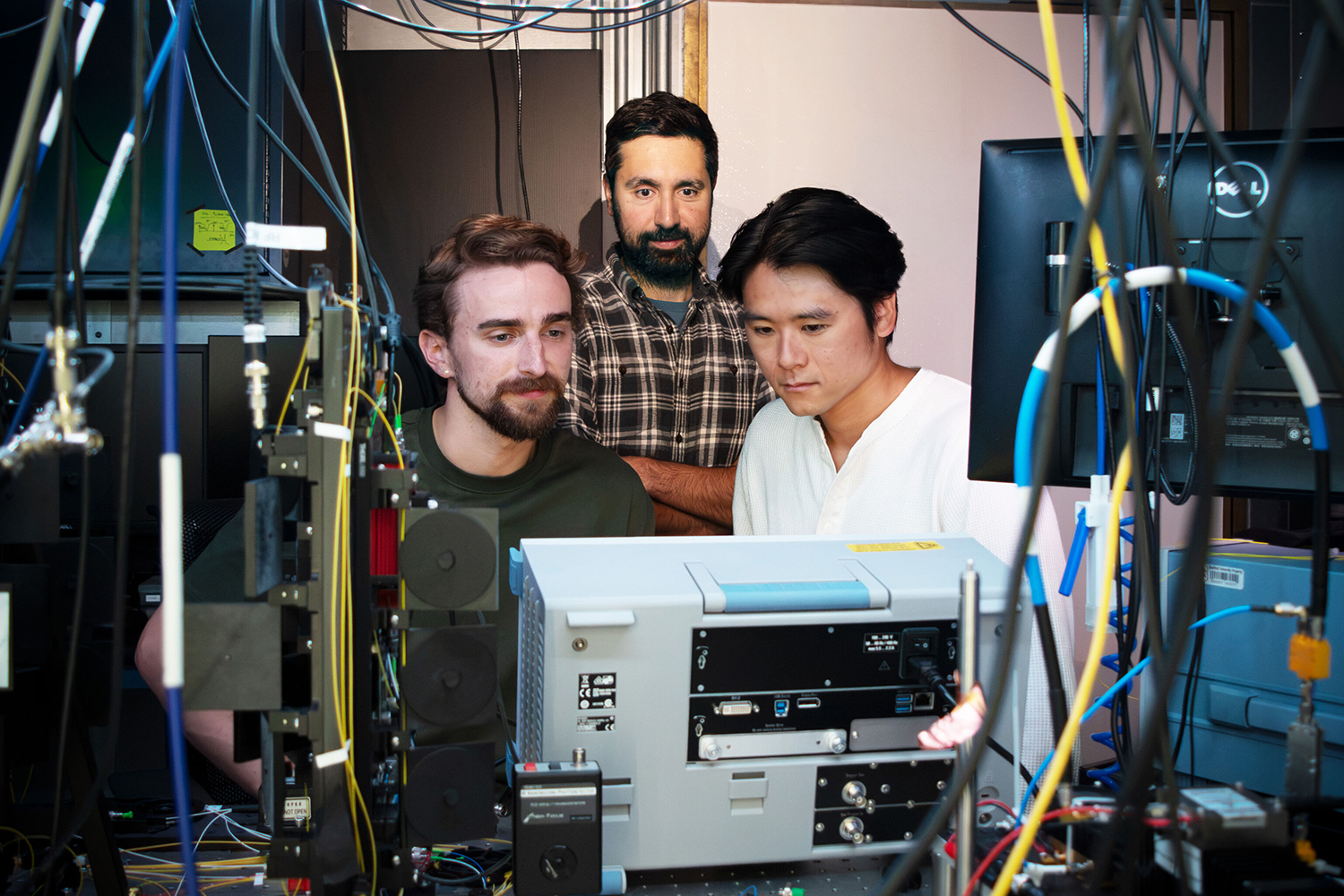
Researchers observe first real-time quantum jump in sound
Research
The discovery that tiny units of sound can suddenly change energy states has the potential to advance a range of technologies.
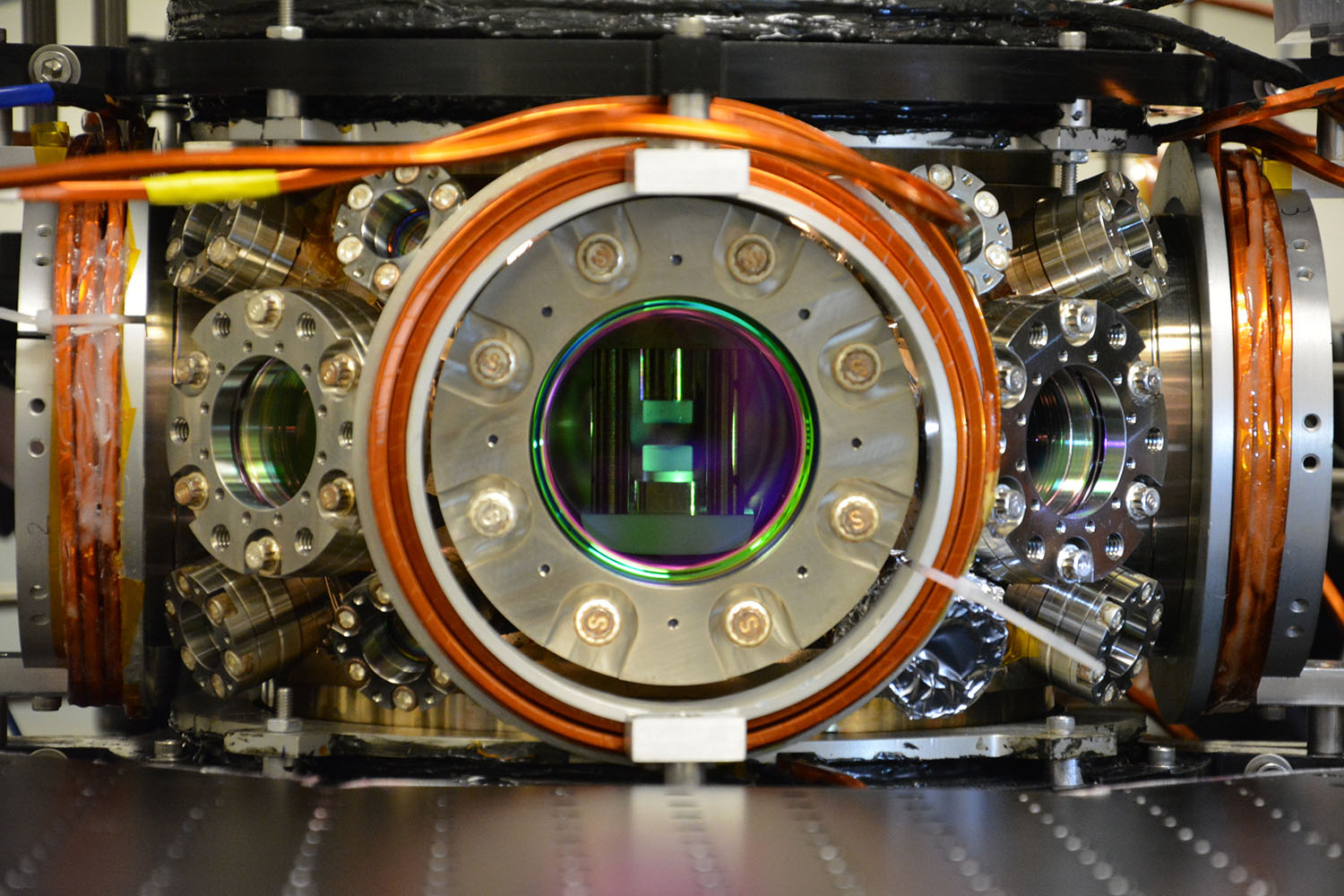
Physics advance could improve how AI remembers and learns
News
A Stanford-led team has created a new type of spin glass made of atoms and photons and used it to increase the memory capacity of simple artificial intelligence systems.

Study reshapes understanding of metamorphosis
Research
Many cells in an acorn worm reprogram into different cell types instead of dying or staying the same, the first evidence of this process in bilaterally symmetrical animals.
New scanner brings advanced whole-brain imaging to Stanford
Video
The scanner pinpoints when and where brain activity occurs, opening new avenues for research on speech, memory, and neurological disorders.
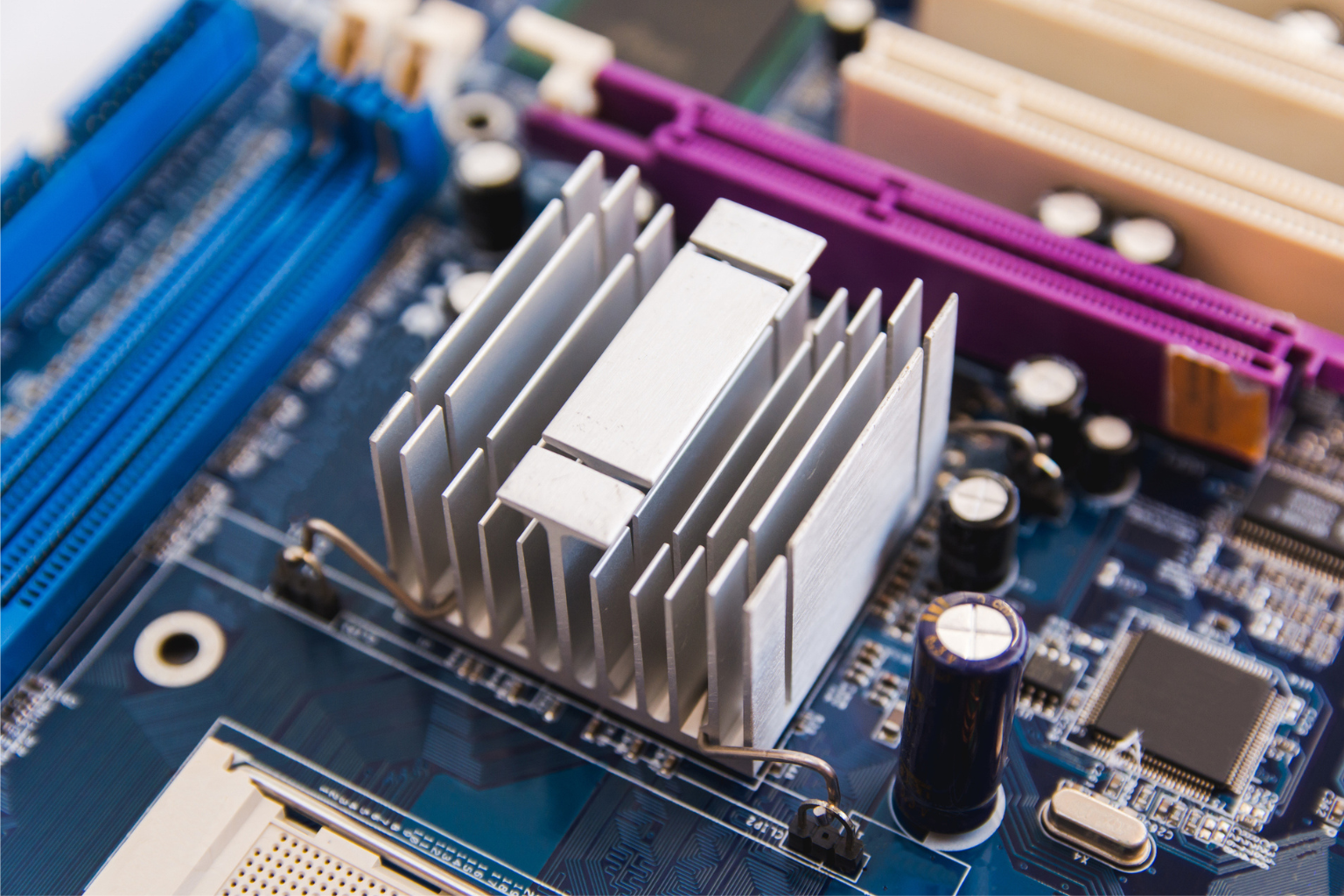
Researchers cut computing heat waste by 60 percent
Research
Using liquid crystals as a model, a SLAC-Stanford team developed a precise method to measure energy dissipation in electrical models. The technique could inform the design of more energy-efficient computers.