In brief
- A Stanford-led study found that swordtail fish living in a polluted Mexican river had impaired noses, disrupting their sense of smell – the primary way they identify mates of their own species.
- As a result, genetic analysis revealed that many of the fish offspring in the river were hybrids, a mix of two species.
- The findings suggest human-influenced environmental changes can threaten biodiversity through hybridization, not just extinction.
The by-products of modern society appear to be messing with the love life of two tiny fish species that have long coexisted in Mexican rivers.
A Stanford-led study found that the two swordtail fish species had mostly merged into one hybrid group when they lived downstream of a town in water polluted by chemicals and heavy metals. The researchers also found that the fish had damaged noses, and for these fish, their sense of smell is believed to be the primary way they identify suitable mates.
The findings, published in Current Biology, add to growing evidence that human impacts on the environment are threatening species diversity through not only extinction, but also hybridization, when distinct species mate with each other. This can ultimately lead to species loss by the two merging into one.
“This research highlights that very recent changes in the environment appear to be causing really dramatic genetic and evolutionary changes in these groups of fish,” said Molly Schumer, the study’s senior author and an associate professor of biology in Stanford’s School of Humanities and Sciences. “This is likely happening really broadly across many kinds of species and ecosystems.”

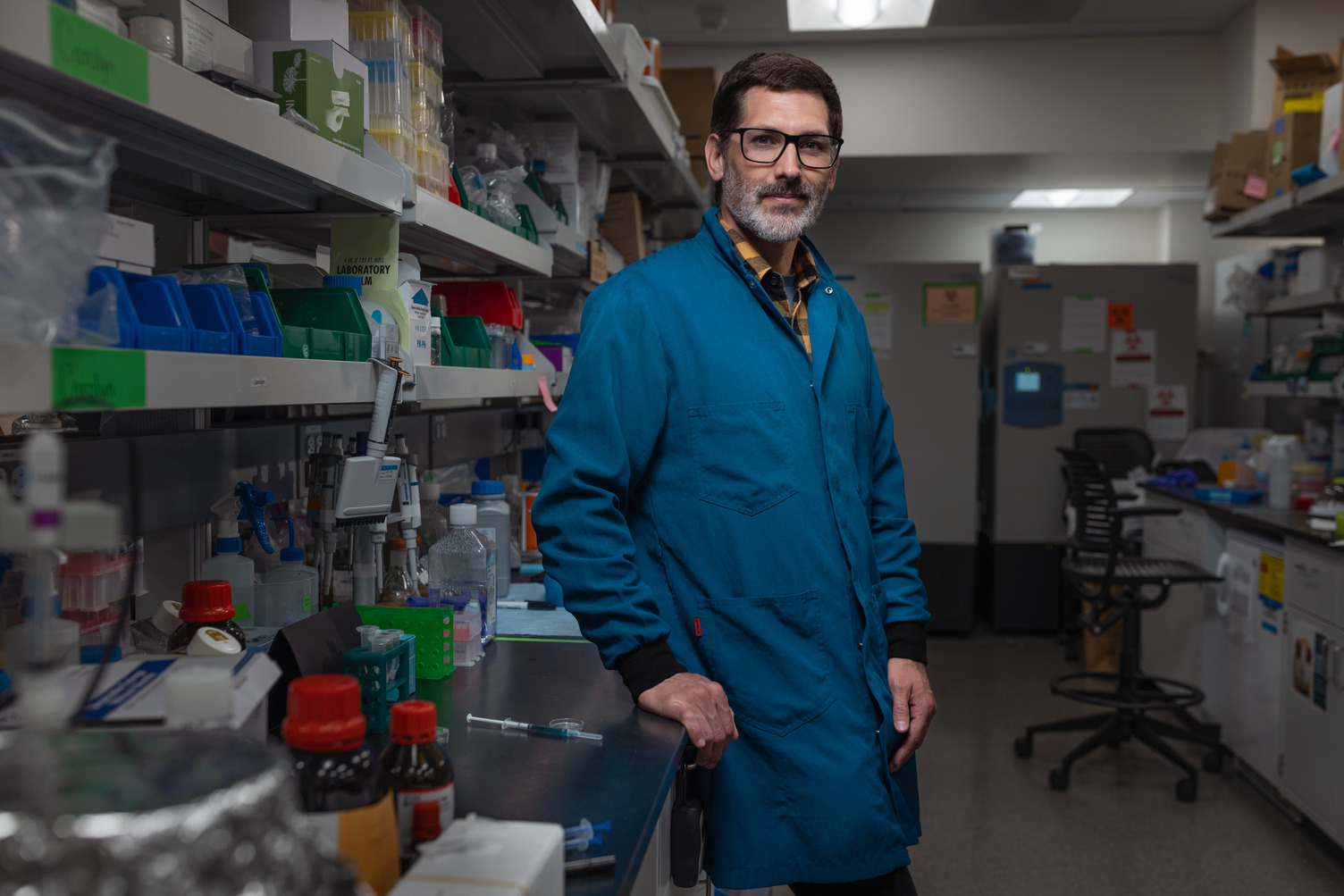
Researchers Molly Schumer, Ben Moran | LiPo Ching for Stanford University
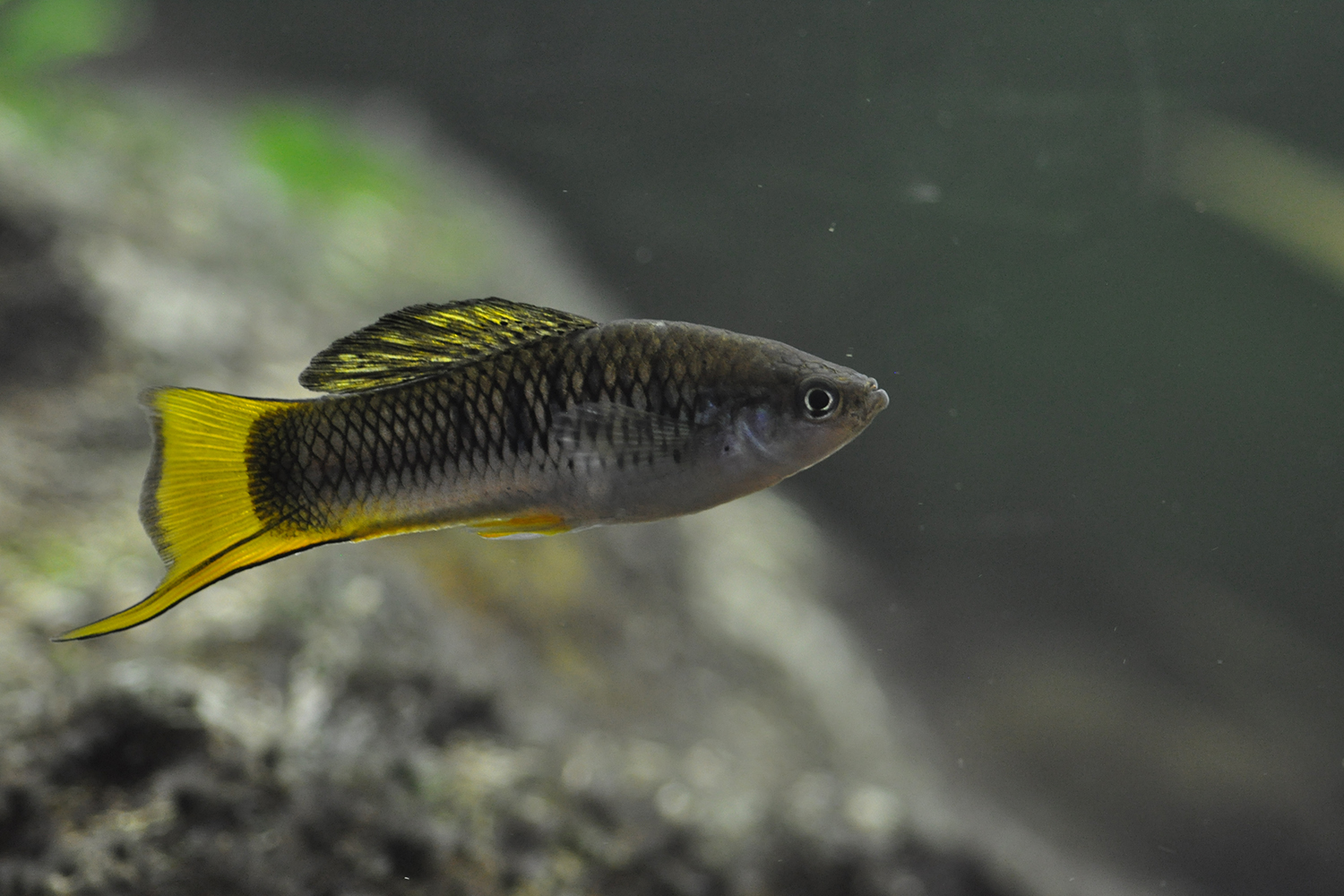
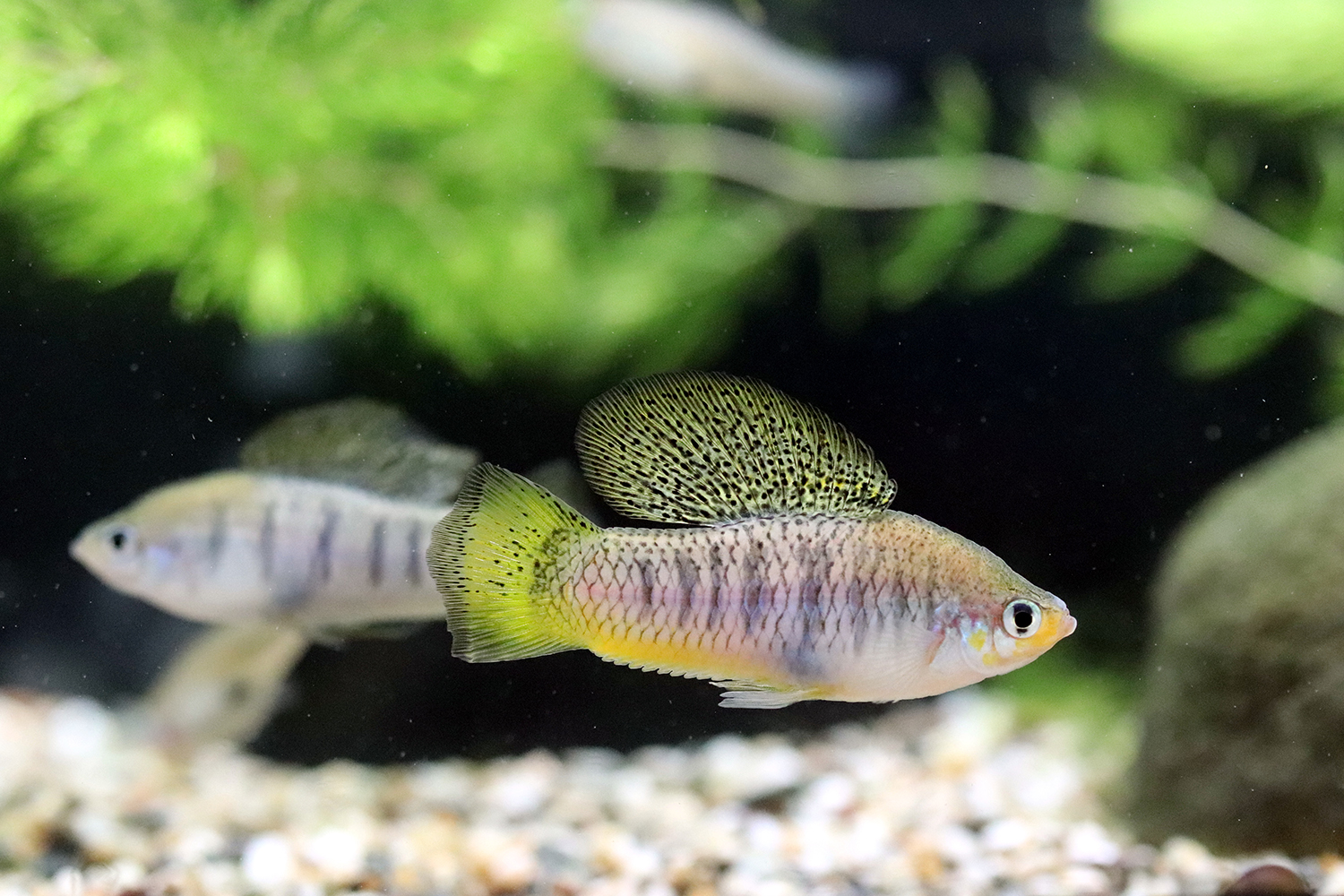
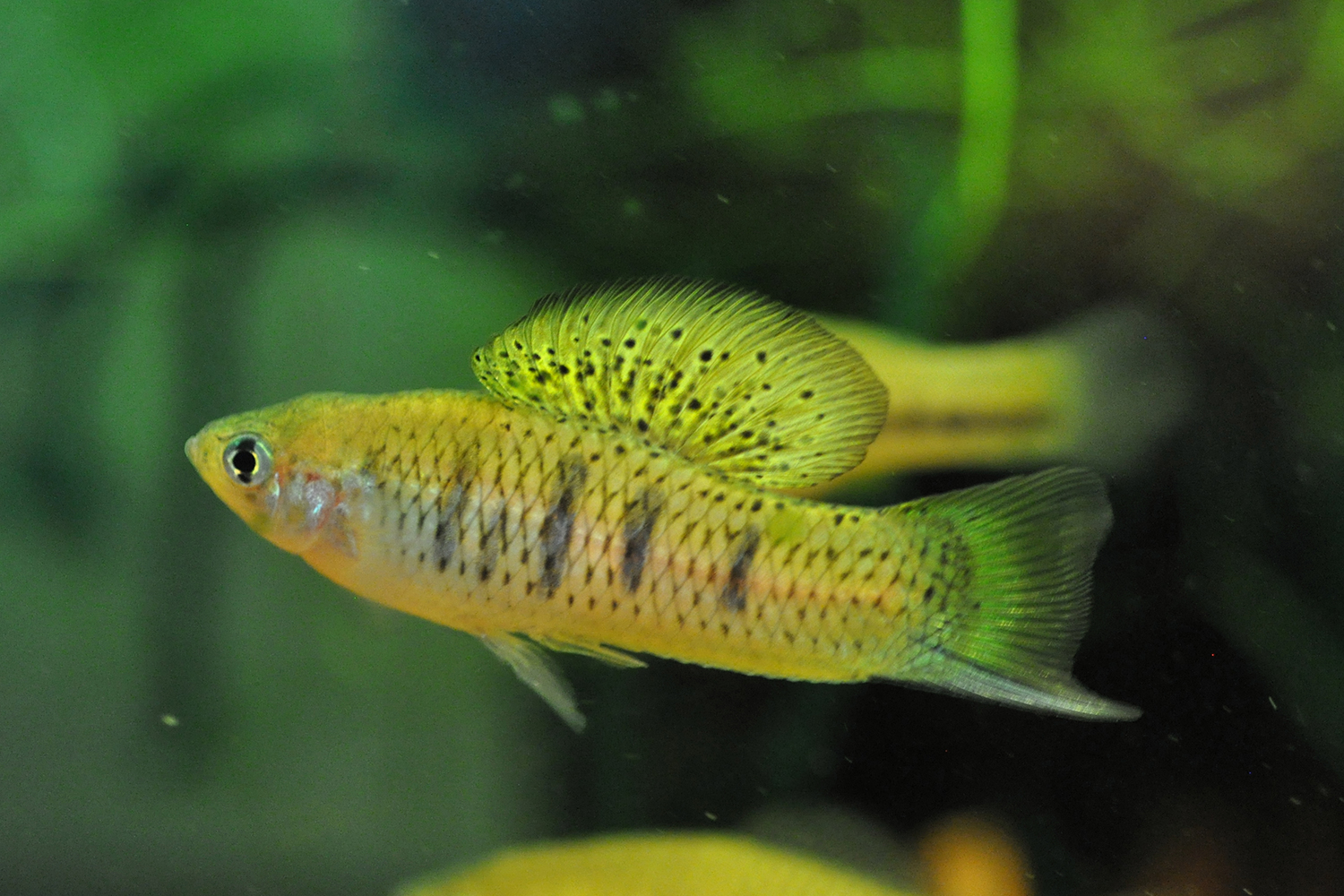
The study focused on two types of fish species, the highland swordtail, Xiphophorus malinche, and sheepshead swordtail, Xiphophorus birchmanni. While both species are about 2 inches long, only the highland swordtail still has the namesake point to its tailfin, and the sheepshead swordtail has a sail-like fin on its back.
For this study, the researchers took samples of water and fish from at least 10 spots along four rivers in the Huasteca area of Mexico. This region, just north of Mexico City and inland from the Gulf of Mexico, contains a patchwork of land types, including untouched wilderness, cattle ranches, and farms.
One of the rivers passes through a relatively urban area, a town of about 3,000 people, and the researchers found the biggest differences in both the water and fish samples taken from it. River water collected downstream from the urban area was more turbid, or cloudy, and had higher levels of chemicals such as nitrate and phosphate as well as heavy metals such as copper, lead, and cadmium than upstream samples. This turbidity and chemical load were not found in the water in the other three rivers, which did not have the same type of human impact.
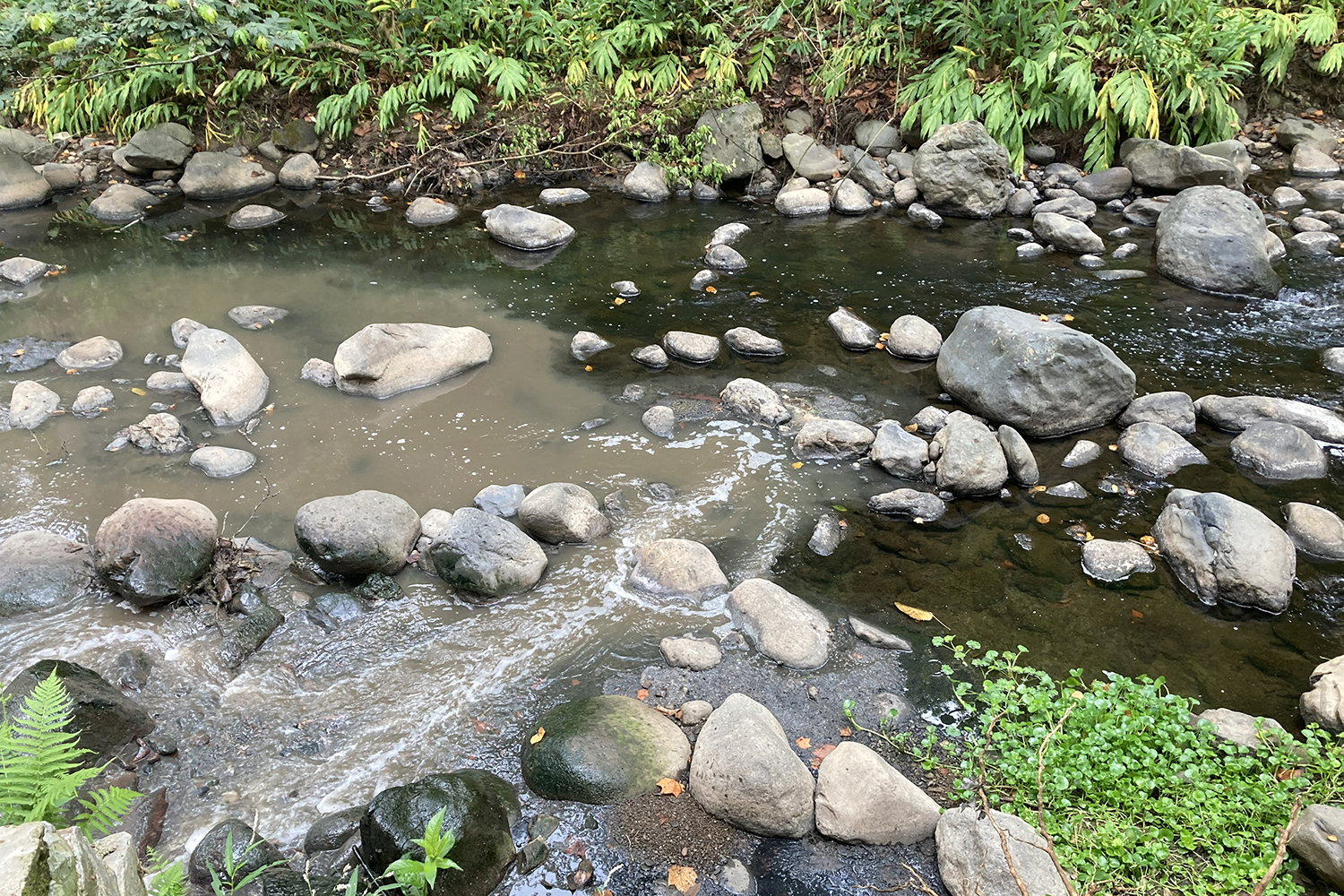
Murky outflow from a sewage treatment facility mixes with river water just outside the town of Calnali, Mexico. Water chemistry measurements downstream of this point showed high concentrations of heavy metals and other pollutants. | Ben Moran
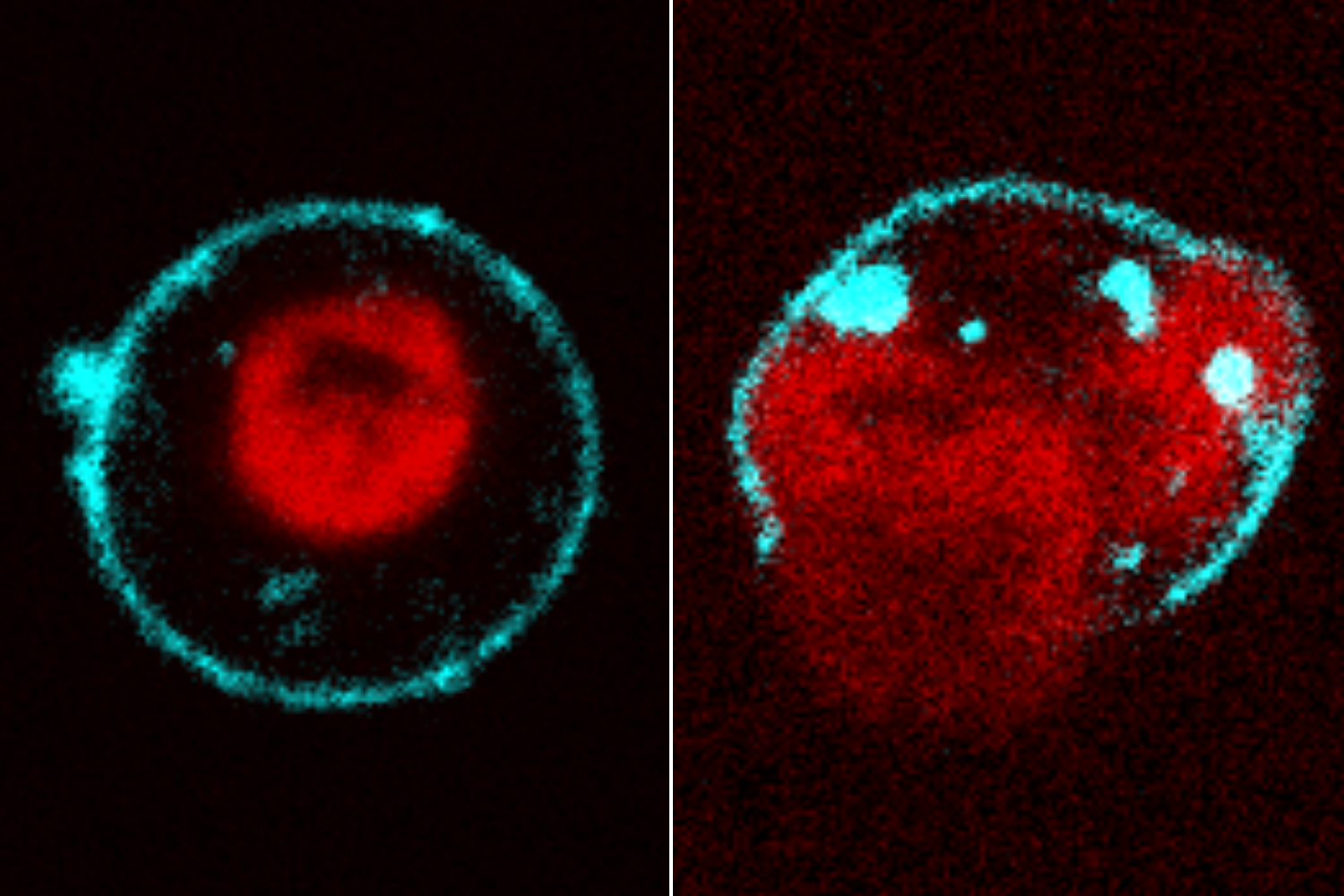
Analysis of swordtails living downstream from the town showed the female fish missing olfactory cilia, the hair-like sensory structures in their noses that allow them to smell. They also had more mucus-producing cells, meaning, in a sense, they were congested, much like humans who have a cold. Genetic analysis of the fish embryos revealed that many of the offspring were halfway between the two species of fish.
All of this points to pollution as the key disruptor, said Ben Moran, the study’s first author and a former doctoral scholar in Schumer’s lab.
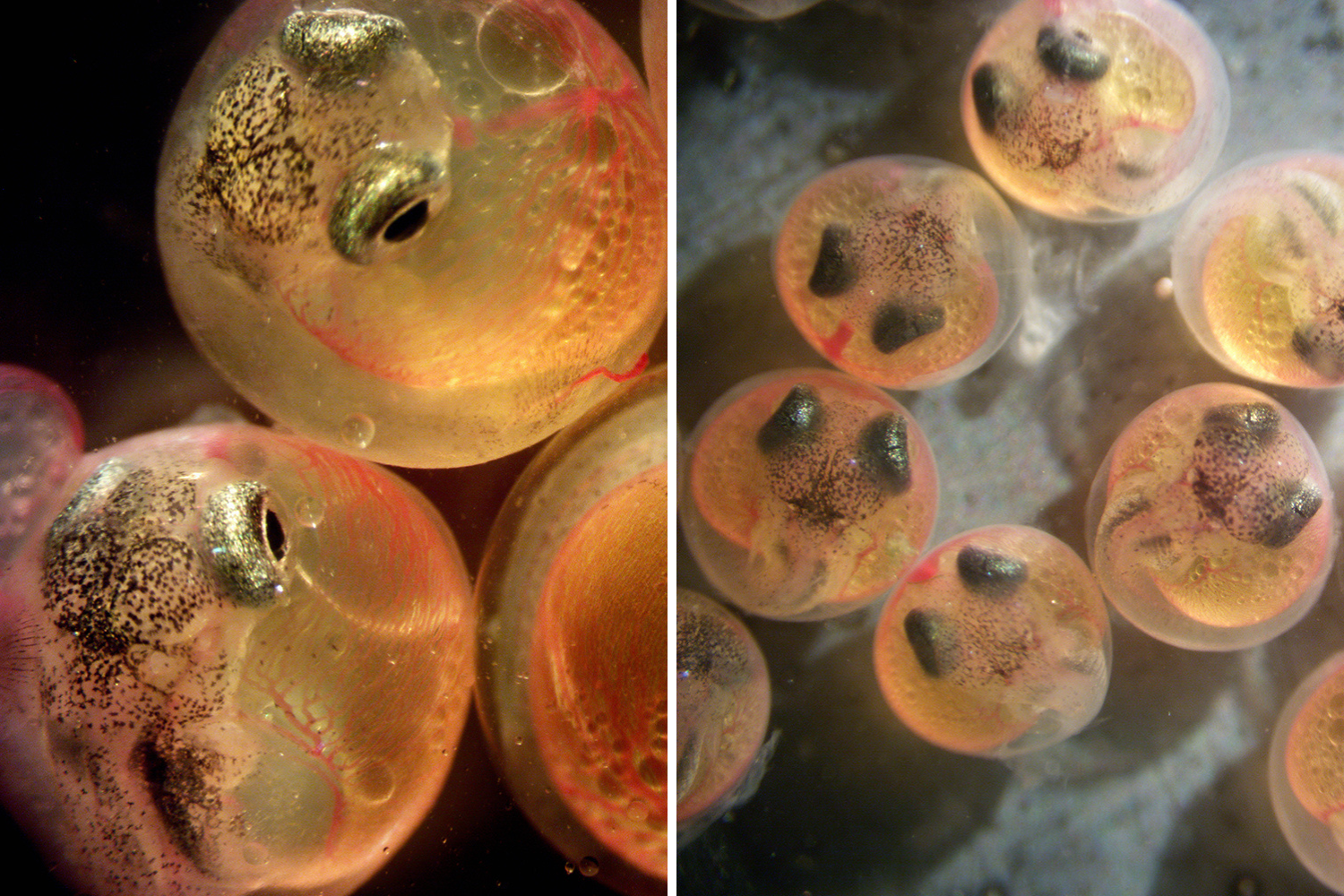
Researchers compared the genetics of swordtail embryos upstream and downstream of the town to learn more information about their parentage. | Ben Moran
“We don’t have a smoking gun, but we have really good circumstantial evidence that hybridization is causing a loss of biodiversity in these fish,” Moran said. “And it’s probably connected to the way that humans are impacting the environment.”
Previous research from Schumer’s lab has showed that hybridization between these two species can be detrimental, causing melanoma in some fish and a lethal metabolic disorder in others.
The current study focuses on recent conditions in just a few rivers, but its findings indicate a potential longer-term threat to the fish.
“One concern is the reduction in population health,” Schumer said. “But from a conservation perspective, hybridization could result in a type of species collapse, where there were two species, but then eventually there is only one and diversity is lost.”
For more information
Schumer is also a member of Stanford Bio-X.
Additional Stanford co-authors include Daniel Powell, a former postdoctoral scholar in biology; Gabriel Preising, a doctoral scholar in biology; and Terrance Yang, an undergraduate in biomedical computation; as well as current and former staff members from Schumer’s lab: John Baczenas, Alexandra Donny, Theresa Gunn, and Rhea Sood.
Other co-authors include researchers affiliated with Centro de Investigaciones Científicas de las Huastecas “Aguazarca,” A.C.; Concordia University of Edmonton; Instituto de Ecología A.C.; University of California, Davis; Universita degli Studi di Padova; University of Texas at Austin; University of Toronto; and Virginia Commonwealth University.
This research received support from a CONACYT fellowship, Fondazione Cariparo, a Human Frontier Science Program Grant, a Knight–Hennessy Scholars fellowship, and the National Science Foundation.
This story was originally published by Stanford School of Humanities & Sciences.
Media contact
Sara Zaske
510-872-0340
szaske@stanford.edu
Writer
Sara Zaske