


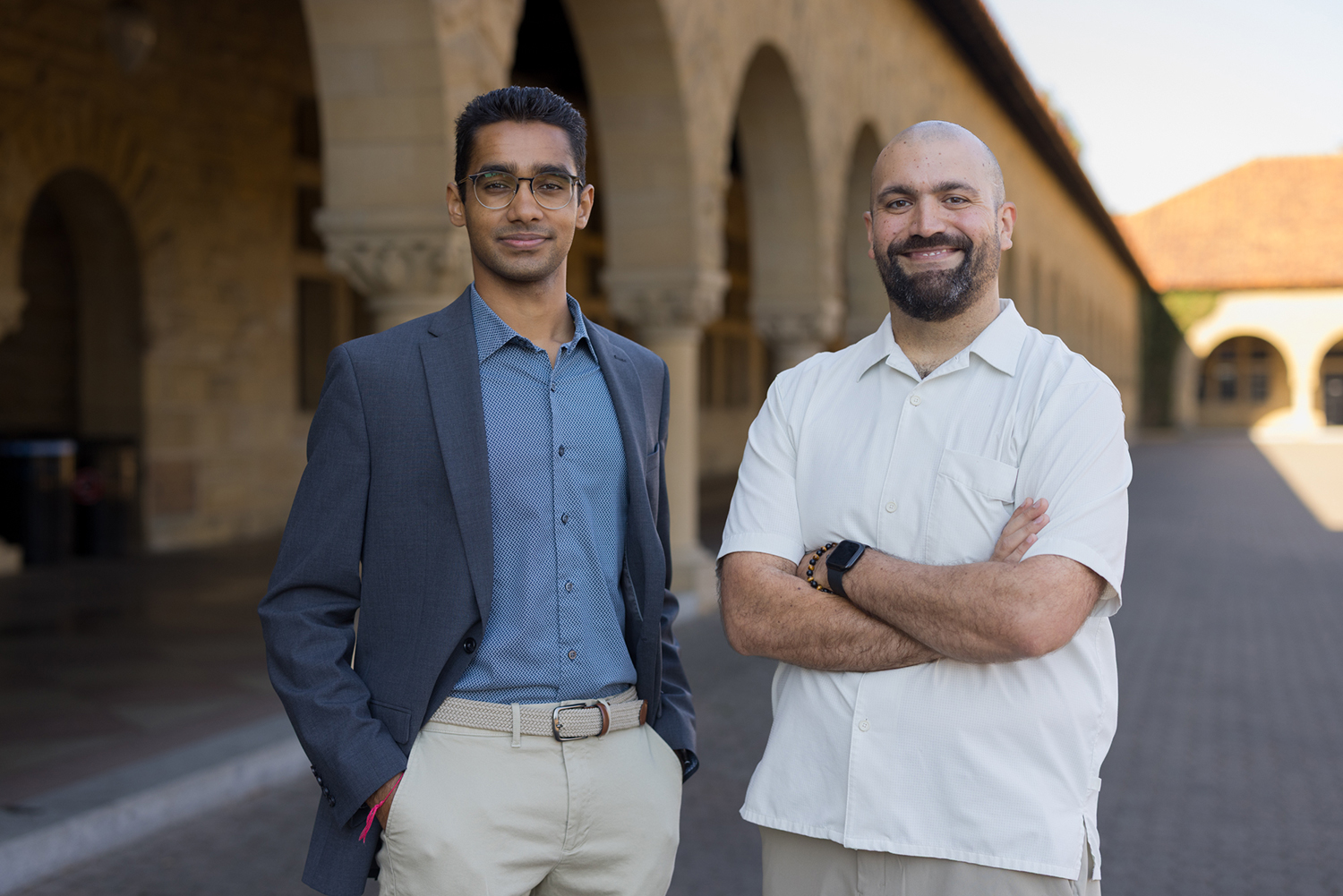
Fellowship offers a roadmap for civic life at Stanford
News
Through workshops, discussions, and campus activities, the Frosh Civic Challenge Fellowship helps new students practice civic engagement and constructive dialogue.
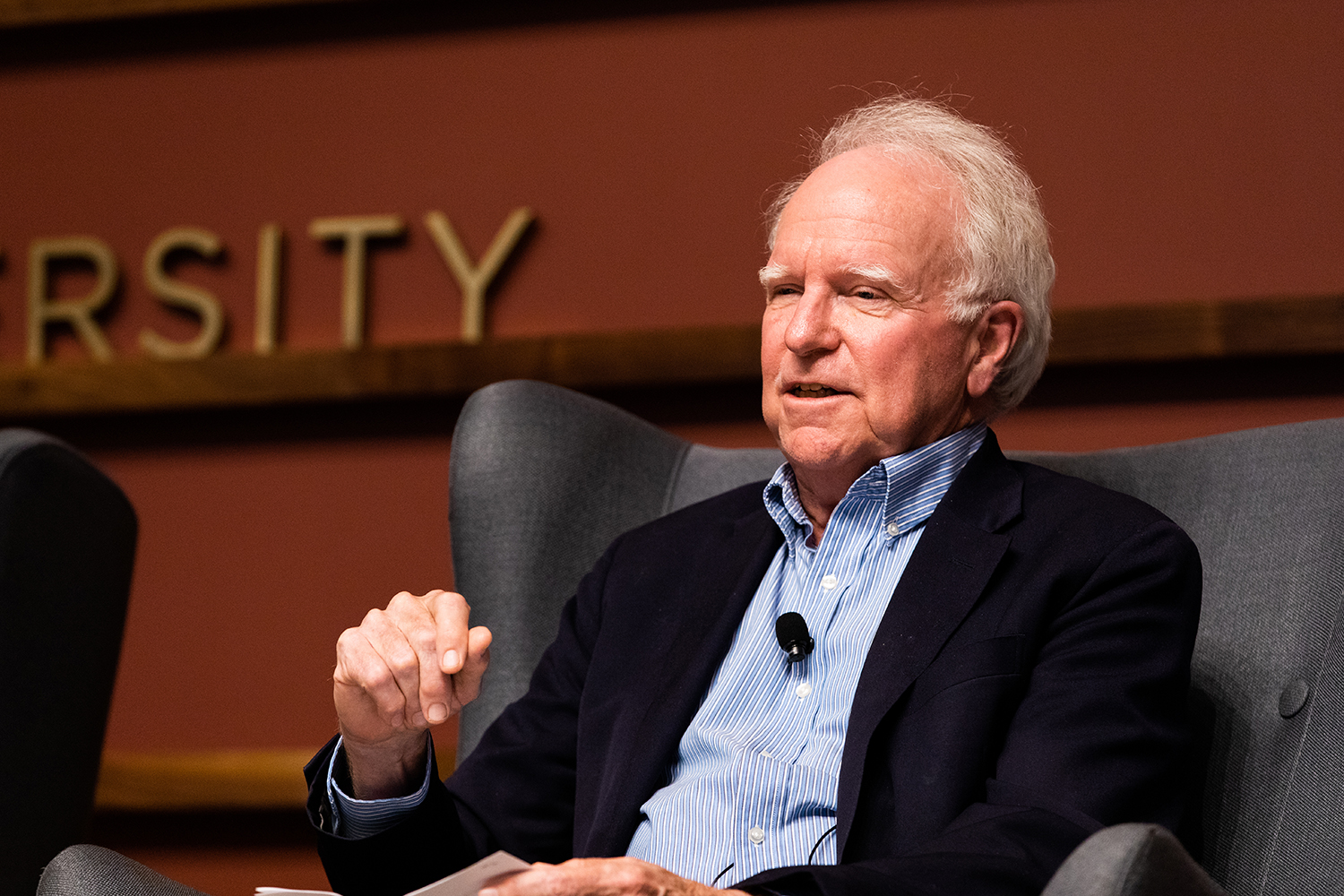
Robert E. Hall wins Nobel Memorial Prize in Economic Sciences
News
The professor of economics and senior fellow at the Hoover Institution, emeritus, developed models that help governments and central banks respond to economic volatility.
Stanford researchers receive NIH High-Risk, High-Reward grants
News
This year’s awardees are researching communication between cells, language development in children, medical AI tools, and more.

Brian Kobilka and Paul Milgrom look back on their Nobel wins
Feature
From sleeping through the call to shaking hands with the king and queen, laureates reflect on what it was like to win the Nobel Prize. This year’s winners will be announced Oct. 5-12.
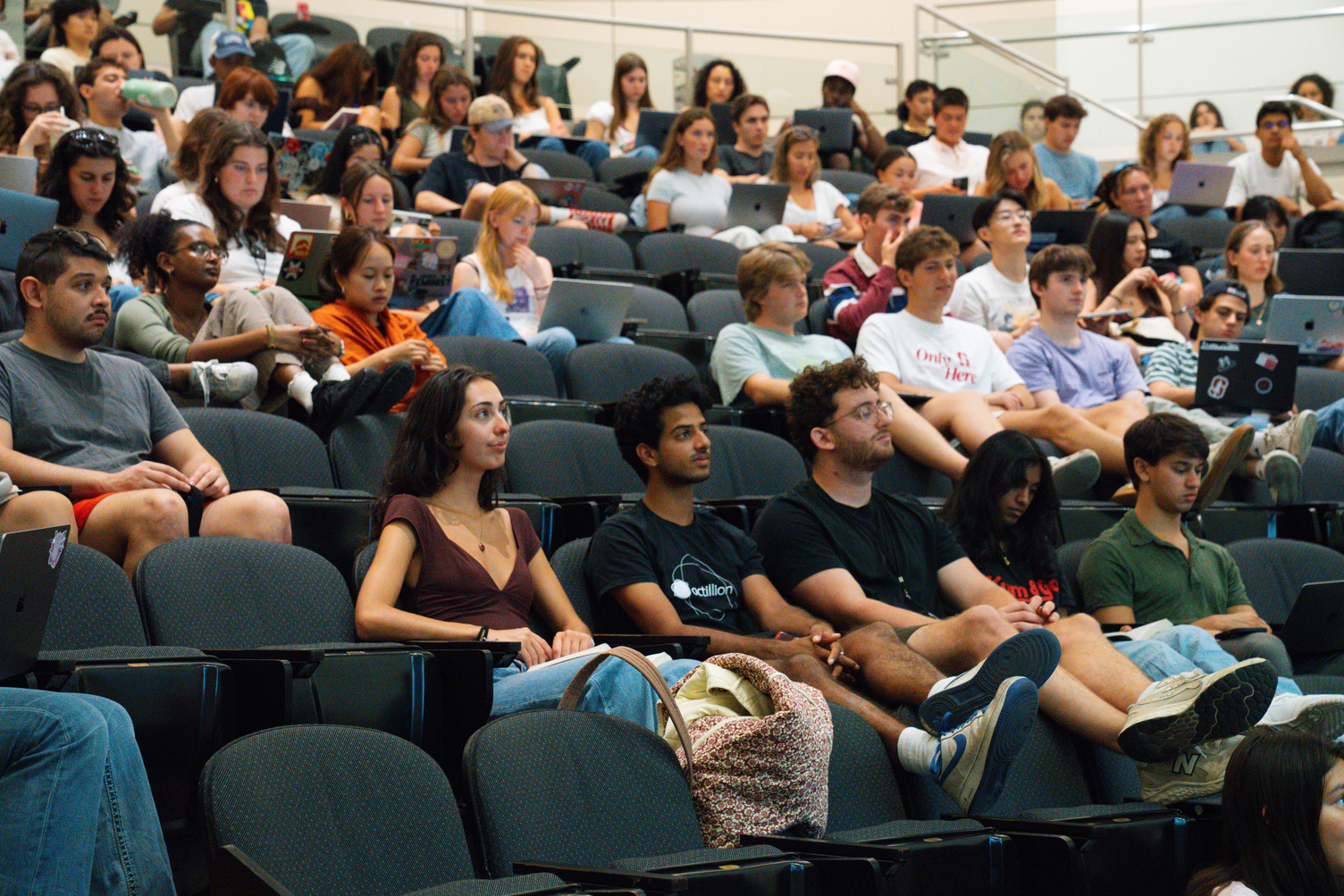
New undergraduate minor launches in civic thought and practice
News
Building on the first-year course COLLEGE 102: Citizenship in the 21st Century, the minor is open to students of all majors and encourages discussion of contentious issues facing democratic societies.
Stanford chemist Song Lin receives MacArthur Fellowship
News
Lin uses electricity to simplify complex chemical reactions, offering a path to making drug molecules more efficiently and with fewer hazardous chemicals.

Peter M. Ray, biologist with a passion for winemaking, has died at 94
Obituary
The beloved Stanford professor pioneered research on plant cell growth and taught a popular wine course.
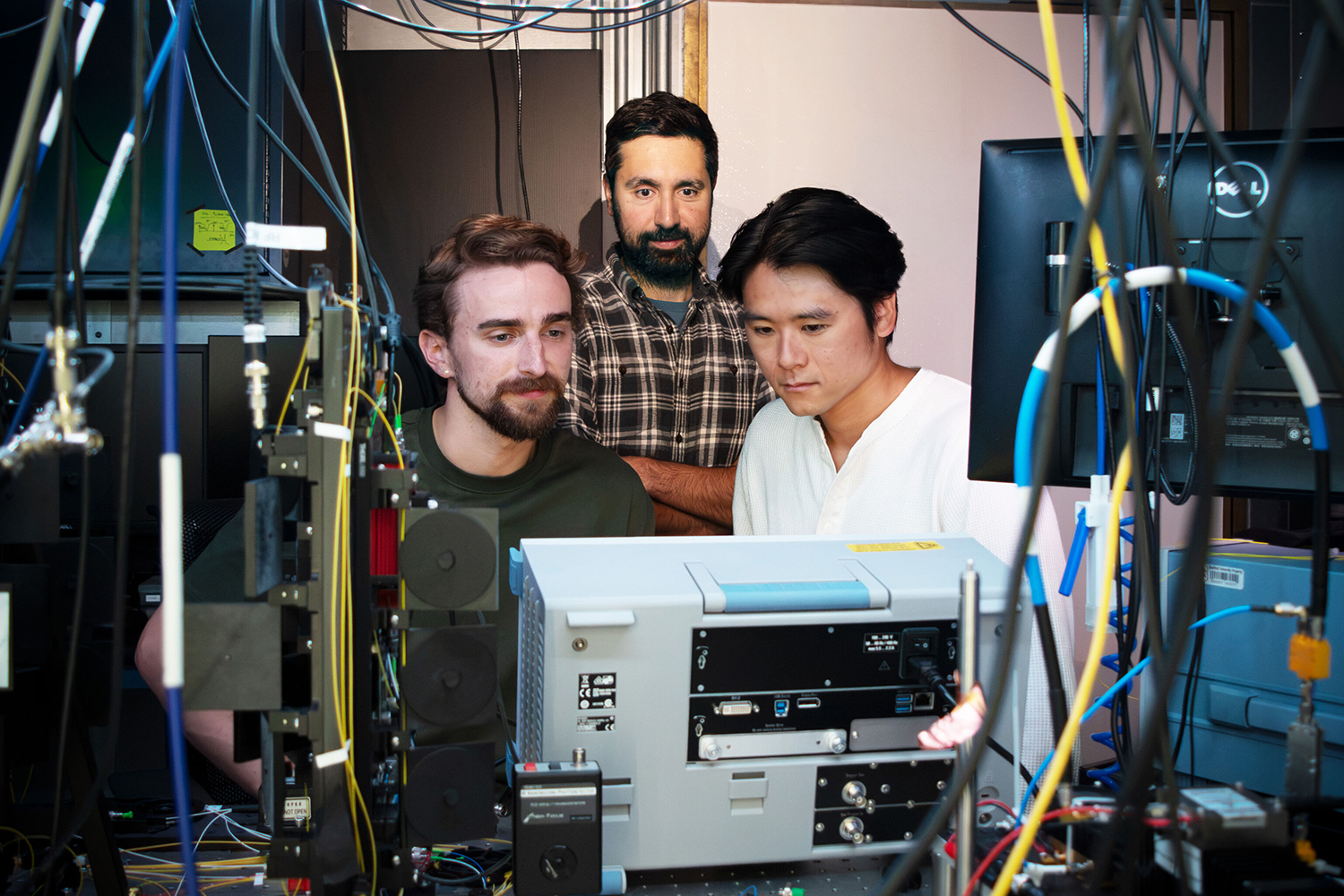
Researchers observe first real-time quantum jump in sound
Research
The discovery that tiny units of sound can suddenly change energy states has the potential to advance a range of technologies.
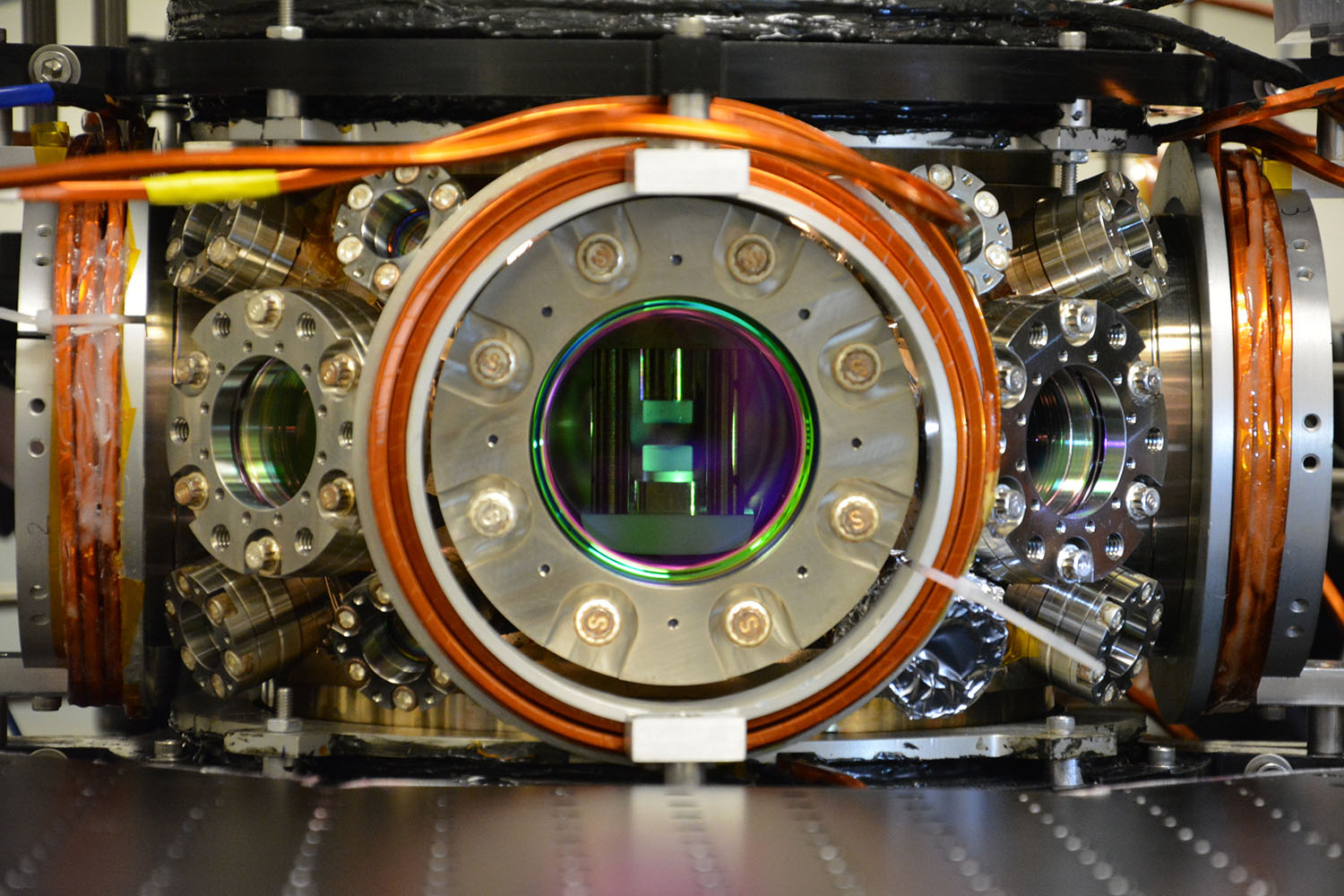
Physics advance could improve how AI remembers and learns
News
A Stanford-led team has created a new type of spin glass made of atoms and photons and used it to increase the memory capacity of simple artificial intelligence systems.
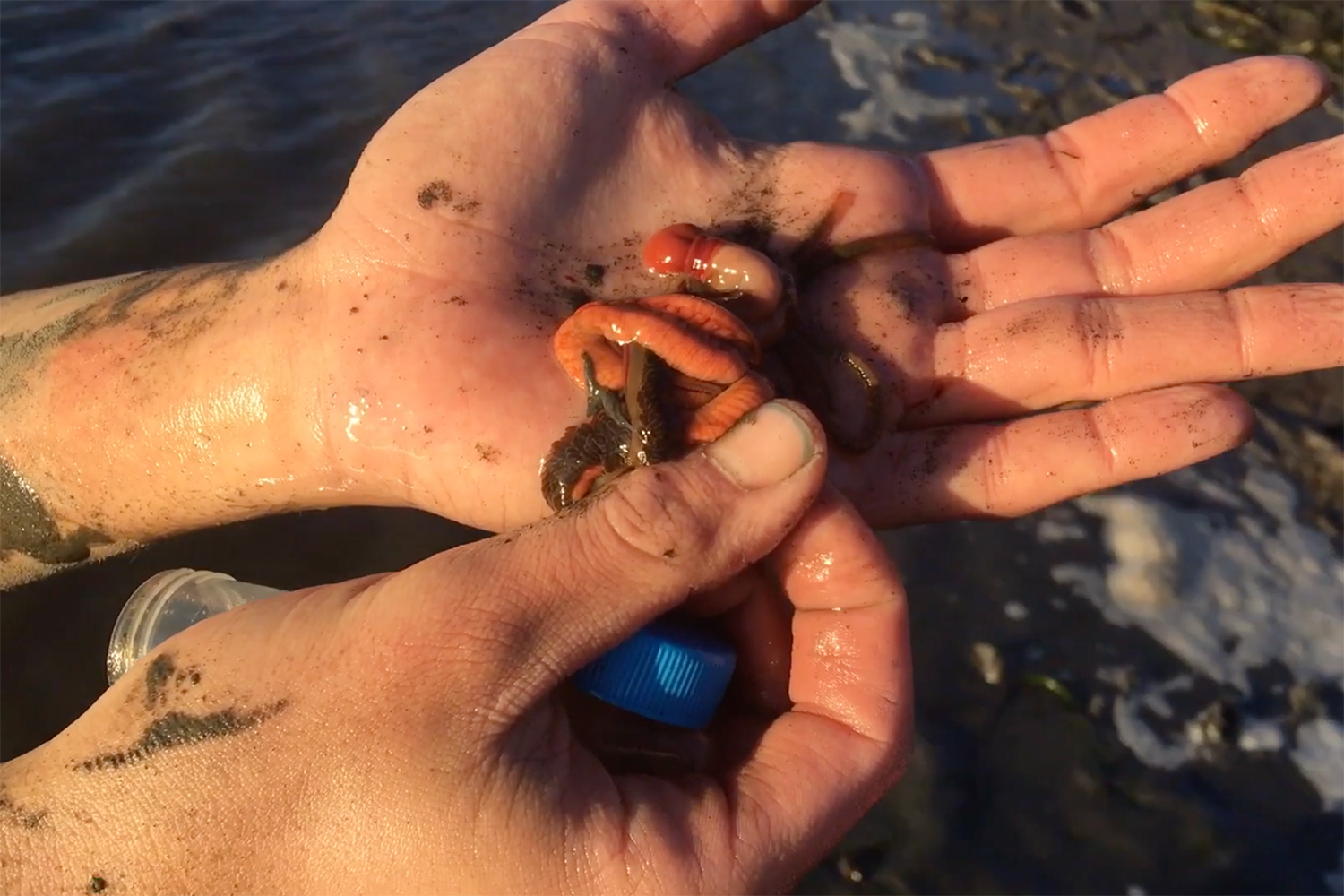
Study reshapes understanding of metamorphosis
Research
Many cells in an acorn worm reprogram into different cell types instead of dying or staying the same, the first evidence of this process in bilaterally symmetrical animals.