


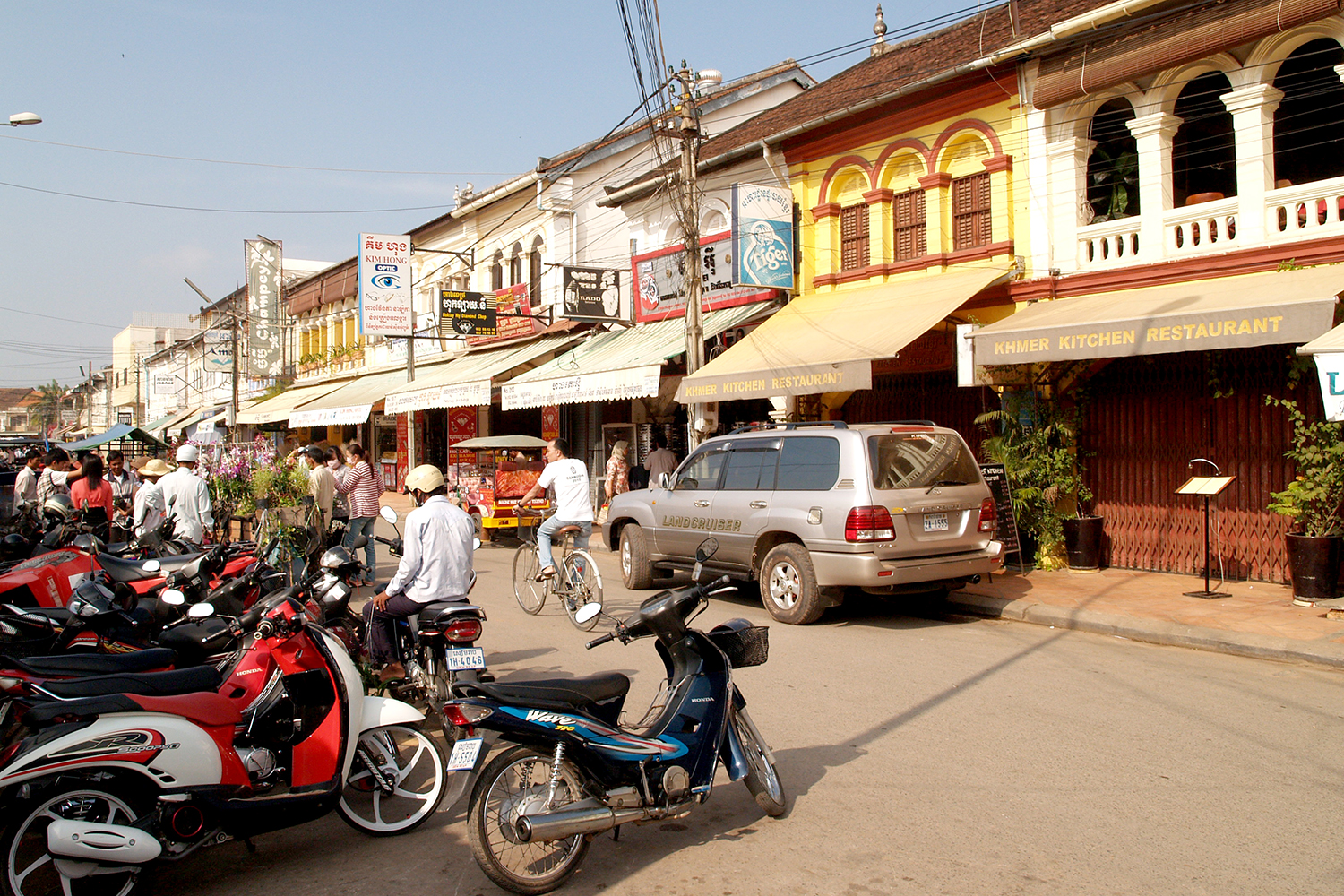
How Southeast Asia can scale sustainable growth
Research
A new report outlines six strategies to help the region achieve more economic growth while balancing energy security and environmental sustainability.
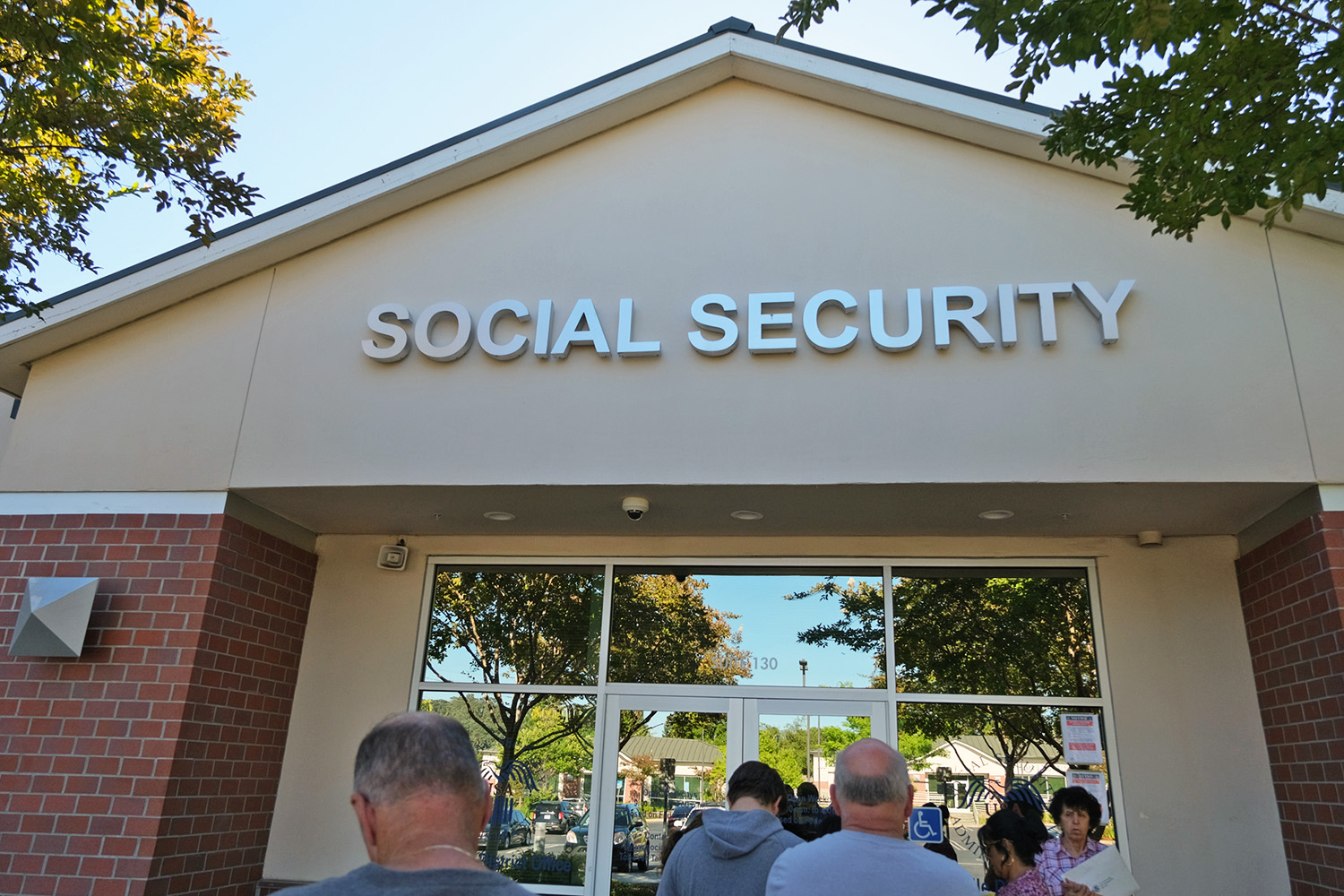
How falling interest rates widened Americans’ wealth gap
Research
Low interest rates fueled an asset boom that benefited the wealthy – and would amplify the hit of potential Social Security cuts on low-income retirees.

The next frontiers for natural capital
Event
Leaders from 32 countries convened at Stanford to unlock ways of meeting surging demand for valuing nature in decisions – and growing that demand exponentially.
Lower-skilled workers could earn more in an AI world
News
As AI simplifies job tasks, new research finds the biggest wage gains may go to workers who currently earn the least.
Experts explore AI’s financial impact beyond the soundbites
Video
A recent SIEPR Policy Forum cut through the noise on AI, stablecoins, and private credit – and what they actually mean for the U.S. financial system.
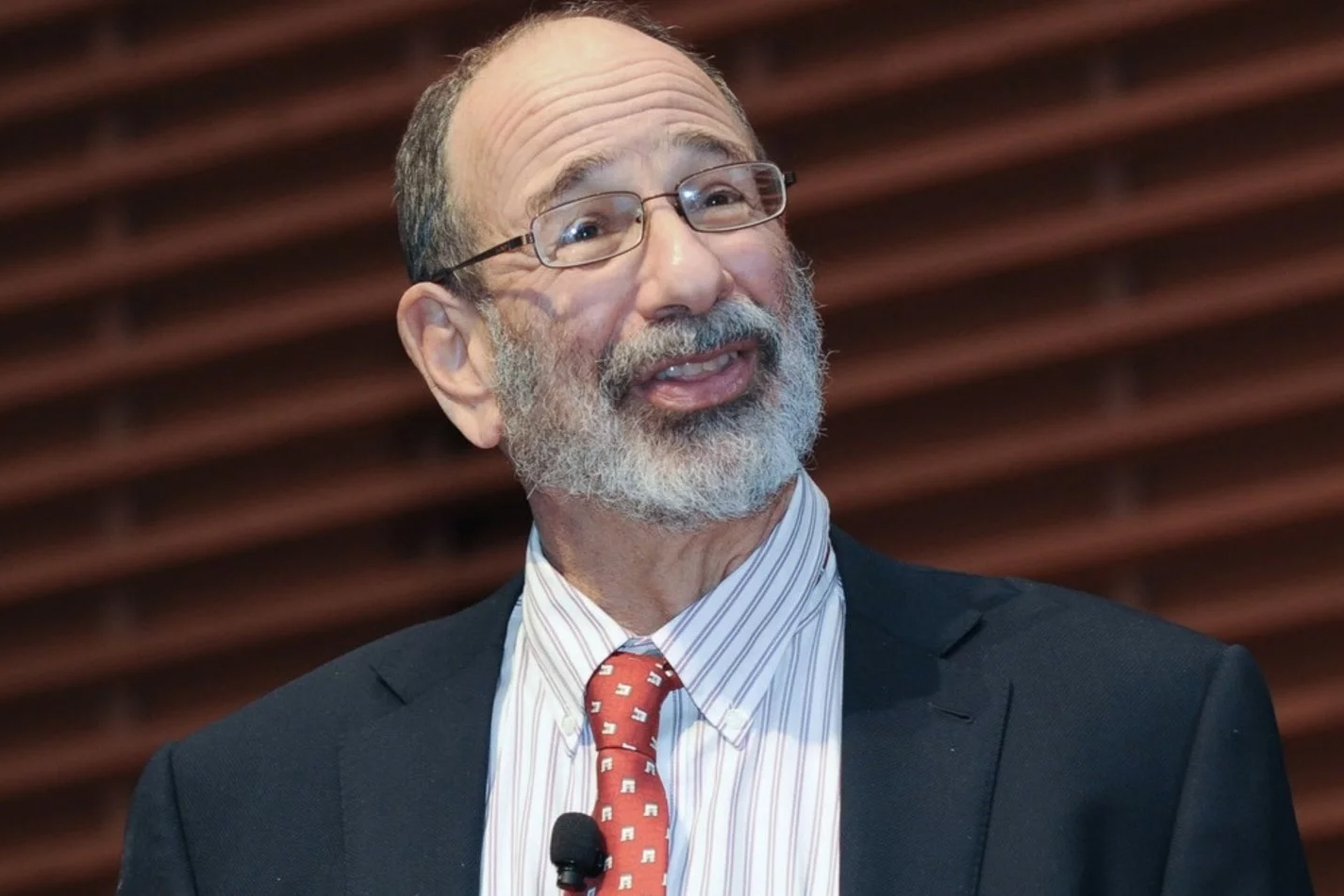
What happens when markets collide with morality?
Research
In a new book, Nobel Prize winner Alvin Roth explores morally-fraught issues through the lens of economics.
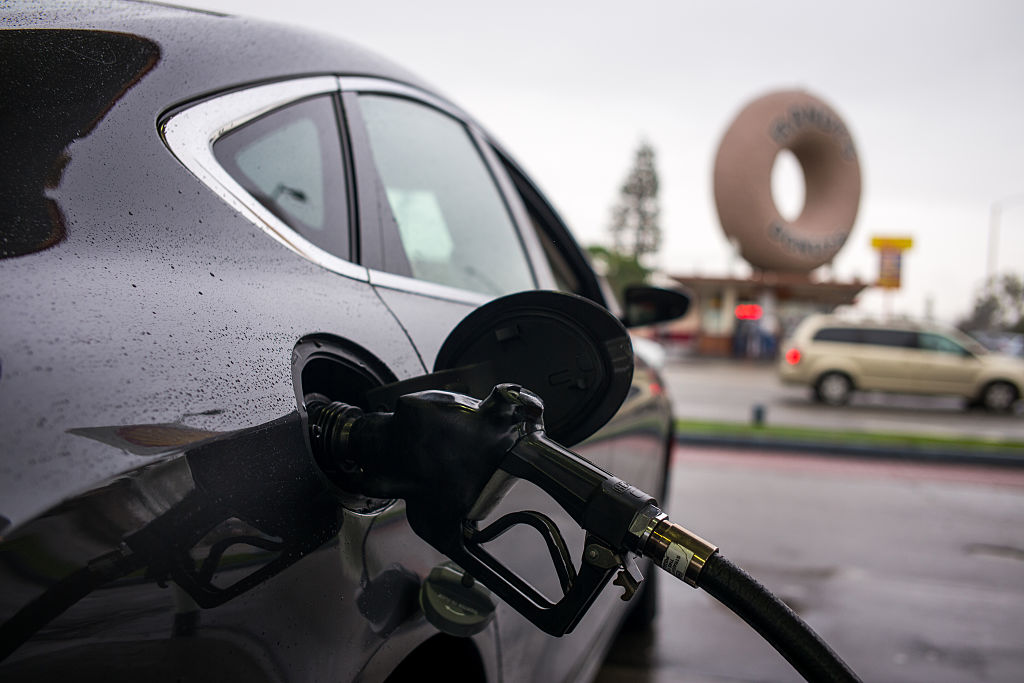
Rising gas prices, explained
Q&A
Stanford economist Neale Mahoney answers four questions about why gas prices are rising, despite record-level oil production in the U.S.
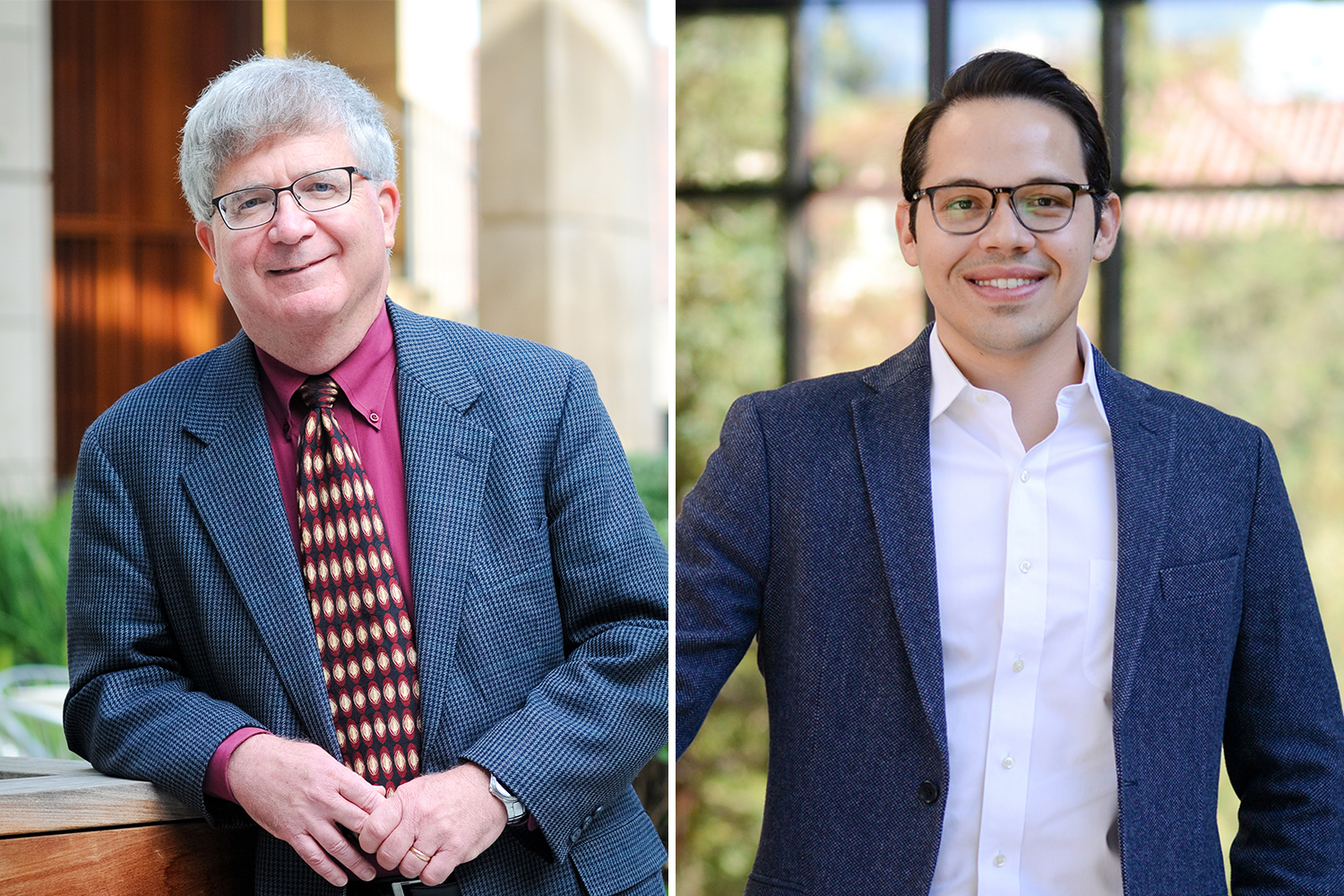
Stanford Law brings expertise to Hoover’s democracy initiative
News
Law faculty are playing key roles in the Hoover Institution’s new Economic and Security Commons.
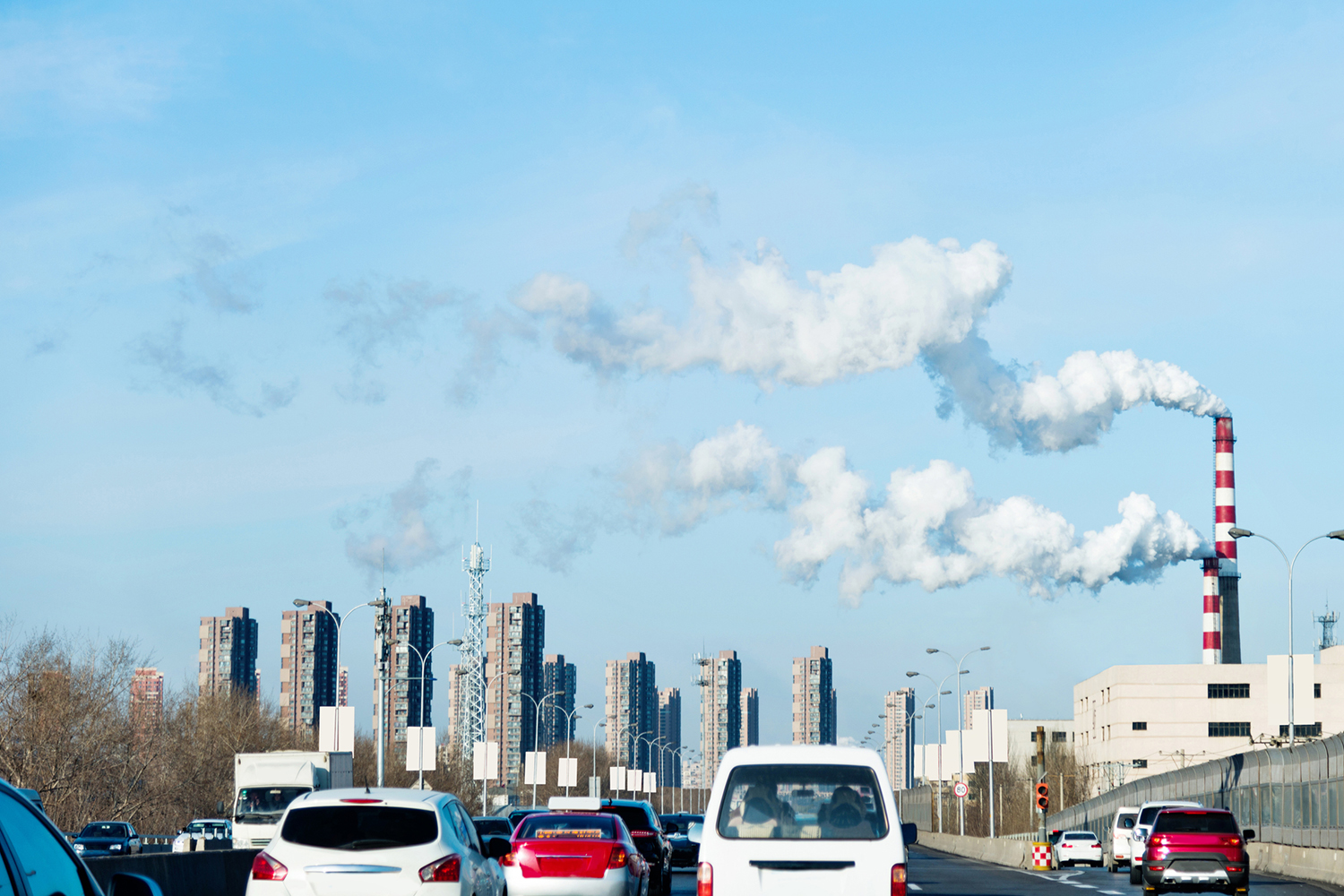
Past greenhouse gas emissions will cost global economy trillions
Research
Future climate damages from past emissions dwarf the economic harm already inflicted, a new study shows.

AI could spot the next financial crisis – but there’s a catch
Research
Research explores how regulators could use the predictive power of AI without injecting new risks into the financial system.