Physics advance could improve how AI remembers and learns
Science & EngineeringNews
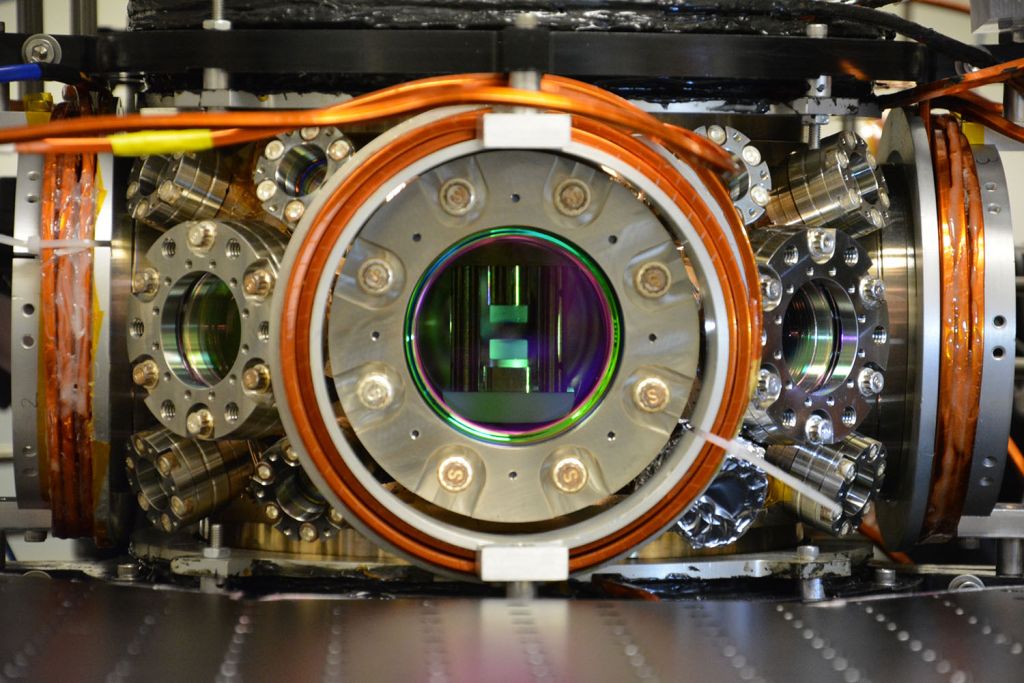
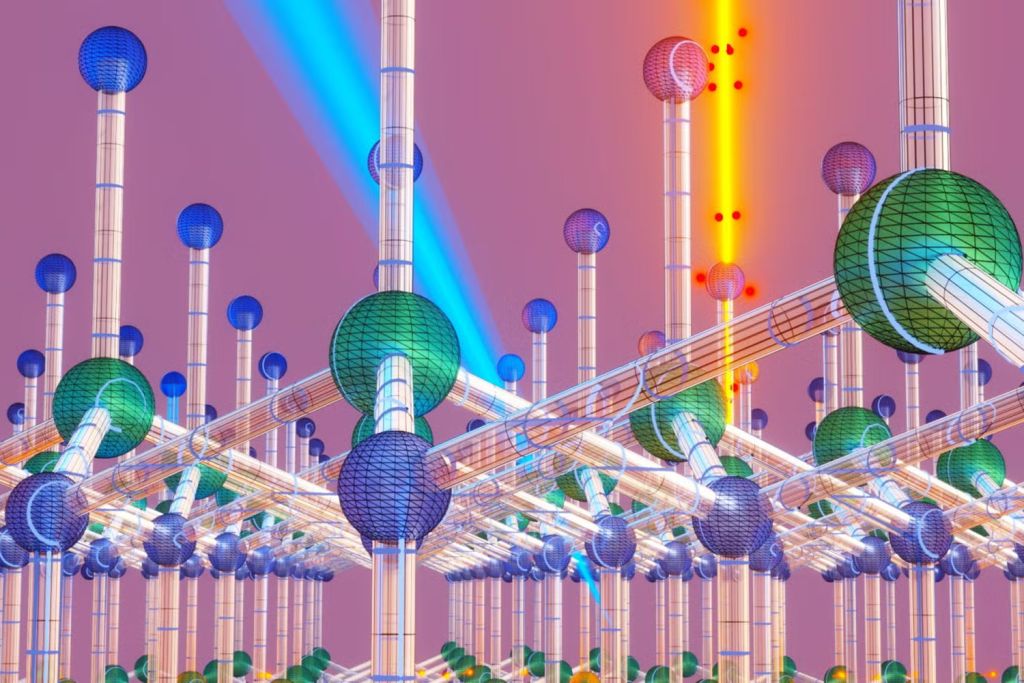
A Stanford-led team has created a new type of spin glass made of atoms and photons and used it to increase the memory capacity of simple artificial intelligence systems.

Emmanuel Mignot wins Lasker Award for narcolepsy research
Awards & HonorsNews
Through genetic and immunological studies, the Stanford Medicine sleep researcher found that narcolepsy stems from a deficiency of orexin in the brain, opening the door to new sleep therapies.
AI model opens new horizons for cell biology
Health & MedicineResearch
Trained on more than 100 million cells from a dozen species, a new model will make it easier to compare cells between species, with potential implications for disease research and cell therapy development.

School closures may fail to fix district finances
EducationResearch
As districts nationwide weigh school closures to shore up their budgets, new research reveals the fiscal payoff doesn’t always materialize in California.
Health & Medicine
MoreHealth & Medicine
Warning labels could curb young people’s social media use
Health & MedicineResearch
Teens and young adults report that health warning labels would reduce their social media consumption. Messages about mental health harms resonate most strongly.


How to stay safe from harmful wildfire smoke
Health & MedicineQ&A
Smoky air is becoming more of a seasonal reality. Stanford experts share ways to prepare your environment to keep everyone safe.
Anesthesia dreams show promise for treating PTSD
Health & MedicineQ&A
Induced dreams during anesthesia could offer a more controlled alternative to psychedelic therapies for trauma recovery.

Model shows partial vaccine could contain Ebola outbreak
Health & MedicineQ&A
Researchers modeled how existing vaccines could slow the rare Bundibugyo outbreak in the Congo. Their findings show vaccination works best alongside robust case detection and contact tracing.
How did the humanities go digital?

Helping students find more joy in math

Defining where we want AI to take us

Sugar on the brain
Engineering
MoreEngineering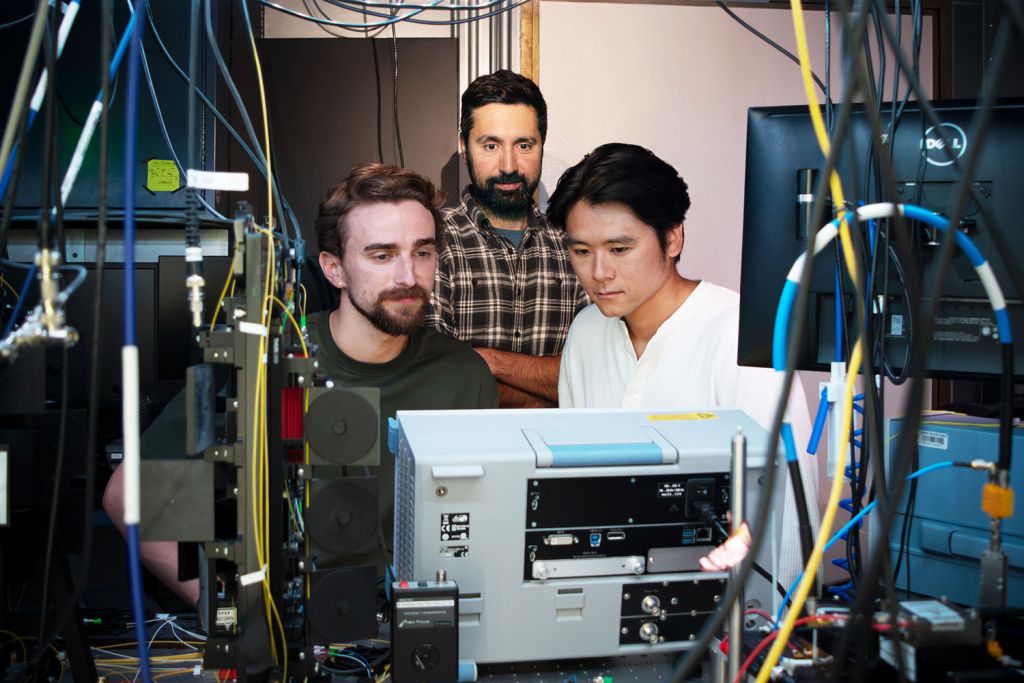
Researchers observe first real-time quantum jump in sound
Science & EngineeringResearch
The discovery that tiny units of sound can suddenly change energy states has the potential to advance a range of technologies.



Governing AI beyond language
A new HAI policy brief marks the first comprehensive examination of how to govern “world models” – AI systems that don’t just process language but build working representations of physical environments to predict how they change in response to action.
Read the full briefLaw
MoreLaw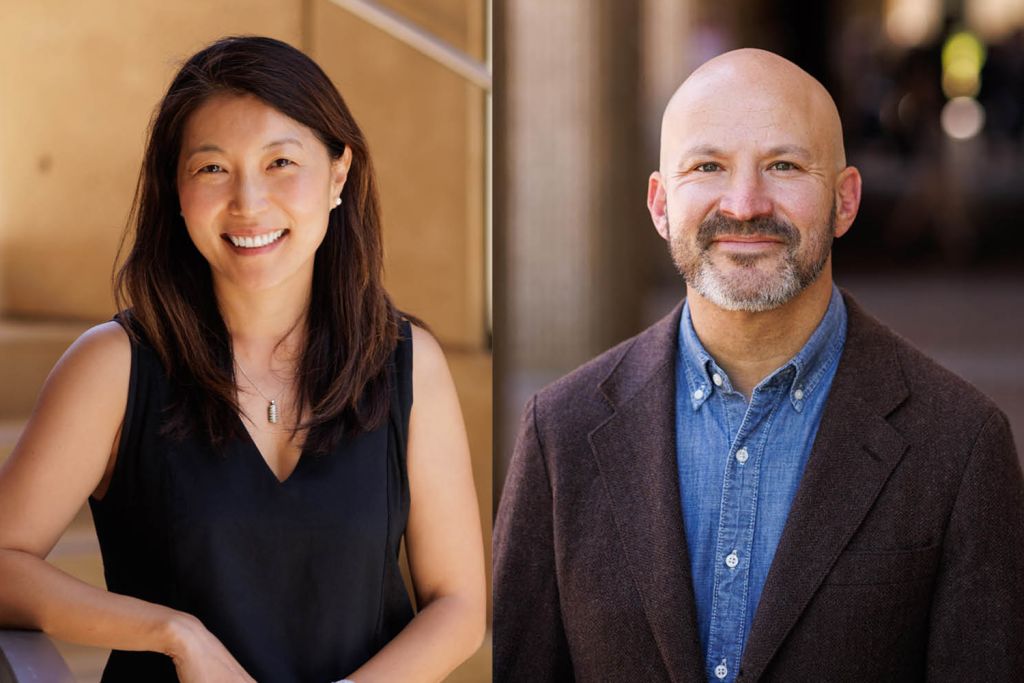
Academy trains legal engineering leaders
LawResearch
Attorneys and executives will train at Stanford on AI strategy, workflow redesign, and governance, combining legal expertise with an engineering mindset.
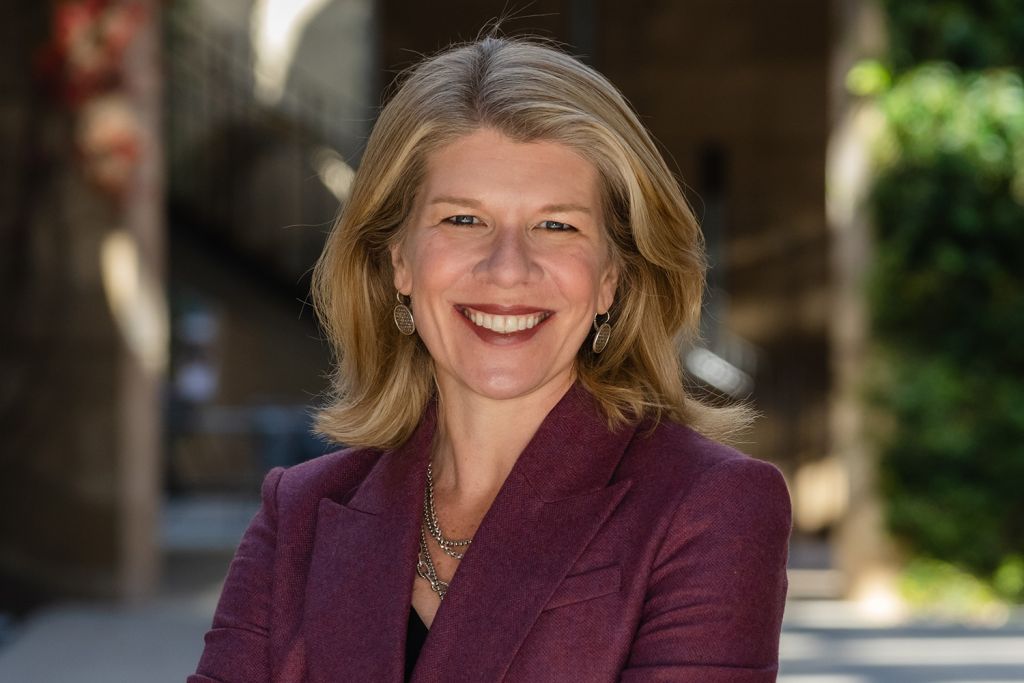
Understanding the case against Meta
LawQ&A
Nora Freeman Engstrom explains why states targeted the social media giant and how the outcome could reshape tech regulation.
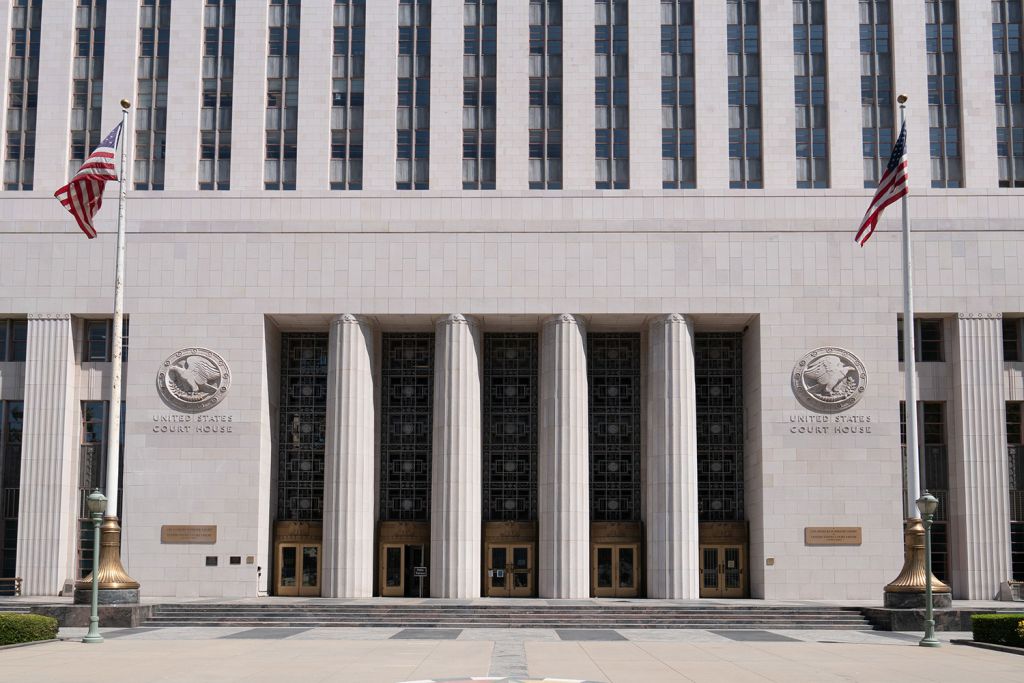
AI tools aim to help tenants in eviction court
LawResearch
A Stanford team is testing AI-assisted approaches with the Los Angeles Superior Court to flag errors in eviction cases and connect unrepresented tenants with legal help.
Business
MoreBusiness
A blueprint for keeping humans in control of AI
Artificial IntelligenceResearch
New research teaches independent AI agents to ask for help – and gives users a way to limit unsafe decisions.