


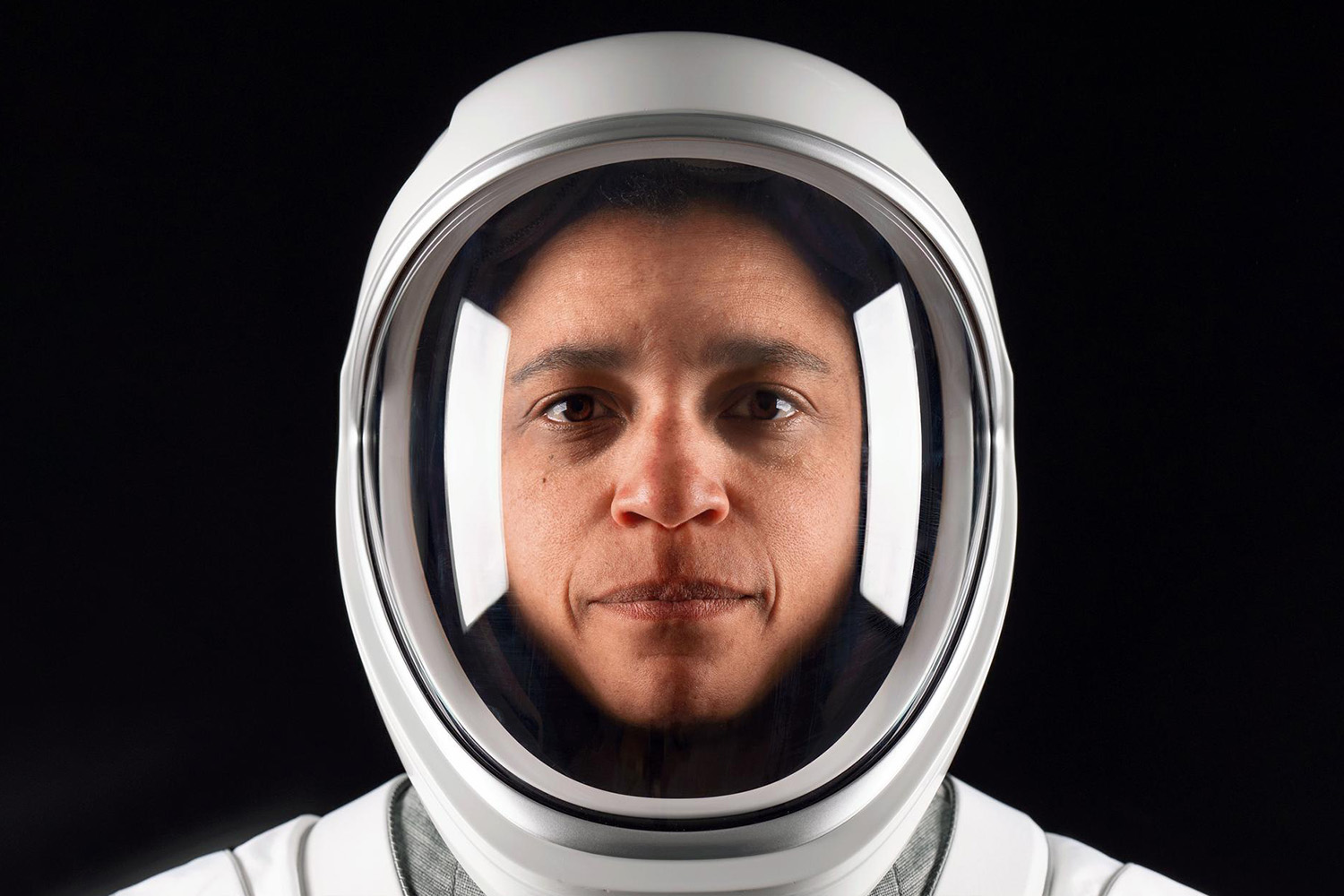
Jessica Watkins, ’10, commands NASA’s SpaceX Crew-13 mission
News
The astronaut is leading a crew to the International Space Station. Liftoff is scheduled for Thursday morning from Cape Canaveral in Florida.
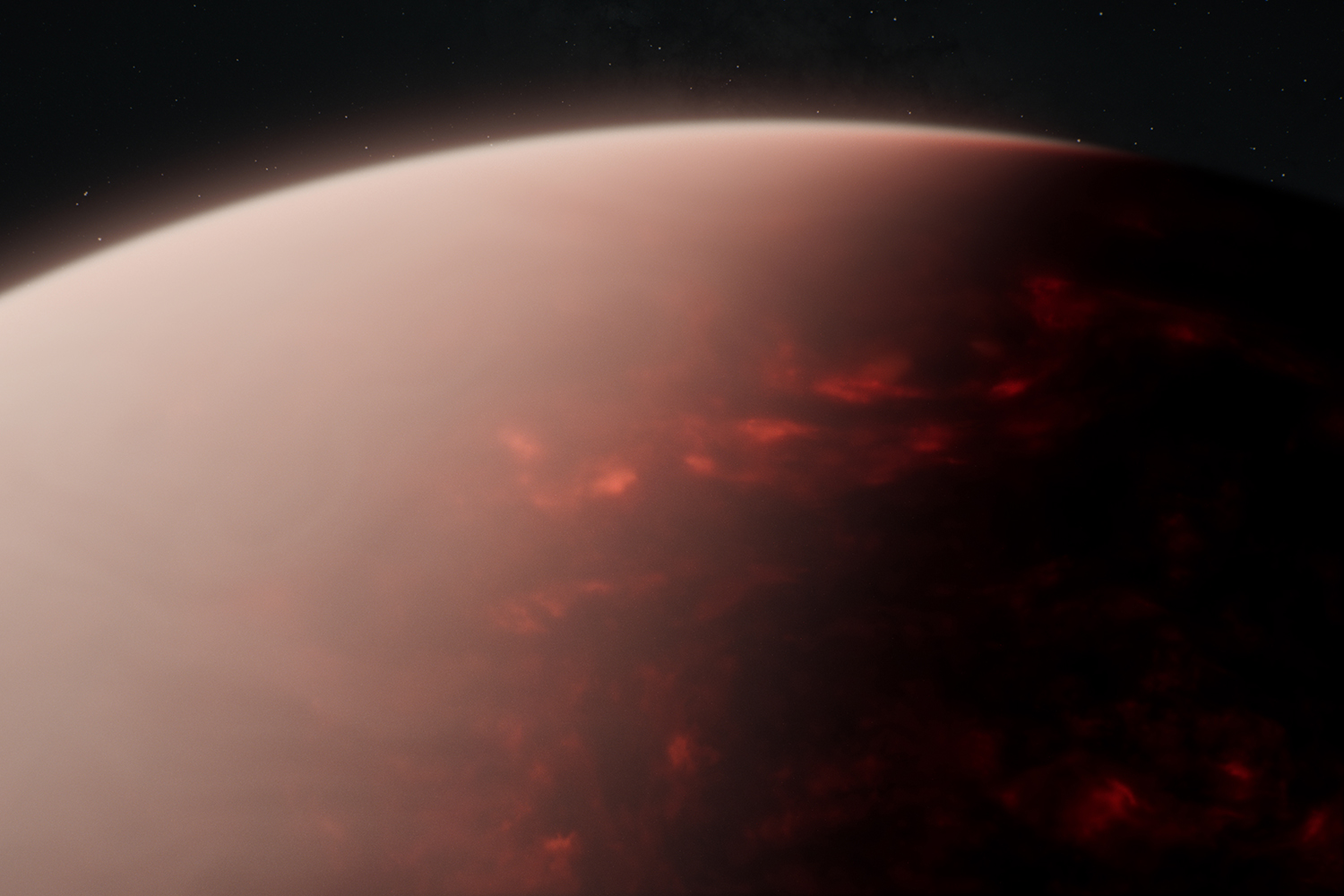
Why some planets have theory-defying atmospheres
Research
Scientists expected planets hugging their stars to be airless, yet some maintain thick atmospheres. New Stanford research explains the mechanism behind this atmospheric paradox.

Rubin Observatory launches 10-year cosmic survey
News
NSF–DOE Vera C. Rubin Observatory has officially kicked off its Legacy Survey of Space and Time, marking the beginning of a new era in astronomy and astrophysics.
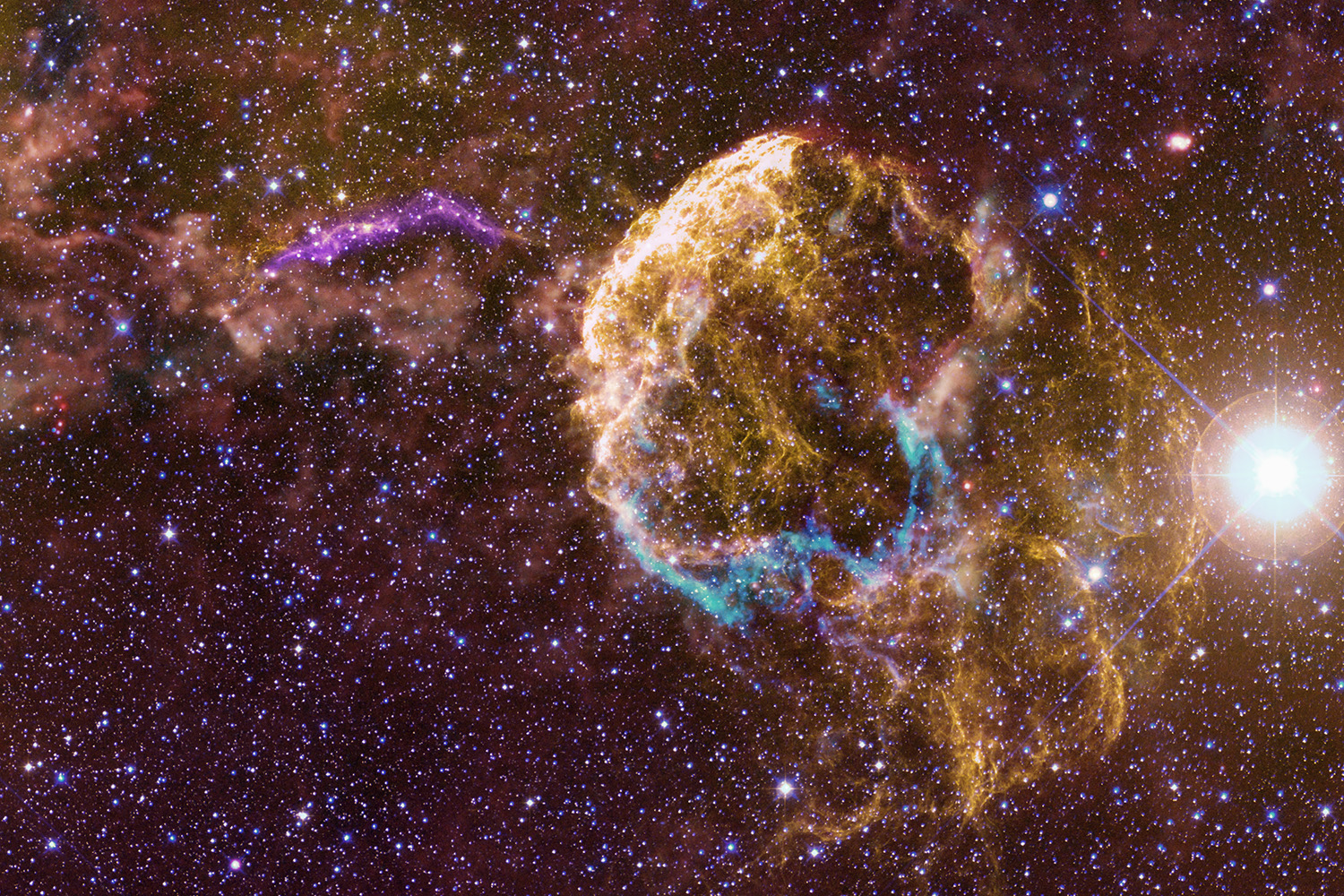
Researchers uncover evidence for sibling supernovas
Research
Physicists have identified possible remnants of two exploded stars that were once paired before they each blew up.

How SLAC is powering America’s AI science transformation
News
The lab’s breakthrough facilities and unprecedented datasets make it a key partner in the DOE’s Genesis Mission, a national effort to double scientific productivity within a decade.
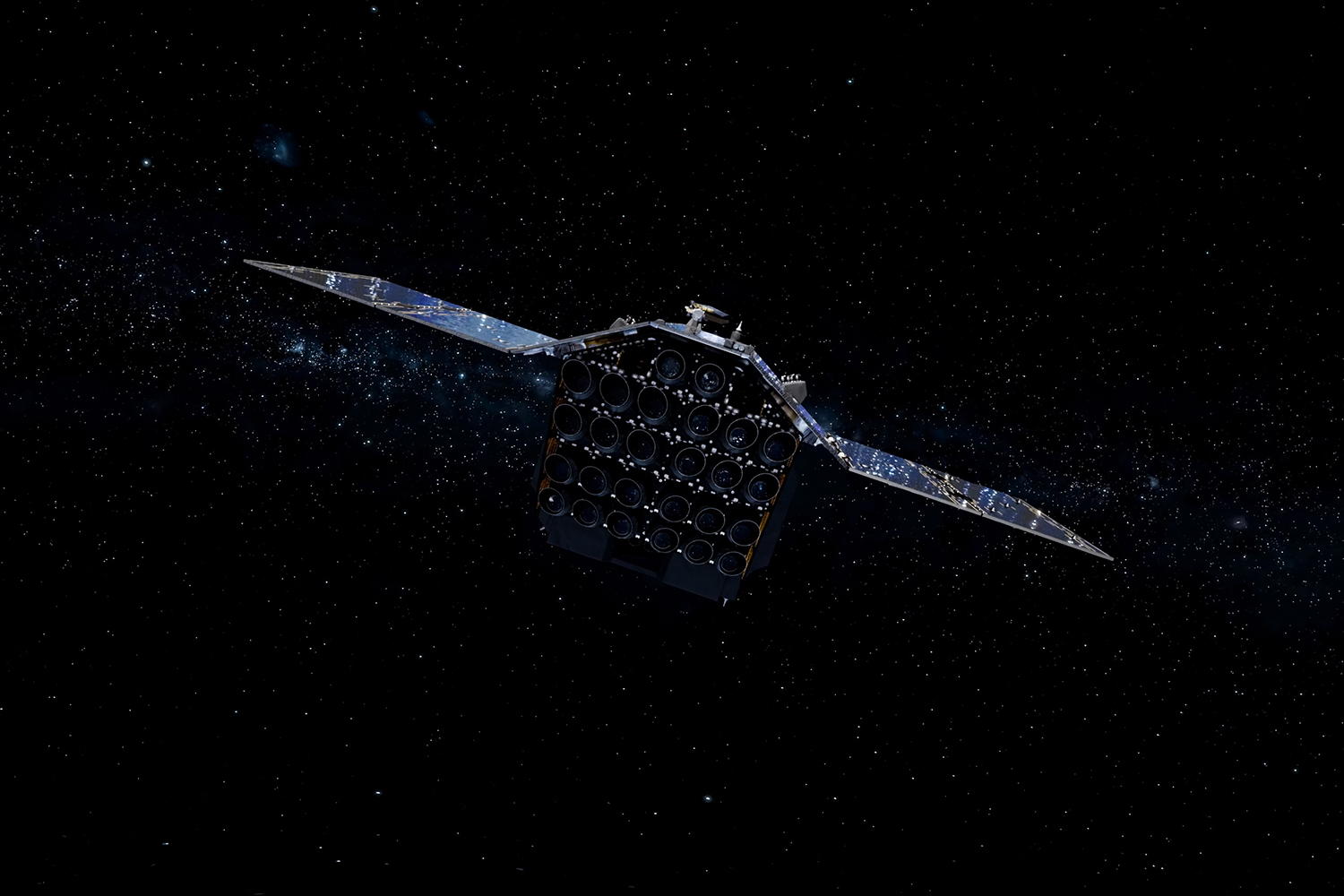
New model refines search for habitable planets
News
Researchers have developed the Smaller Than Earth Habitability Model (STEHM) to assess which planets can maintain life-supporting atmospheres, focusing on size and atmospheric dynamics.
How the Rubin Observatory maps the universe every night
Video
NSF–DOE Vera C. Rubin Observatory will run the Legacy Survey of Space and Time (LSST) and build a 10-year time-lapse of the entire southern sky. Find out what goes into unlocking the cosmic data.
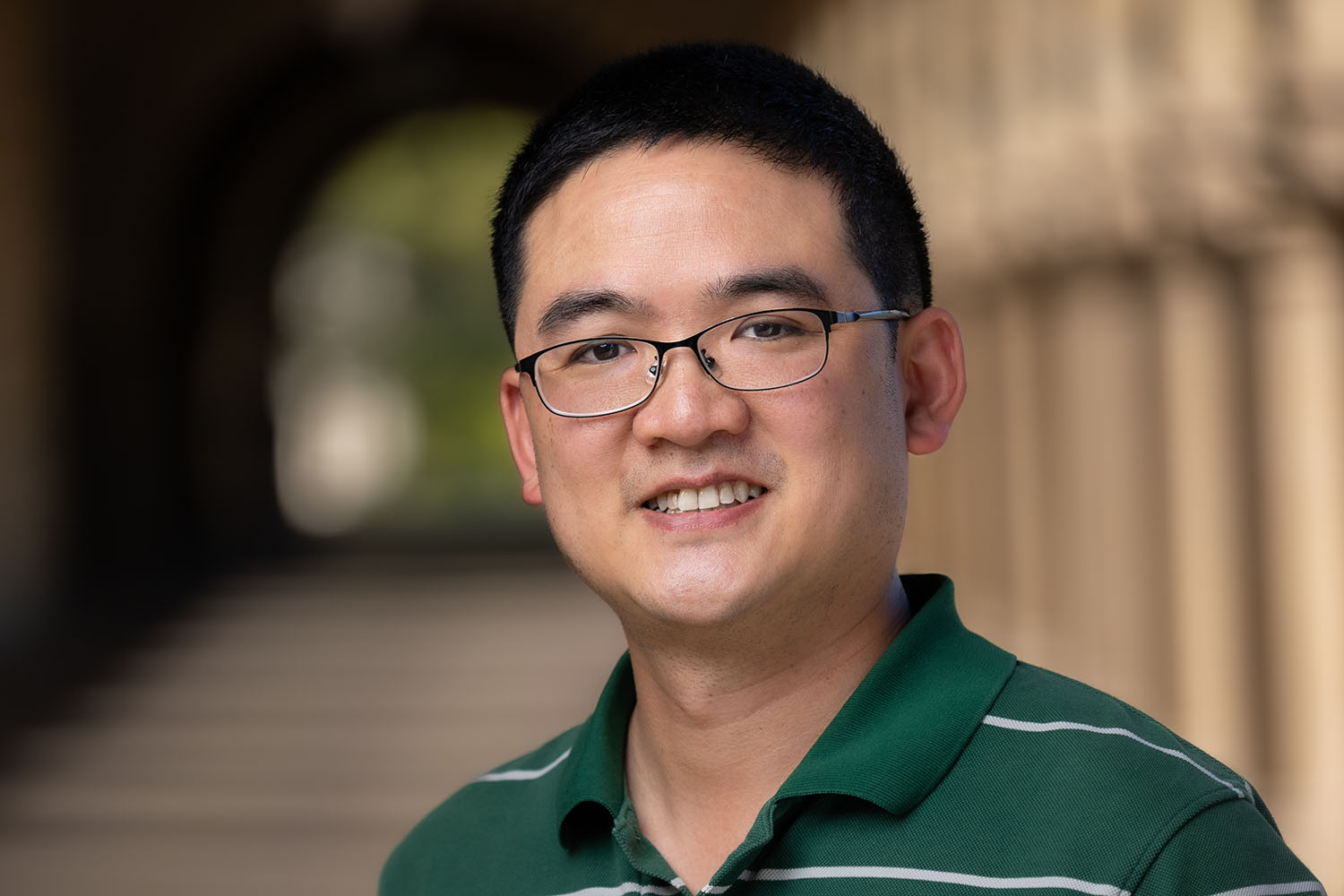
Jonathan Luk tackles the mathematics of black holes
News
The Stanford mathematician’s black hole research is opening up new questions about Einstein’s theory of general relativity and the nature of the universe.
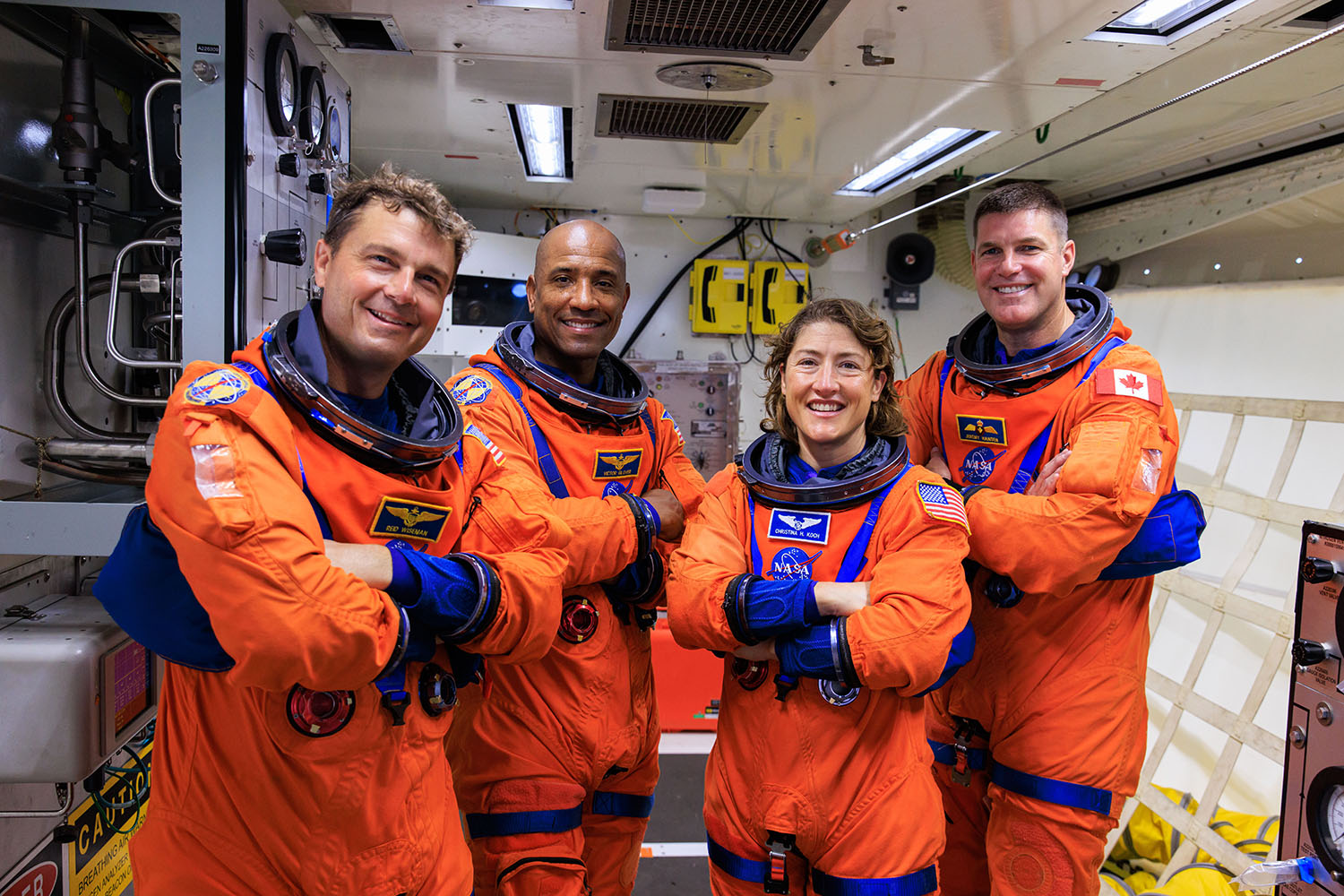
What it takes to keep astronauts safe in deep space
Q&A
The Artemis II mission launches this week as a first step toward returning to the moon and reaching Mars. Materials scientist Debbie Senesky explains the material tech that makes these missions possible.
Rubin Observatory launches real-time alerts for night sky monitoring
Research
NSF-DOE Rubin Observatory’s rapid monitoring of supernovae, asteroids, and other astronomical events marks a historic milestone in astrophysics.