


Physics advance could improve how AI remembers and learns
News
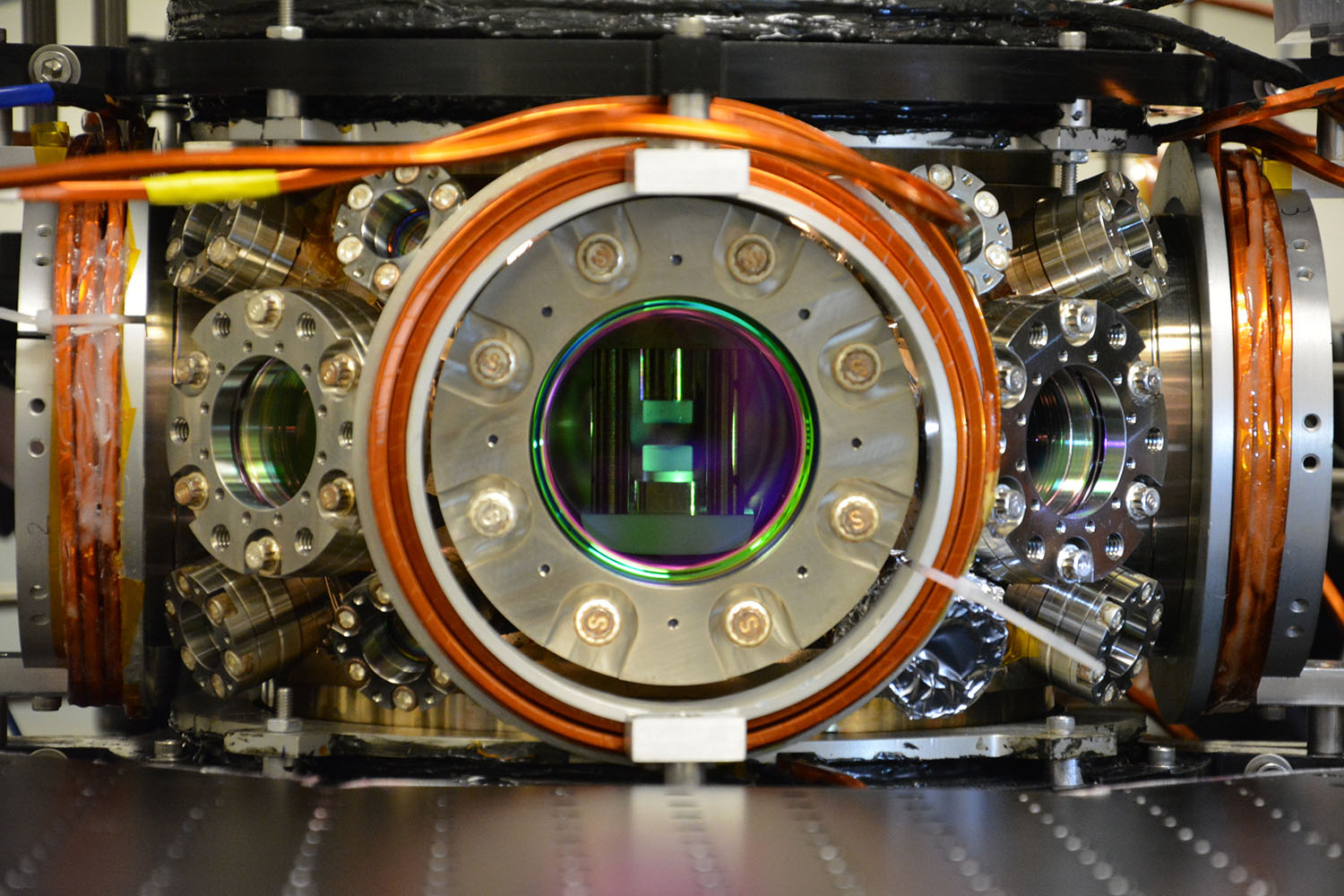
A Stanford-led team has created a new type of spin glass made of atoms and photons and used it to increase the memory capacity of simple artificial intelligence systems.
Scientists spot a possible dark matter signal
News
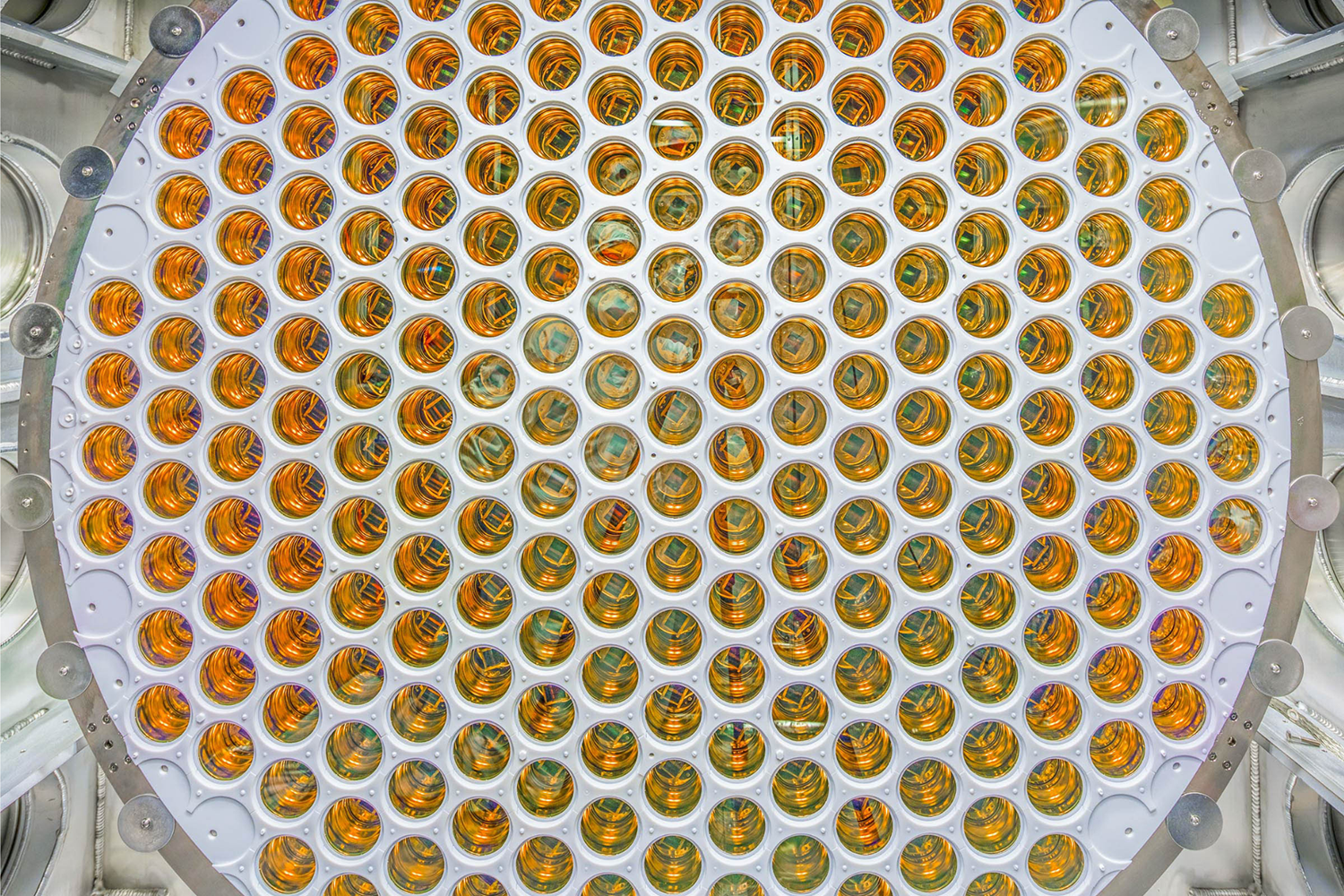
A world-leading dark matter detector observed a rare particle interaction that may represent dark matter, the invisible substance comprising most of the universe’s mass.
Scientists hunt for dark matter deep underground
Research
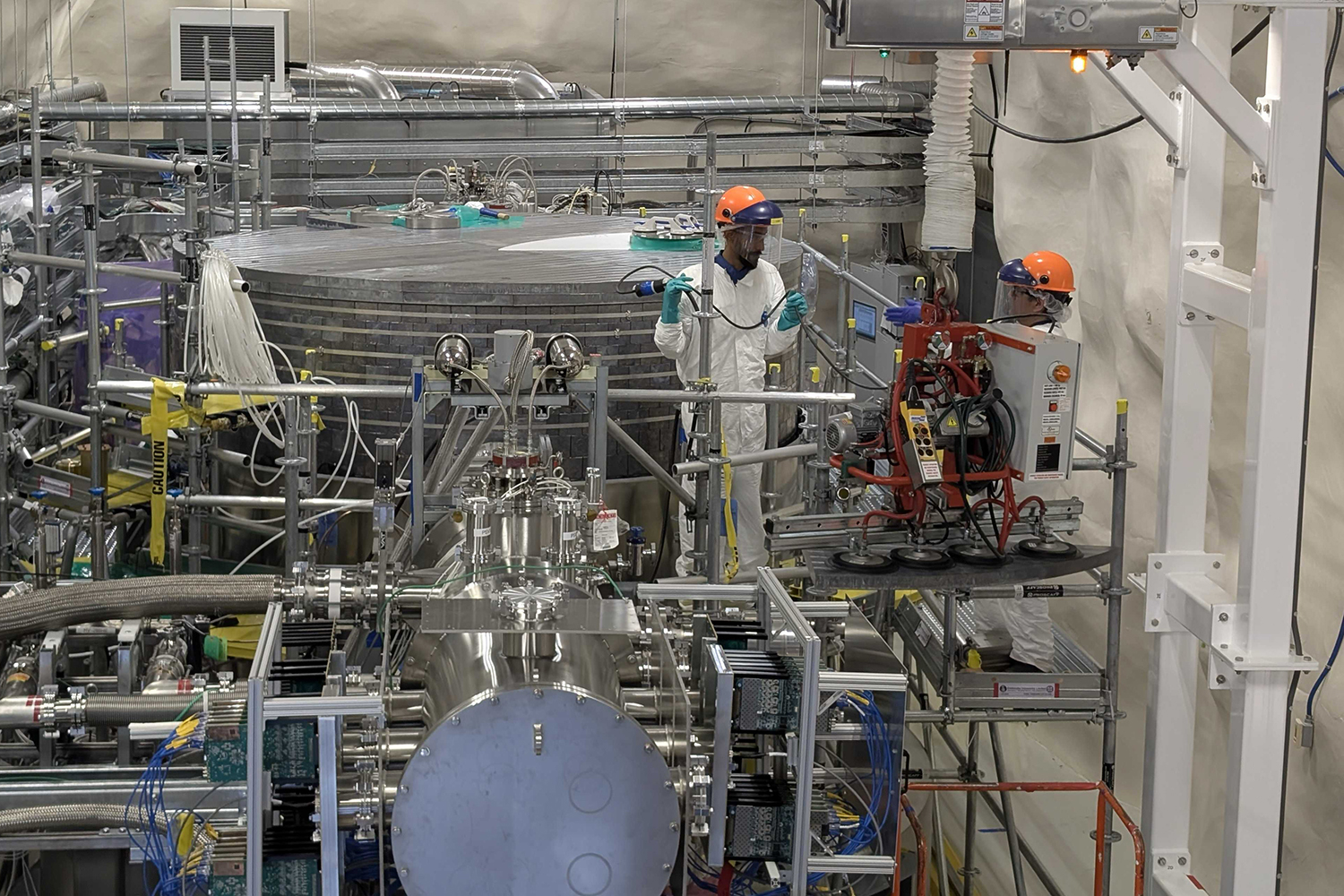
A SLAC-led experiment more than a mile beneath a Canadian mine has begun collecting early scientific data ahead of a full-sensitivity search next year.
Researchers make movie of the first steps in a chemical reaction
Research
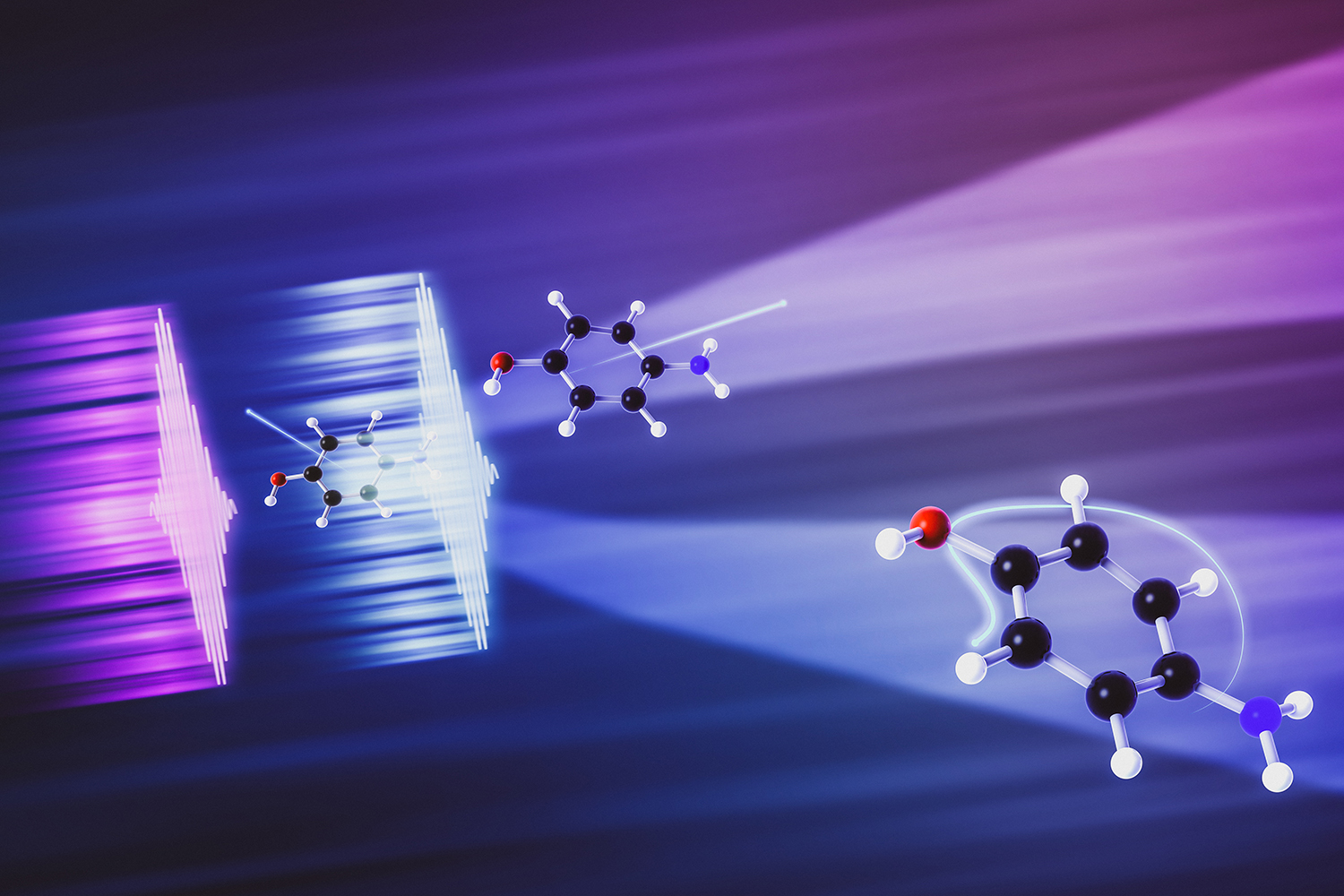
Using ultra-fast X-ray flashes, SLAC scientists have captured the split-second movements that kick off the making and breaking of chemical bonds.
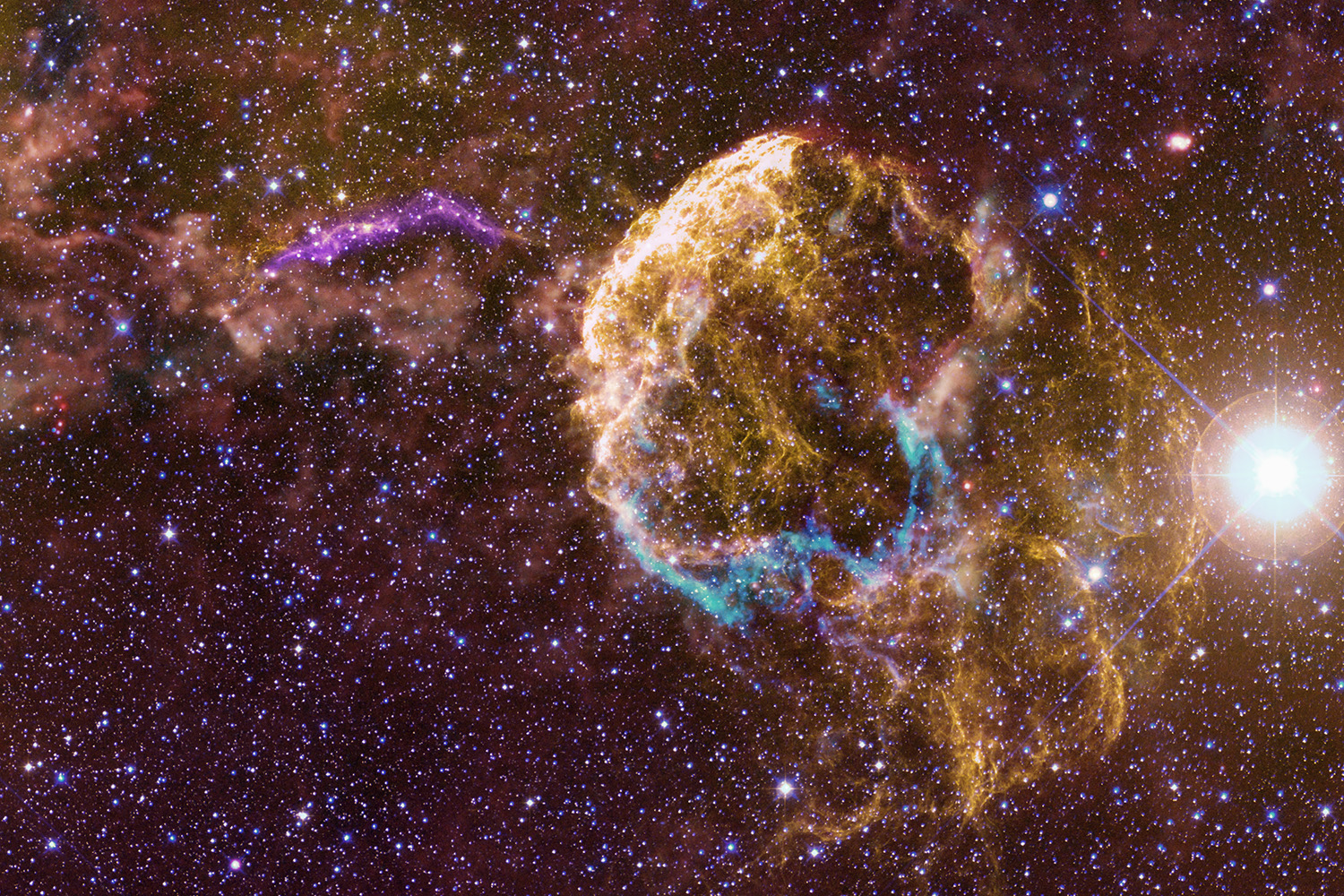
Researchers uncover evidence for sibling supernovas
Research
Physicists have identified possible remnants of two exploded stars that were once paired before they each blew up.
Jonathan Luk tackles the mathematics of black holes
News
The Stanford mathematician’s black hole research is opening up new questions about Einstein’s theory of general relativity and the nature of the universe.

Rubin Observatory launches real-time alerts for night sky monitoring
Research
NSF-DOE Rubin Observatory’s rapid monitoring of supernovae, asteroids, and other astronomical events marks a historic milestone in astrophysics.

Light-based platform sets the stage for quantum supercomputers
Research
A new “parallel interface” enables quick data extraction from quantum computers and has the potential to scale into networked quantum supercomputers.

Common crystal proves ideal for low-temperature light technology
Research
Strontium titanate’s impressive performance at extremely low temperatures positions it as a key material for advanced cryogenic devices in quantum computing and space exploration.

Three reasons why universities are crucial for understanding AI
Research
There is a “fierce urgency” to understand how artificial intelligence works, says Stanford physicist Surya Ganguli, who is leading a project to bring the inner workings of AI to light through transparent, foundational research.