


In the fall of 2021, Stanford launched a new first-year requirement for undergraduates to reflect on their place and purpose at Stanford, in society, and in the world. The program, called Civic, Liberal, and Global Education – commonly referred to as “COLLEGE” – is conceived as a year-long sequence in which students choose two courses in their first year.
Here are some Stanford Report stories from inside the COLLEGE classroom and its co-curricular programming, which includes a variety of plenary events and residence hall discussions.
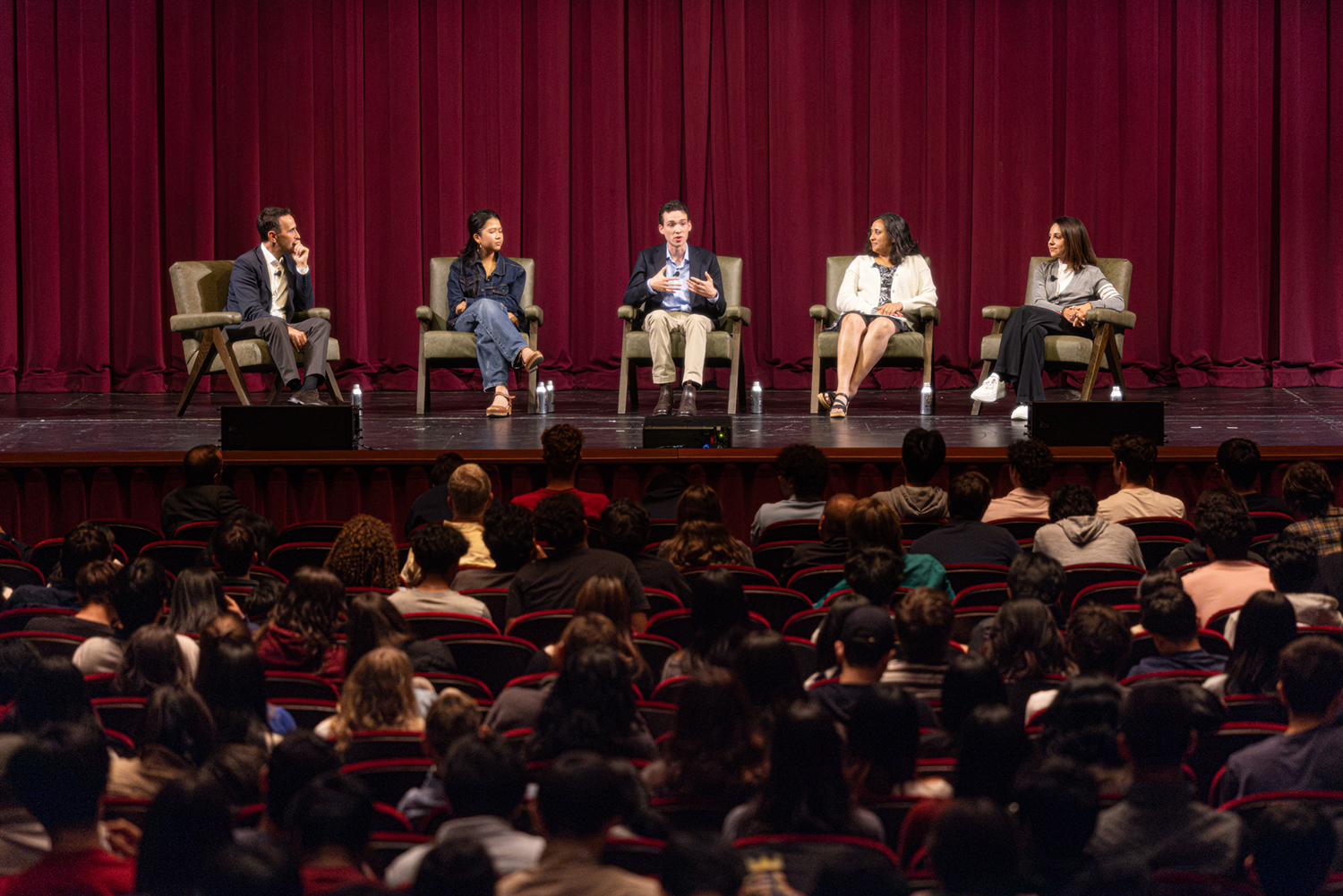
‘Human connection is the centerpiece of our condition’
Event
At a panel for Why College? Your Education and the Good Life, students and campus leaders explored how choices about time, learning, and relationships can shape a life well lived.
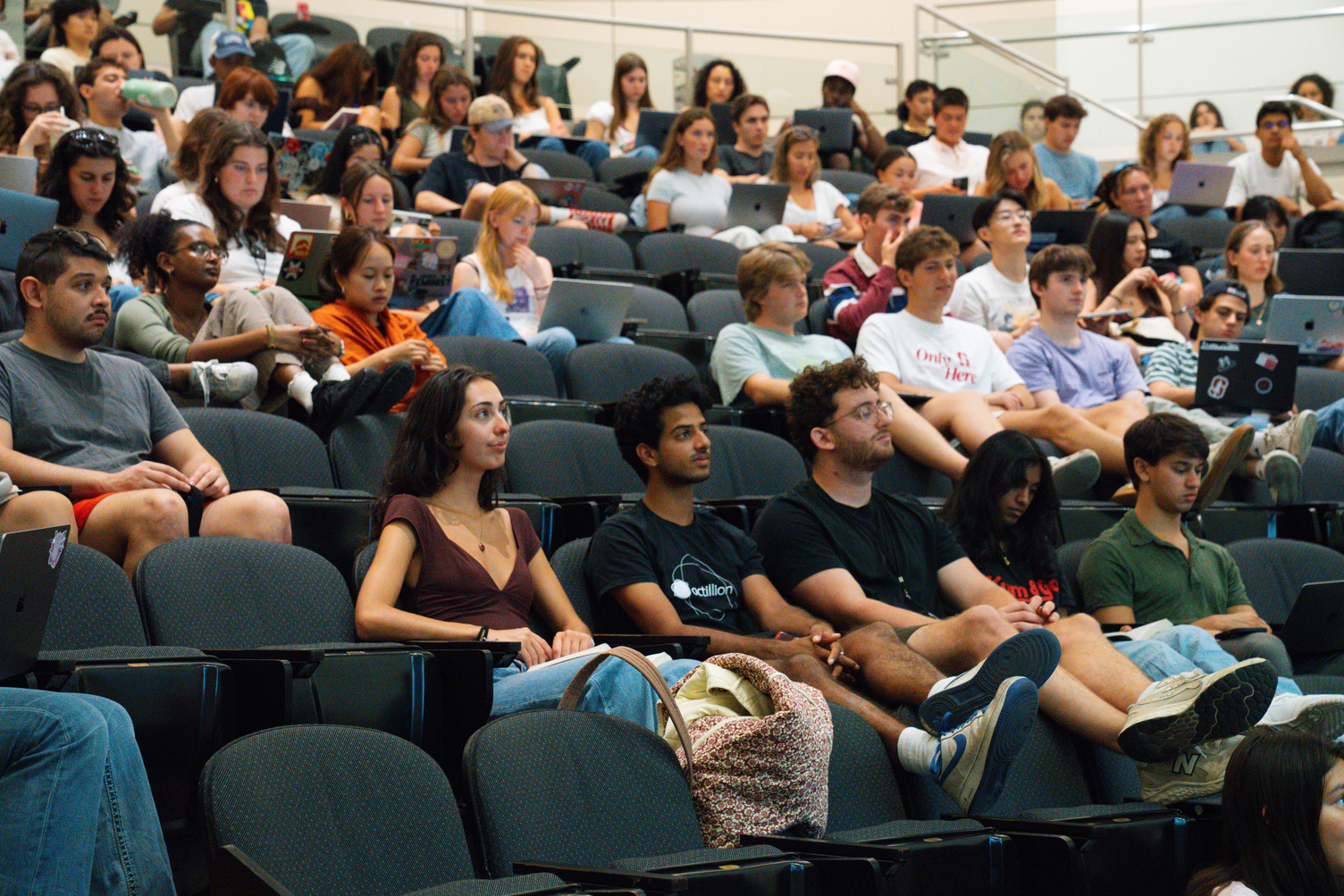
New undergraduate minor launches in civic thought and practice
News
Building on the first-year course COLLEGE 102: Citizenship in the 21st Century, the minor is open to students of all majors and encourages discussion of contentious issues facing democratic societies.
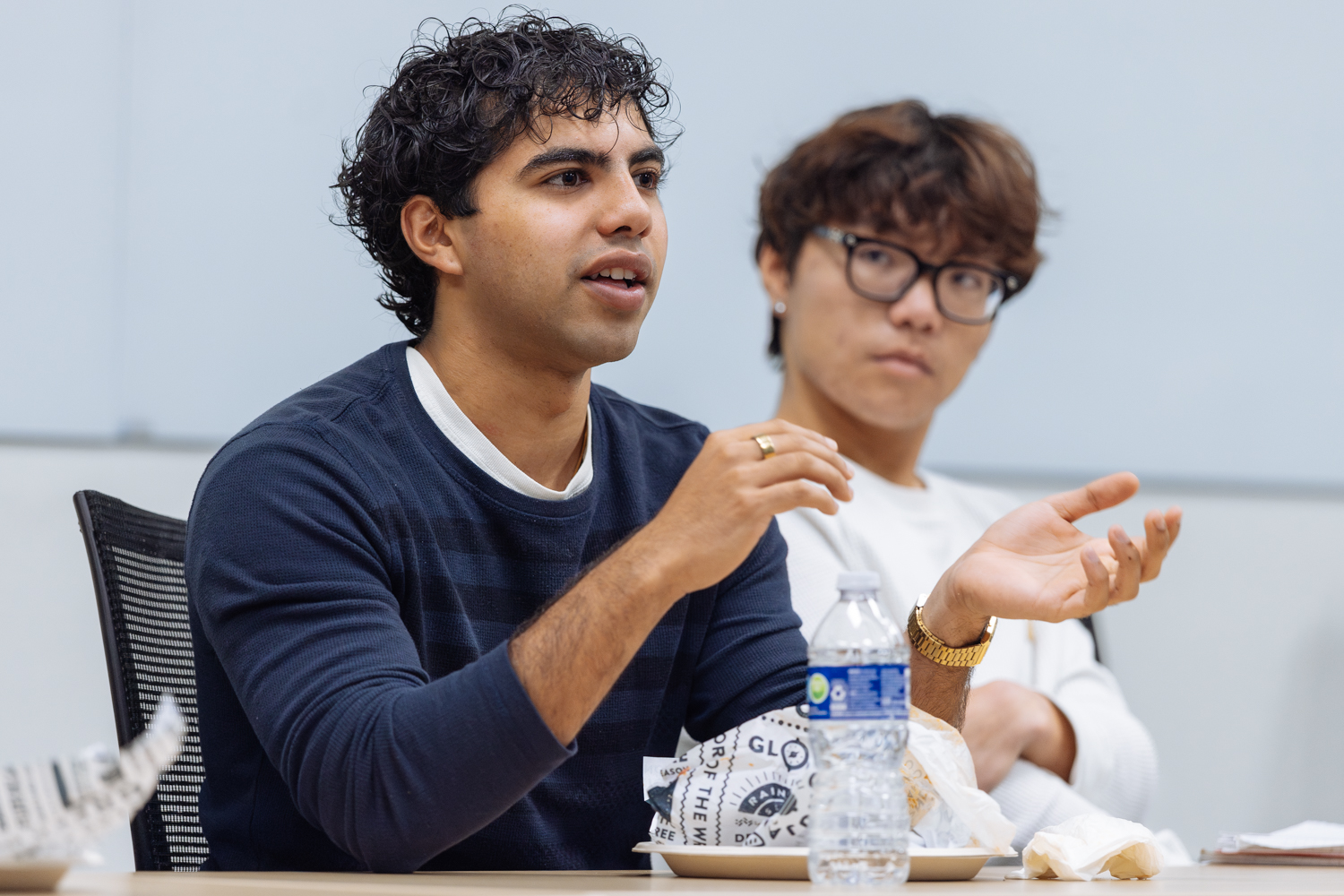
‘You can’t outsource critical thinking’
News
In COLLEGE 102, students drafted essays, styled as policy memos, on AI in the classroom. The winning proposal addressed the tension between AI’s capabilities and the need for critical thinking.
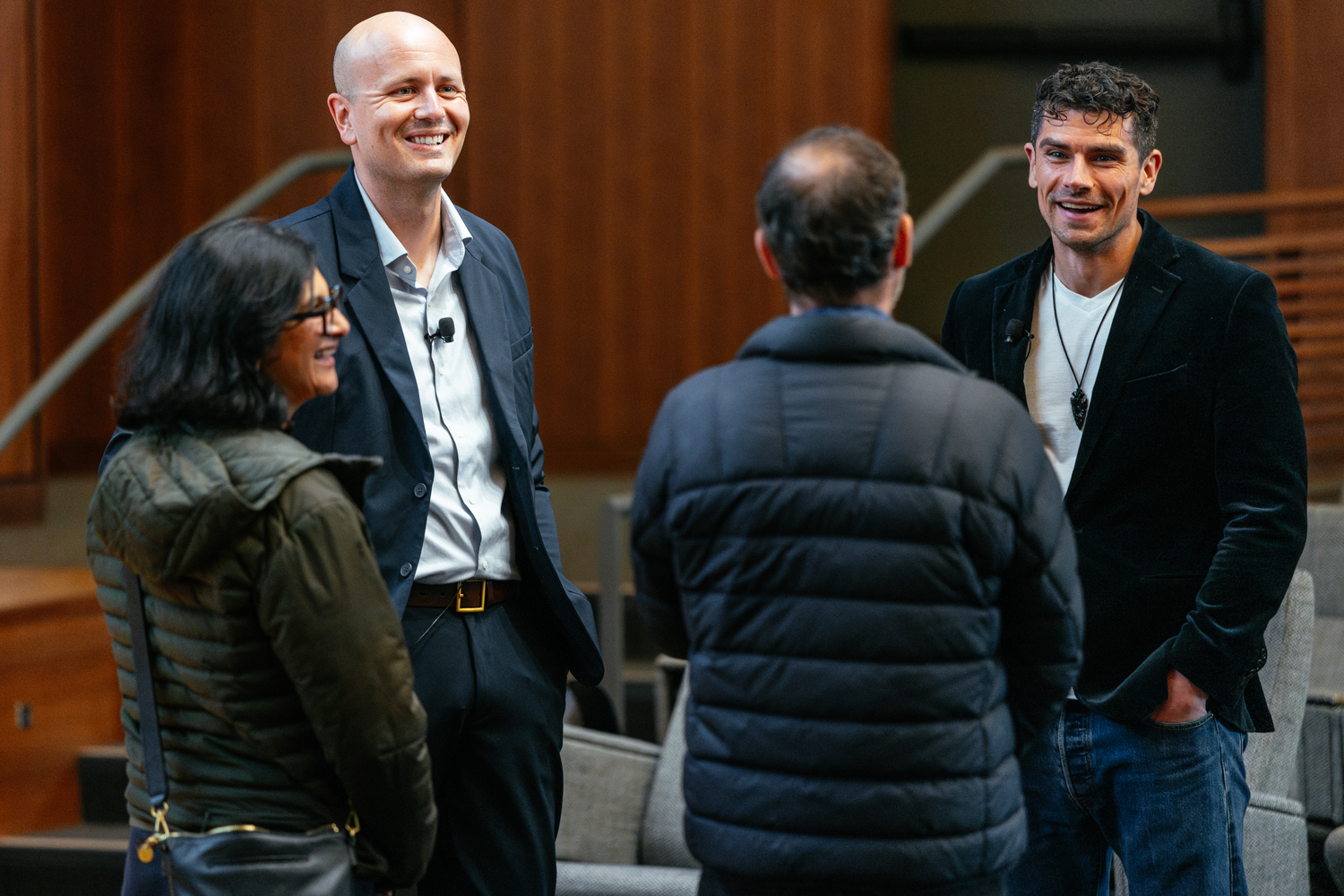
Why democracy may be our best defense against collapse
Event
At a COLLEGE event, Cambridge researcher Luke Kemp argued that ordinary people should have more say over the technologies shaping their future.
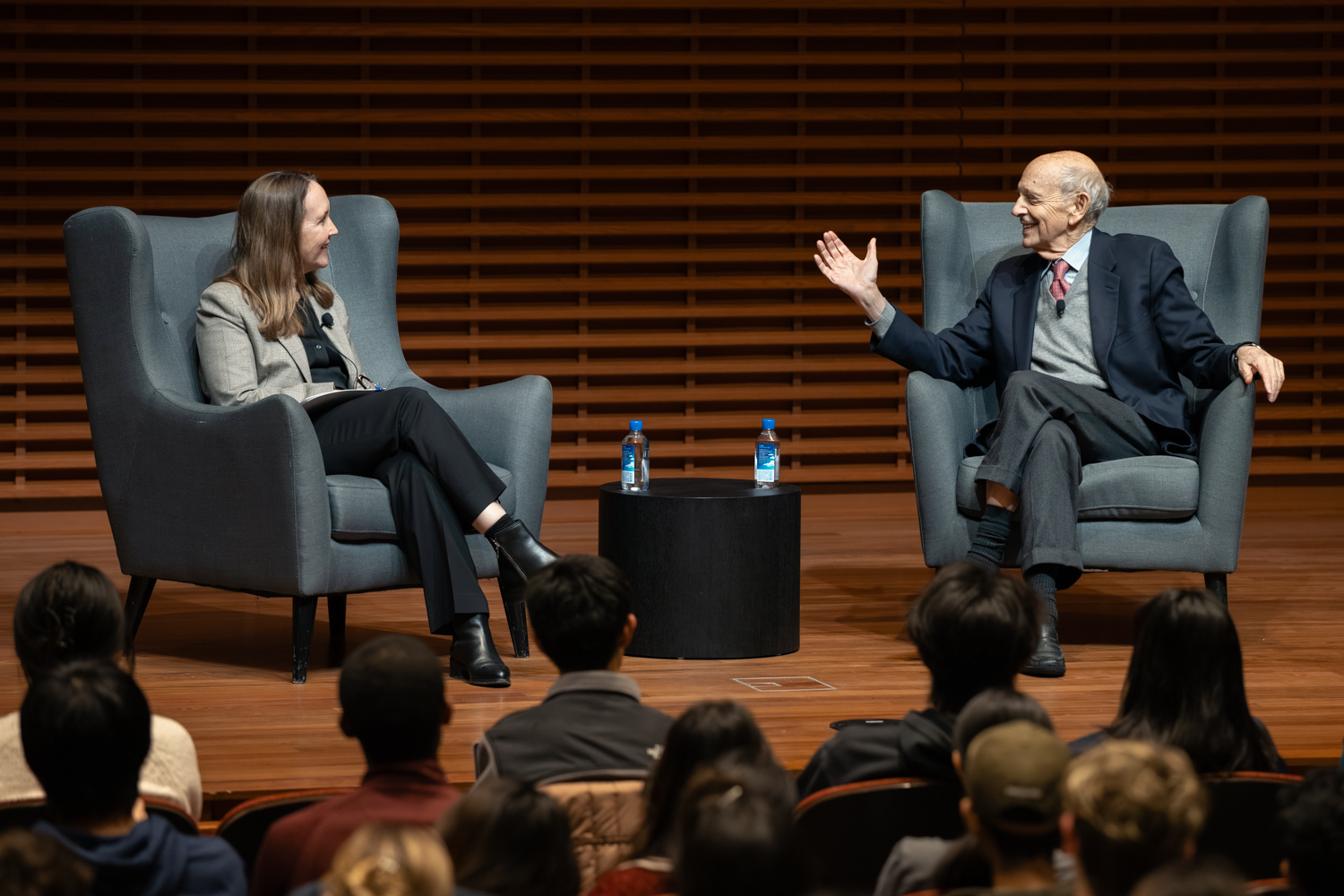
Justice Breyer urges students to stay engaged in democracy
Event
In talks from a packed campus forum to a discussion in a student residence hall, retired Supreme Court Justice Stephen Breyer emphasized the importance of civic involvement and listening across differences.

Course helps students put pluralism into practice
News
In Citizenship in the 21st Century, Stanford undergraduates broadened their perspective by engaging across political differences.
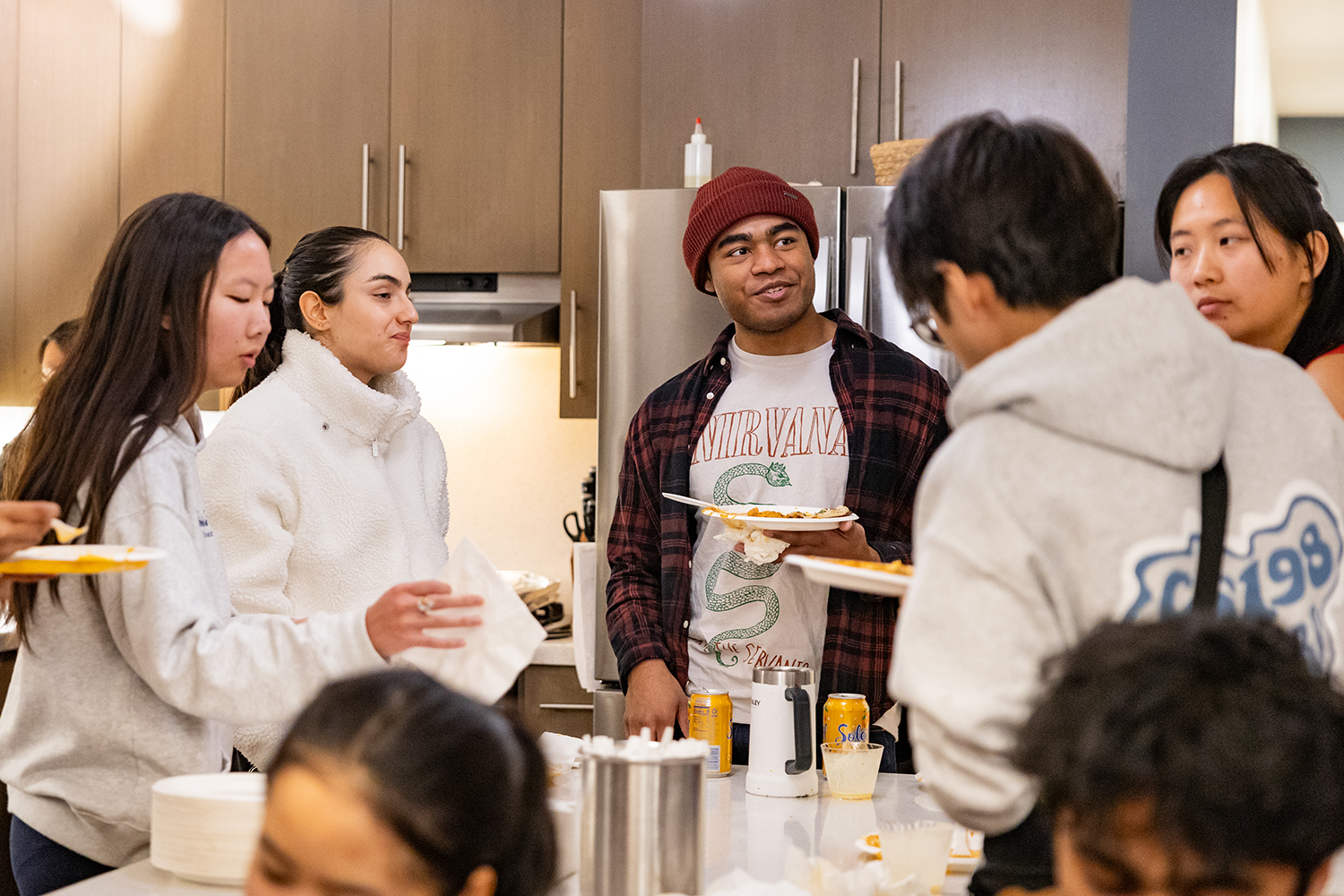
‘Civic Salons’ engage students on complex issues
News
A series of informal conversations in residence halls during winter quarter offered undergraduates an opportunity to discuss some of society’s most pressing challenges.
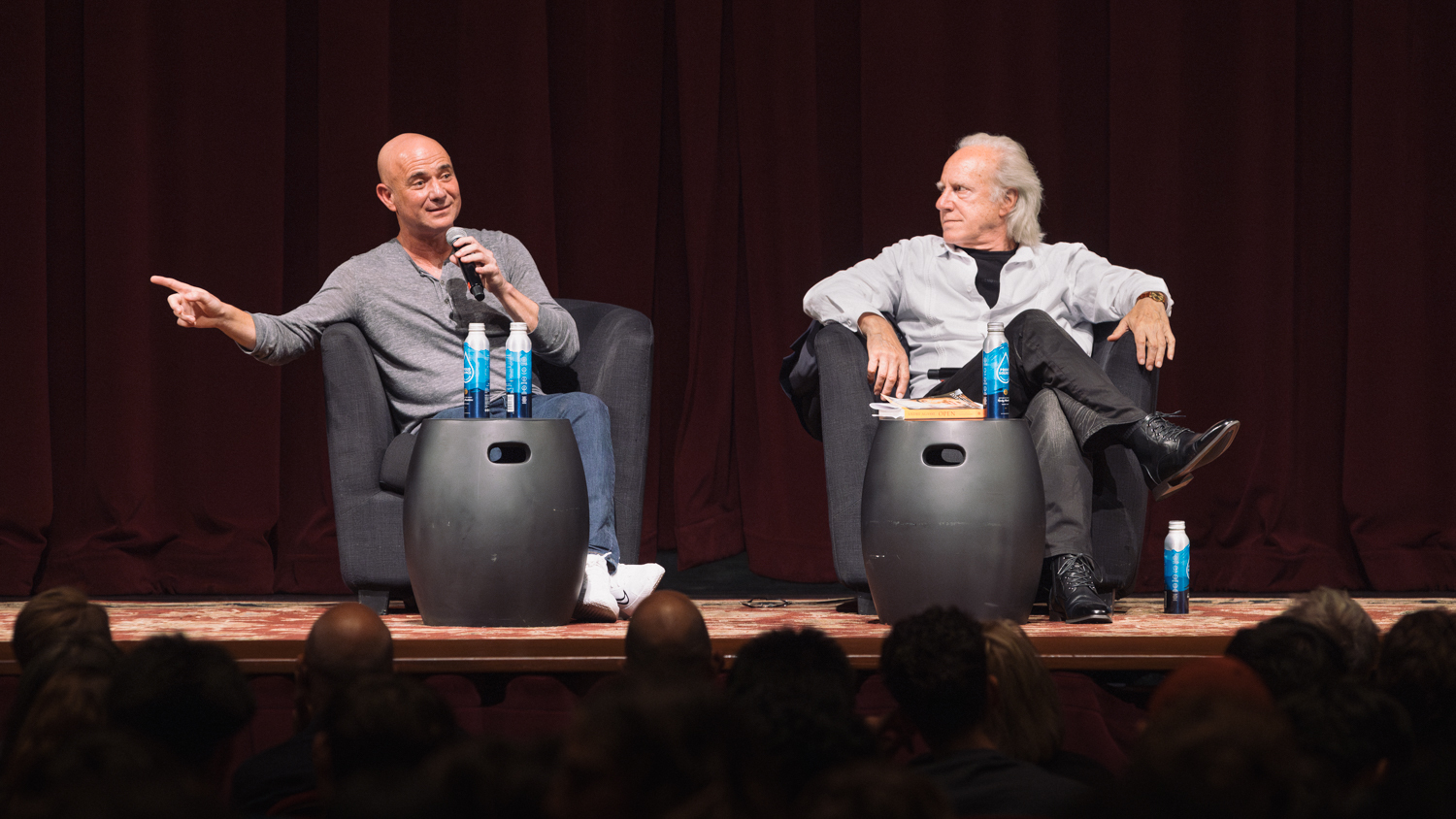
Andre Agassi on finding purpose and redefining excellence
Event
The tennis legend and author of “Open,” one of this year’s Three Books program selections, spoke to students Tuesday night about his path to success and making sense of the “many contradictions I had in my heart and mind.”
Envisioning the future through a sci-fi lens
Feature
What’s in store for our technology-driven society? In a spring quarter course, students looked to fictional utopias and dystopias to consider their own agency in a rapidly changing world.

COLLEGE takes students on a journey of discovery
News
COLLEGE, Stanford’s newly restructured undergraduate requirement program, invites students to be curious about ideas in the world – but also about themselves and each other.