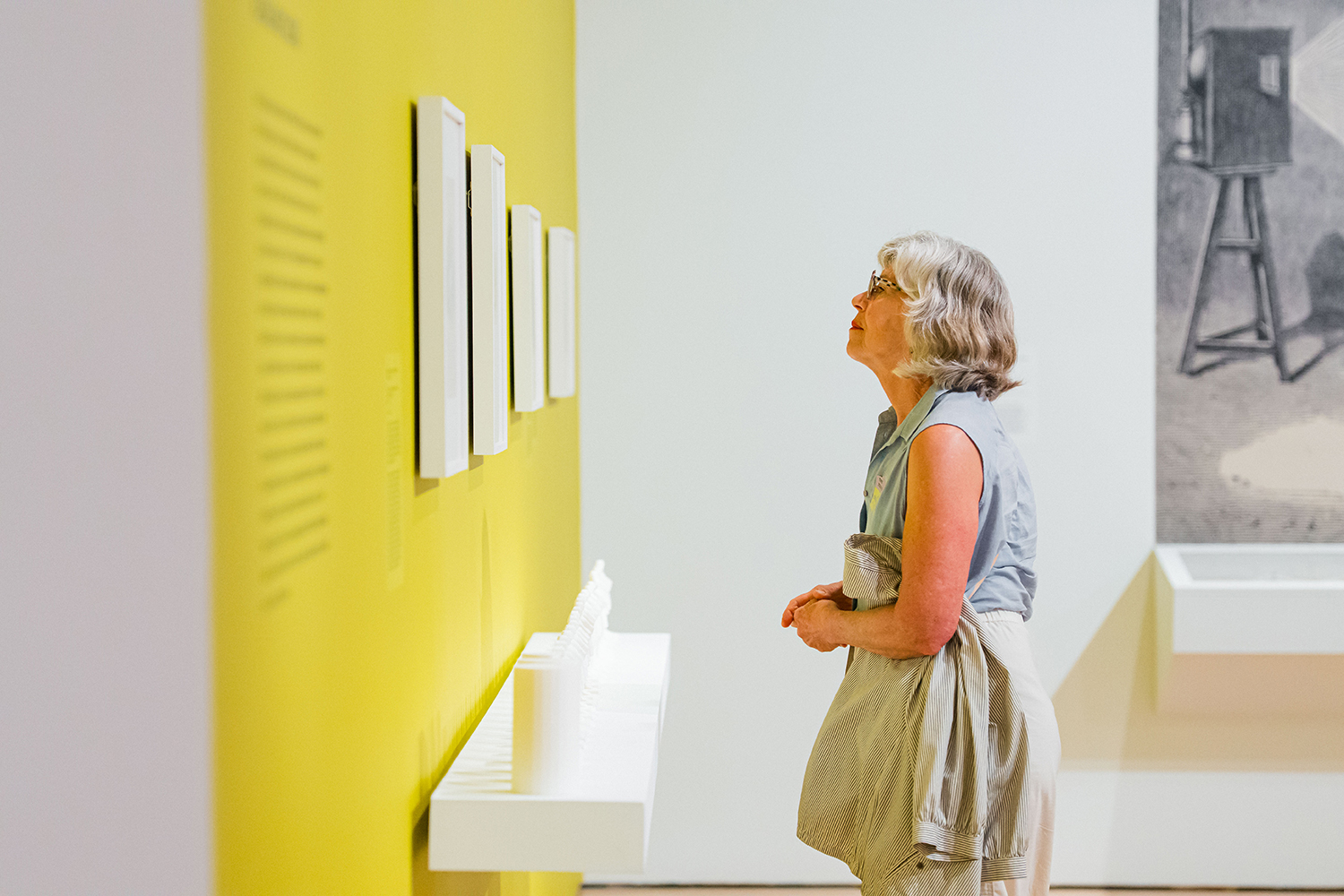
Many artists and inventors become known because of their ability to innovate in ways that meet the moment. But what about those whose innovations came before their time?
Solid Pictures, now on view at the Cantor Arts Center, celebrates photosculpture, a practice that failed commercially soon after its creation in 1859 but is now recognized as a precursor to modern-day 3D printing.
“The main hero of the show is the inventor of the process, Francois Willème,” said Patrick Crowley, associate curator of European art at the Cantor, who curated the show. “So the vast majority of the objects in the show are made by his studio.”
With 60 pieces including sculptures, photo negatives, and short films, Solid Pictures explores the relationship between art and technology through Willème’s invention and those that came after. The show also features contemporary artists who create works at the intersection of art, tools, and functionality.
“Willème wasn’t a very good painter, and he was just an okay sculptor. But he had this really brilliant idea, and there’s something about being so far ahead of your time,” Crowley said.
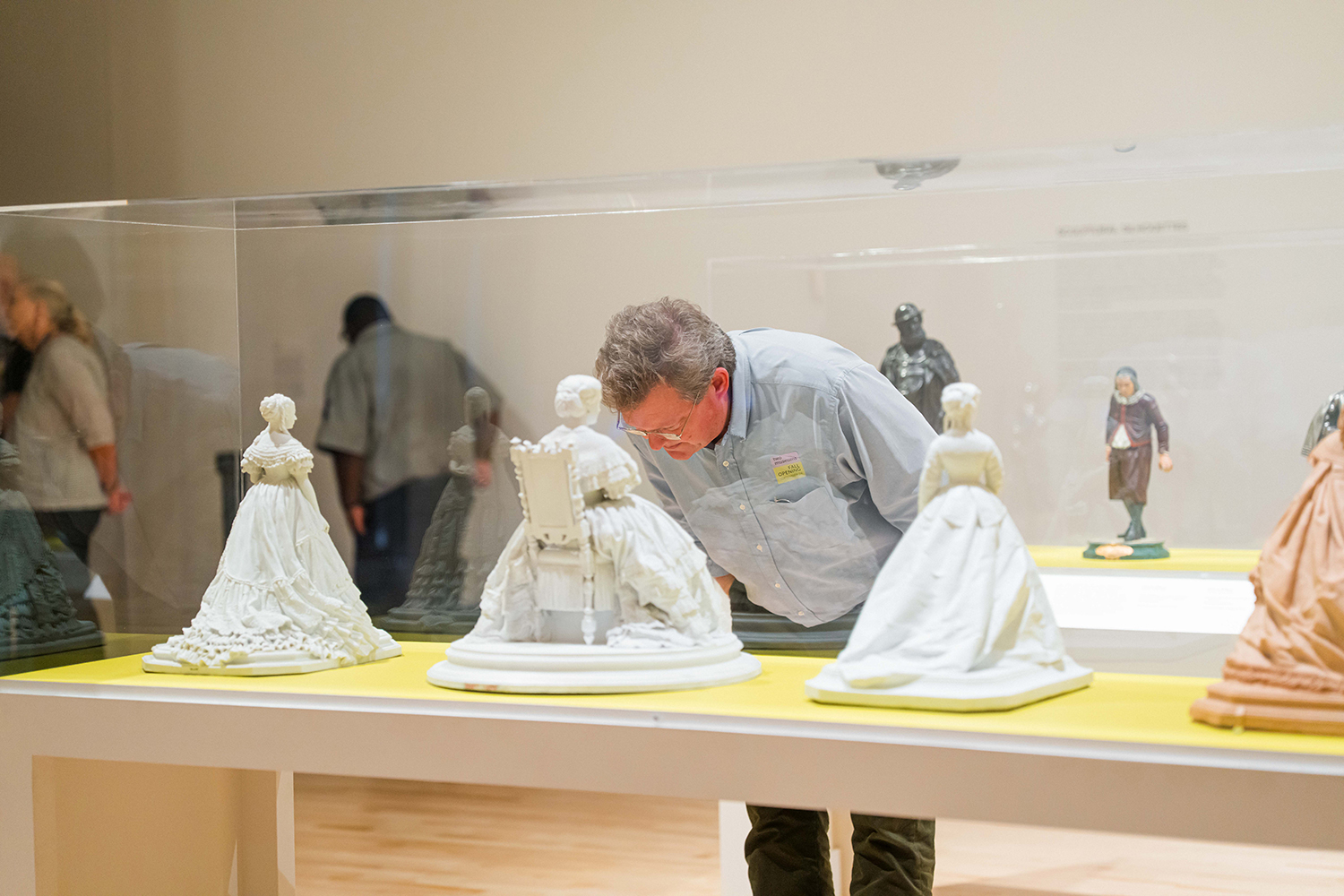
Hyperrealistic 19th-century figures made of wood, porcelain, and terracotta are among the 60 works in “Solid Pictures.” | Harrison Truong
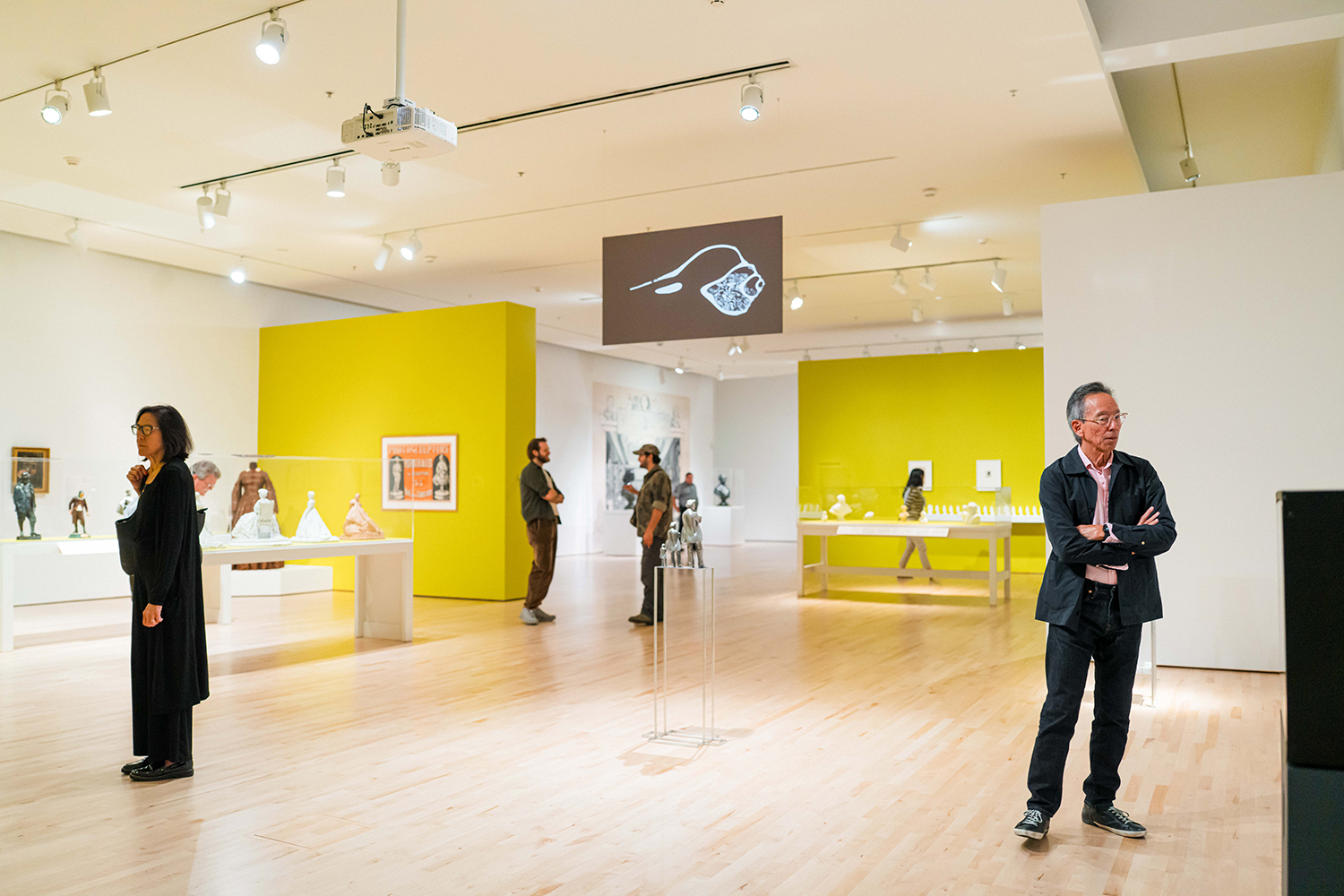
“The main hero of the show is the inventor of the process, Francois Willème,” said the show's curator, Patrick Crowley. “So the vast majority of the objects in the show are made by his studio.” | Harrison Truong
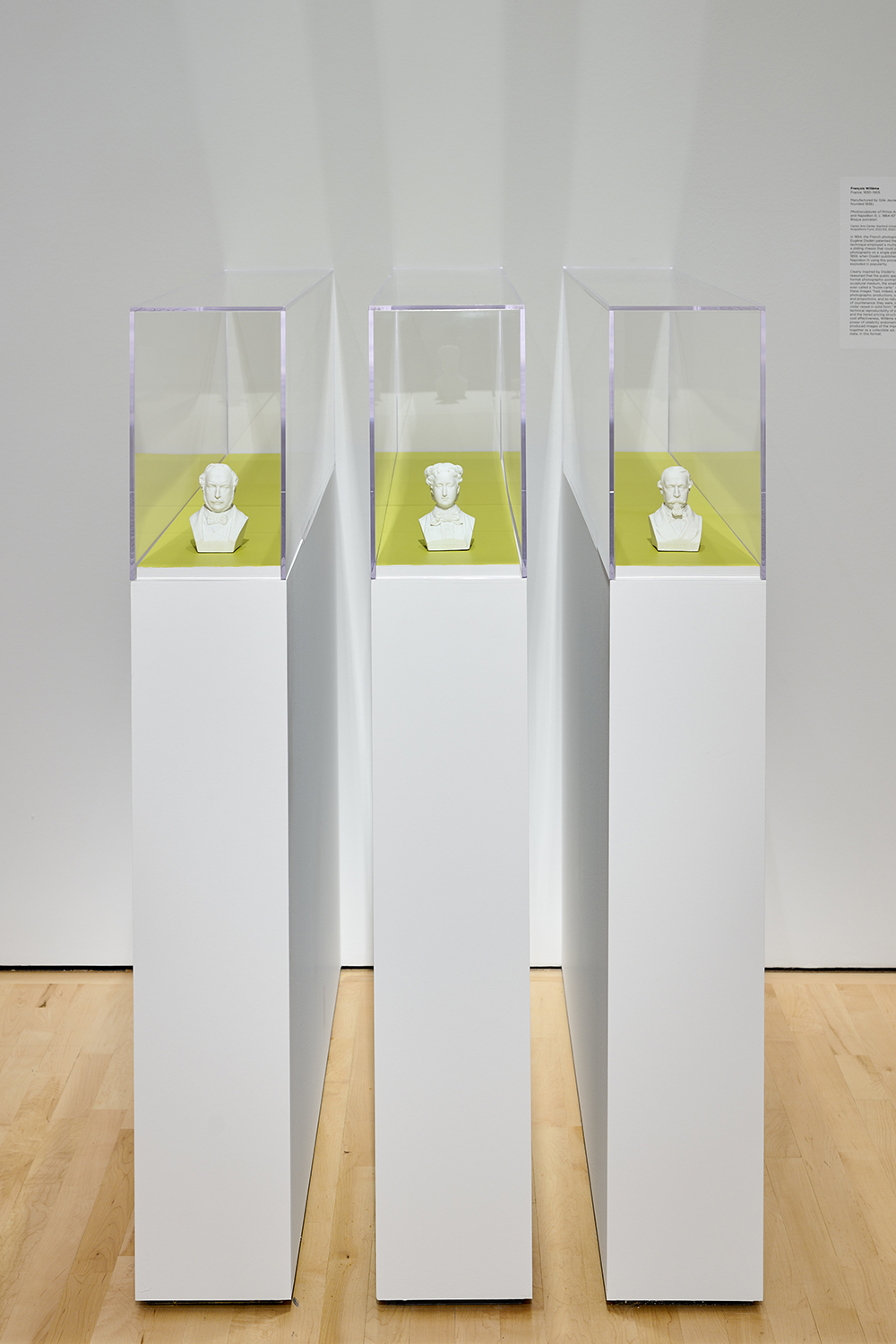
Three porcelain busts show the lifelike detail that photosculpture could capture in miniature. | Harrison Truong
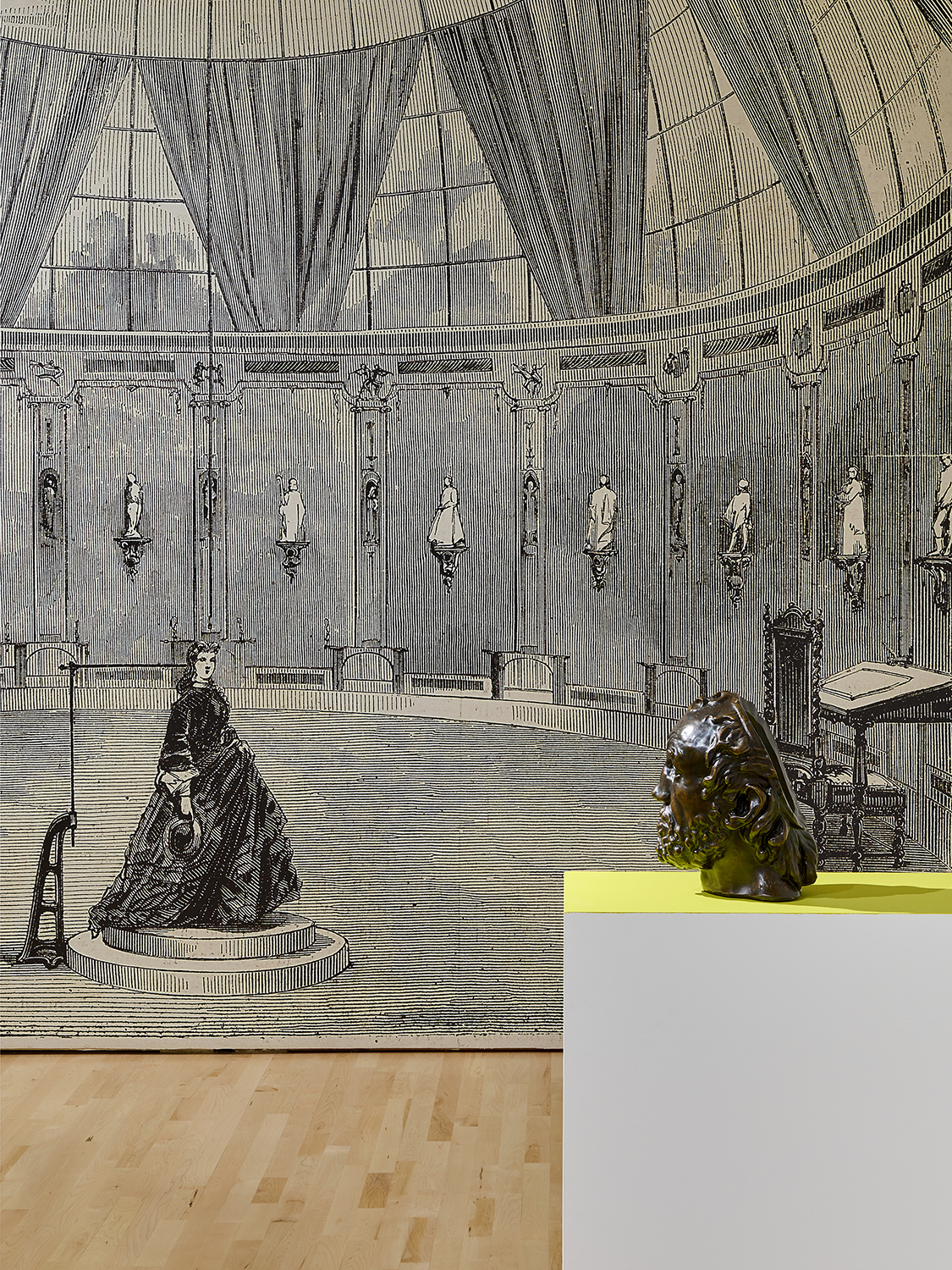
An 1864 wood engraving of the circular posing room at Prince Napoléon’s Villa Prangin in Switzerland, where cameras captured a sitter from 24 angles at once to produce the photographs that guided a sculpted likeness. | Harrison Truong
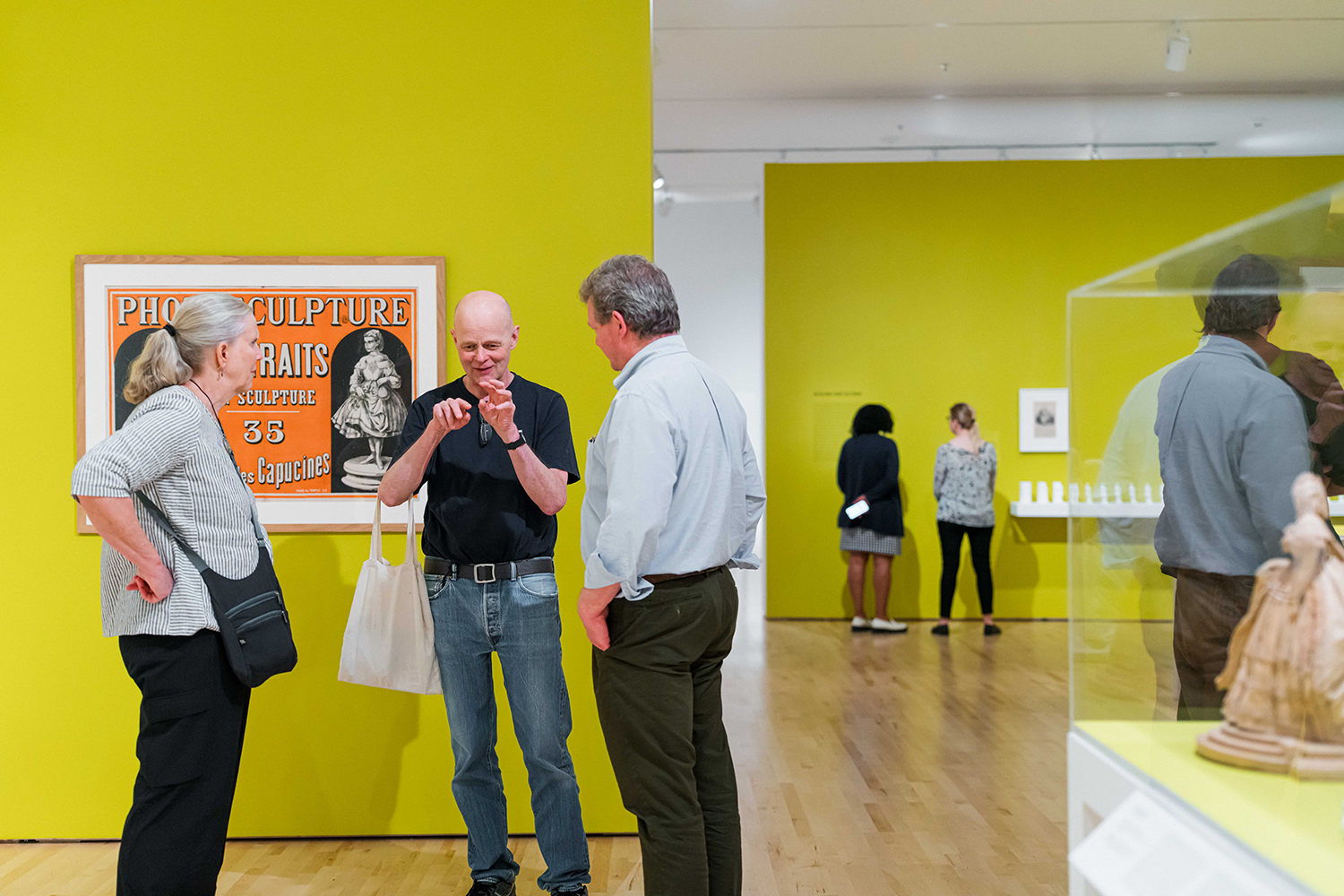
Photosculpture studios marketed themselves to the growing French middle class with advertisements like this 1866 lithograph by A. Van Geleyn. | Harrison Truong
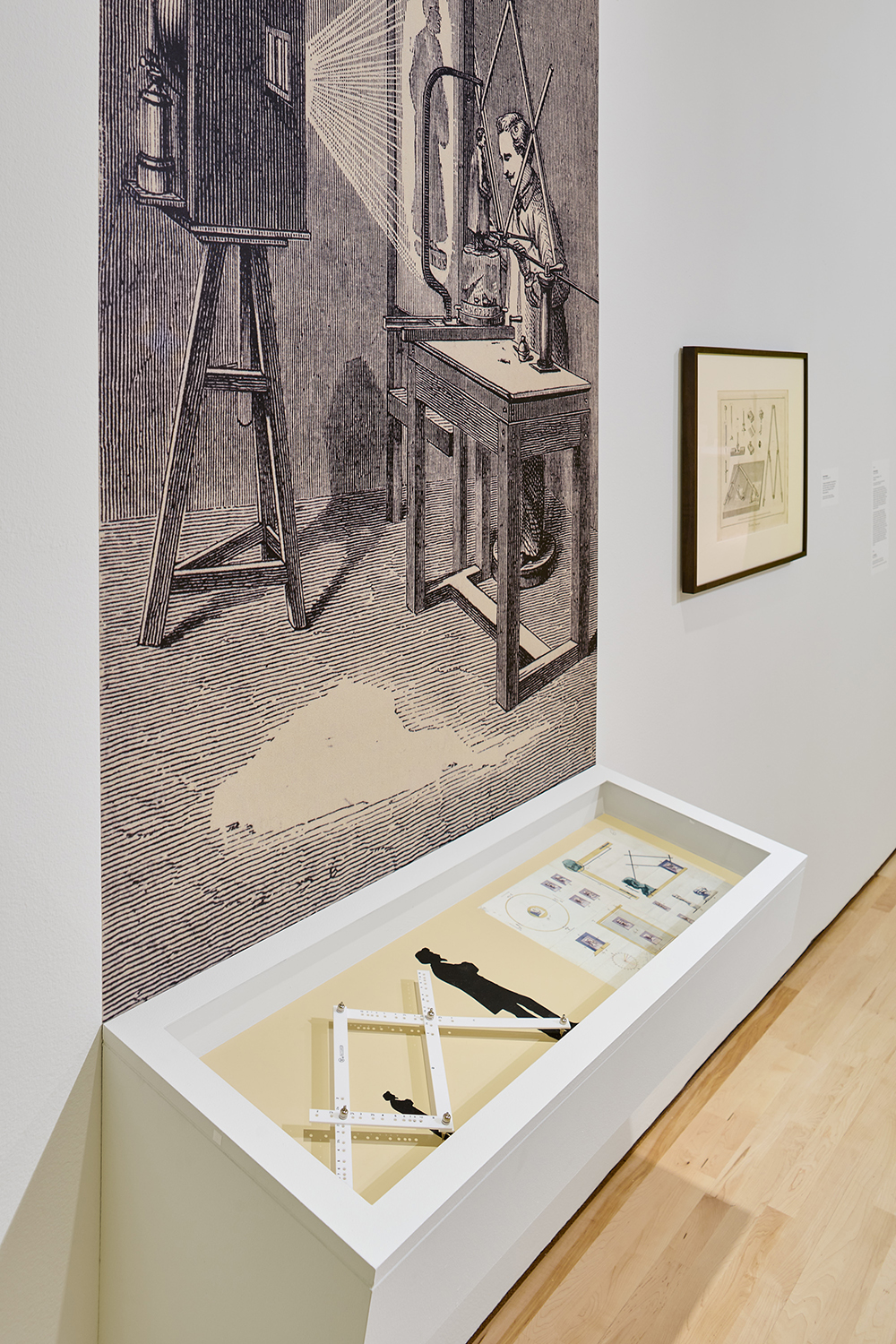
Photosculpture combined existing technologies, including photography, projection, and mechanical instruments, to turn photo negatives into three-dimensional portraits. | Harrison Truong
A commercial failure
When Willème first conceived of photosculpture, a process that involved using projection technology and mechanical instruments to convert photographic negatives into three-dimensional portraits, his target consumer base was the growing 19th-century French middle class.
“At first he was trying to capitalize on the success of cartes de visite, these little photographs you could trade with family and friends, or put in an album,” Crowley said. “Through photosculpture he could make miniature busts of people, and I think there was just limited appetite for that at the time.”
Crowley said the small, hyperrealistic figures were perhaps a bit too lifelike for art collectors who preferred more stylized versions of themselves. And some questionable business decisions around the technology didn’t help.
“They were selling the patent in other countries, opening up branch studios, and there were legal challenges,” he said. “By 1867, the business had gone belly up.”
A step toward future fabrication
Despite photosculpture’s cool reception in the 1860s, it’s clear Willème was onto something.
“Photosculpture has so many resonances with a lot of modern technologies like scanning and machine printing,” Crowley said. “What’s fascinating is that Willème didn’t actually invent any one new particular device, he took existing technologies and put them into a novel configuration.”
The exhibition echoes the theme of combining old and new, with the tiny 19th-century figures presented in sleek modern display cases that wouldn’t be out of place in an electronics showroom.
“With so much discourse about AI right now, and what is going to happen to human labor and creativity moving forward, what I hope is that the show really inspires people to ask new questions,” Crowley said.
Solid Pictures is on view in the Pigott Family Gallery of the Cantor Arts Center until Jan. 18, 2027.
Writer
Olivia Peterkin