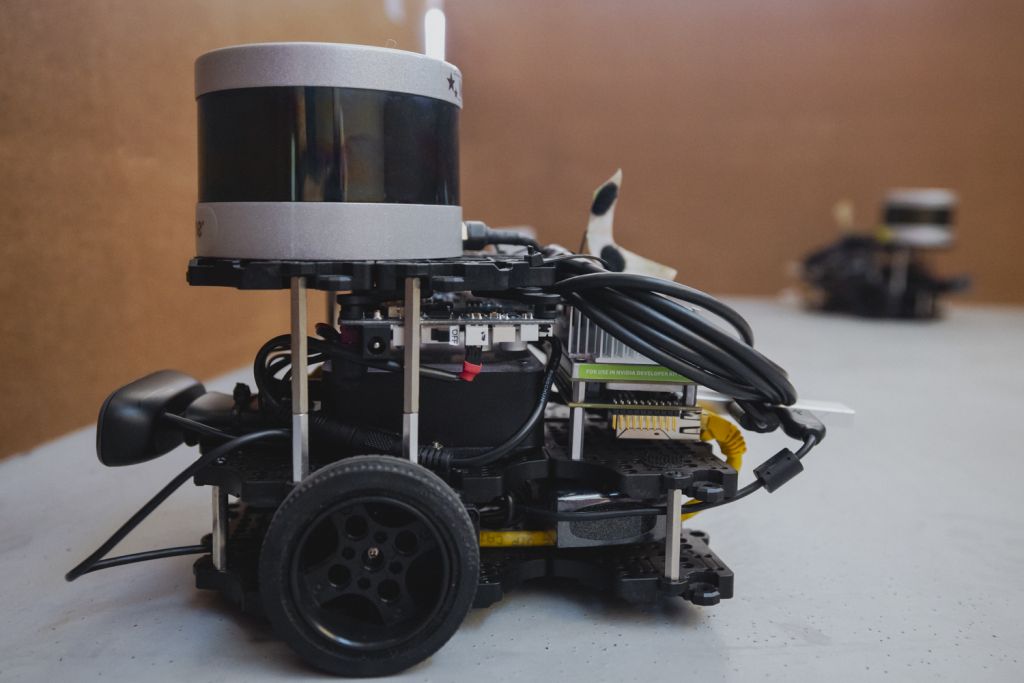
Researchers open autonomous robotics learning to the world
Science & EngineeringNews
A free online textbook, video lectures, and hands-on resources are making cutting-edge autonomy knowledge accessible to developers, researchers, and robot enthusiasts everywhere.


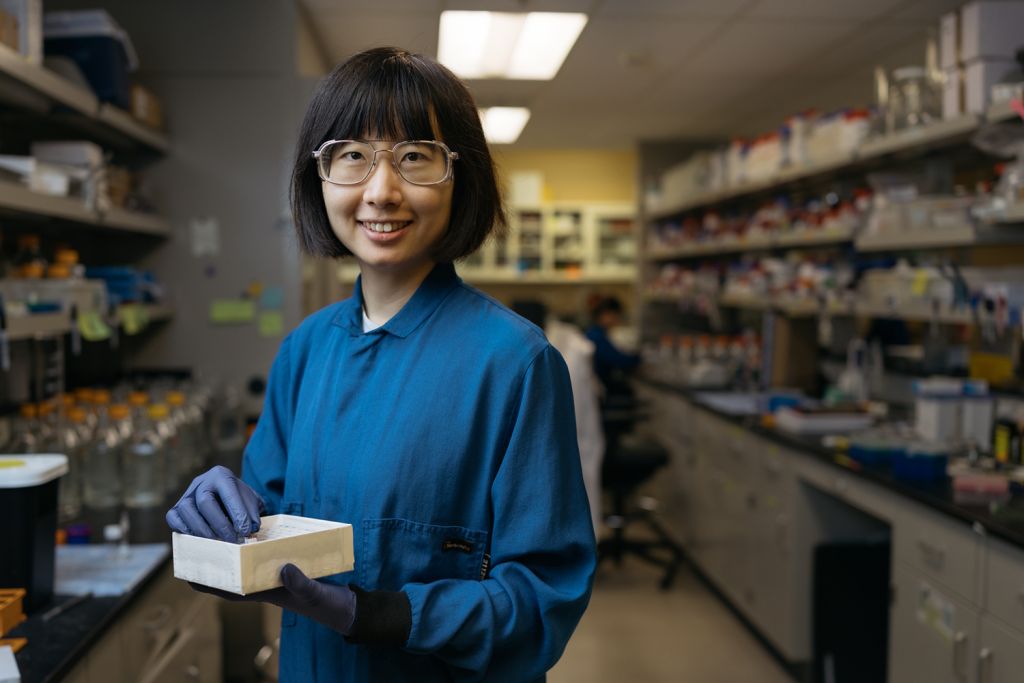
‘We live in a chemical world’
Research MattersProfile
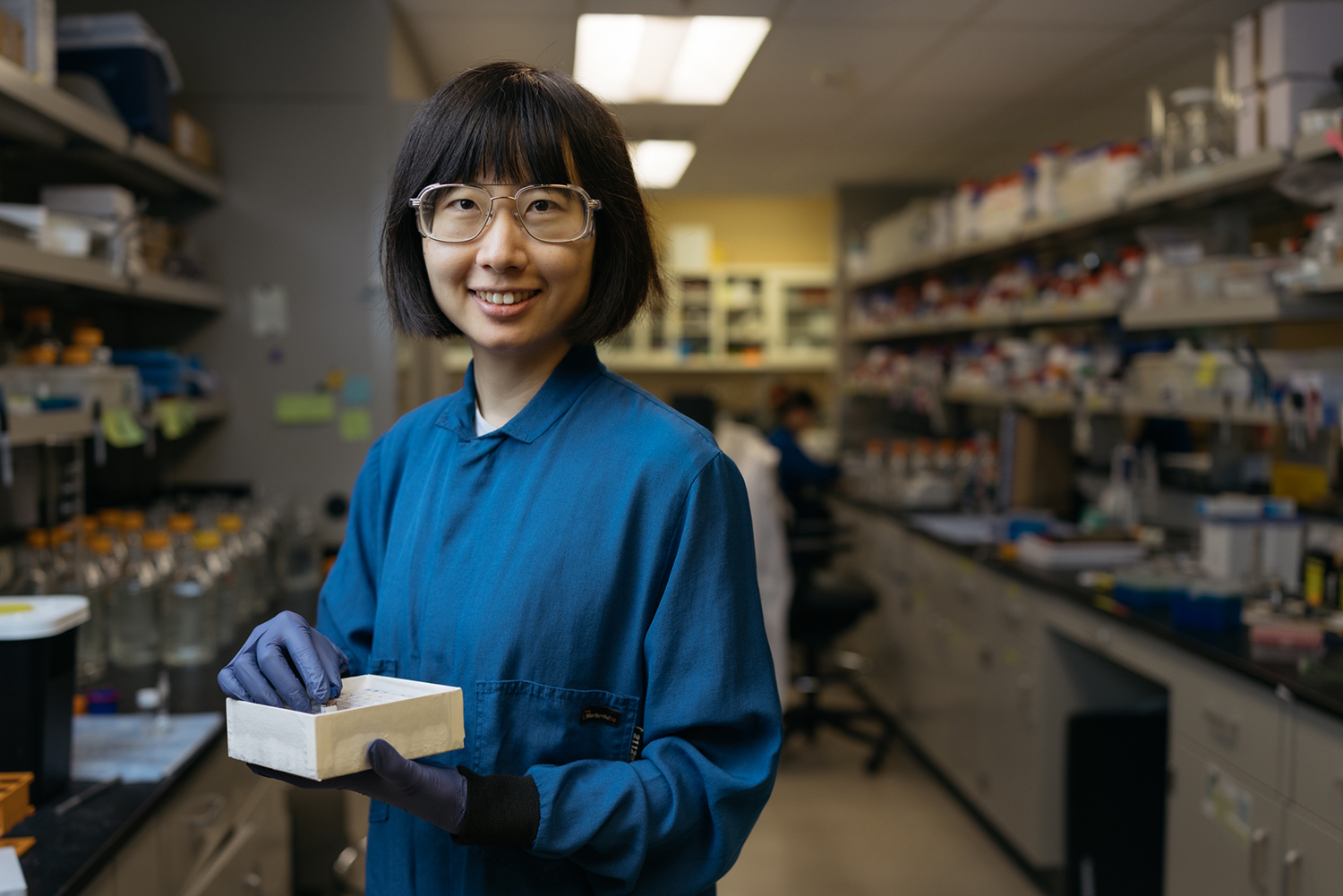
Nina Zhao is working to map the drugs, pesticides, and pollutants we encounter in daily life – often unknowingly – and to understand how they shape human and ecosystem health.
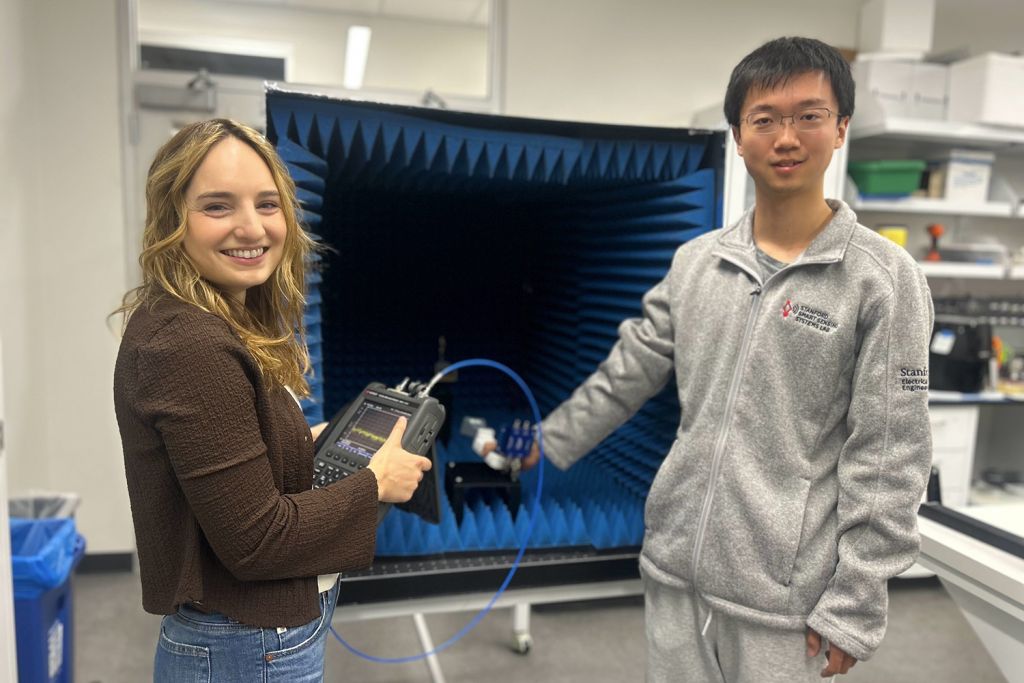
Thermal noise used to send data without an active signal
Science & EngineeringResearch
In a new paper, Stanford engineers detail how to harness the vibrations of electrons to relay data without needing an energy-intensive signal carrier.
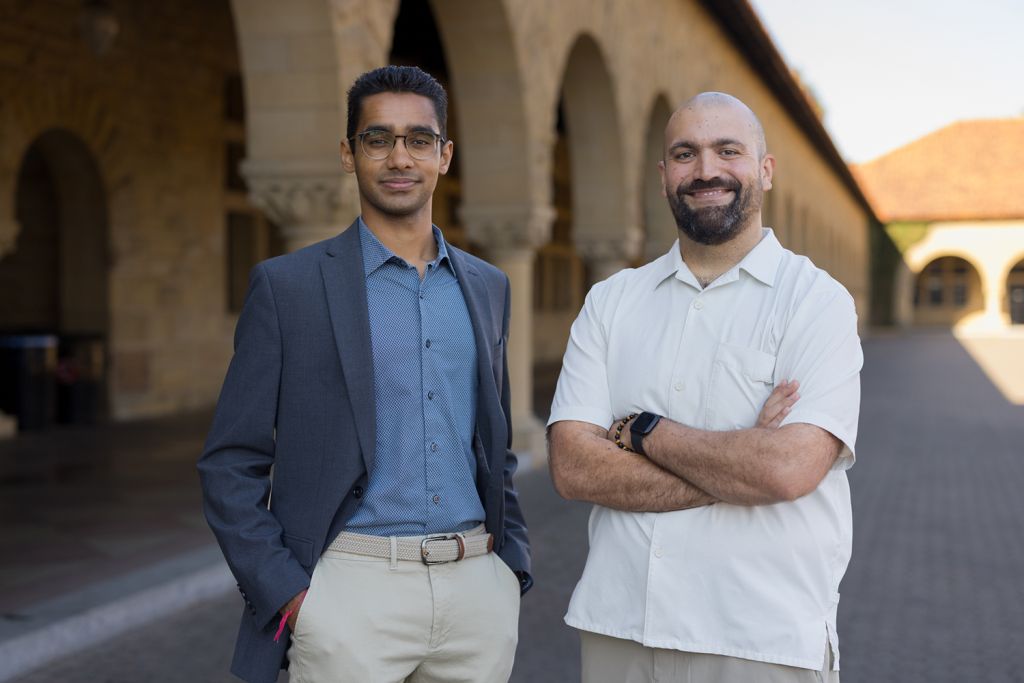
Fellowship offers a roadmap for civic life at Stanford
Constructive DialogueNews
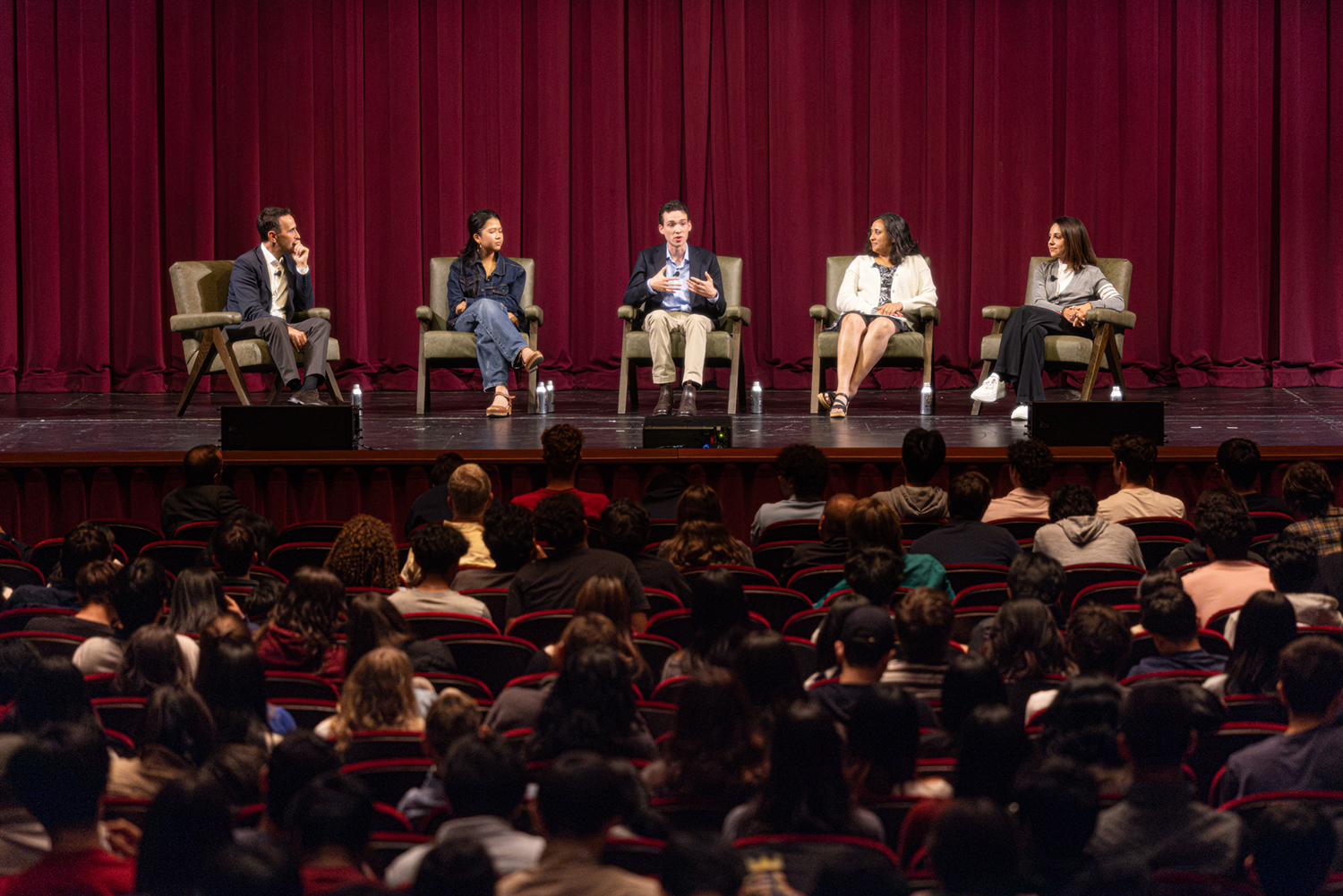
Through workshops, discussions, and campus activities, the Frosh Civic Challenge Fellowship helps new students practice civic engagement and constructive dialogue.
In the News
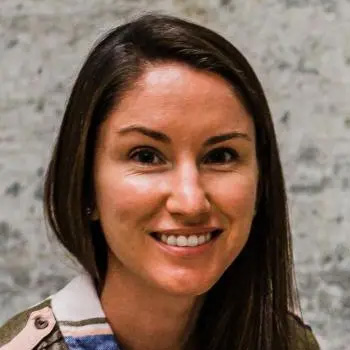
Fossils are our only opportunity to see into past biodiversity.
Christine Garcia, geoscience specimen collection curator and manager, commenting on an ice age tooth that has been donated to the Doerr School of Sustainability after being found in an open space preserve in San Mateo County.
Narcoleptic dogs help Stanford scientist crack a medical mystery
By studying a colony of narcoleptic dogs at Stanford, Emmanuel Mignot was able to track down a gene that seemed to play a central role in the condition.
Stanford team partners with youth on school air quality
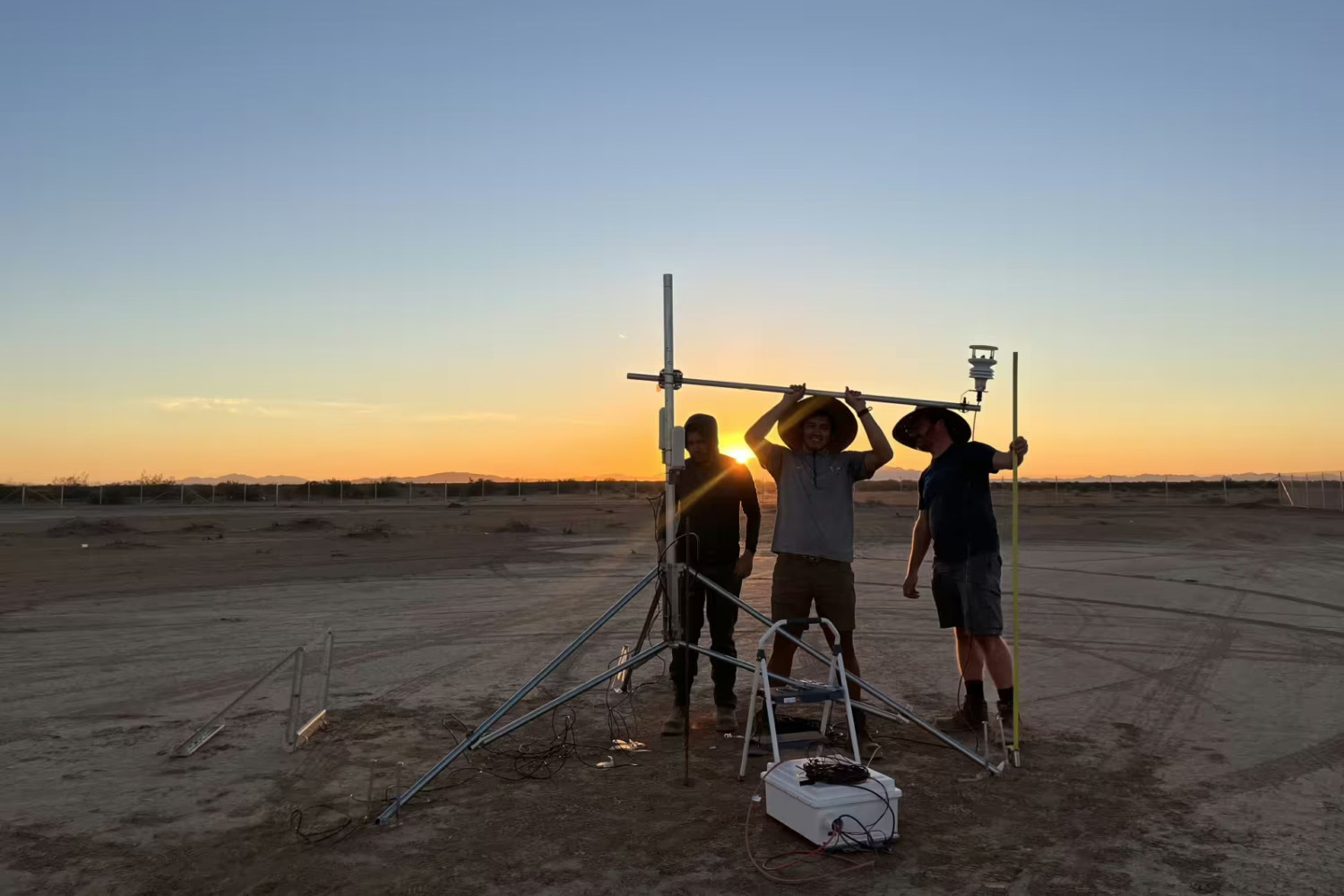
A Stanford research team is helping youth-led nonprofit ConServe expand low-cost air-pollution monitoring at schools and in underserved communities.
Research Matters
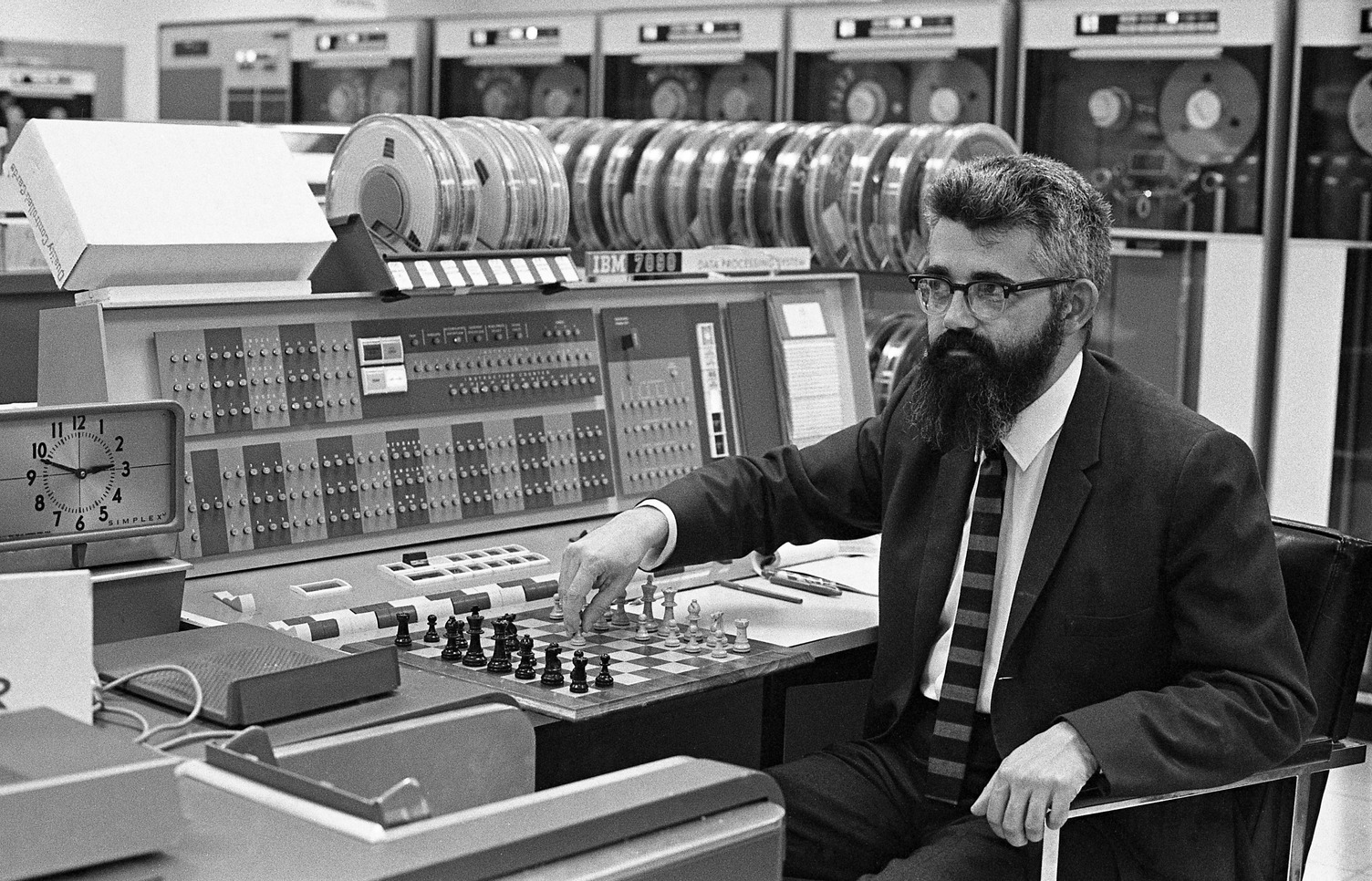
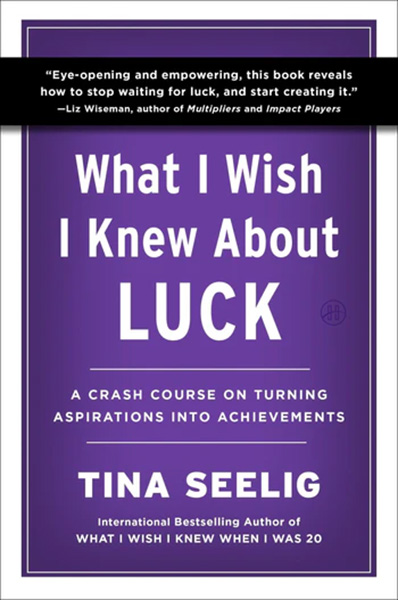
What I Wish I Knew About Luck

Young King: The Making of Martin Luther King Jr.
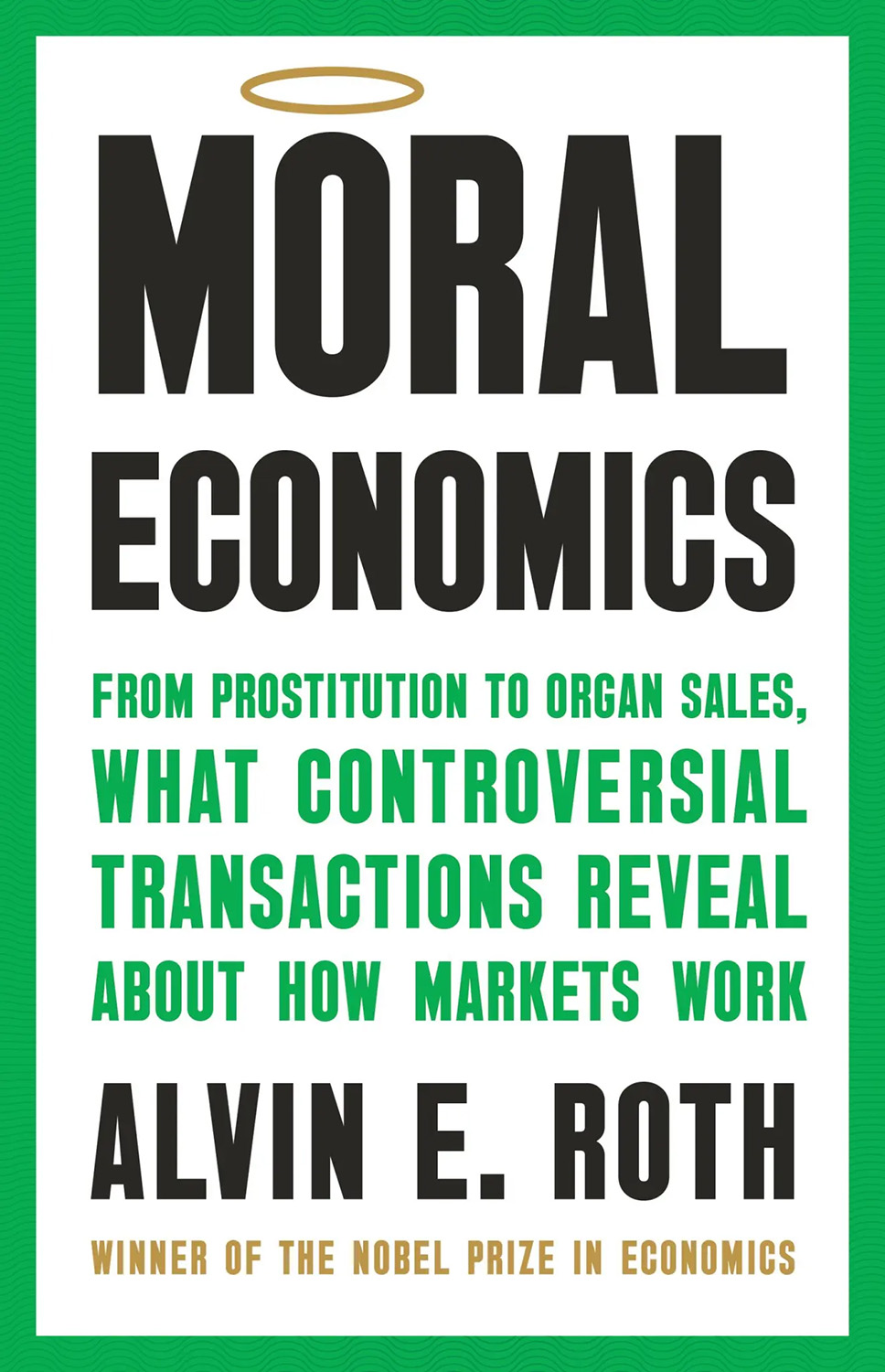
Moral Economics
Stories in Motion
MoreStories in MotionA new approach to forecasting toxic metals in wildfire smoke
Earth & ClimateVideo
Wildfires can turn natural metals in soil into toxic, airborne particles. Stanford researchers are working to predict where these metals travel and warn people in harm’s way.