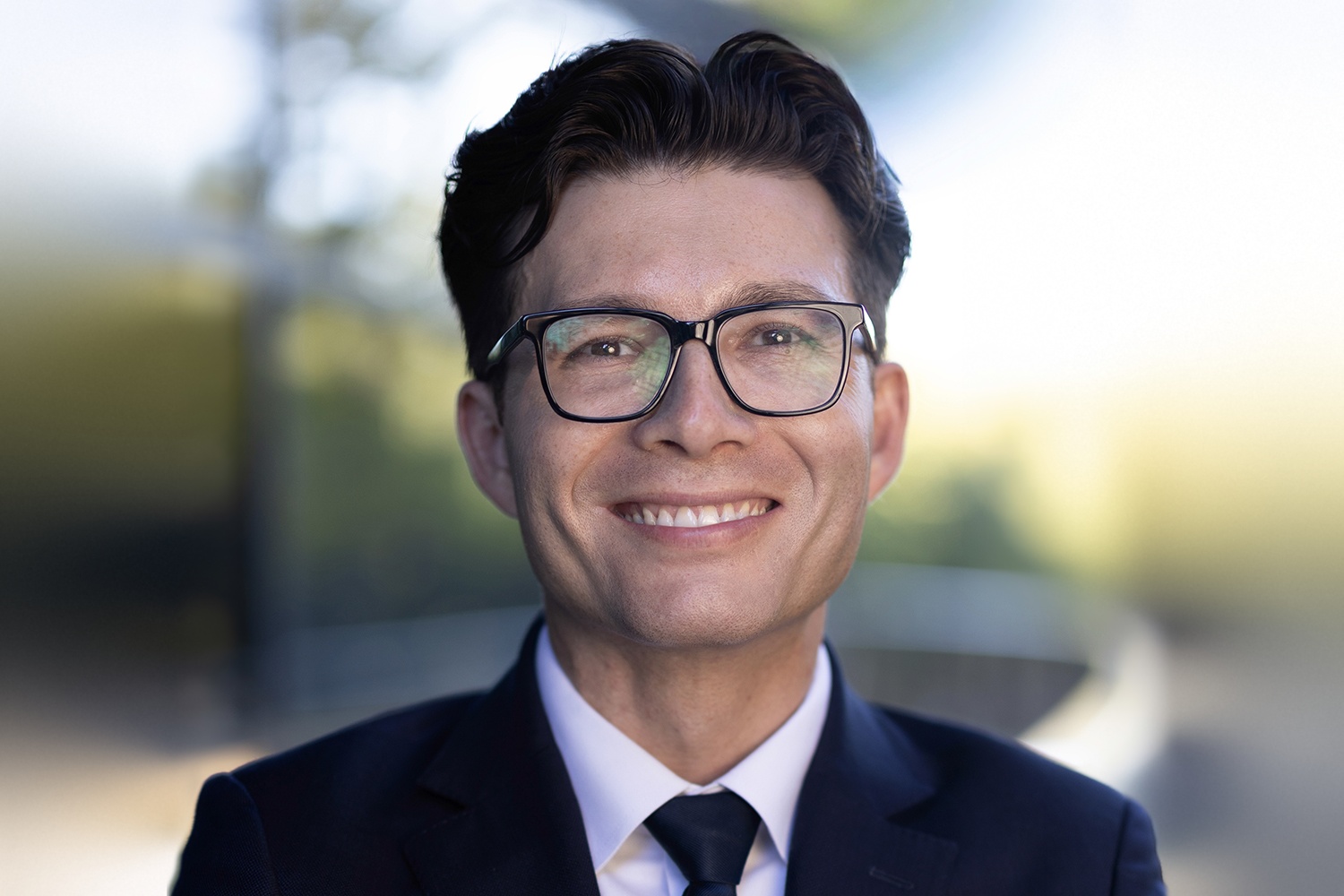
The National Academy of Medicine has elected Sergiu Pasca, MD, the Kenneth T. Norris, Jr. Professor II of Psychiatry and Behavioral Sciences, to its membership – one of the highest honors in medicine.
Pasca, who is also the Bonnie Uytengsu and Family Director of the Stanford Brain Organogenesis Program, was chosen “for seminal contributions to the development and study of brain organoids and assembloids that have provided a new understanding of human brain development and plasticity as well as brain dysfunction in disorders such as autism and schizophrenia,” according to the academy.
“I am incredibly honored to be elected to the National Academy of Medicine,” Pasca said. “This recognition reflects the work of many talented trainees and wonderful collaborators with whom I have had the privilege of working. This is an especially exciting time for human stem cell neuroscience, as new approaches are allowing us to study the human brain in ways that were simply not possible before. These advances are opening new opportunities to understand human brain development and disease, and, importantly, to develop therapeutics for devastating neurological and psychiatric disorders.”
Pasca is among the 90 regular members and 10 international members elected this year to the academy, which provides independent, scientifically informed analyses and recommendations on health and biomedical sciences to policymakers, business leaders, and the public. Members elected to the academy have demonstrated outstanding professional achievement and commitment to service.
Each year, the academy chooses new members from a list of nominees, basing the selection on publications and research grants that show high levels of accomplishment.
“I am grateful to Stanford for providing an environment where ambitious ideas can be pursued, and particularly excited about the progress we are making toward translating some of these discoveries into the clinic,” Pasca said.

For more information
Pasca is a member of Bio-X, the Wu Tsai Human Performance Alliance, the Wu Tsai Neurosciences Institute, and the Maternal and Child Health Research Institute; he is also a faculty fellow at Sarafan ChEM-H.
This story was originally published by Stanford Medicine.
Media contact
Mandy Erickson
merickso@stanford.edu
Writer
Mandy Erickson