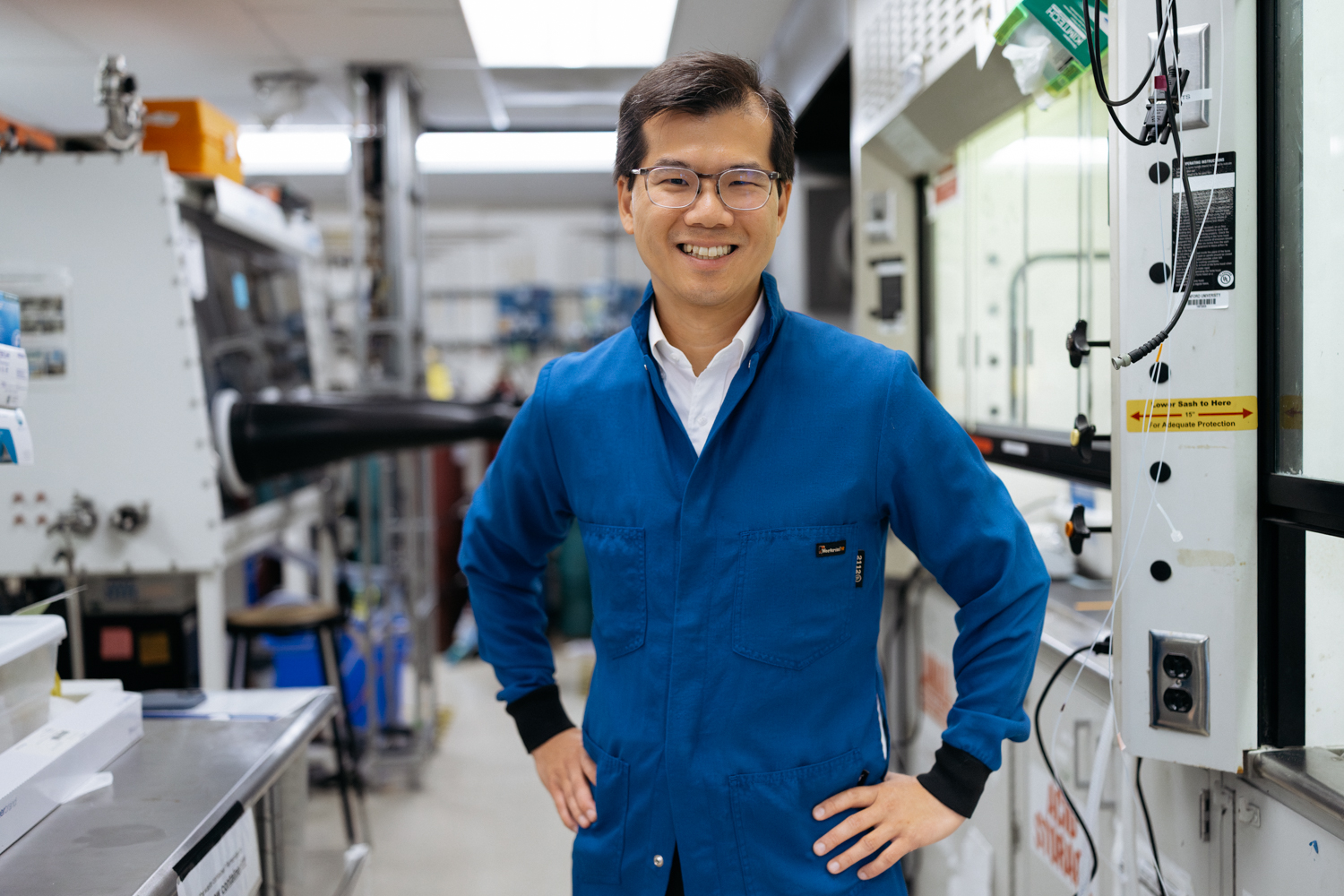
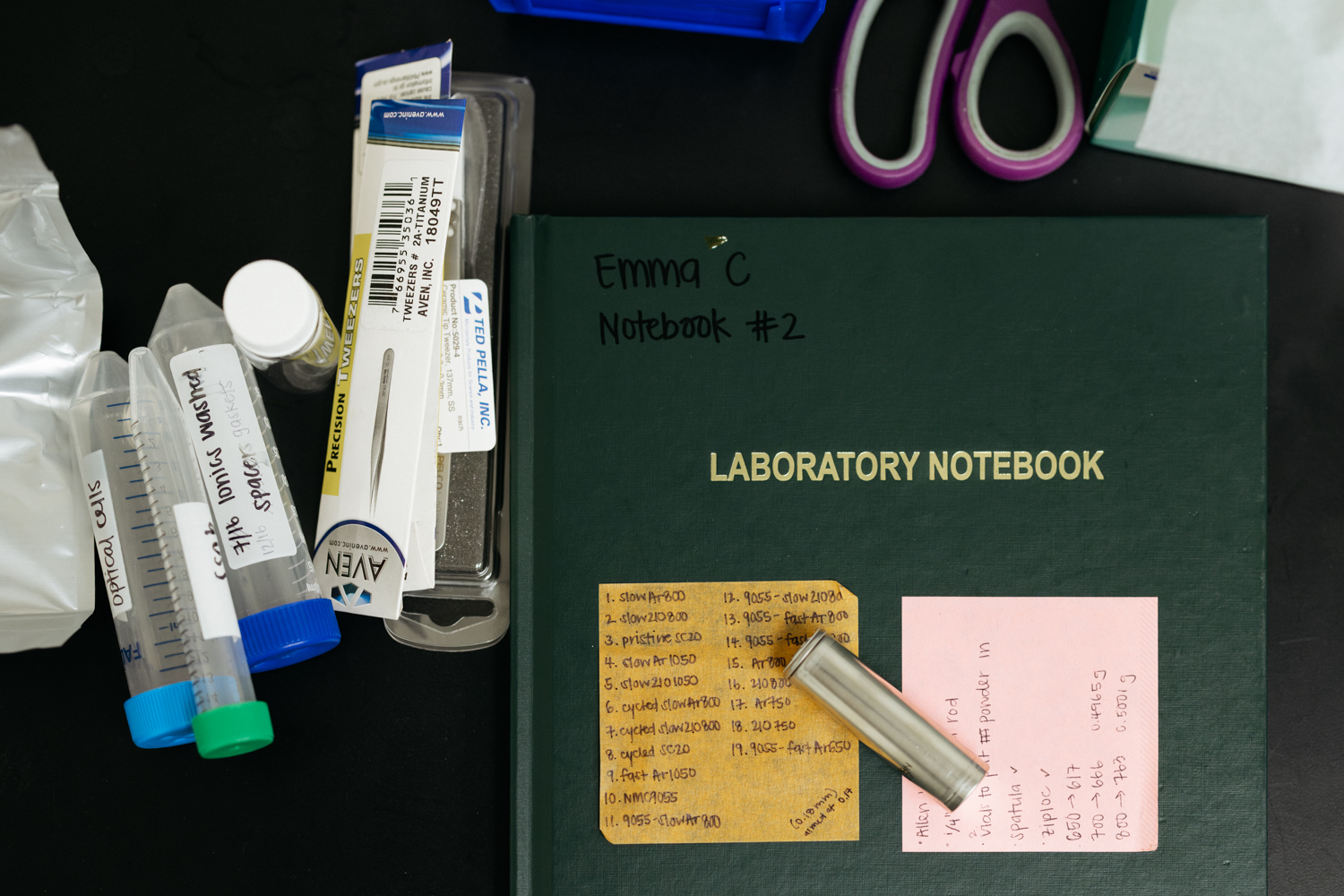
In the “Research Matters” series, we visit labs across campus to hear directly from Stanford scientists about what they’re working on, how it could advance human health and well-being, and why universities are critical players in the nation’s innovation ecosystem. The following are the researchers’ own words, edited and condensed for clarity.
In 1973, the energy sector underwent a global revolution because of the oil embargo. Three crucial pieces of our current energy system – lithium-ion batteries, solar, and energy efficiency – got their start in that era. My own journey in the energy field began at another pivotal time, in the early 2000s, which was when batteries and solar all started to become extremely inexpensive. Through my career at Stanford, I’ve been fortunate to see solutions that were deemed too expensive 30 years ago become ubiquitous.
But the future doesn’t end there. With the AI revolution, there is now a growing demand for electricity. Like the oil embargo, that necessity can drive innovation.
I’m director of Stanford’s Precourt Institute for Energy, and our vision is sustainable, affordable, and secure energy for everyone on the planet. The key word in what I just said is “and.” You have to think about benefiting the environment and you have to think about enabling economic growth and security and prosperity, all at the same time.
Stanford is especially well positioned to catalyze this vision because of three dimensions of the university: First, and most important, are the people. We attract the world’s best talent at the beginning of their careers, when they are hungry and have a beginner’s mind. Students are the backbone of innovation.
Second, Stanford is an environment where you can pursue extremely risky ideas – ones that would not be pursued by companies because they are too far from profitability. Maybe one out of 10 or 100 ideas works out. But, because we’re thinking big, the ones that are successful lead to big leaps like quantum computing, artificial intelligence, and the sustainable energy solutions I mentioned before.
Third, Stanford is an ecosystem where the world’s best people brainstorm new ideas at the intersections of preexisting silos. Ten years ago, I started collaborating with my colleague Stefano Ermon in computer science, and we married our two fields: AI and energy. We would never have done that individually because we don’t know enough about the other field.
“Our vision is sustainable, affordable, and secure energy for everyone on the planet.”
My lab’s work on the foundations of energy technologies aims to enable the full benefit of artificial intelligence. At the end of the day, AI is transforming electricity into productivity. So we need more electricity, and we should produce it while keeping those three requirements from Precourt Institute in mind: make it sustainable for the environment, make it affordable for everyone, and make sure it supports global security.
The other aspect of my work is the exact opposite: using AI to improve energy systems. AI makes it faster and less expensive to translate ideas to solutions, and we want to know how AI can improve our energy system by accelerating innovation or deployment. This is also where Stanford’s entrepreneurship comes in. Our institute has catalyzed dozens of energy startups over the past 20 years, and it’s been phenomenal to see how this has been commercialized.
The core mission of the university is education and research. The output of education is people. The output of research is science and innovation. Looking back to the days of Fred Terman, through his leadership of the School of Engineering and his role as university provost, Silicon Valley was created. Intel, Sun Microsystems, Hewlett-Packard, and other iconic companies all came out of that era and transformed people’s lives. How can we contribute to creating more iconic companies and solutions today? We harness the essence of Stanford, and we work hard to solve real-world problems. And many of us at Stanford are doing exactly that.
For more information
Chueh is also the Kimmelman Professor, professor of materials science and engineering, of energy science and engineering, of photon science, and a senior fellow at the Precourt Institute for Energy.
Photographer
Andrew Brodhead