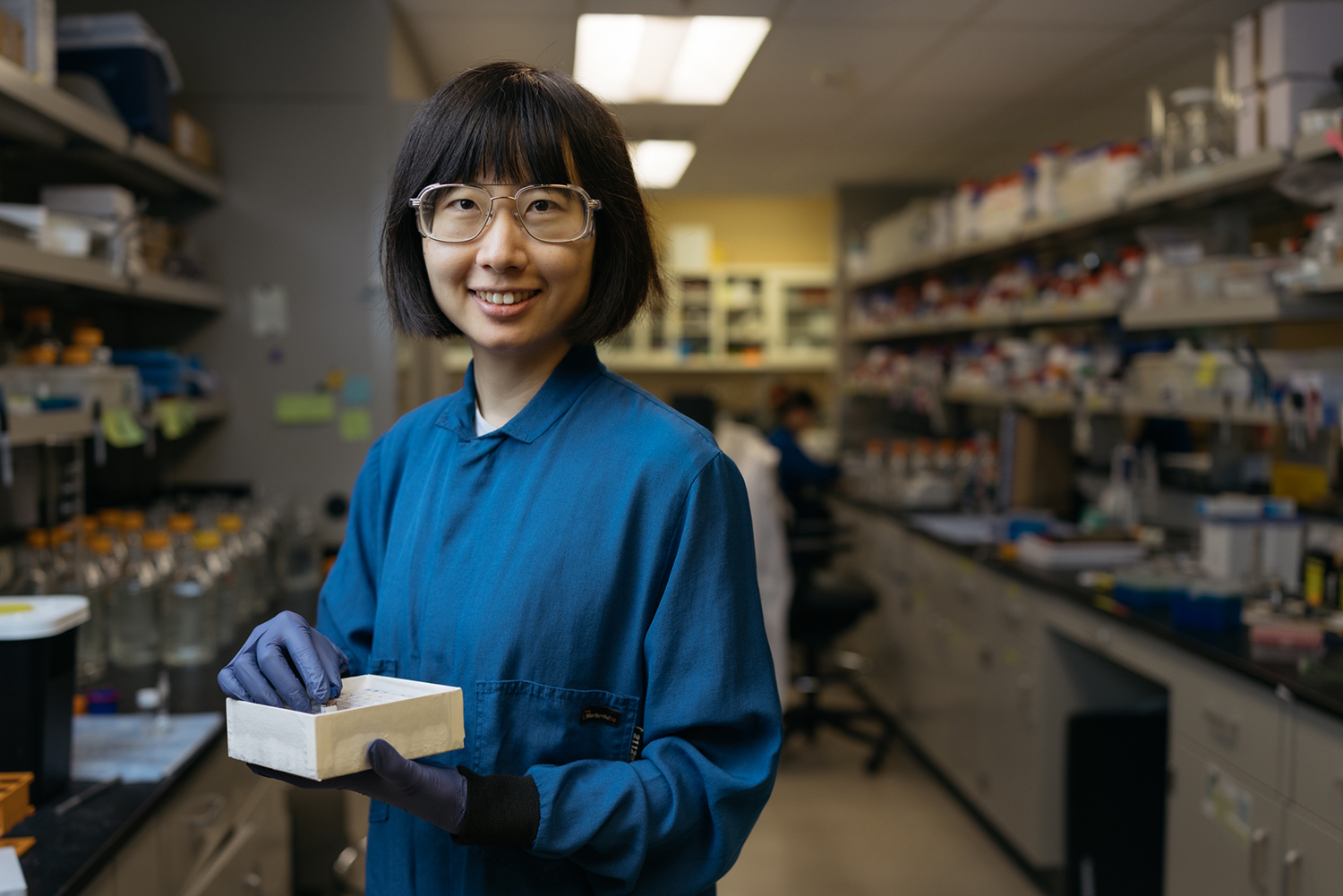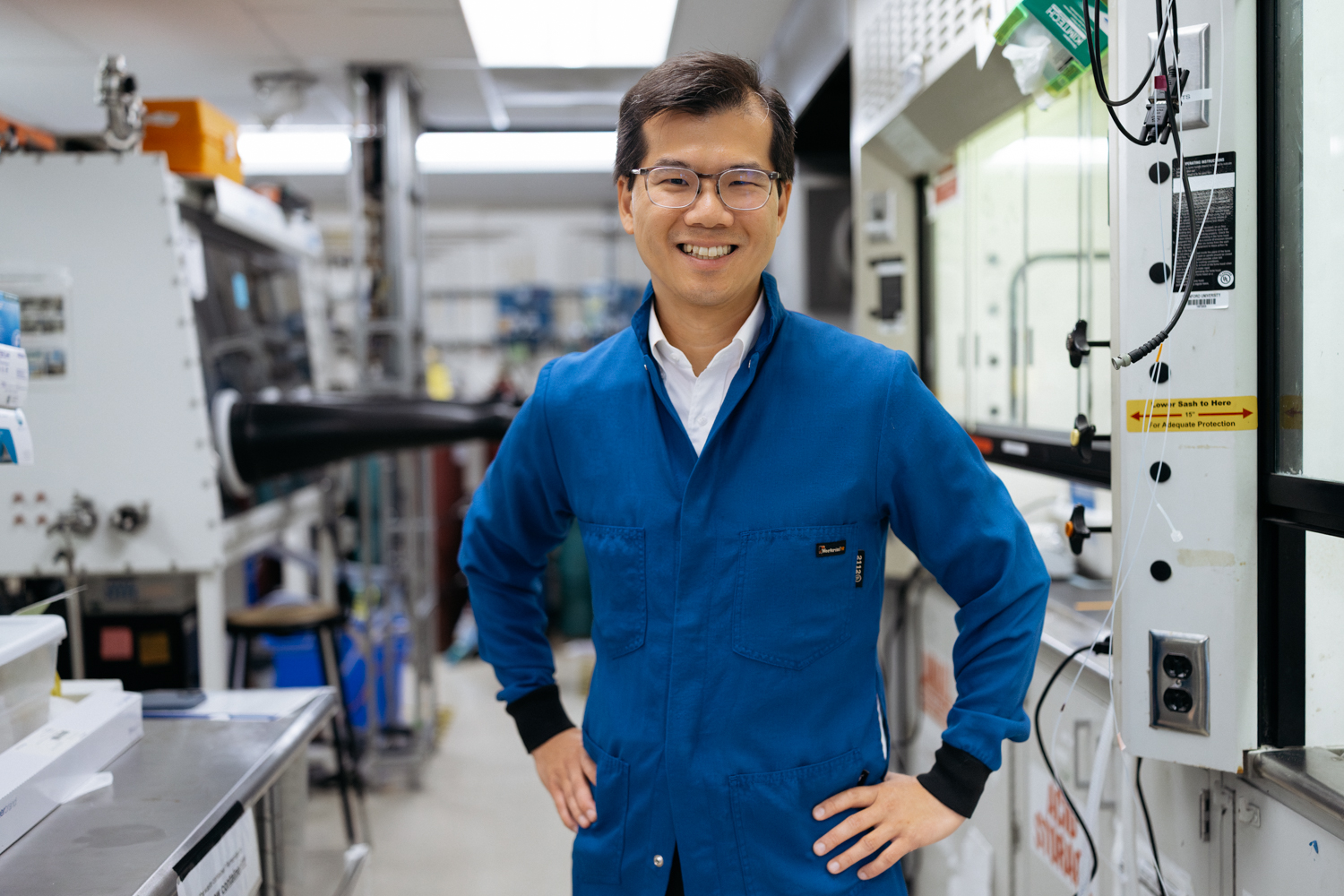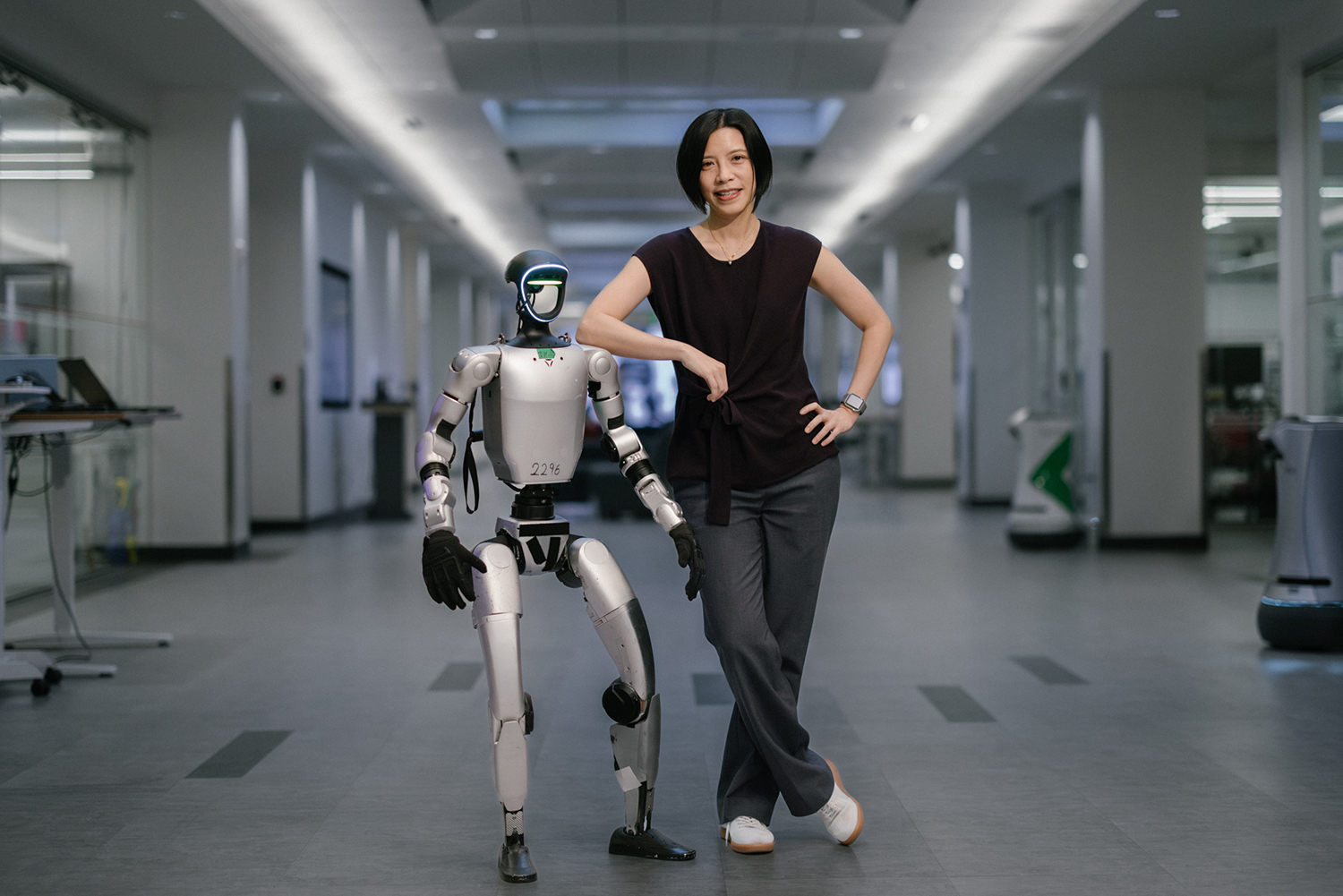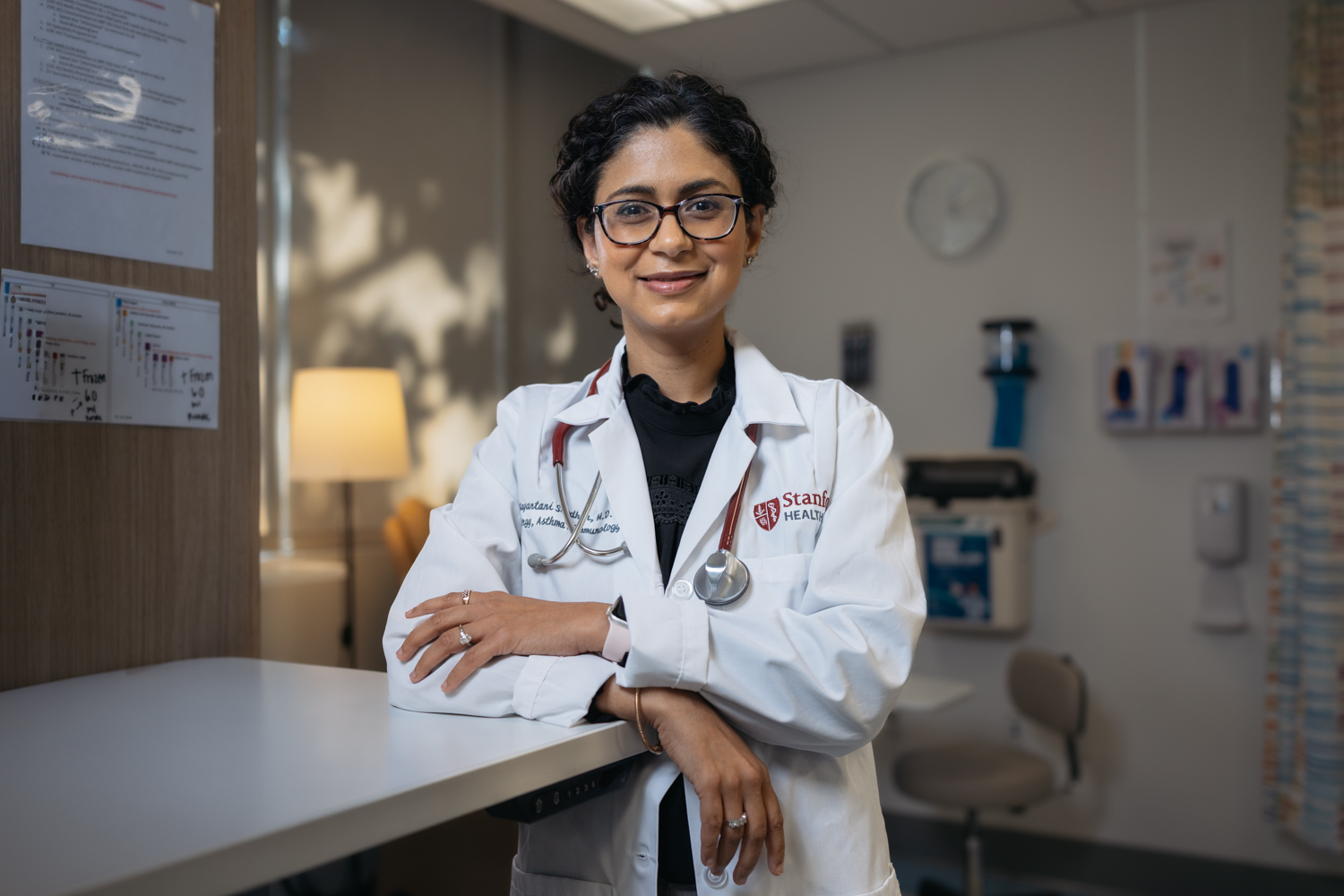
In the “Research Matters” series, we visit labs across campus to hear directly from Stanford scientists about what they’re working on, how it could advance human health and well-being, and why universities are critical players in the nation’s innovation ecosystem. The following are the researchers’ own words, edited and condensed for clarity.
About 30% of all food that is produced is wasted, and about half of the greenhouse gas emissions from the food system come from food waste. A steady supply of nutritious food is a fundamental need that we all have, and we take it for granted in wealthier parts of the world. But this system is fragile and we have to think about how we nurture our planet and take care of it, while also producing the food we need.
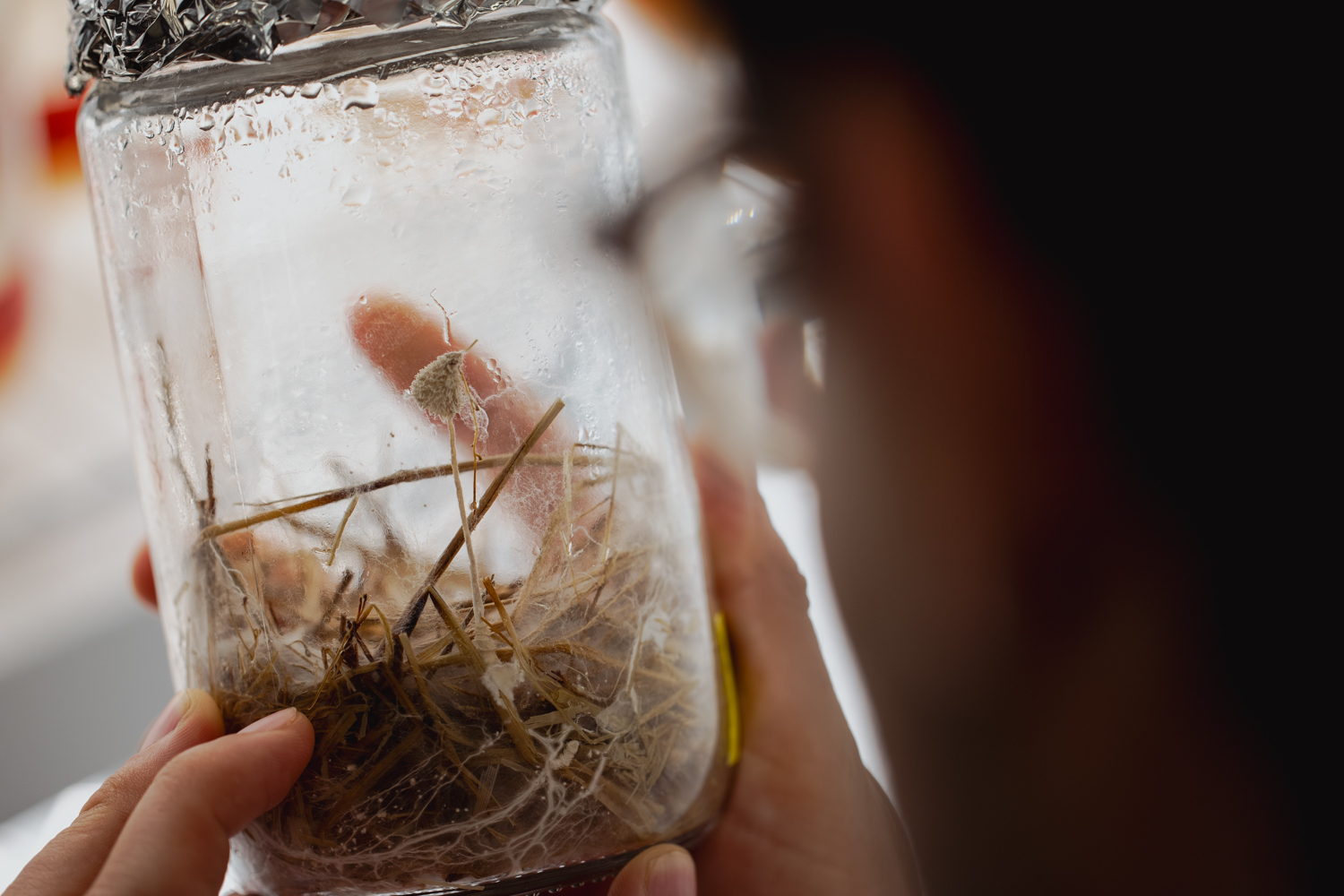
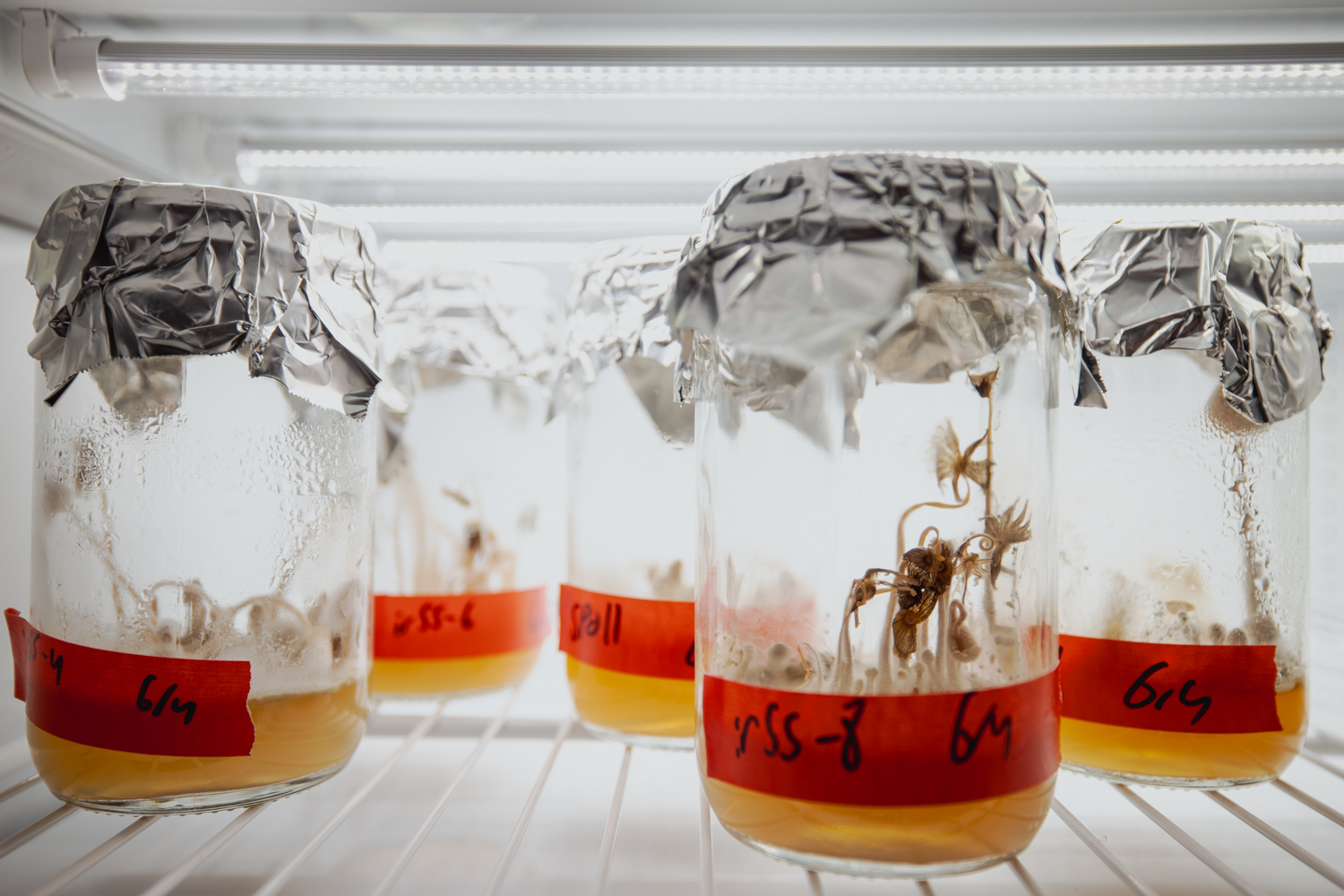
One of the things we’re really excited about in my lab is how we can harness the power of fungi to create foods of the future. Fungi are nature’s recyclers. They grow on waste or material that other organisms cannot break down. Mushrooms that grow on sawdust are some of the most beloved, like shiitake and oyster mushrooms. And we’re not only considering the natural fungi that are out there, but also using genetic modification to improve the waste degradation, the nutritional profiles, and the flavor profiles.
“Can we reduce waste and produce more nutritious and delicious food to feed the growing world population?”
Fungi and mushrooms have sometimes been negatively perceived: mold is bad, mushrooms are weird. A lot of funding for fungi has been focused on the bad stuff that fungi do, like causing infection in humans and plants. But now we seem to be in a moment where people are excited about them. You can use fungi to make new materials – something we’re also working on – and maybe make new medicines, as they have already given us penicillin and cholesterol-lowering drugs. (Although beware of overblown medicinal claims.)
In contrast to advances we’ve made in crop and meat production, the mushrooms we eat today look the same as they did thousands of years ago. There is a huge opportunity for us to better understand the beauty and the underlying biology of fungi, and discover how we could tap into their biology to unlock transformative solutions for humanity.
One of the core principles of my lab is that food innovation is not only about technology and scientific discovery, but it’s also about pleasure, beauty, and the cultural dimension of food.
We have eaten fungi since the early days of human evolution. So many of the foods that we love and cherish – cheeses, bread, soy sauce, sake, miso – are made through the powerful capacity of fungi. As we think about the future, we should look to the past. We’re not saying, hey, we’re going to invent something in the lab that’s never been consumed before. Fungi are grounded and rooted in human history. That cultural familiarity is powerful when it comes to new food sources.
The future of fungi
On The Future of Everything podcast, Vayu Hill-Maini chats with host Russ Altman about how gene-editing techniques can be used to make delicious foods, medicines, and other valuable products from fungi.
My mom is Indian, and her parents came from Kenya to Sweden, where I was born, and my dad is Cuban and Norwegian, and I grew up in Sweden. Having access to those different places through food was something I enjoyed from a very young age. To make extra money, my mom, who was a single parent for most of my life, would host cooking classes in our small apartment, and I would help. I fell in love with cooking and its power to connect me to a place, to culture – even to learn about the universe. Curiosity about what I was observing in my mixing bowls and the oven and the stove led me to go into science and eventually get a PhD in biochemistry. As I became more advanced in my cooking, I moved to the U.S. to work as a chef. Science then became a tool for creativity, manipulation of texture and flavor.
For a long time, I was tormented because I had this deep scientific appreciation and curiosity and this passion for food and cooking. I ultimately ended up, not necessarily choosing academia, but choosing Stanford. I felt like this was the place where there was room for both aspects of my passion for food: the creative, beautiful, culinary side of food and the science that underpins food production.
Stanford is motivated by making a positive impact on the world, and it also does a uniquely good job of celebrating true interdisciplinarity. I can do the work here on a timescale that allows us to make discoveries and do the necessary research to understand them. Our research is not going to happen in three months on a venture-funded timeline. And it’s not about a single product or scaling a single approach. The connection of disciplines here is manifesting in more positive ways than I could imagine.

Last year we launched a chef-in-residence program in our lab, supported by the Stanford Department of Bioengineering, in partnership with the Doerr School of Sustainability and the Office of the Vice President for the Arts. We bring chefs into the laboratory to collaborate with us on the scientific discovery process and host lectures and workshops. With help from the d.school, we printed an amazing zine called Fungal Futures about fungi, food, and science.
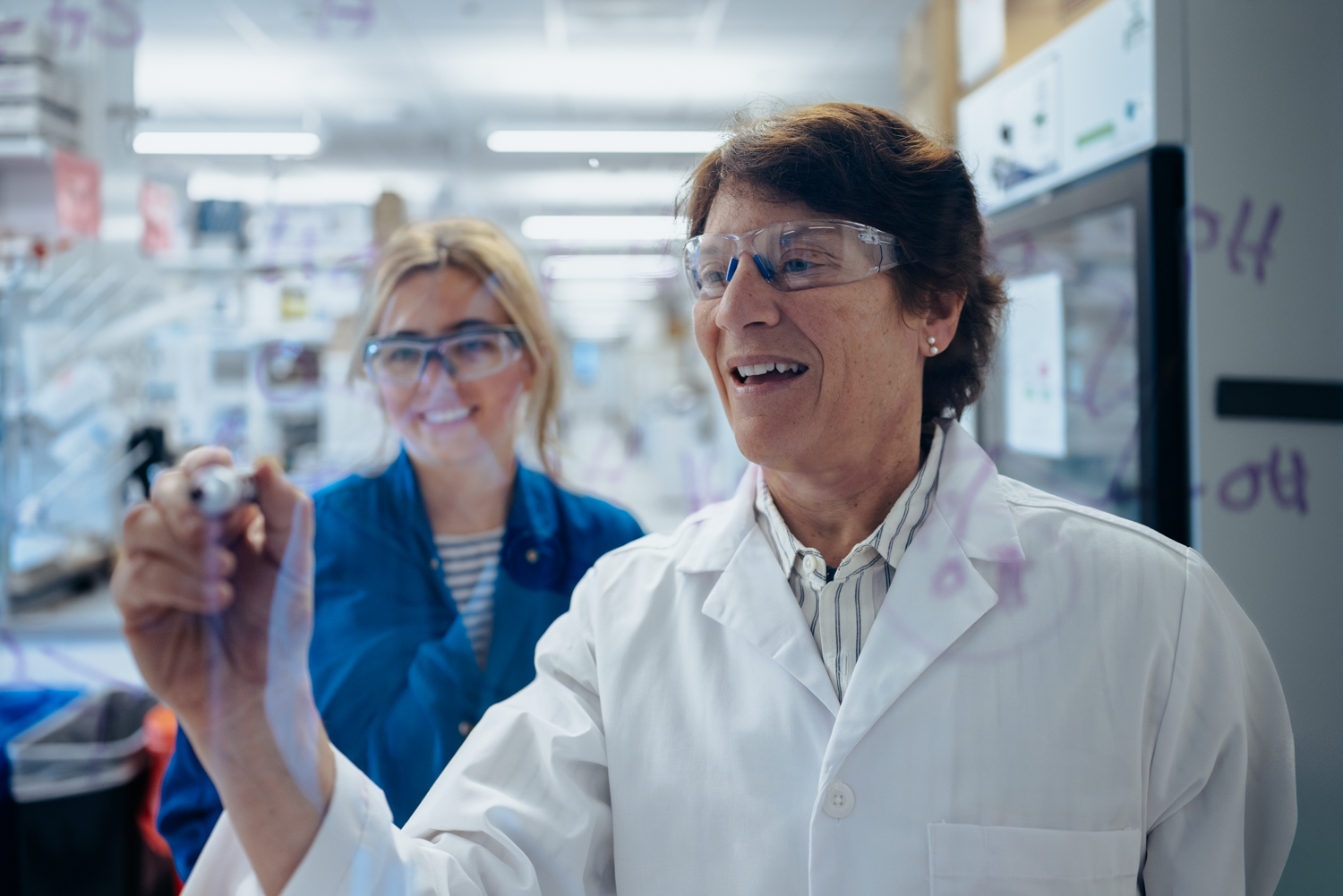
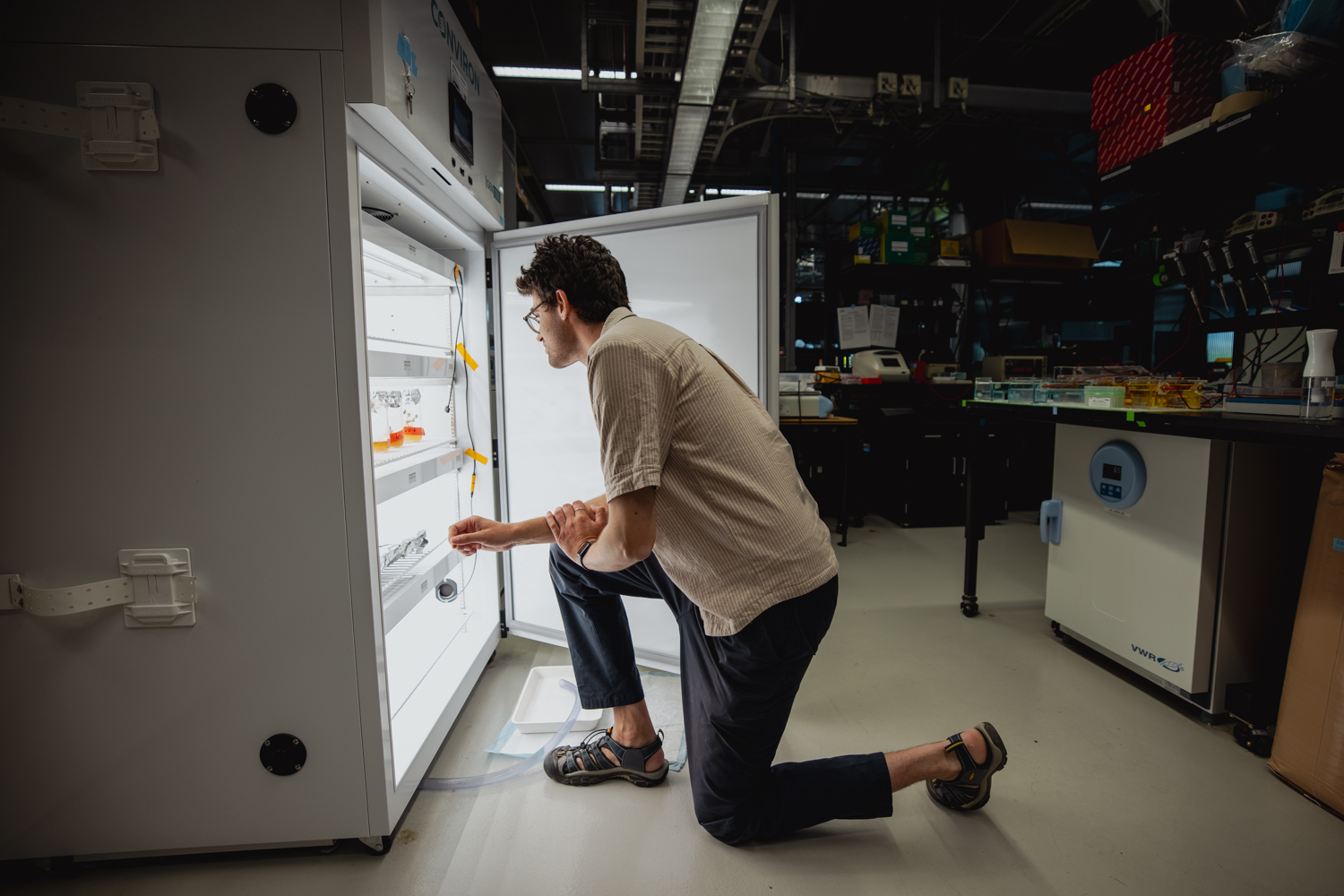
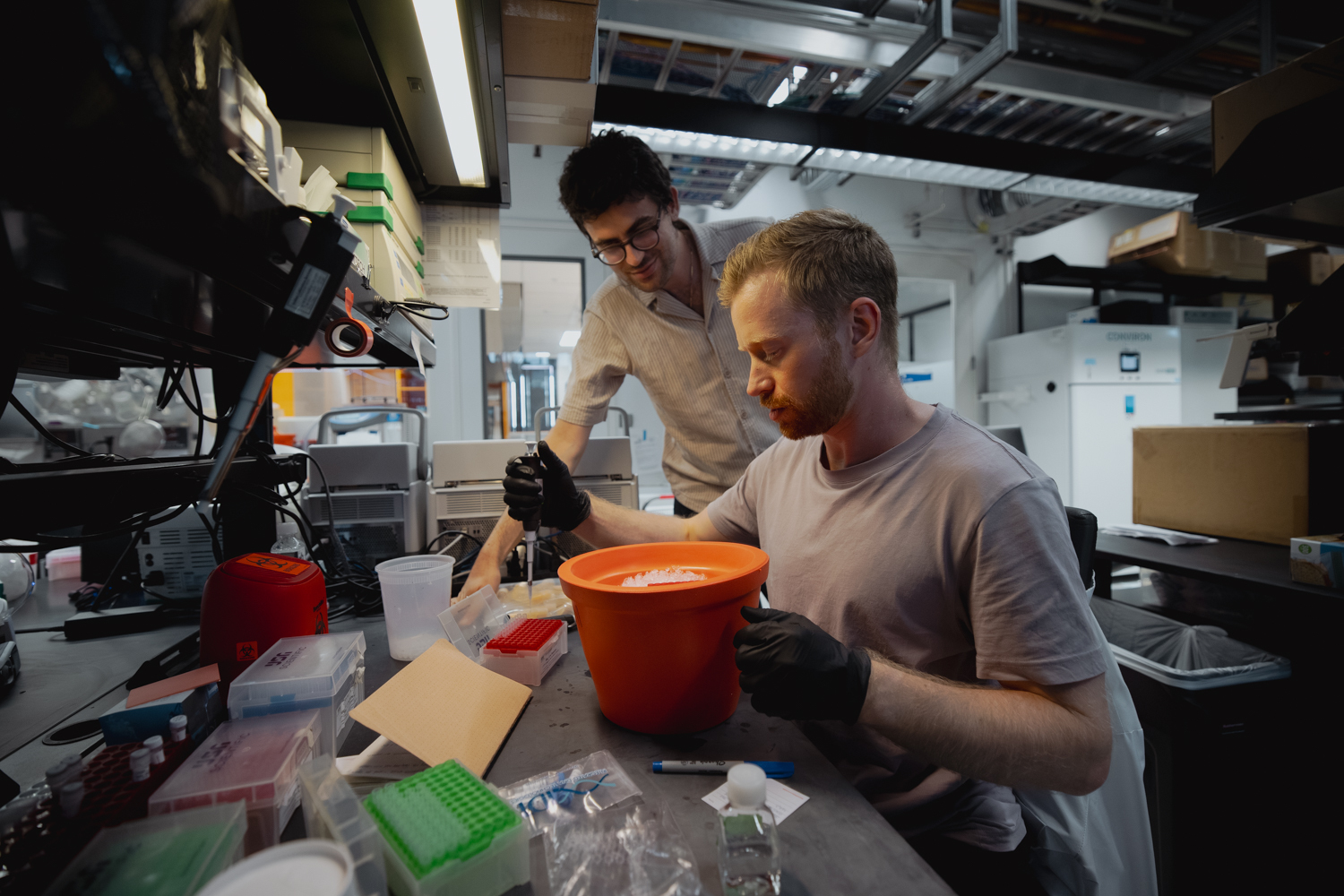
In these early stages of my lab, I’ve taken a lot of pleasure and joy from imagining how this core group of people I’m assembling around an idea will someday manifest actual solutions. The kitchen we are building in our lab will enable us to integrate our understanding of molecular biology and genetics – the details, the inner workings of fungi – with how we perceive them as humans – what gives flavor, what gives texture. And in the same lab we can test how we engineer fungi to reap the benefits and the pleasure of this food. It’s exactly the type of interdisciplinary exchange we need to bring solutions that are not only sustainable, but that people actually want.
For more information
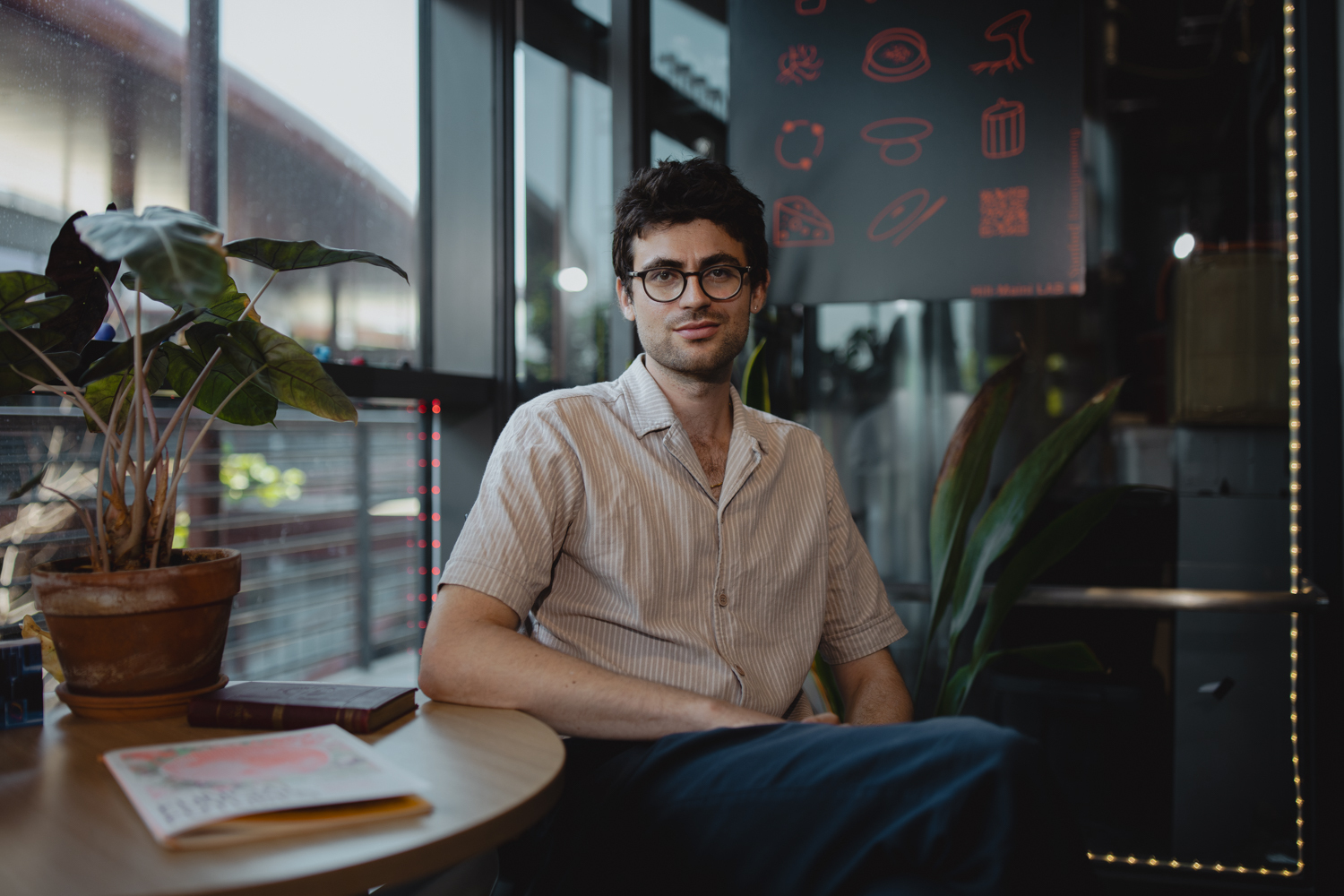
Vayu Hill-Maini is an assistant professor of bioengineering in the schools of Engineering and Medicine and a member of Stanford Bio-X.
Photographer
Andrew Brodhead