In the “Research Matters” series, we visit labs across campus to hear directly from Stanford scientists about what they’re working on, how it could advance human health and well-being, and why universities are critical players in the nation’s innovation ecosystem. The following are the researchers’ own words, edited and condensed for clarity.
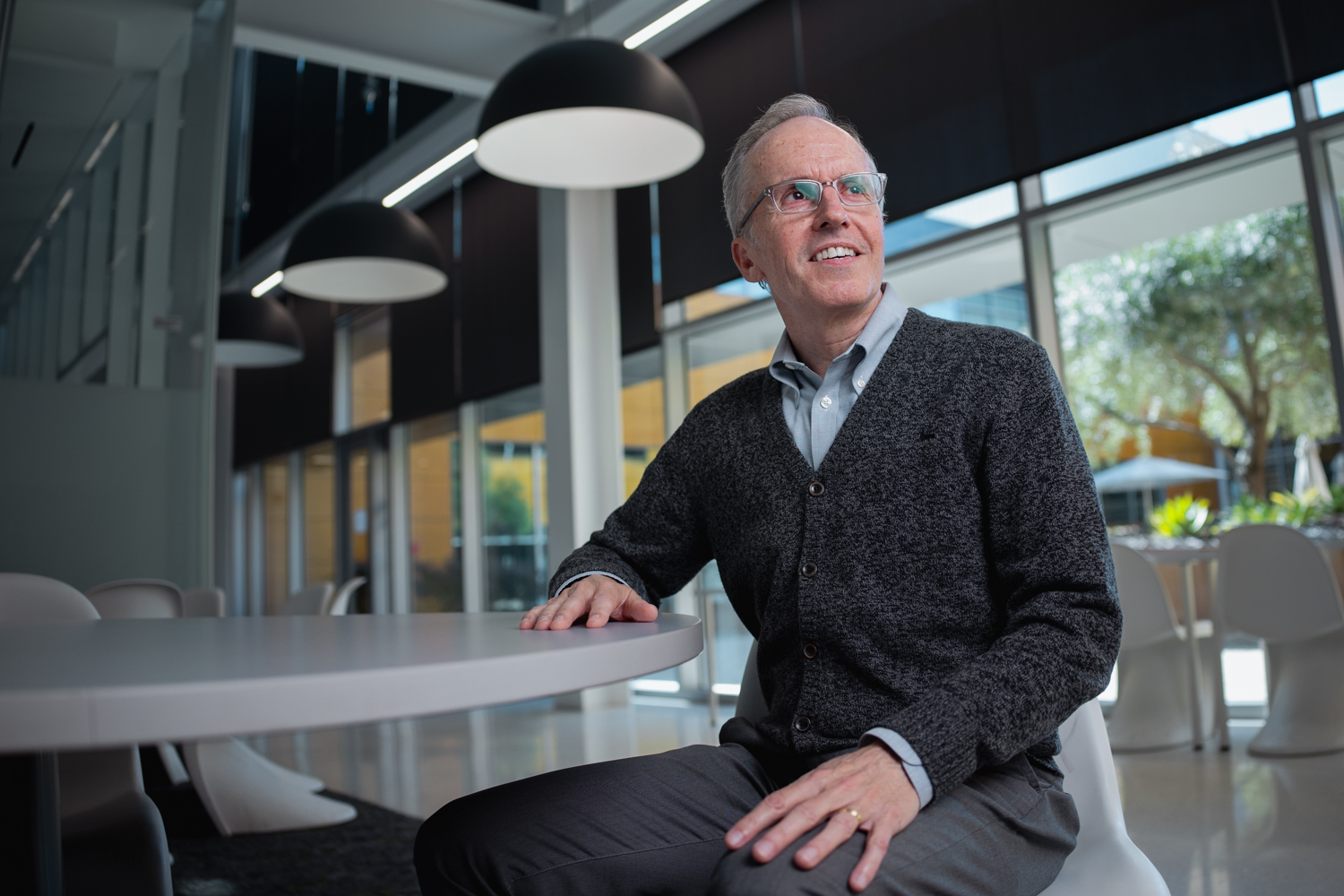
I have a Stanford master’s degree diploma from the 1980s with the words “Artificial Intelligence” on it. And then I went on to get an MD and an AI-related PhD at Stanford.
When I took my first AI course as an undergraduate here, I fell in love with the idea that you could build systems that mimic how the human brain functions. Now, I have my own research lab, and I run a School of Medicine center called the Center for Artificial Intelligence in Medicine and Imaging (AIMI Center). The Center supports over 250 faculty across 20 departments. The scope of diseases and ailments we address is head to toe – cancer, arthritis, pneumonia, and so on.
The Stanford Hospital has 1.8 petabytes (1.8 quadrillion bytes) of radiology data. We’ve been using that data to train new algorithms and to develop systems that can help us detect disease early and make radiologists more accurate and efficient.
When we got started in 2018, one of the co-founders of the AIMI center, Matt Lungren, suggested we make the data widely available under a license for noncommercial use. It took a couple of years to get all the approvals we needed. We released our first dataset: CheXpert, which contained hundreds of thousands of anonymized chest X-rays. We’ve now released over 20 AI-ready datasets, which, I believe, is more than any other institution. We’ve also recently initiated our first commercial licensing program to help bring AI technologies to patients.
One example of an algorithm we built that is now in use: An interdisciplinary team of cardiologists, radiologists, and computer scientists built an algorithm that accurately detects excess coronary artery calcium from regular CT scans, instead of having to schedule and pay for specific coronary scans. We tested the algorithm in a rigorous randomized clinical trial. In that trial, if the algorithm detected significant calcium, the patient and their primary care doctor were notified automatically. With intervention, the rate of use of the recommended treatment, cholesterol-lowering drugs, went to over 50% (compared to 7% in the group that didn’t use the algorithm). That algorithm has been licensed to a startup, it’s gone through the FDA clearance process, and it's now being sold to hospitals across the country. That could save tens or hundreds of thousands of lives by finding patients who aren’t aware they have heart disease, and getting them on the recommended treatment.
“ ... having that freedom and flexibility to pursue new ideas that will benefit patients is something that really draws all of us to an academic lab.”
Radiology is a leader in medical AI for many reasons. We have a large amount of digital data, neural networks are very good at processing images, and our data is relatively objective. Sometimes radiologists are searching for a needle in a haystack – we have to sort out a tiny nodule from all the vessels in the vastness of the lung. These algorithms can help us with that. And they never get tired. They look at every pixel every time.
We have also built an algorithm that analyzes a chest X-ray image and produces a draft report that an expert can then validate or edit. These tools can really improve efficiency and quality of care.
On the patient-facing side, we have built a tool called RadGPT that helps patients better understand care plans. The Cures Act requires that all health care organizations give patients immediate digital access to their test results. I can tell you from my own family that, when they receive their radiology reports, they have a lot of questions. RadGPT can give patients a version of their report that hyperlinks the complex medical concepts. Patients can click on concepts they don’t understand to start a conversation with a chatbot. The constraints we’ve put on the system have resulted in a safe tool that isn’t prone to hallucinations. We’re about to make that tool publicly available for anyone who has a radiology report they’d like explained.
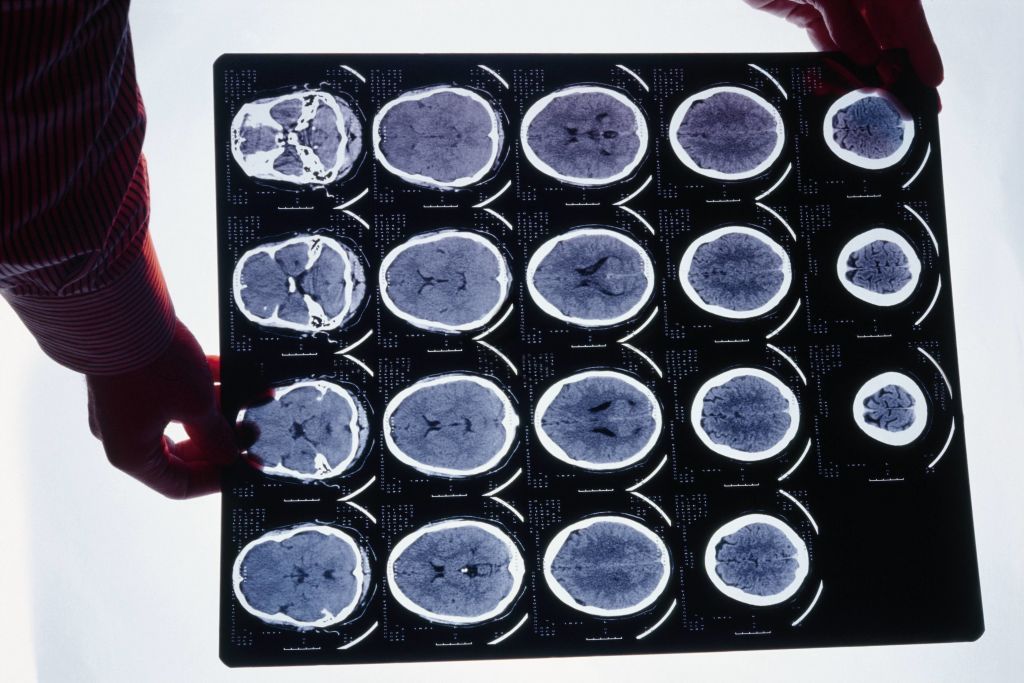
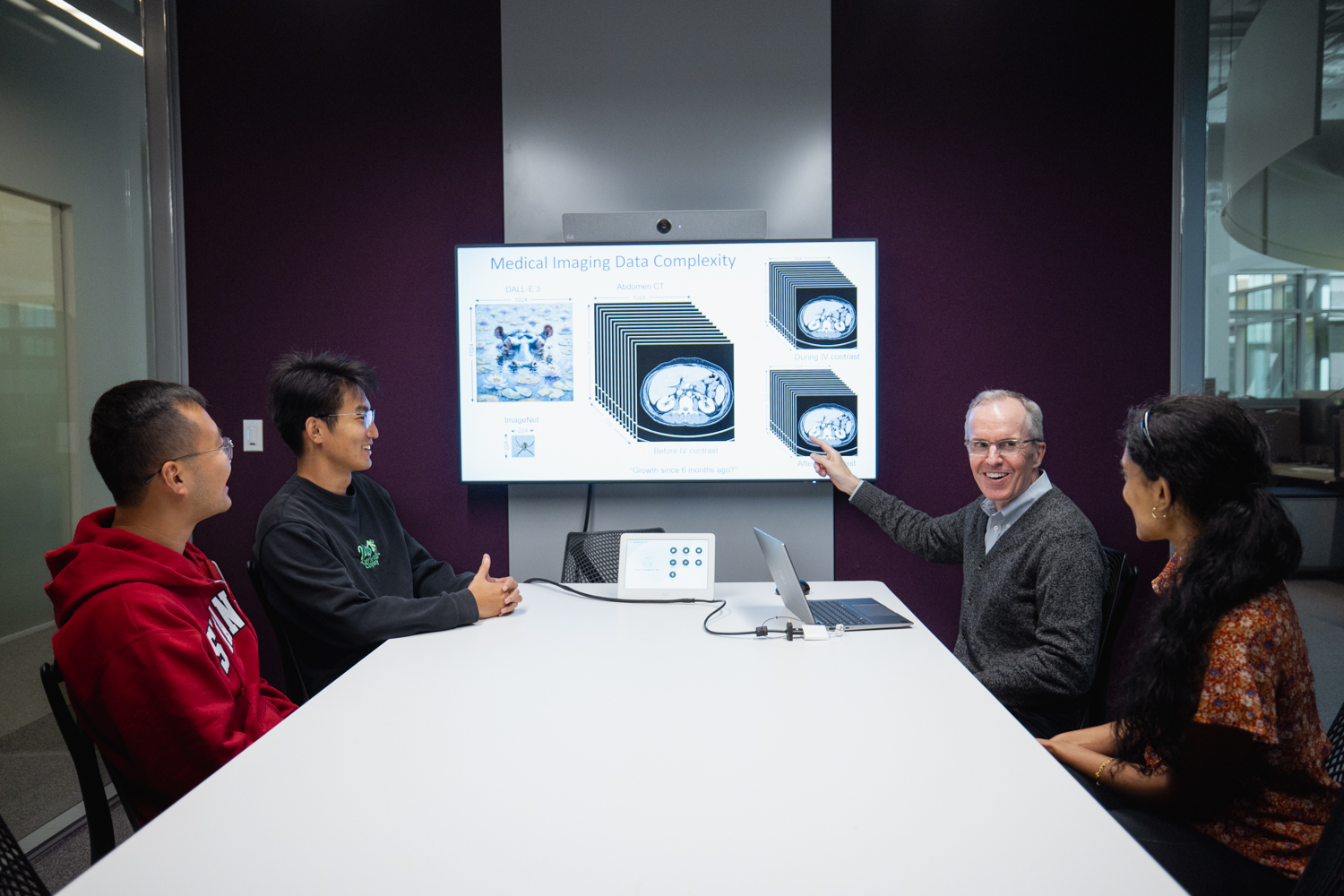
One of our most fascinating projects, which my lab is working on with Professor Akshay Chaudhari’s lab, uses the same methods that were used to train ChatGPT and other large models. But rather than training on data from the internet, we train on large amounts of high-quality medical imaging data. Right now, the size of the training data that’s been used outside of medicine for systems like ChatGPT, Claude, and Gemini is 100 times larger than that used to train medical AI systems. We want to bridge that gap by using a massive amount of anonymized patient data from Stanford. We think this new system could provide real leaps in performance in medical imaging, in the same way that we were all surprised by ChatGPT’s performance in November 2022. We’re really excited about that.
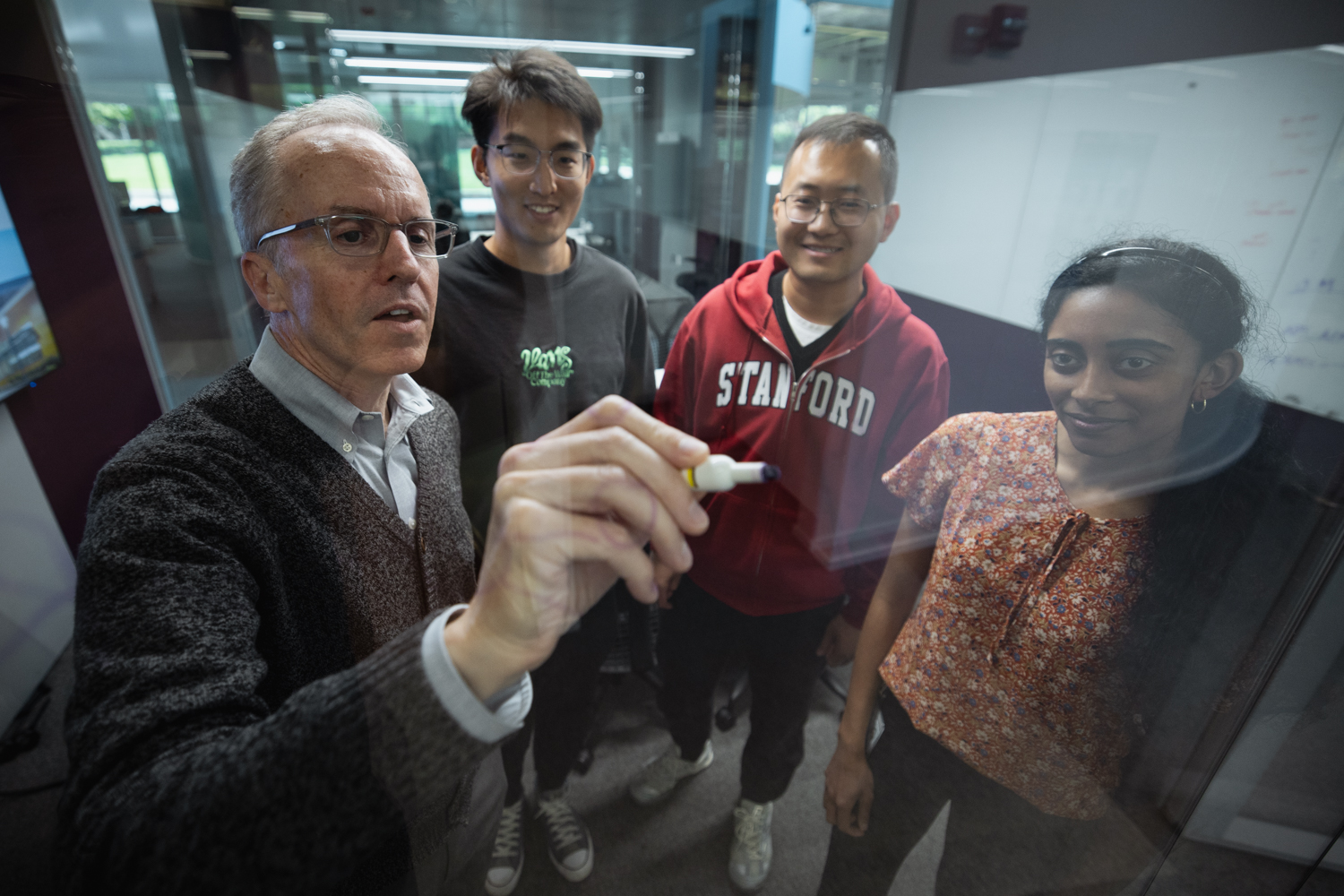
The students in my lab have a real passion for scientific discovery, building new methods, and going where the new insights take us, while also being determined to have an impact. I believe that academic institutions are where most of the progress will be made in medical AI. The data we need to build high-quality medical AI tools comes from hospitals and health care delivery organizations. Stanford happens to have those right on campus, right across the street from our School of Engineering. We have a really special environment with the data to train these algorithms and the expertise to build the highest performing tools. And we have not only computer scientists and medical professionals, but also ethicists and legal scholars to help us implement these new tools safely and responsibly.
Our location in Silicon Valley is an incredibly important part of making innovations available to patients; we really value our relationships with industry. But having that freedom and flexibility to pursue new ideas that will benefit patients is something that really draws all of us to an academic lab.
For more information
Langlotz is a professor of radiology, of medicine (biomedical informatics research), and of biomedical data science in the School of Medicine, and senior associate vice provost for research. He is also a senior fellow of the Institute for Human-Centered Artificial Intelligence (HAI) and a member of Stanford Bio-X.
Photographer
Andrew Brodhead