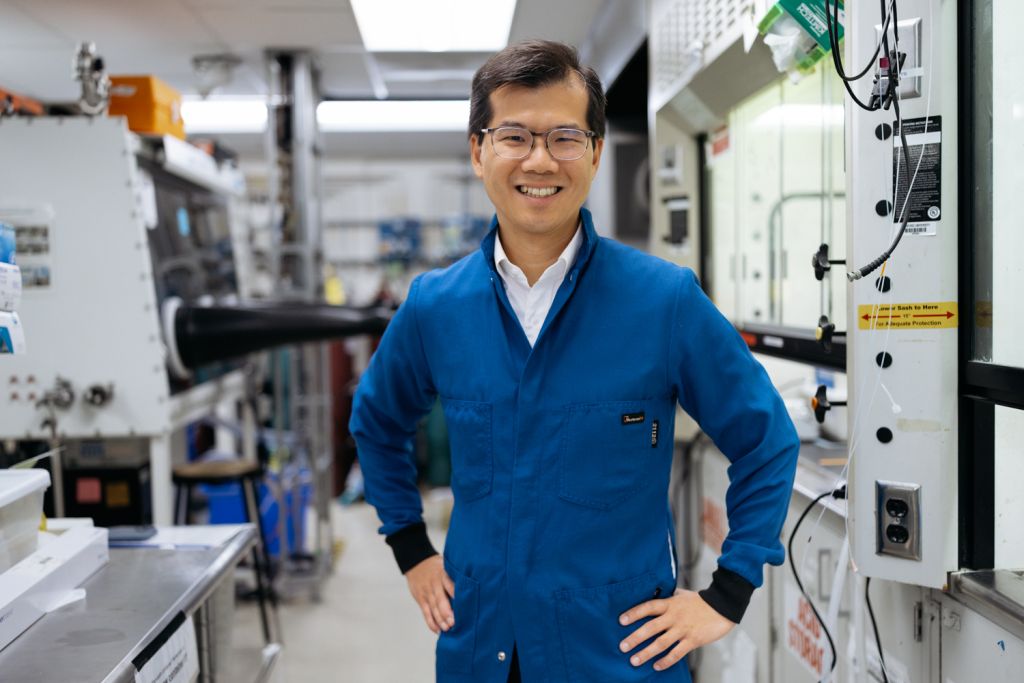
‘Necessity can drive innovation’
Research MattersProfile
AI is contributing to a rising demand for electricity – a pressing sustainability challenge. Professor Will Chueh says it can also be part of the solution.
Endangered Species Act ‘harm’ rule, explained
Government & PolicyAnalysis & Insights
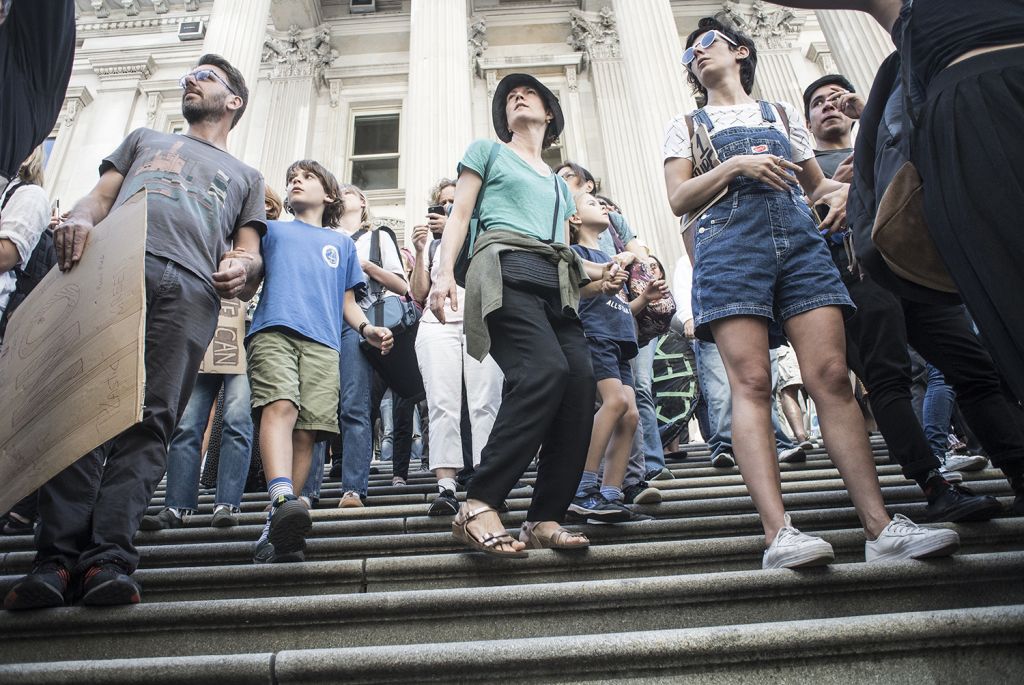
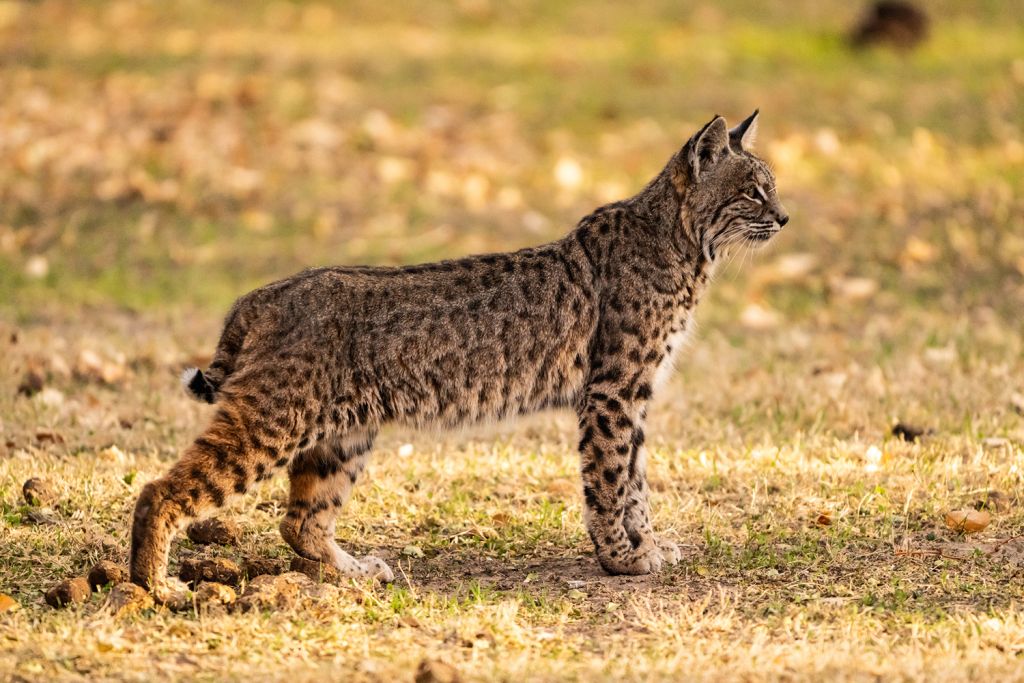
A new federal rule redefines “harm” to exclude habitat destruction under the Endangered Species Act. Stanford experts in law and biology explain why the change matters and which species have the most to lose.
How AI is helping states cut through decades of red tape
Social SciencesNews
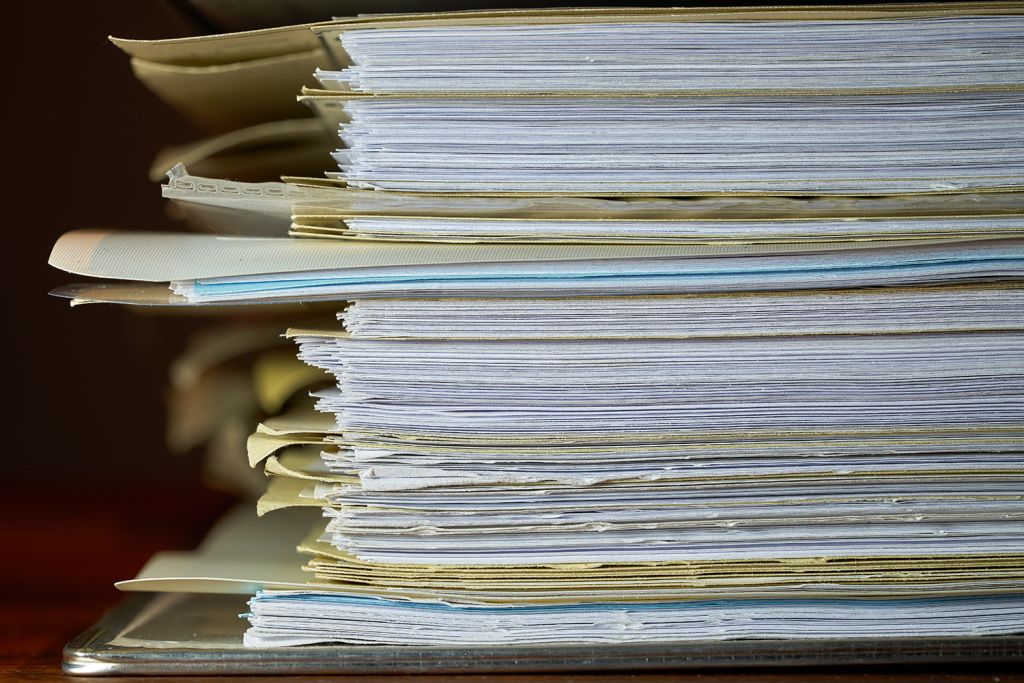
Stanford researchers scanned 500 million words of state law to reveal the stunning growth of reporting requirements, and are now giving governments a tool to clean them up.
Breakdown in immune cell cleanup may be key driver in aging
Health & MedicineNews
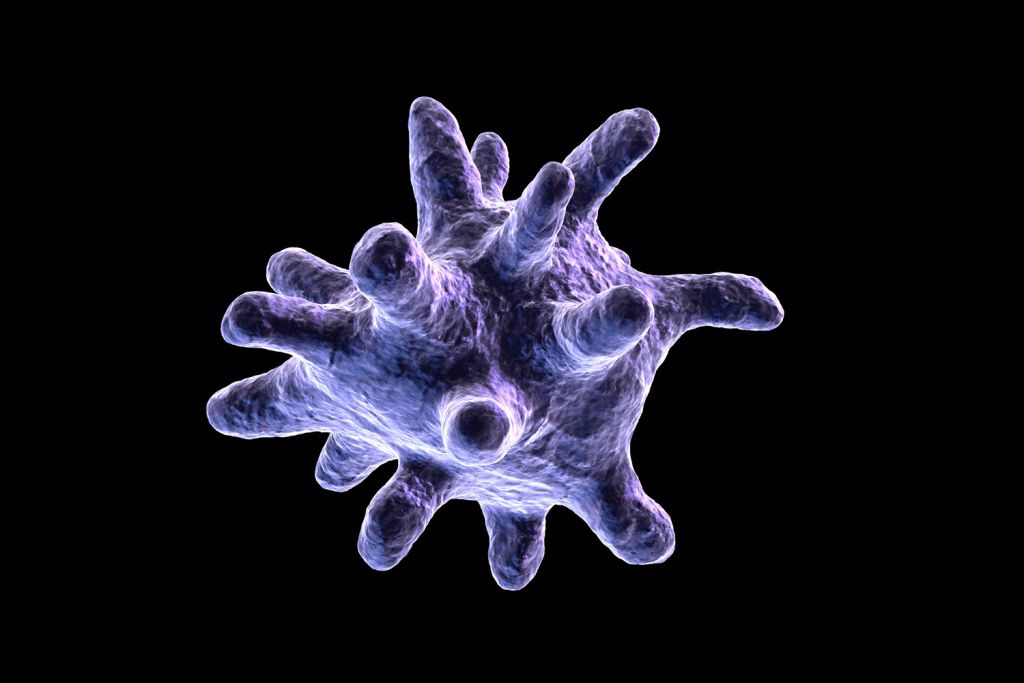
In mice, a decline in how well one immune cell clears out another appears to drive aging throughout the body, a finding that could inform future treatments for age-related decline.
Health & Medicine
MoreHealth & Medicine
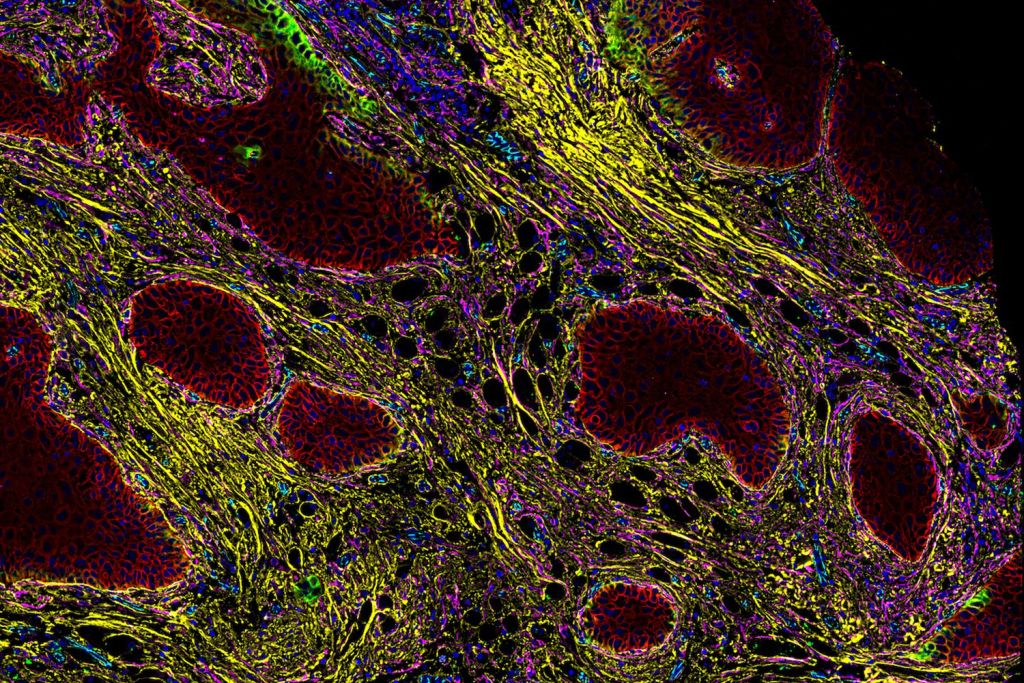
AI platform flips the script on how tumors are analyzed
Health & MedicineResearch
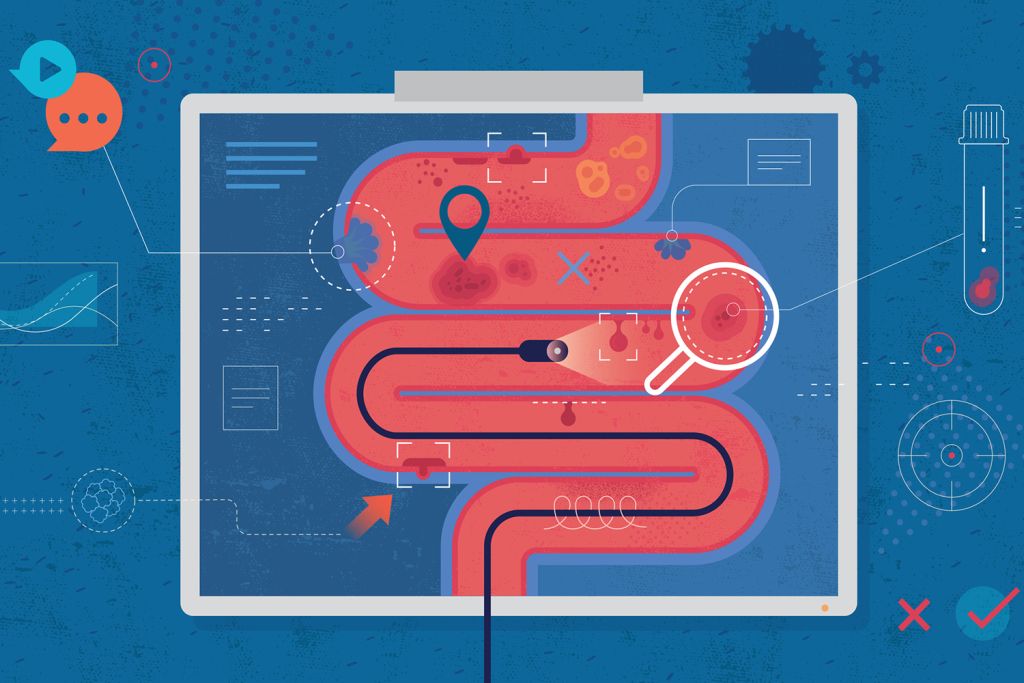
Cellular and molecular interactions around tumors give insight into their structures and weaknesses, but measuring them has been expensive and slow. A Stanford Medicine AI platform flips the script.
Stanford Medicine team to develop universal vaccine platform
Health & MedicineResearch
An $18 million grant will fund a new approach to broad-based protection against respiratory threats, from flu and COVID-19 to bacteria and allergens.
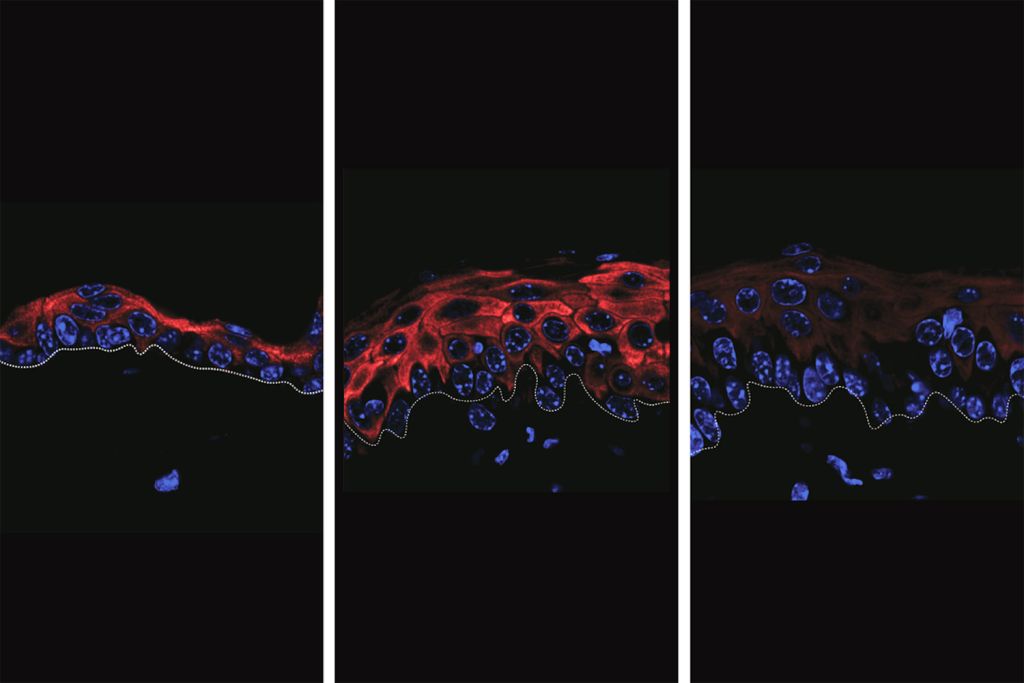
Two opposing proteins may hold key to healthy skin
Health & MedicineResearch
Modulating a molecular seesaw could reduce inflammation, aid wound healing, and curb skin cancer growth.
What’s next for pancreatic cancer treatment
Health & MedicineNews
A new drug is doubling survival times for one of the deadliest cancers. Stanford Medicine’s Daniel Delitto breaks down how it works and what else is on the horizon.
The future of menopause
When AI outperforms law professors
Trust the process: How to design teams that actually work

The Declaration of Independence as obligation
Engineering
MoreEngineering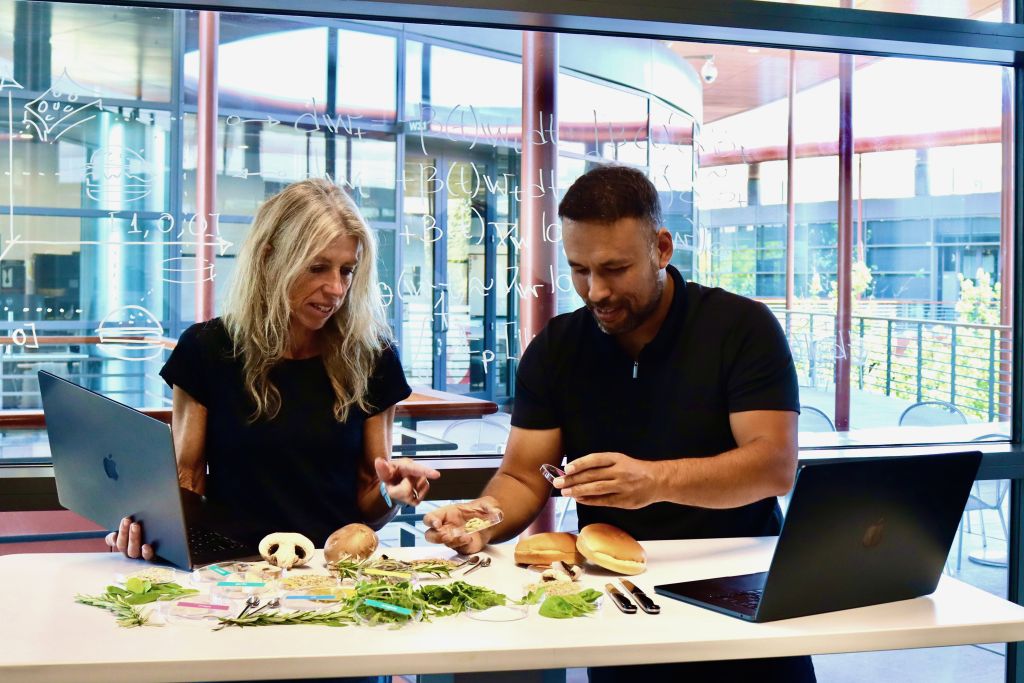
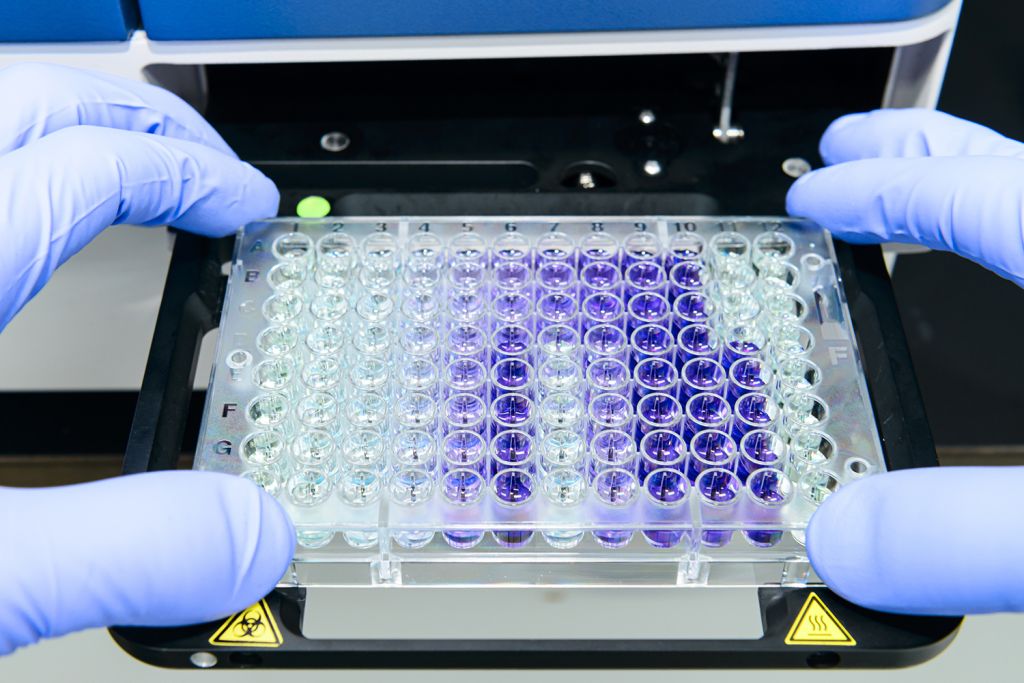
AI designs the ideal burger for taste, health, and planet
Science & EngineeringNews
Stanford researchers developed an AI tool that creates novel burger recipes optimized for individual preferences. The implications for science go well beyond food.
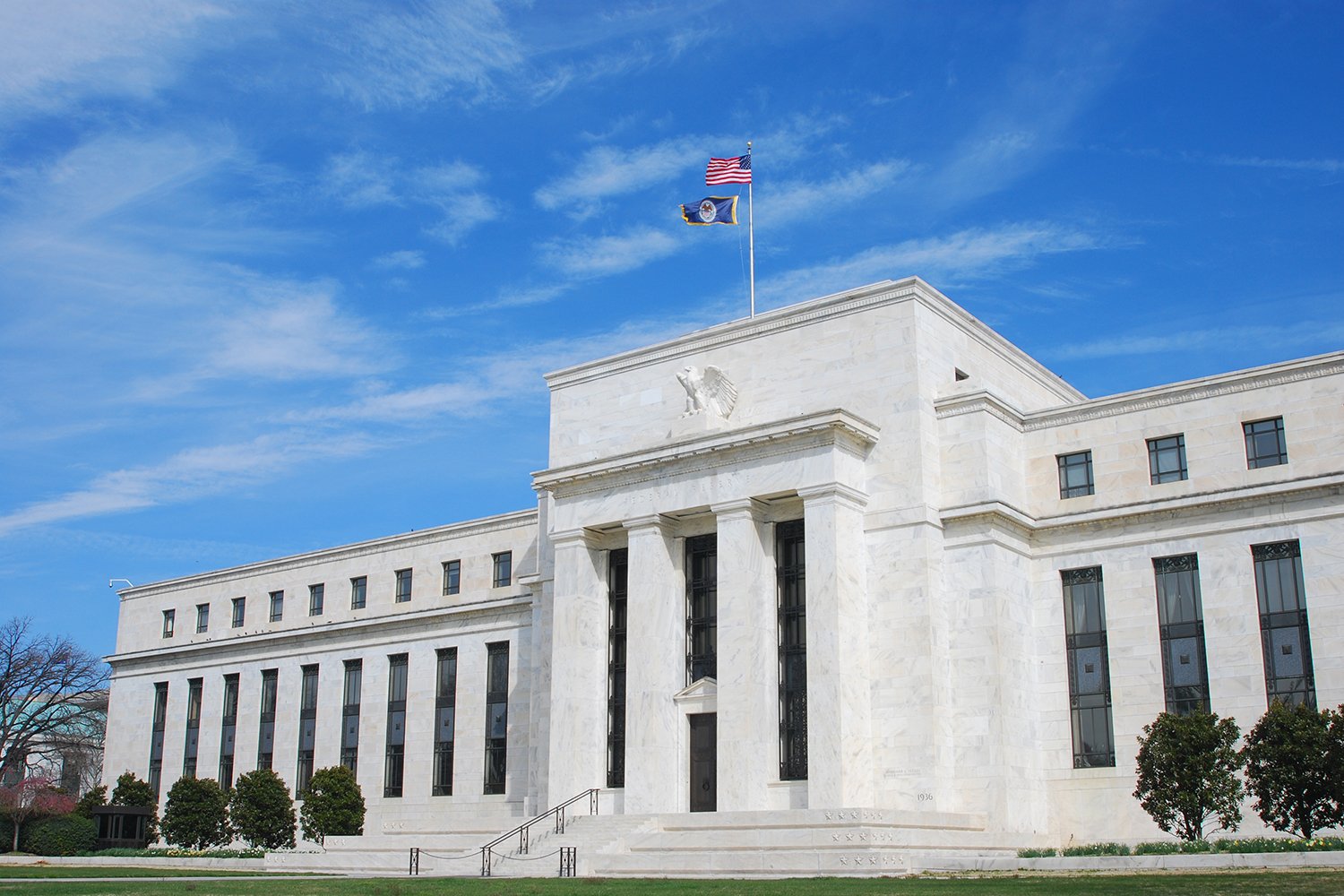
The U.S. economy in 2026: What to watch for
Researchers at SIEPR anticipate challenges, including tariff effects, a slowing job market, and rising costs, with potential impacts from AI and fiscal policies shaping 2026.
Read the full briefArts & Humanities
MoreArts & Humanities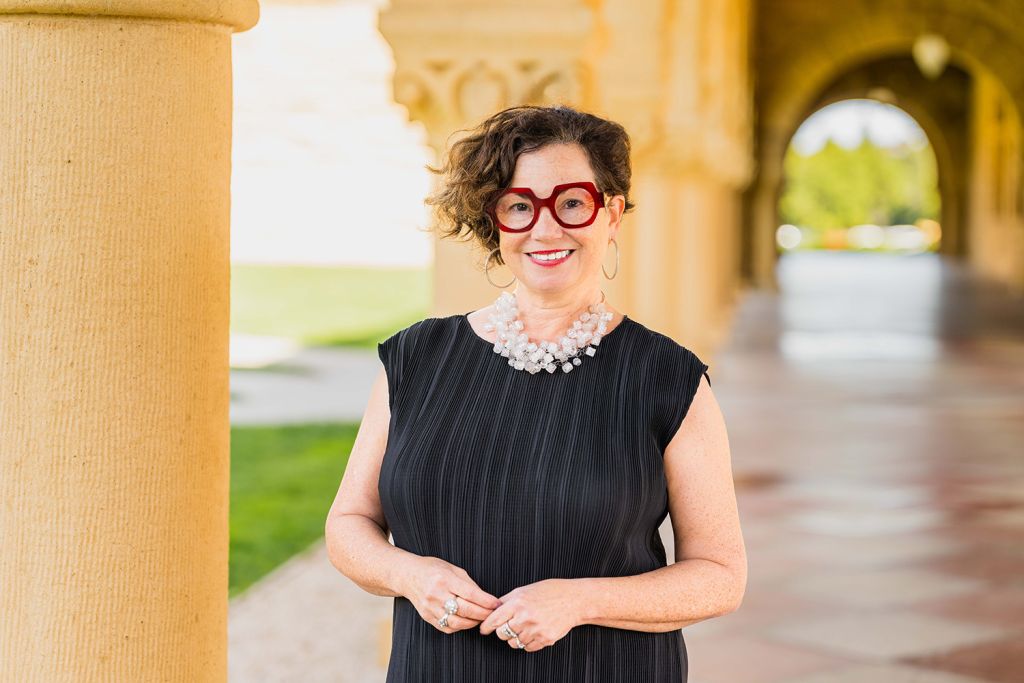
Sculptor forgotten by history finally gets her due
Arts & HumanitiesQ&A
Stanford Professor Jennifer DeVere Brody's new book examines the extraordinary life and legacy of Edmonia Lewis, a Black and Indigenous sculptor whose work is being rediscovered.
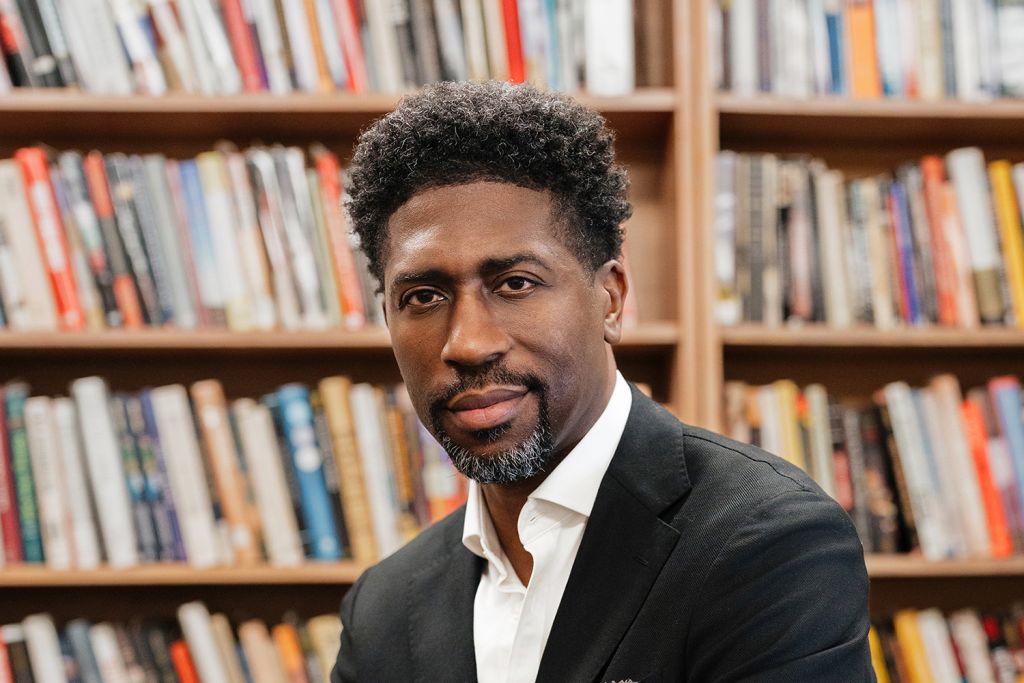
New book dives into overlooked childhood of MLK
Arts & HumanitiesQ&A
Lerone A. Martin, director of Stanford’s Martin Luther King Jr. Research and Education Institute, uncovers the boy behind the legacy in Young King.
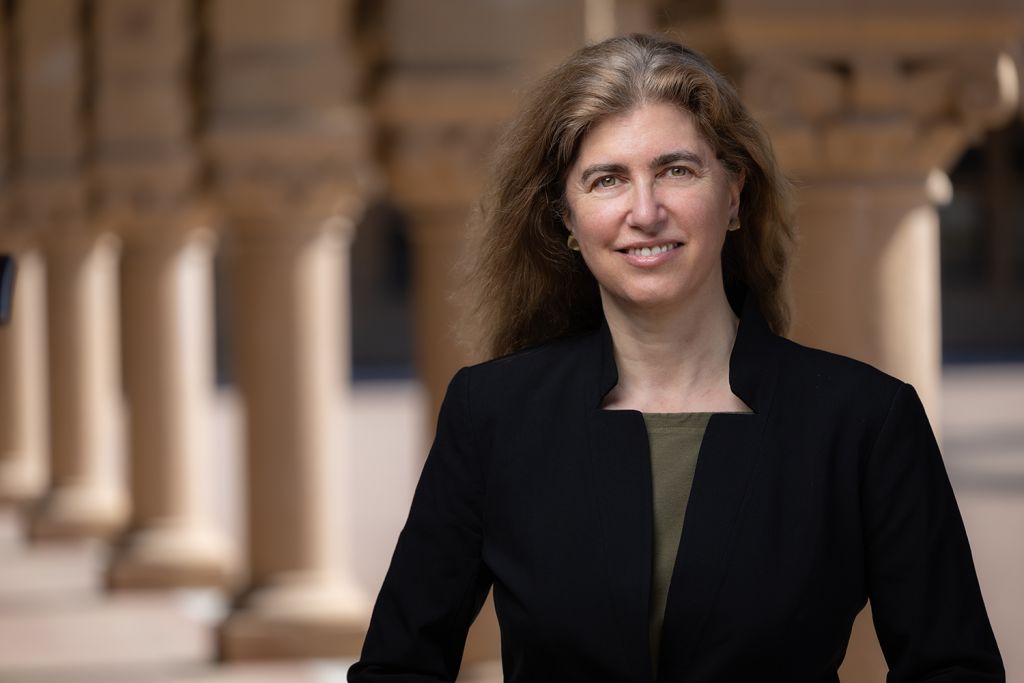
Diving into the mind of pioneering French biologist Jean-Baptiste Lamarck
Arts & HumanitiesNews
Jessica Riskin’s new book, The Power of Life, offers a deeply researched, amusing account of an overlooked figure.
Earth & Climate
MoreEarth & Climate
California’s home insurance crisis spreads beyond wildfire country
Earth & ClimateResearch
New Stanford research finds California homeowners insurance premiums up 84% since 2020, with the problem no longer confined to wildfire-prone areas.