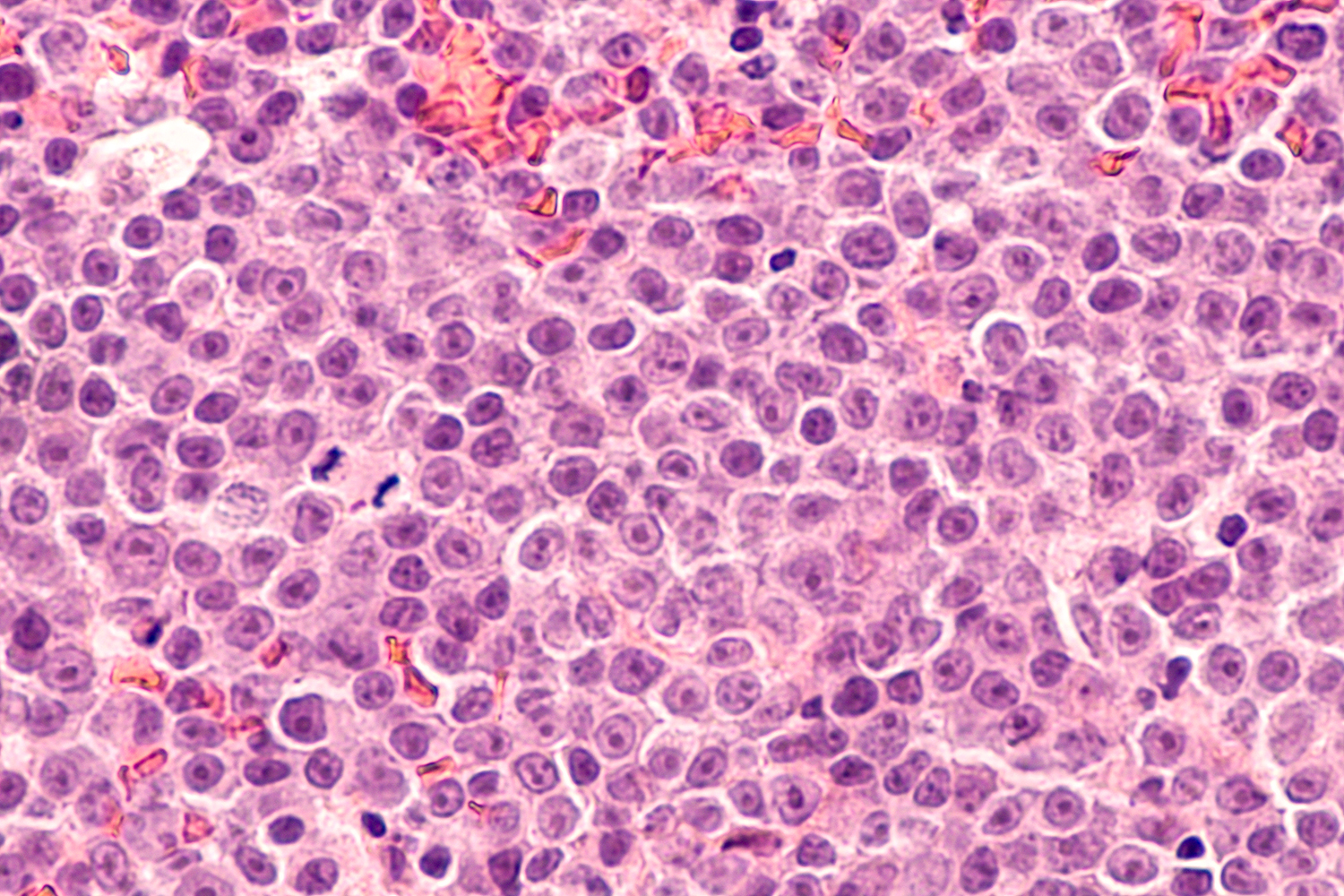
It’s not often that a new pancreatic cancer treatment makes major headlines. That’s because it’s not often that a new pancreatic cancer treatment makes a meaningful difference for patients.
But at the recent annual American Society of Clinical Oncology meeting in Chicago, news of a treatment described in one of thousands of studies presented there broke through.
A new drug, called daraxonrasib, was tested on patients with metastatic pancreatic cancer and has done something no drug ever has in this population – it doubled their survival times. The news inspired a standing ovation when the study, which was led by researchers at the Dana-Farber Cancer Institute and the MD Anderson Cancer Center, was presented – also not a typical response in the world of pancreatic cancer, one of the most lethal types of cancer.
Just 13% of patients with pancreatic cancer survive five years past their diagnosis.
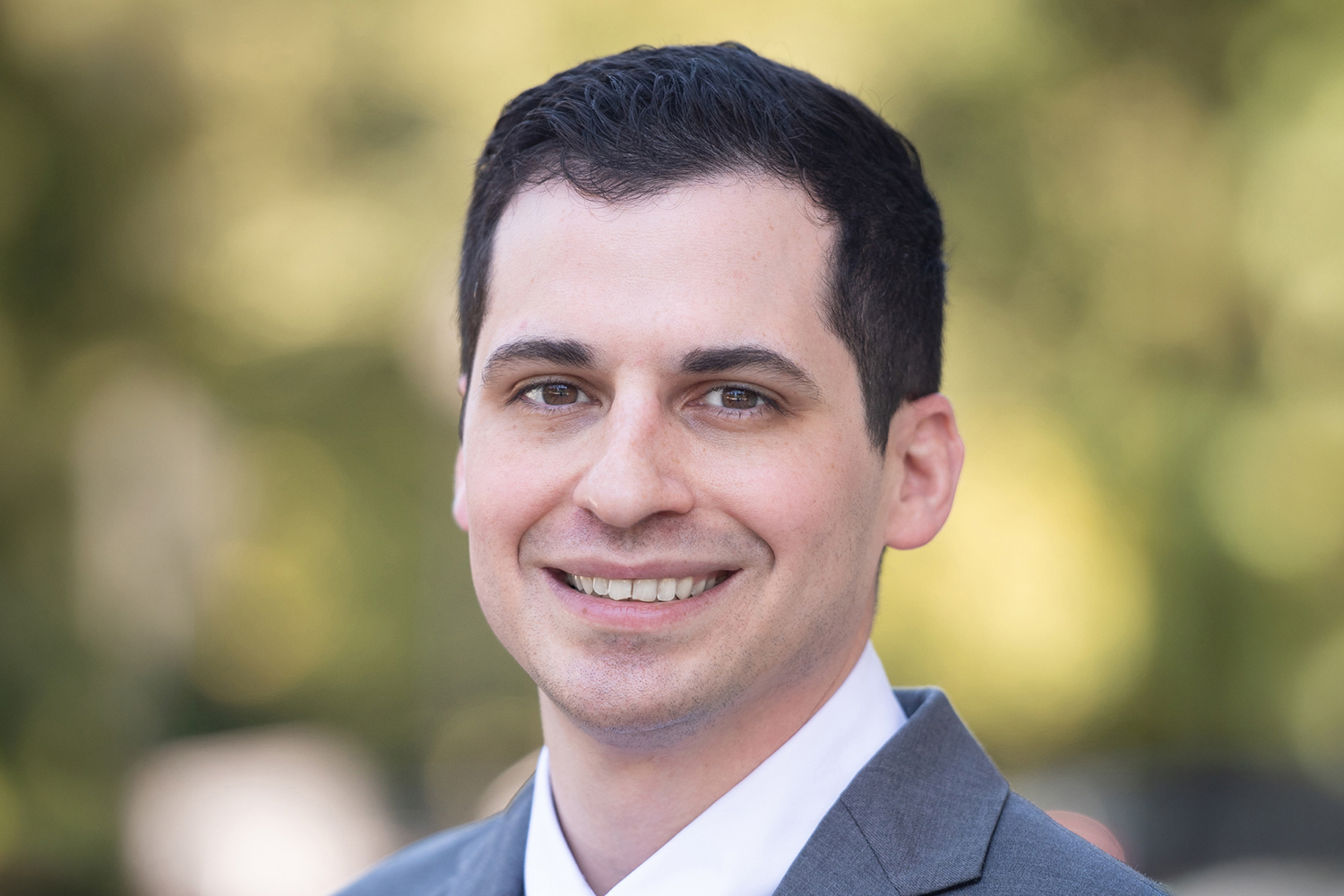
This news does not herald an end to this aggressive cancer, warned Stanford Medicine surgical oncologist Daniel Delitto, MD, PhD, who treats patients with pancreatic cancer, also called pancreatic ductal adenocarcinoma, and other abdominal cancers.
Patients taking daraxonrasib in the trial eventually developed resistance to the drug. Those who received standard treatment survived a median of 6.5 months, while those taking the experimental drug lived for a median of 13 months past the start of treatment. But it’s much more than patients have had before now, and with fewer side effects than standard chemotherapy.
“I don’t see it providing a cure, but it’s going to allow people to live with the disease,” Delitto said. “We’ve never had anything like that before.”
We asked Delitto to explain how daraxonrasib works, why pancreatic cancer is so hard to treat, and what else is on the horizon for pancreatic cancer patients. These are his top takeaways.
1. Pancreatic cancer has multiple barriers to treatment
Just 13% of patients with pancreatic cancer survive five years past their diagnosis, according to the American Cancer Society. That makes it one of the deadliest of all cancers. There are several reasons for this, Delitto said. For one, pancreatic cancer seems to metastasize very early in its growth. Many patients have tumors that have already spread in the body by the time they are diagnosed.
Another reason is that the pancreas is nestled deep in the abdomen, close to other important bodily structures. Pancreatic tumors are very likely to involve important blood vessels or other essential parts of the digestive system, making them difficult to remove surgically. Even for the 20% of patients where surgery is an option, the procedure to remove the cancer is brutal.
Known as the Whipple procedure, this intensive surgery involves removing the head of the pancreas as well as several adjacent parts of the digestive system, then reconnecting the pancreas, bile duct, and stomach to the remaining intestine. Recovery is slow, and surgery patients must also have very toxic chemotherapy to try to prevent the cancer’s recurrence.
“It’s a lot to go through,” Delitto said. “And even if they go through all that, the chance of it coming back is still around 80%.”
As for nonsurgical treatment, pancreatic cancer is especially resistant to chemotherapy and immunotherapy. That’s in part because it recruits and forms a sticky, gooey shell of biological material from non-cancerous cells around it. Known as fibrosis, this extracellular material forms near-impenetrable walls around tumors that shield the cancer from immune recognition and from many of chemotherapy’s cancer-killing effects. Delitto’s lab is working on ways to make that sticky wall more permeable to the body’s natural immune defenses.
Patients who are not eligible for surgery are offered chemotherapy, but the form of chemotherapy used for pancreatic cancer is particularly harsh, leaving patients very sick. It also doesn’t typically buy them much time before the tumors grow back, Delitto said. Many of his patients who aren’t eligible for surgery decline to take this chemotherapy, knowing it won’t do much to extend their lives.
“It’s a very persistent tumor. Even when you treat it with chemo and it goes well, it comes back. When you hit it with radiation, it comes back. When you do surgery, it comes back,” he said. “Right now, without a more effective therapy with fewer side effects, we’re stuck in this cycle of recurrence.”
2. Daraxonrasib overcomes ‘undruggable’ status
Unlike most other types of cancers that have a variety of genetic drivers, more than 90% of pancreatic tumors are driven by spontaneous mutations in a gene known as KRAS. The protein made by this gene, K-Ras, drives cellular growth when it is active. The cancer-linked mutations in KRAS leave the protein stuck in an always-on state.
While chemotherapy works broadly to inhibit cell growth, targeted cancer drugs bind to and block specific proteins that are necessary for that tumor to survive. Many such drugs, also called small molecule inhibitors, have been developed in recent years and have changed survival statistics for several cancers.
But K-Ras has long been considered out of reach. That’s because small molecule inhibitors burrow into tiny pockets on the surfaces of their targets to block their function – but no such tiny pocket exists in the K-Ras protein. It’s been dubbed a “greasy ball” by some researchers for its lack of surface niches.
“For the past 15 or so years, you go to all these oncology conferences and they’ll have sessions called, ‘Where are we with the undruggable K-Ras?’” Delitto said. “Despite so many attempts and so much incremental knowledge, we’ve never been able to hit it really well.”
Daraxonrasib works differently: It tethers the K-Ras protein to another naturally occurring protein in such a way that K-Ras’s active regions are blocked. Some call this method a molecular clamp, Delitto said. Because of this method of action, daraxonrasib should be able to inhibit any mutated K-Ras protein – which accounts for most cases of pancreatic cancer.
3. The drug is not yet approved, but certain patients may be able to access it
The study that was presented at the recent oncology meeting was a phase 3 clinical trial, the stage of clinical trial that is typically used to apply for approval from the Food and Drug Administration. The drug’s manufacturer, the Redwood City, California, pharmaceutical company Revolution Medicines Inc., recently received what’s known as “expanded access” from the FDA. Oncologists can now apply for access to daraxonrasib for certain patients, namely those with metastatic pancreatic cancer who have already been treated with another therapy and still seen their cancer progress.
I don’t see it providing a cure, but it’s going to allow people to live with the disease. We’ve never had anything like that before.
Stanford Medicine will soon join an ongoing phase 3 trial run by Revolution Medicines that will test daraxonrasib’s efficacy in pancreatic cancer patients who have undergone surgery and chemotherapy, in the hope that the drug will better prevent tumor recurrence in surgery patients as well. Eventually, Delitto hopes the medication will be offered to a broader pool of pancreatic cancer patients and not just those who have already tried other treatments that have failed to treat their tumors. It also could one day expand the pool of patients for whom surgery is an option, he said, if it shrinks tumors that are tangled with blood vessels or other organs enough that they could be safely removed.
4. There is a quality-of-life component
Daraxonrasib is an oral pill and, while it’s not completely without side effects, it seems to have fewer toxic side effects than the kind of chemotherapy pancreatic cancer patients must take.
The most common side effects reported in the clinical trial presented at the conference were severe rashes and mouth sores. Those more tolerable side effects are very appealing for his patients, Delitto said, many of whom are older – the average age at diagnosis for pancreatic cancer is 70.
“Now you’re opening up this whole quality-of-life chapter for patients that they just never had before,” he said.
5. Pancreatic cancer vaccines are in earlier stages, but hold promise
In other promising news shared at the ASCO conference, patients who responded to a personalized pancreatic cancer vaccine developed by researchers at Memorial Sloan Kettering Cancer Center are still alive several years after the beginning of the trial. That study was a phase 1 clinical trial, smaller and more preliminary than the daraxonrasib trial, but the companies involved have since opened a larger, phase 2 trial. The vaccine uses mRNA, the same technology that underlies the most commonly given COVID vaccines.
While most of us might think of preventive flu or measles shots when we hear the word vaccine, scientists also use the term for therapeutic injections that train a patient’s immune system to recognize and attack something already present in the body – in this case, a tumor. Therapeutic vaccines for some kinds of melanoma, bladder cancer, and prostate cancer have received FDA approval, and many more types of cancer vaccines are currently making their way through clinical trials.
In the study presented at ASCO, the scientists sequenced patients’ pancreatic tumors removed during surgery and built bespoke vaccines tailored to their cancer genomes. Out of the 16 patients in the trial, eight mounted a lasting immune response to the tumor after receiving the vaccine. Out of those eight, seven are still alive now, four to six years later, and haven’t seen a recurrence of their cancers.
“This is a pretty remarkable accomplishment,” Delitto said. “The promise of it is that cure word that we’re always warning patients we can’t really say right now for pancreatic cancer.”
For more information
This story was originally published by Stanford Medicine.
Media contact
Lisa Kim
650-723-6696
likim@stanfordhealthcare.org
Writer
Rachel Tompa