Climate change is often discussed in terms of technologies and policies, but outcomes also depend on how people respond to information and whether they choose to take part in collective efforts like voting and community organizing.
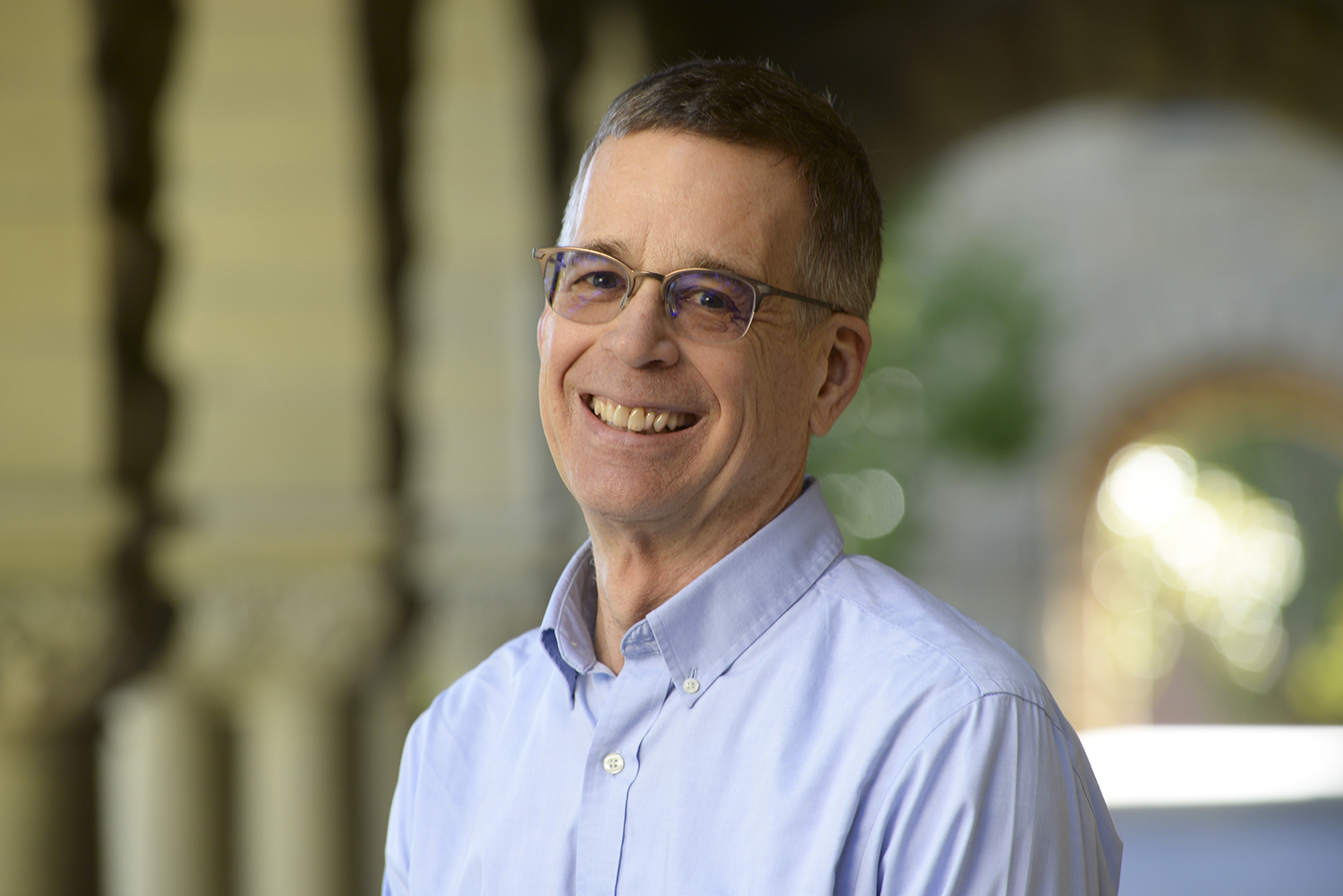
Madalina Vlasceanu, assistant professor of environmental social sciences in the Stanford Doerr School of Sustainability, studies the psychology behind people’s decisions to urge governments and corporations to take climate action.
“Individuals working together can not only apply collective pressure on policymakers but also shift culture to help solutions become systemic and mainstream,” she said. “That’s where the power of the public lies.”
Much of Vlasceanu’s work involves surveys, randomized trials, and the analysis of massive datasets to test scalable, low-cost interventions and measure their effects on beliefs and behavior. The goal is to understand which approaches and conditions reliably motivate engagement.
“I think of climate engagement as a menu of different actions people may take,” says Vlasceanu. “For each action, we’re trying to understand the psychological process that motivates people.”
Here are four key facts based on Vlasceanu’s research and field of work.
People act when they believe climate solutions work.
Psychology research consistently finds that people are more likely to participate in collective efforts when they believe those efforts can meaningfully reduce perceived climate risks.
“One of the strongest drivers of climate action is the belief that proposed climate solutions are effective,” said Vlasceanu. “People are much more likely to participate when they think their actions contribute to real progress.”
In a January 2026 study of more than 32,000 Americans, Vlasceanu and colleagues tested 17 climate engagement mechanisms to see which moved participants to advocate publicly, engage politically, or contribute financially. Examples of actions in these categories include joining a climate demonstration, writing to one’s representative, donating money to an environmental organization, or moving assets away from banks that invest in fossil fuels.
When people believe governments can successfully address climate challenges, they are much more likely to become engaged themselves. Government action and public participation reinforce one another.Madalina VlasceanuAssistant Professor of Environmental Social Sciences
The most effective interventions highlighted examples of successful collective action and demonstrated how public engagement had contributed to meaningful policy change. Recent examples include youth demonstrations in support of climate legislation such as the Inflation Reduction Act of 2022, Vlasceanu said.
“We are constantly exposed to information about climate impacts,” Vlasceanu said. “What people hear far less often are examples of solutions that are already working. Those examples help people see that progress is possible.”
Collective action becomes more appealing when people benefit personally.
People often join collective efforts for both societal and personal reasons. Climate engagement increases when actions are framed not only as beneficial for the environment but also as opportunities to build relationships, find meaning, and contribute to something larger than oneself.
In the January 2026 study, messages that emphasized both the effectiveness of climate action and its social and emotional benefits increased willingness to take steps such as sharing a video, initiating a conversation about climate change, or signing up for a climate-focused newsletter by up to 30%.
“The most effective messages show that climate action is both impactful and rewarding,” Vlasceanu said. “People want to make a difference, but they also want to feel connected to others and see value in their participation.”
Messages emphasizing both the effectiveness of climate action and its social and emotional benefits increased engagement by up to 30%.
Confidence in government effectiveness predicts climate engagement.
In research published June 21 in Nature Communications Earth & Environment, Vlasceanu and colleagues found that beliefs about government effectiveness may be even more important than beliefs about individual action.
This perception has to do with how much people believe that elected officials, public agencies, and other parts of government can and will respond to problems and collective threats. Historical examples of this kind of government action include air traffic control, reducing ozone-depleting chemicals, and weather forecasting.
The researchers found that confidence in the government’s ability to address complex environmental problems was the strongest predictor of climate engagement across multiple forms of action, including advocacy, political participation, financial contributions, and lifestyle changes.
“When people believe governments can successfully address climate challenges, they are much more likely to become engaged themselves,” Vlasceanu said. “Government action and public participation reinforce one another.”
The relationship was particularly strong among participants who identified as Republicans. Although this group reported lower average confidence in government climate action than Democrats, the more they perceived the government as effective, the more they engaged in climate action.
Showing how government action has led to local gains like economic growth can shape future support for climate policies or investments.
Policies can create jobs, build infrastructure, and stimulate economic growth, but those outcomes do not automatically translate into political support for the leaders who produced them.
Online surveys examining how 5,000 Americans across nearly every state perceived clean-energy investments following the Inflation Reduction Act found no evidence that they connected local economic developments, such as job creation and new factories for solar panels and batteries, to the federal law that helped make them possible. Instead, survey respondents frequently attributed those benefits to state or local leaders.
These attribution patterns matter because they influence whether people support future public climate investments.
“You can design effective policies and deliver tangible benefits,” Vlasceanu said. “But if people don’t understand how those benefits were created, they may not develop greater support for the policies or leaders that produced them.”
According to Vlasceanu, successful climate policy requires more than implementation. It also requires helping the public see how collective decisions and government action lead to tangible improvements.
Featured expert
Madalina Vlasceanu
Assistant professor of environmental social sciences in the Stanford Doerr School of Sustainability
Research group: Climate Cognition Lab
Assistant professor (by courtesy) of organizational behavior in the Graduate School of Business; faculty fellow at Stanford Impact Labs and Center for Affective Science; faculty affiliate at the Woods Institute for the Environment, Sustainable Societies Initiative, and Center on Philanthropy and Civil Society (PACS)
Current research: Cognitive and social drivers of climate awareness and action at the individual, community, and system levels

For more information
This story was originally published by Stanford Doerr School of Sustainability.
Writer
Katie Jewett