


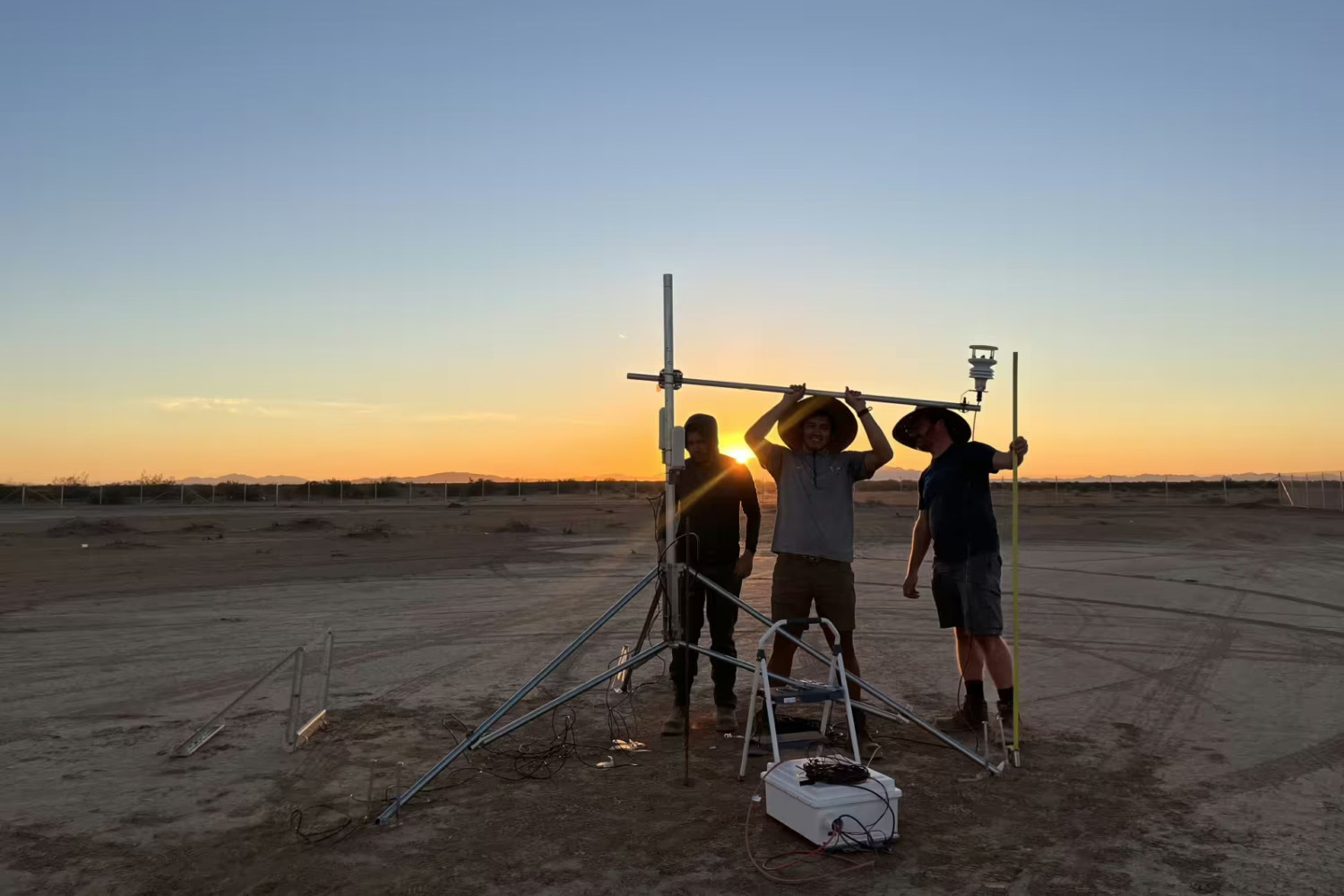
Satellites detect methane emissions in large-scale test
Research
In a yearlong experiment, satellites designed to monitor methane detected 92-100% of controlled releases on clear days.

How a decade of emissions intensified Europe’s heat waves
News
A new study finds emissions since 2015 made recent heat waves more intense, underscoring the need to prepare for even hotter conditions ahead.
A new approach to forecasting toxic metals in wildfire smoke
Video
Wildfires can turn natural metals in soil into toxic, airborne particles. Stanford researchers are working to predict where these metals travel and warn people in harm’s way.
Inside the race to prepare cities for extreme heat
Video
Stanford researchers are working to help cities adapt to extreme weather and keep people and buildings cool during severe heat waves.
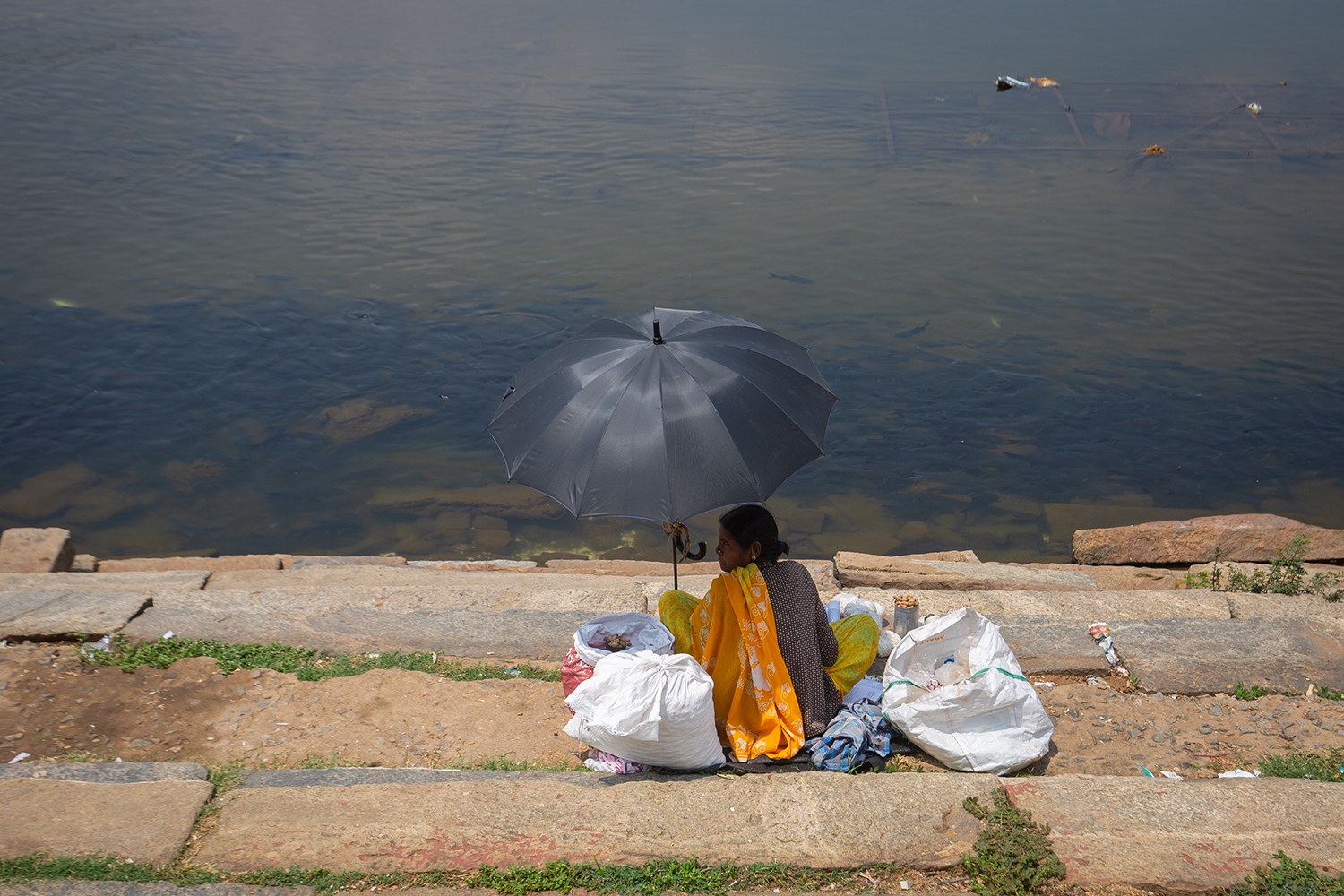
Study maps extreme heat risks for older adults
Research
A global analysis finds that aging populations may face intolerable heat more often, in more places, and for longer than previous estimates showed.
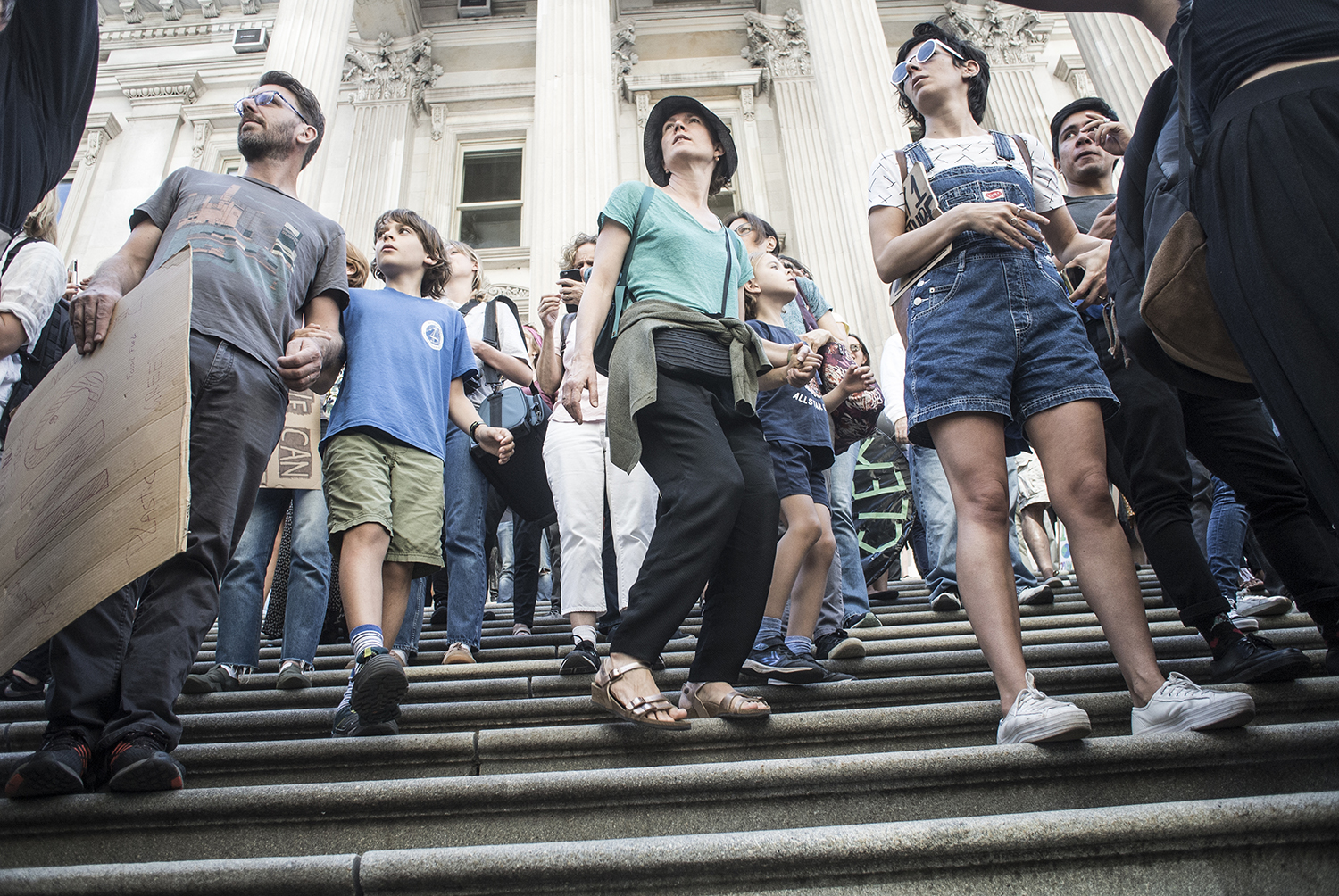
What actually motivates people to take climate action
Analysis & Insights
Stanford behavioral scientist Madalina Vlasceanu studies the psychology behind climate engagement. Here are four key findings from her research.
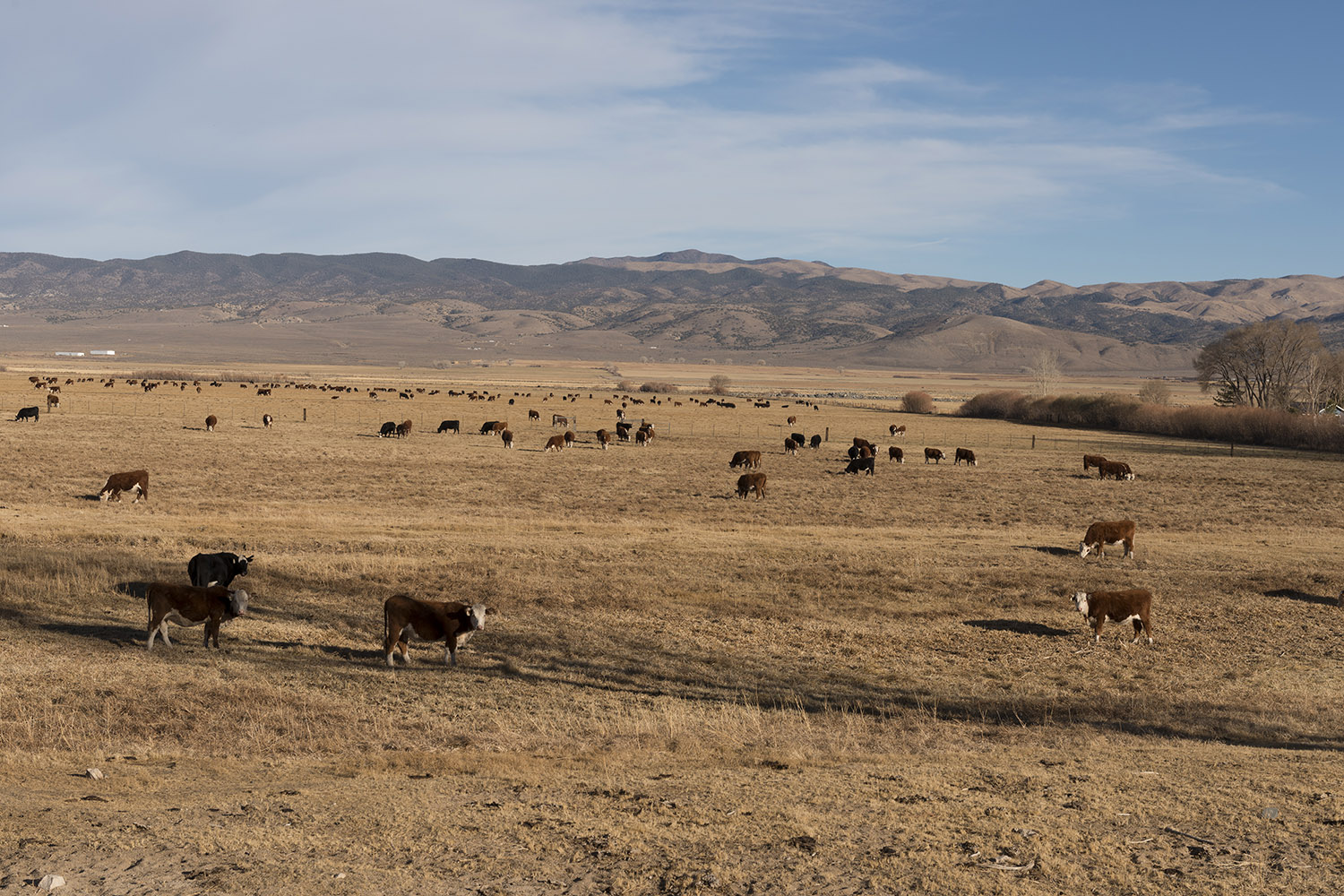
The climate trade-offs of changing livestock grazing
News
New research finds that reforming livestock grazing practices can boost carbon storage, though supply chain emissions may offset the gains.
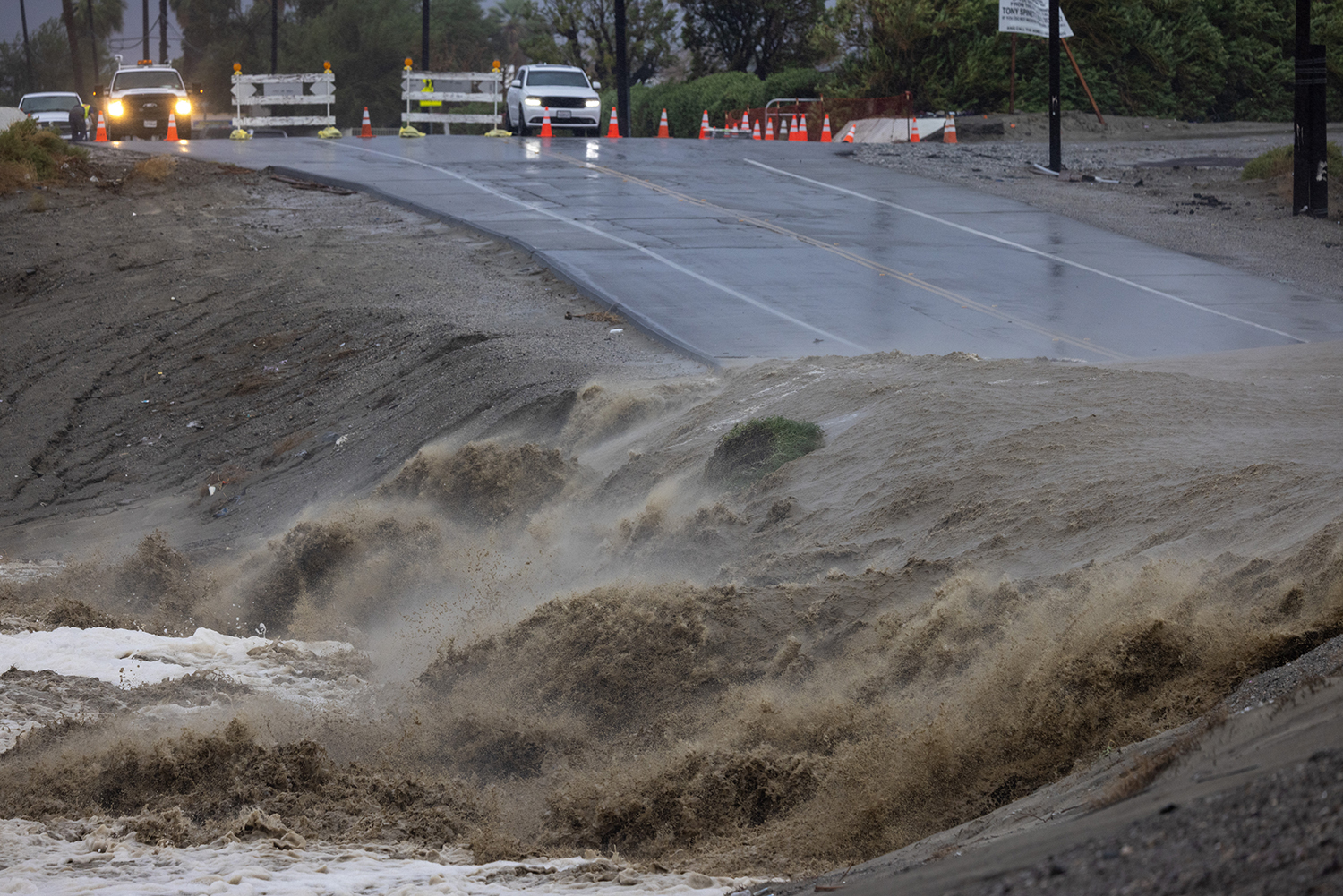
Southern California faces growing hurricane and landslide risk
Research
Climate change could make historically rare tropical cyclones more common in Southern California, significantly expanding landslide risk across the region by 2050.

Cutting cement emissions at a reasonable cost is within reach
Research
Cement production accounts for roughly 8% of all CO2 emissions worldwide. New research reveals methods that could reduce emissions by up to 96% with only modest increases in production costs.
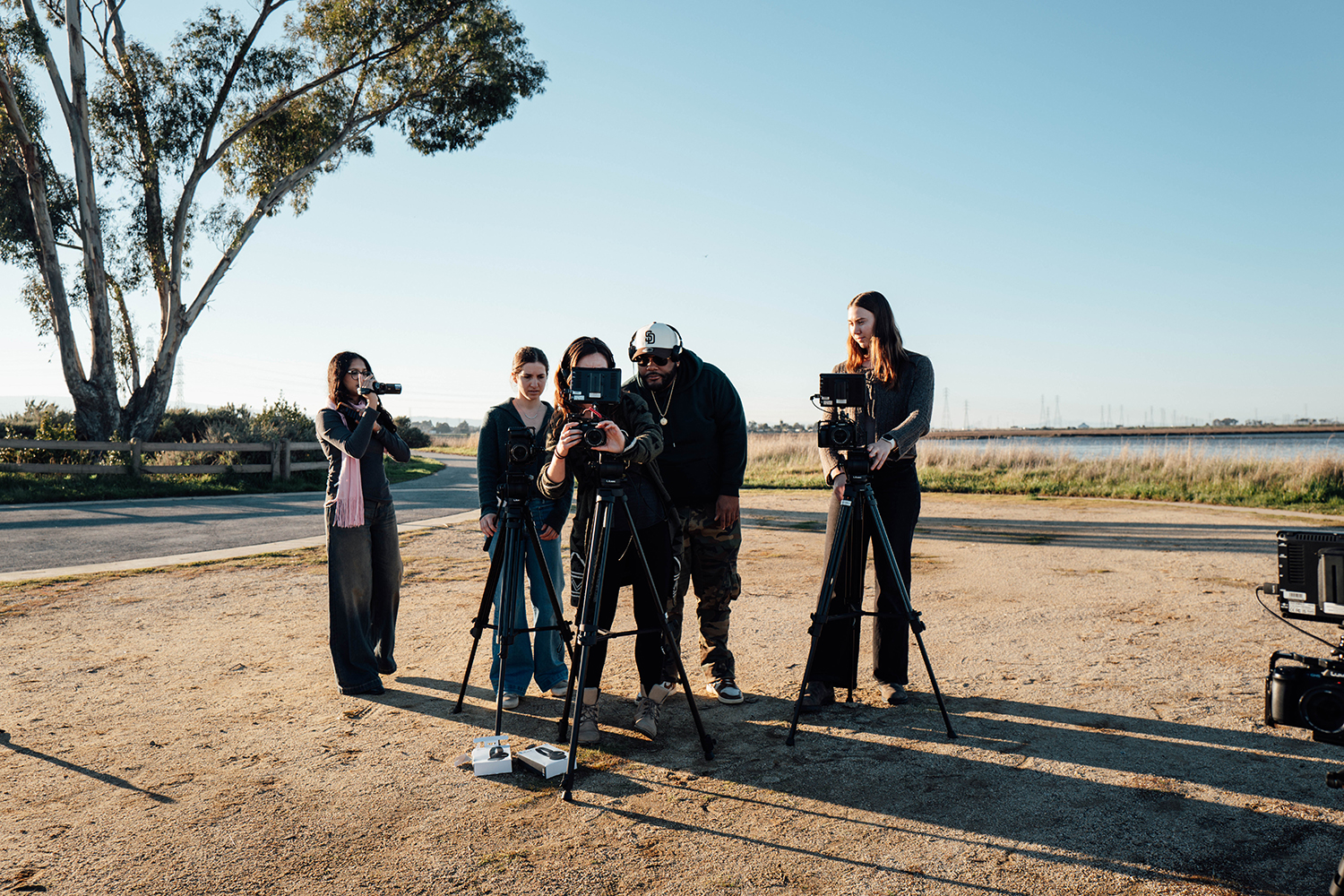
Environmental stories come to life through student filmmakers
News
In EARTHSYS 285, Stanford students learn documentary filmmaking while partnering with local communities to create visual stories about environmental issues.