In brief
- Along Maryland’s Eastern Shore, sea level rise and storms threaten family-owned woodlots that fuel the local economy and store carbon.
- The saltwater kills trees, creating “ghost forests.” Researchers are monitoring the salinity of forest soil and identifying government programs that could help landowners transition out of timbering as conditions worsen.
- Supported by the Stanford Sustainability Accelerator, the team is expanding a digital tool to help woodlot owners and farmers weigh their options at various stages of saltwater intrusion.
A woodlot owner might have only one chance to harvest timber in their lifetime.
This is often the case in Maryland, where the loblolly pine is the primary species grown for lumber. The tree takes half a century to grow 80 feet or more, the ideal height for telephone poles and pier pilings.
Like many regions of the world, Maryland has endured drought and pests such as the pine bark beetle that kills trees. Along the state’s Eastern Shore, an eight-county region that runs the length of Chesapeake Bay, the forests face an additional risk: saltwater intrusion in the soil.
“We get apprehensive every time we see the water,” said Rick Abend, who has managed his 100-acre property in coastal Dorchester County for timber, hunting, and crops since 1972. “We know it’s been on the increase.”
When saltwater seeps into the ground, it infiltrates groundwater, the natural freshwater reservoirs that saturate the soil and nourish tree roots. Most species can’t tolerate high salt content in groundwater.
We get apprehensive every time we see the water. We know it’s been on the increase.Rick AbendOwner of Abend Hafen Tree Farm in Dorchester County, Maryland
A 2012 study found that from 1970 to 2009, the rate of sea level rise along portions of North America’s east coast, including Massachusetts, was more than triple the global average. In addition to this long-term intrusion, storms can suddenly overwhelm marshes, flooding the land with seawater.
“Saltwater intrusion can go unnoticed for a long time until suddenly, the trees are dead,” said Elliott White Jr., an assistant professor of Earth system science in the Stanford Doerr School of Sustainability, and an expert in climate change impacts on coastal ecosystems. “It’s an insidious problem that is hard to communicate urgency for.”
White has teamed up with other researchers at Stanford and the University of Maryland to monitor saltwater progression in forests along the Eastern Shore, part of a project supported by the Stanford Sustainability Accelerator in the Doerr School of Sustainability. The group is also learning from local landowners about changes they’re observing, like unseasonal turns in leaf color, which may be linked to saltwater intrusion. The researchers are measuring salinity levels in groundwater throughout the region and analyzing them alongside landowners’ observations to identify reliable early indicators of rising salinity.
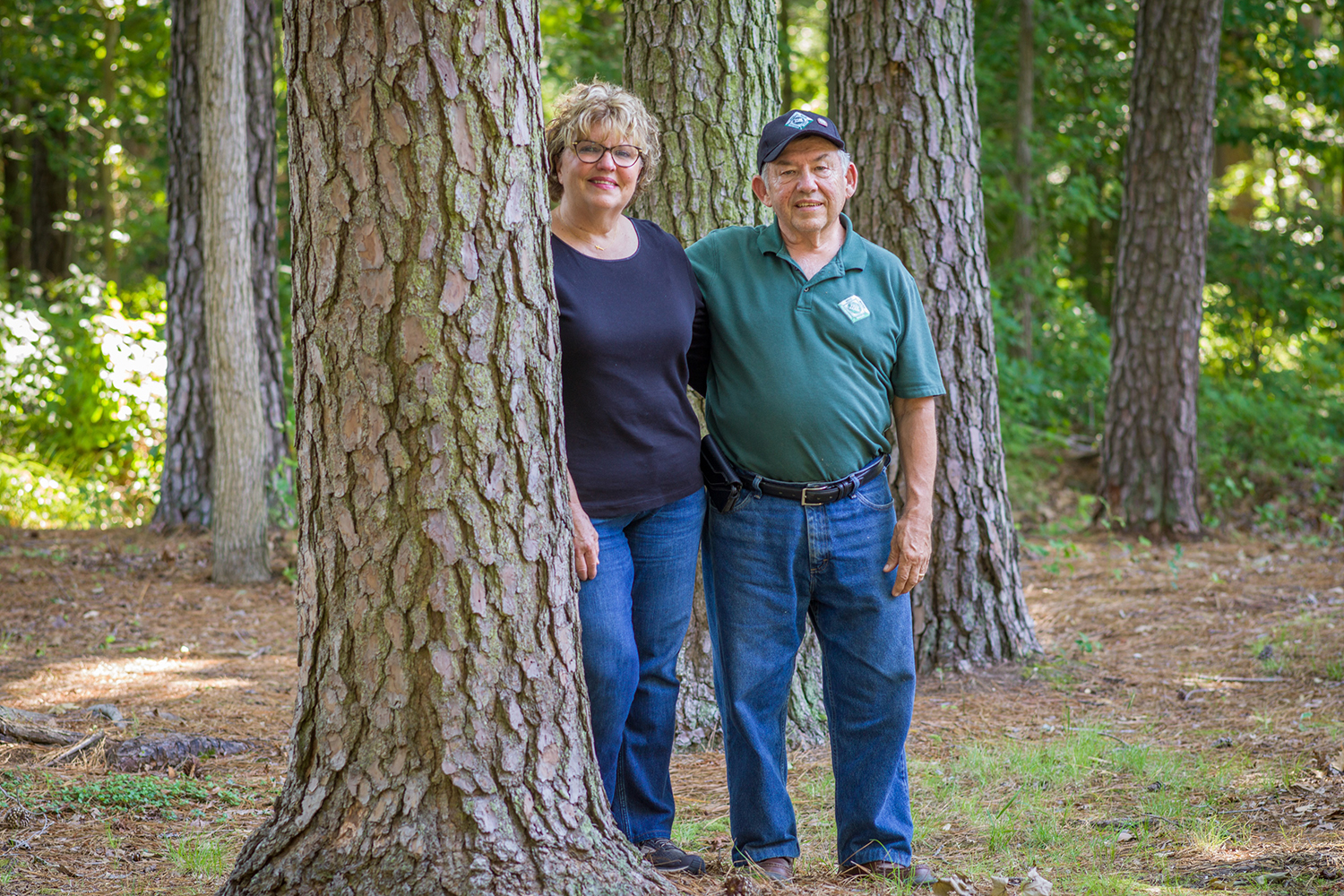
Kathy and Rick Abend, owners of Hafen Tree Farm in Dorchester County, Maryland, stand beside a towering loblolly pine on their 100-acre coastal property. | Edwin Remsberg / remsberg.com
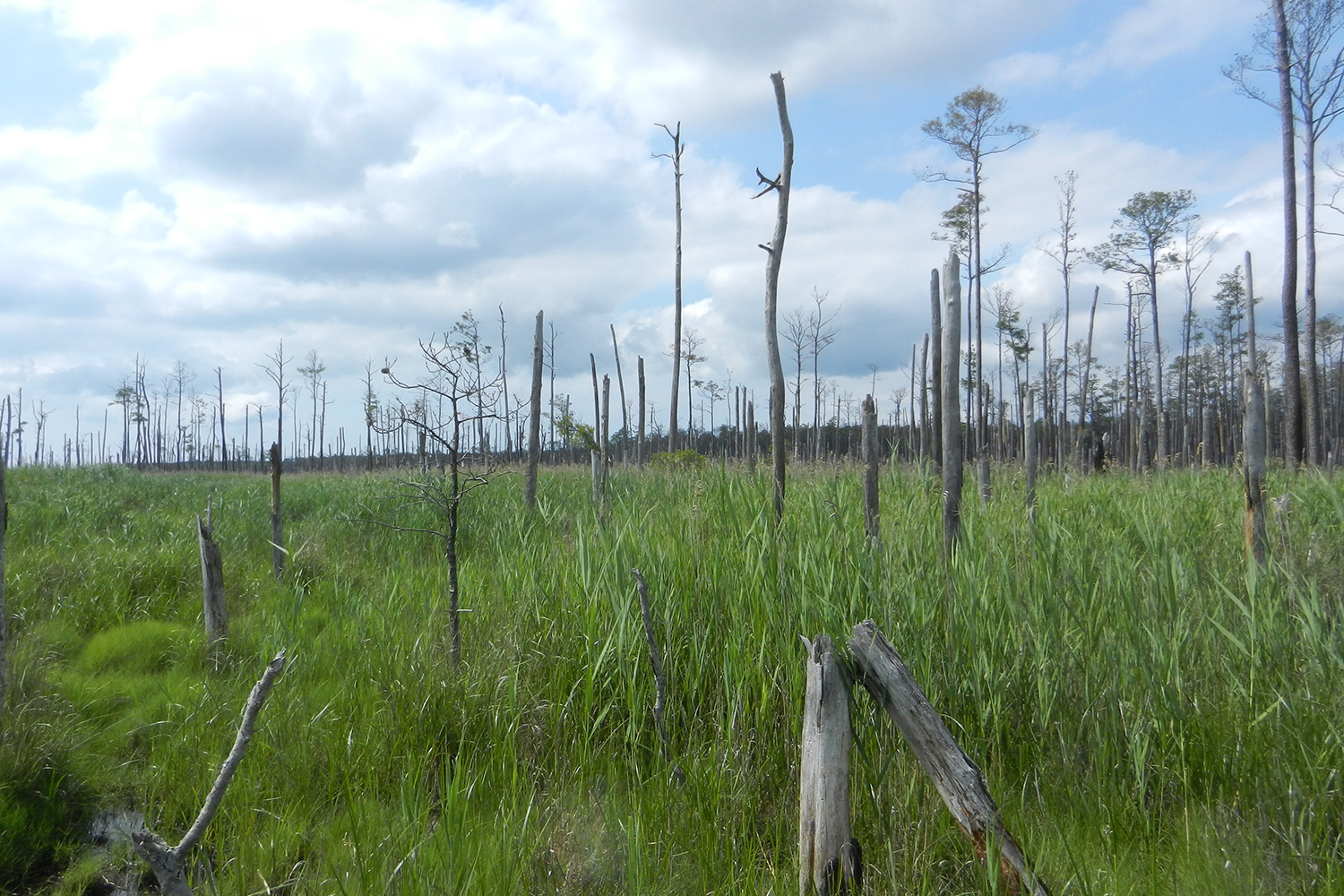
The Blackwater National Wildlife Refuge, pictured here, is 2 miles down the road from the Abend property in Dorchester County, Maryland. When saltwater infiltrates groundwater, its particles bind to clay, rendering the soil too salty and turning trees into ghost forests. “The ghost forest is just a bunch of dead sticks. That’s all that’s left of the trees,” said Abend. | Kyle Derby / USGS Patuxent Wildlife Research Center
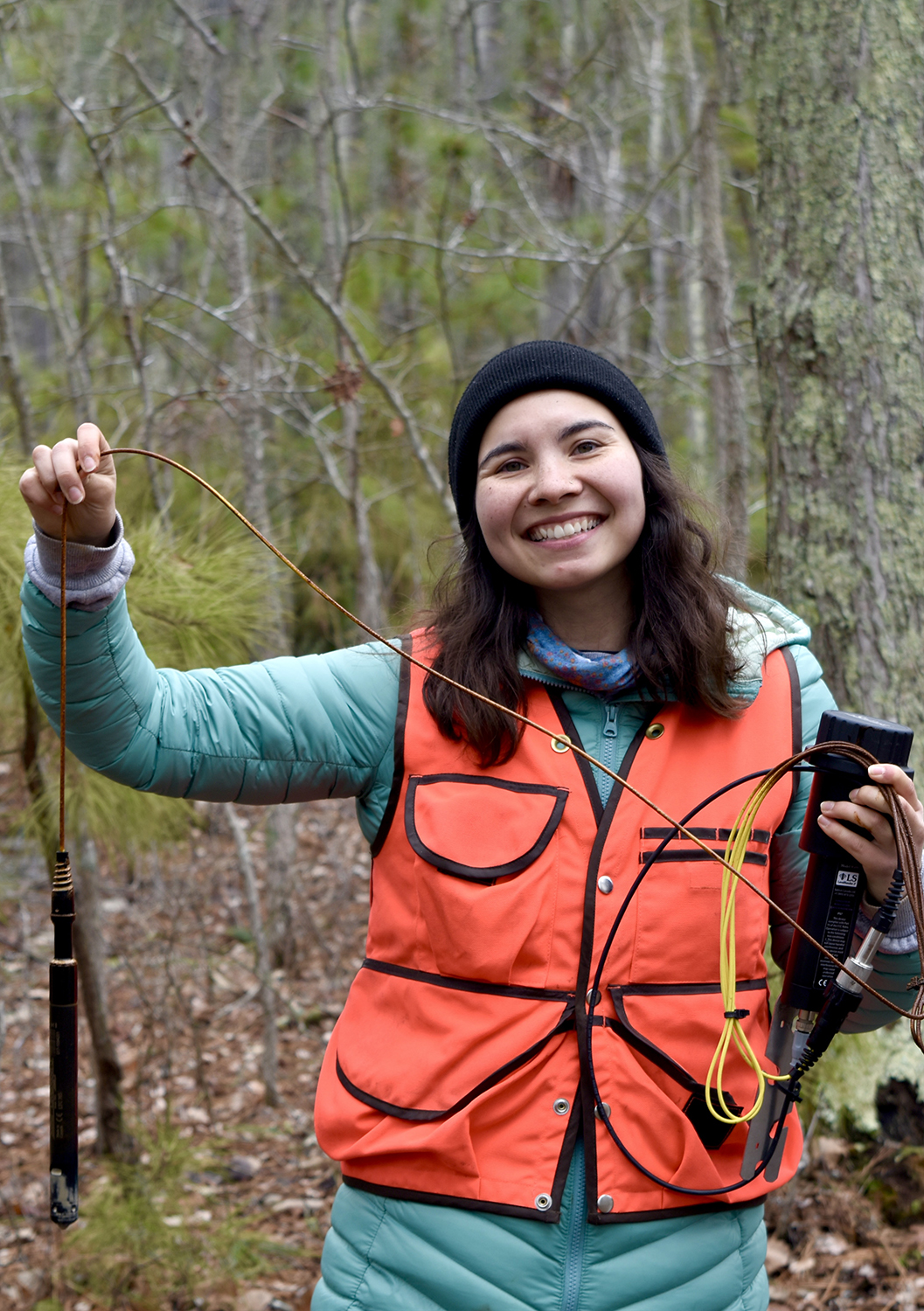
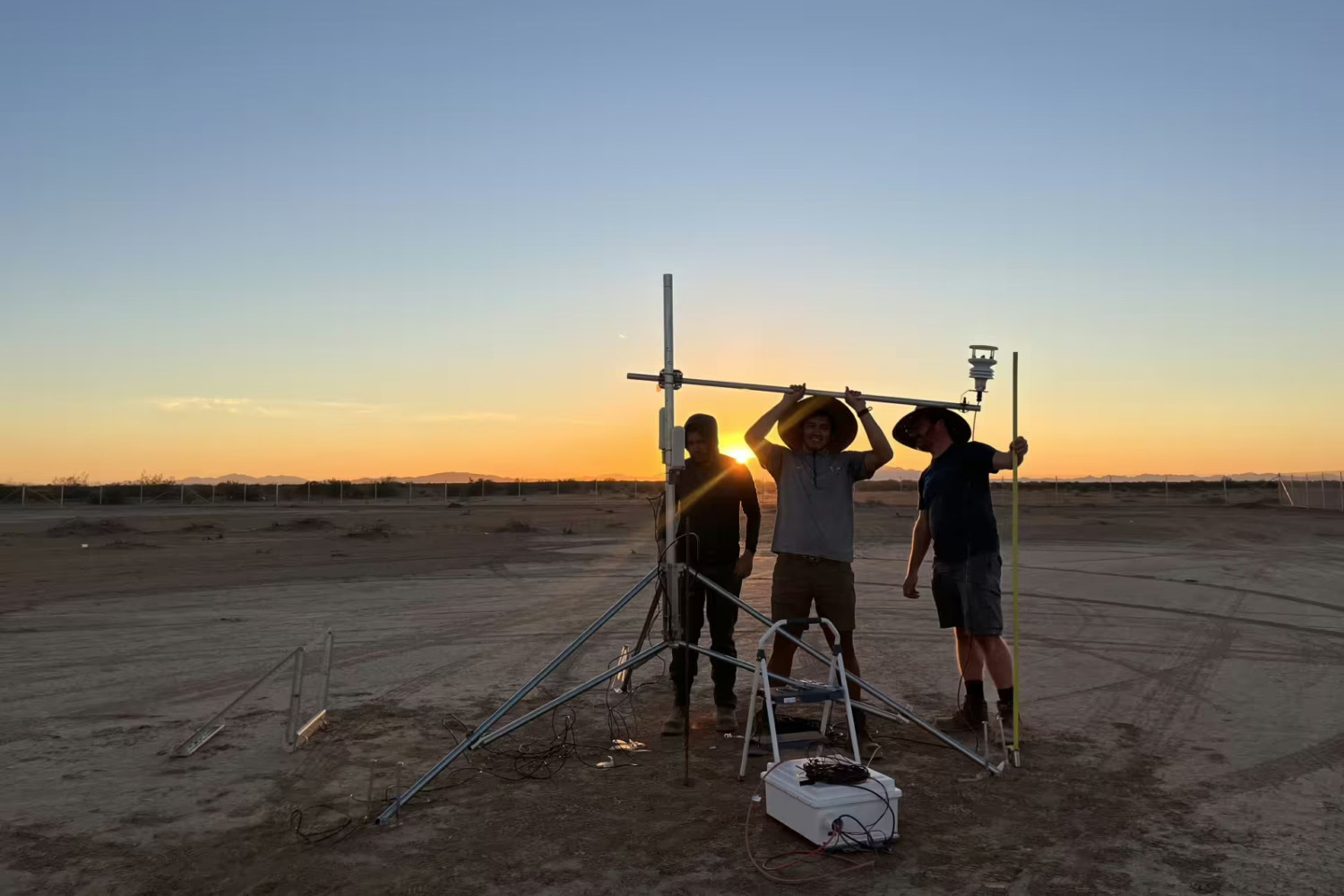
Julia Sharapi holds up a groundwater sensor. Monitoring stations extend 6 feet below the forest floor and transmit data on groundwater depth, temperature, and soil salt content via cellular data to Stanford every 15 minutes. | Nate Spicer
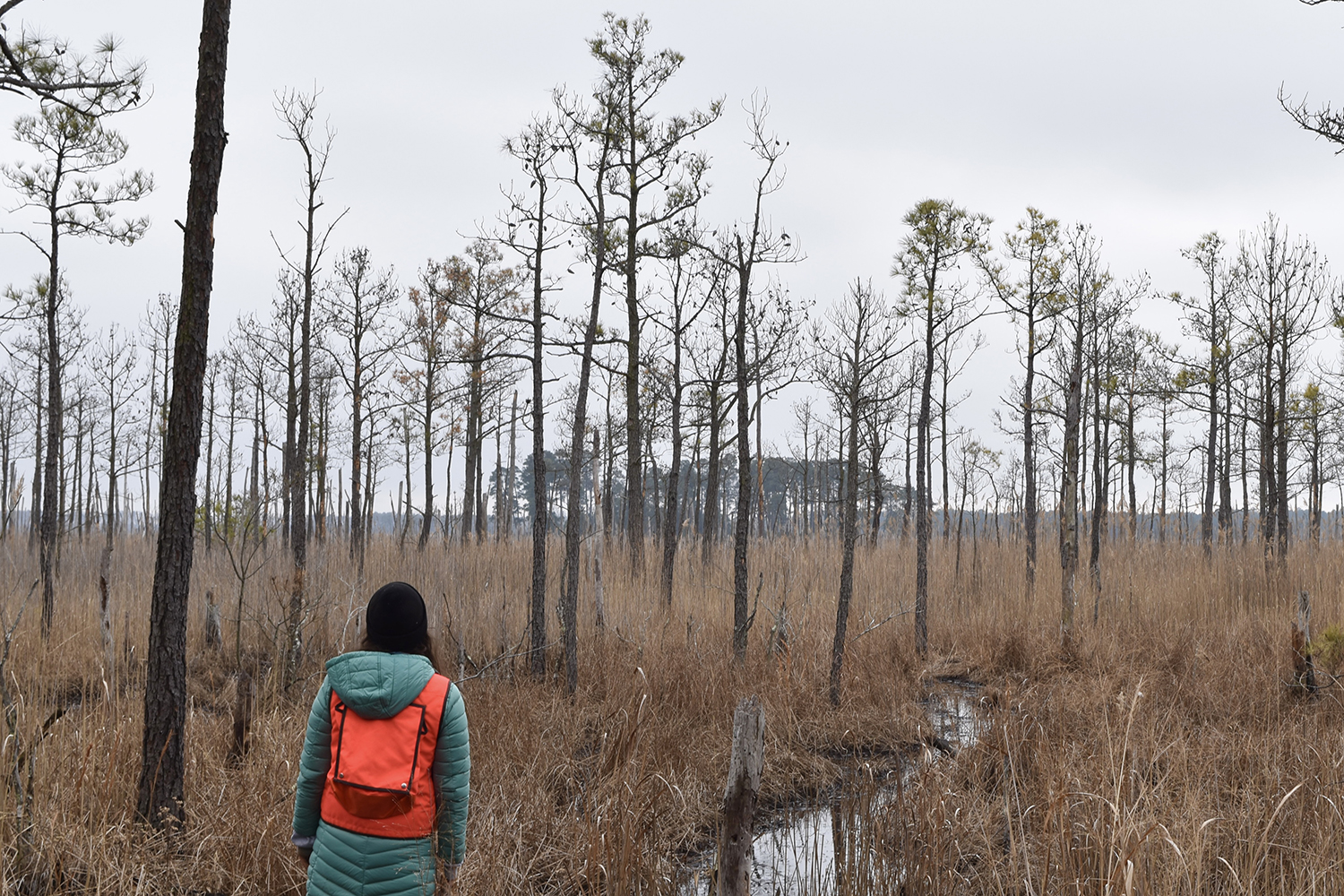
To control malaria, the Civilian Conservation Corps dug ditches throughout Maryland’s marshes in the 1930s, draining standing water that was a breeding ground for mosquitoes. Today, those ditches help saltwater infiltrate even farther inland than it otherwise would. | Nate Spicer
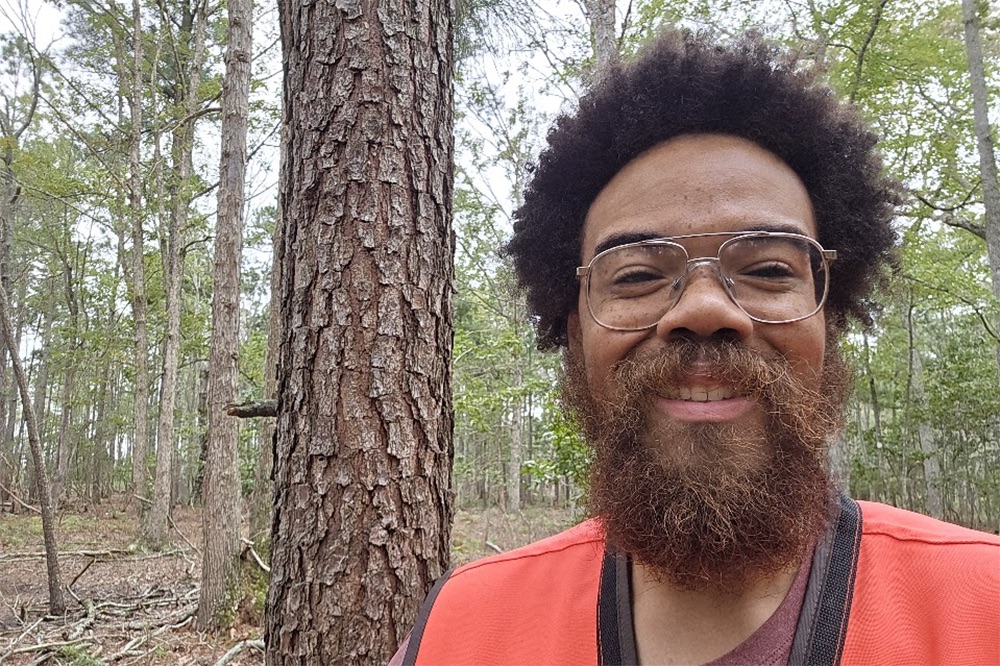
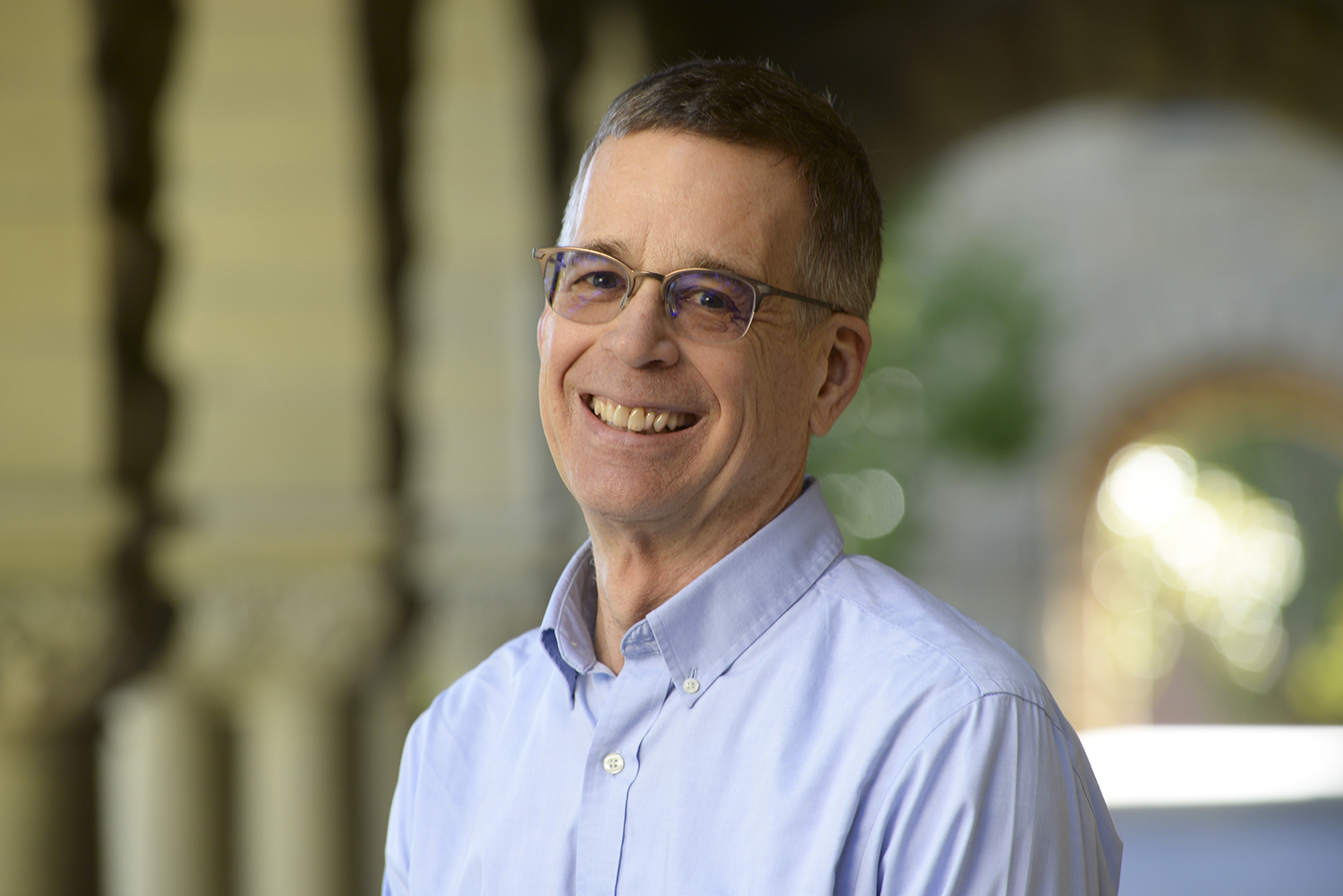
Elliott White Jr., a coastal ecosystem scientist and assistant professor at the Stanford Doerr School of Sustainability, takes a selfie on a private woodlot experiencing saltwater intrusion on the Maryland Eastern Shore. | Courtesy Elliott White Jr.
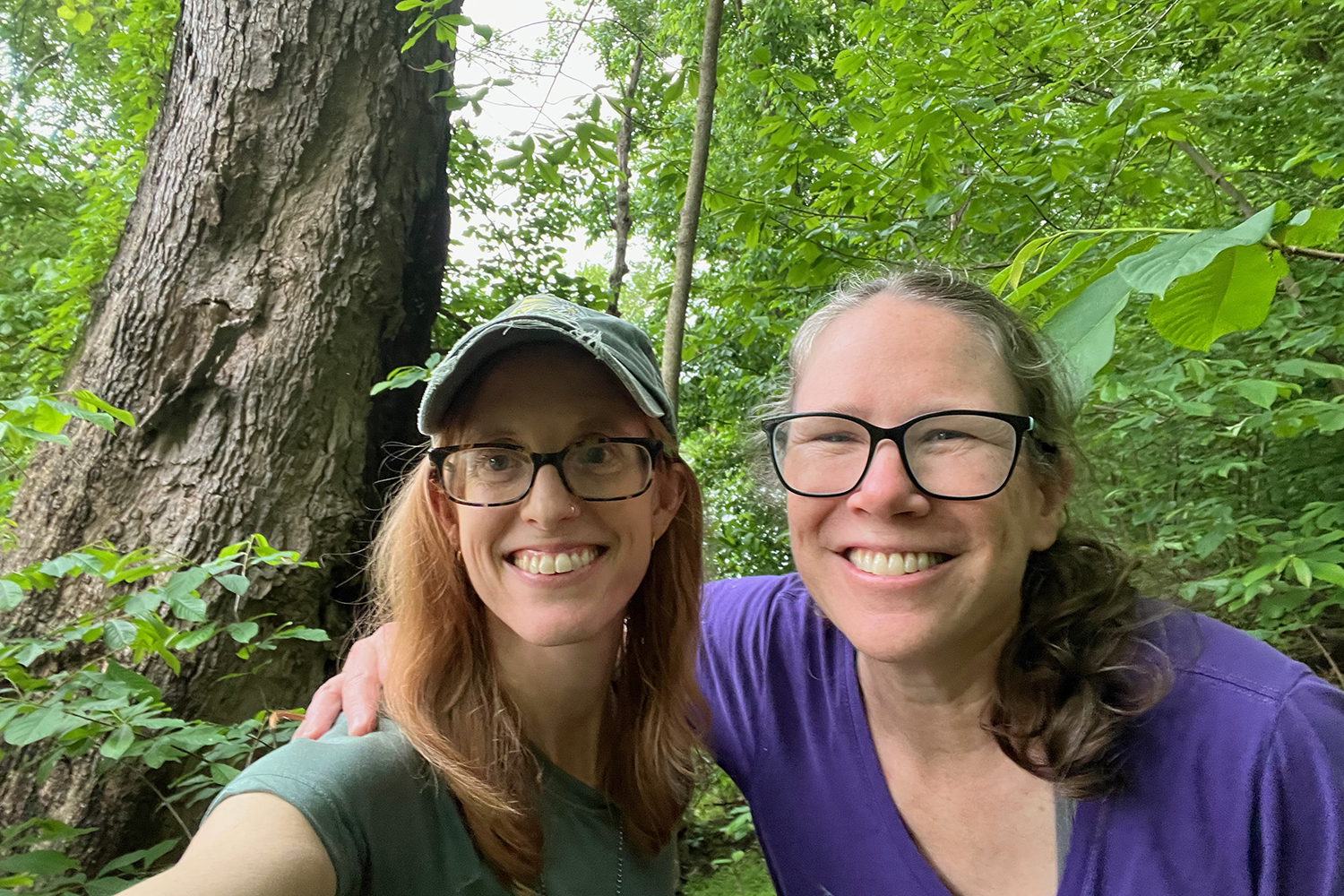
Kate Tully and Becky Epanchin-Niell, professors at the University of Maryland’s College of Agriculture and Natural Resources, have worked along the Eastern Shore for over a decade to understand how sea level rise will change how people can live off the land. | Courtesy Kate Tully
Ground truthing saltwater intrusion
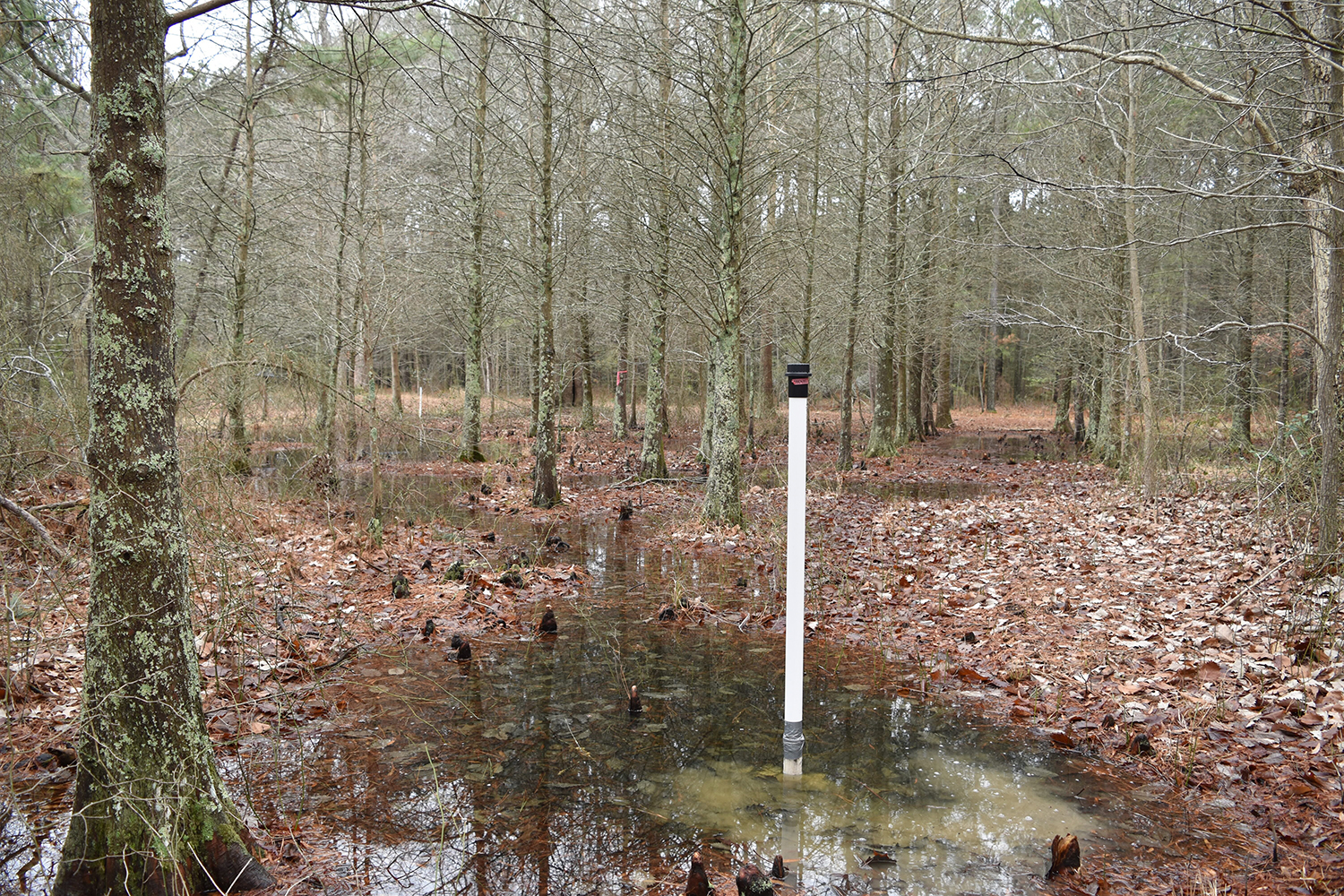
Rick Abend is one of two coastal woodlot owners working with the Accelerator project team to measure the extent of saltwater intrusion in their forest. So far, the researchers have installed three monitoring stations across Dorchester County, including one in Blackwater National Wildlife Refuge. The sensors measure groundwater depth, temperature, and salinity every 15 minutes, transmitting the data to Stanford over cellular networks. “Saltwater intrusion is reversible but not over an appreciable human timescale,” said White. “This gives us an understanding of current groundwater salinity so we can benchmark future changes.”
Navigating options
At the University of Maryland, Tully and Epanchin-Niell have been developing an online tool since January 2025 to help farmers understand their options for responding to saltwater intrusion. They are now working with Sharapi and White, with support from the Accelerator, to quickly adapt and expand that tool to help woodlot owners, too.
An initial questionnaire asks landowners to enter where they live and whether they have a farm, a forest, or both. They can also articulate their goals for managing the land, such as for timber, agriculture, hunting, or land preservation. Based on their answers, they receive a saltwater intrusion score that indicates which policies and programs are relevant to their goals and the stage of saltwater intrusion on their land.
In August 2025, as part of her dissertation, Sharapi led focus groups with woodlot owners and practitioners, including forest service and land trust employees in Dorchester and Somerset counties. The following spring, Sharapi surveyed another group of woodlot owners. Both exercises helped her and the team better understand woodlot owners’ priorities, future concerns, and awareness of support programs at the local, state, and federal levels.
“We really want to learn from folks who are experiencing things firsthand,” said Sharapi. “There are policies and programs out there, but it seems like this awareness of where people can plug in is lacking.”
According to White, “the burden is on the landowners” to seek out support programs. The new tool will help landowners more easily weigh options for alternative sources of income, such as converting a woodlot to cropland or putting land under conservation easements.
“The Accelerator team has been a constant thought partner as our project has evolved,” said Sharapi. “They’ve helped us frame ideas in different ways and think through the next step that will be the most impactful.”
With Accelerator support, the team recently hired postdoctoral researcher Greg Ferraro at the University of Maryland to analyze the eligibility requirements for policies and programs available to Maryland landowners facing saltwater intrusion. This winter, the Accelerator will also help bring experts on sea level rise and saltwater intrusion to Stanford to identify challenges and prioritize solutions across various regions of the U.S.
“All along, the Accelerator has emphasized the power of bringing people together on these issues,” said White. “We just want to help people make the decisions that are important to them.”
Sustainability Accelerator Spinouts
The Accelerator spins out sustainability solutions from Stanford to benefit people and the planet. View all spinouts.
For more information
Other Accelerator project members include Barton Thompson, Madalina Vlasceanu, and Tung Duc Nguyen. Thompson is also a professor at Stanford Law School; at the Doerr School of Sustainability, he is a professor of environmental social sciences and a senior fellow at the Woods Institute for the Environment. Vlasceanu is an assistant professor of environmental social sciences in the Doerr School of Sustainability and, by courtesy, of organizational behavior at the Graduate School of Business. Nguyen is an undergraduate student studying electrical engineering and materials science at the School of Engineering. Greg Ferraro is a postdoctoral researcher supporting the Options to Adapting to Rising Seas Project based at the University of Maryland.
Matthew Hurd of the Maryland Forest Service and Jared Parks and Ava Fries of the Lower Shore Land Trust provided expertise on Maryland’s coastal forests for this article.
This story was originally published by Stanford Doerr School of Sustainability.
Writer
Katie Jewett