



What California’s new rule means for microplastics policy
Research
Stanford experts in medicine and policy explain what can be learned from the state’s decade-long regulatory experiment to stem the tide of microplastics pollution.

As saltwater threatens forests, researchers help landowners adapt
Research
An online tool will guide coastal landowners through conservation programs and alternative income options as saltwater seeps into their soil.
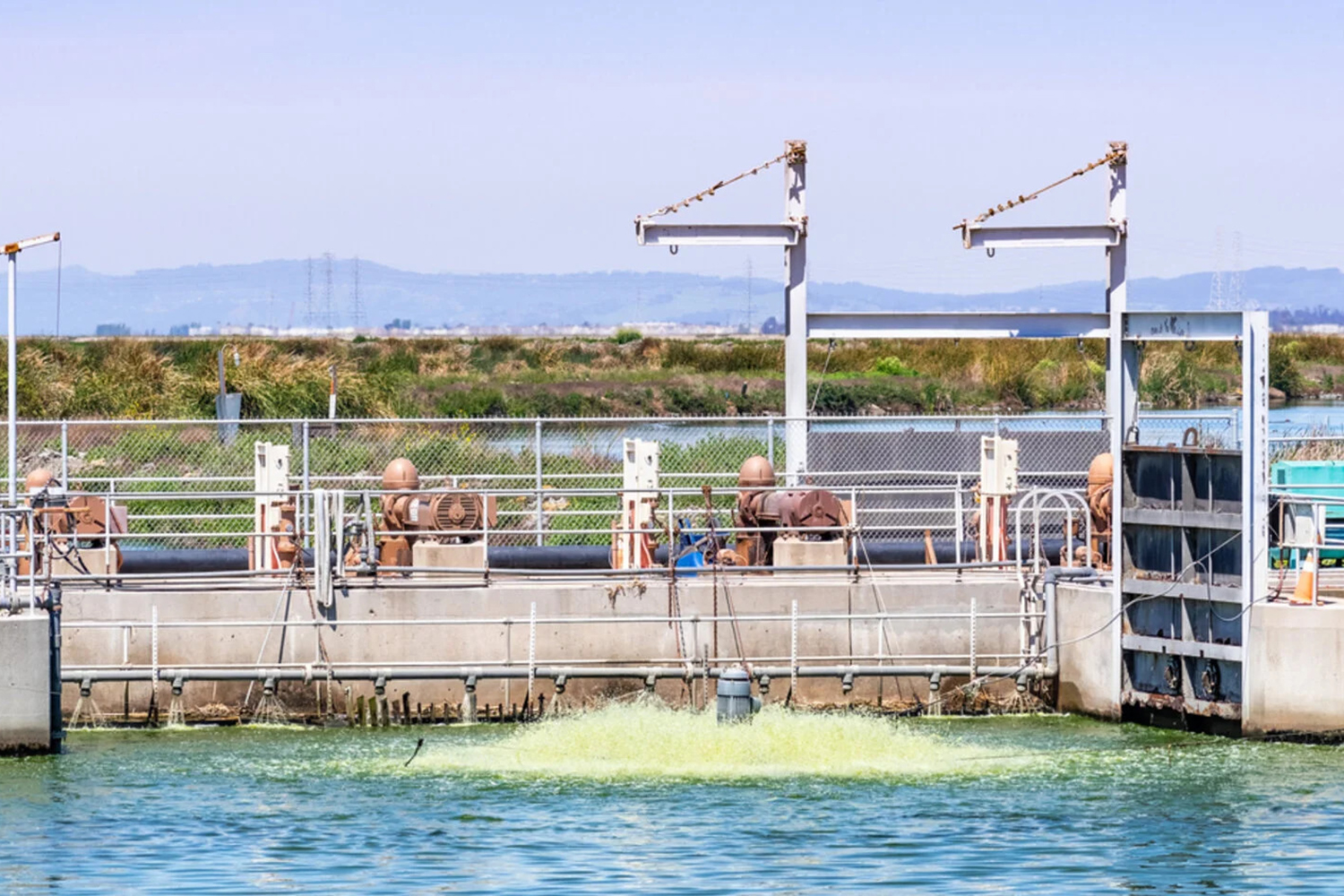
How teaming up could help Bay Area wastewater plants cut costs
Research
A Stanford study of three Bay Area wastewater plants finds potential savings of up to 48% from coordinating pollution-control upgrades and operations, easing the burden on ratepayers.

Improving water affordability for low-income residents
Research
Stanford researchers are working with the City of Santa Cruz to improve assistance programs for residents who pay their water bills indirectly through rent.
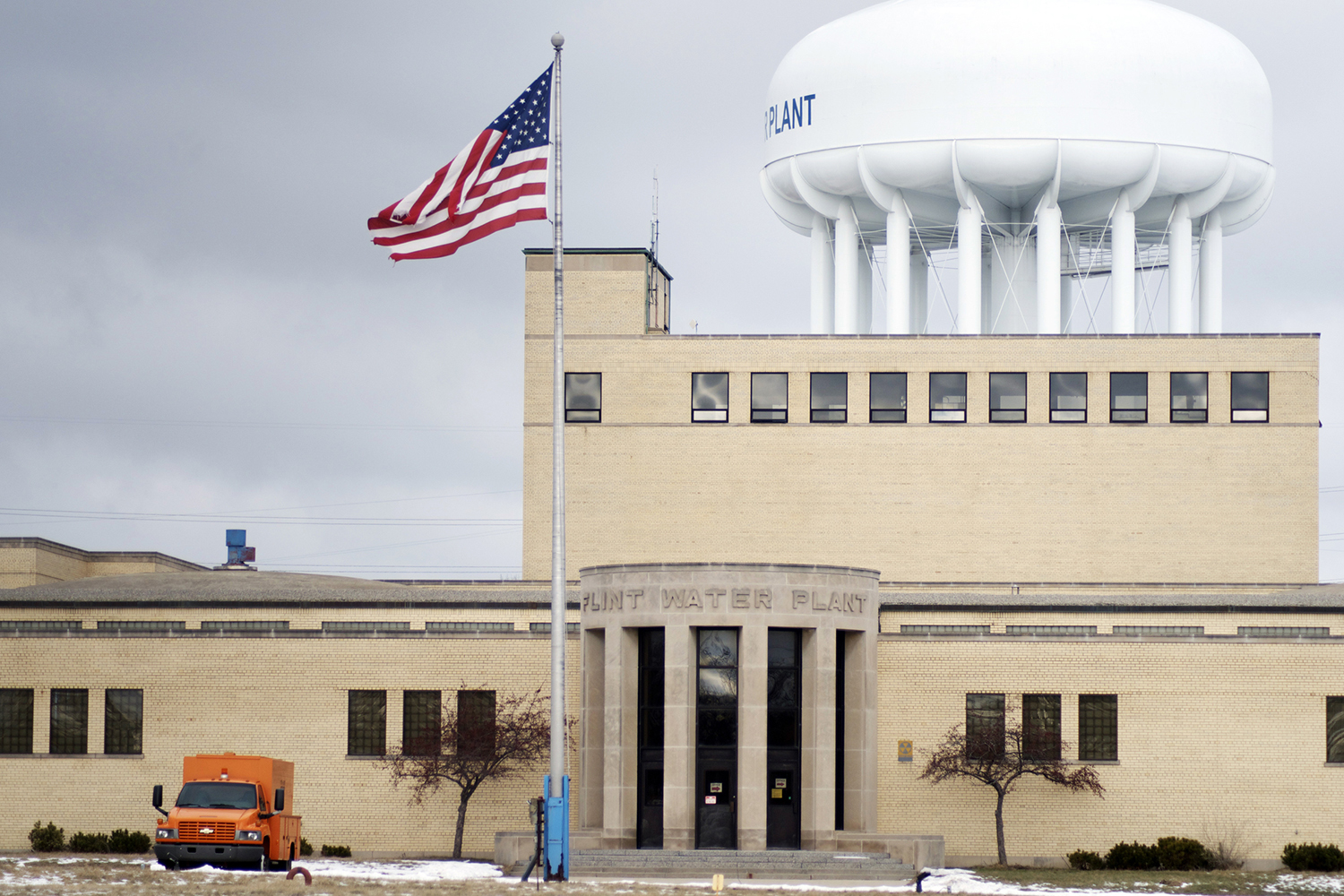
A simple idea to bring clean drinking water to U.S. homes at a lower cost
Research
Stanford engineer Khalid Osman and collaborators are building modeling tools to help water system managers find the most cost-effective option for improving their community’s drinking water.
Drier climate could nearly double water bills in some cities
Video
Researchers say climate adaptation and water affordability are on a “collision course,” with resilience costs falling hardest on those who can least afford them.
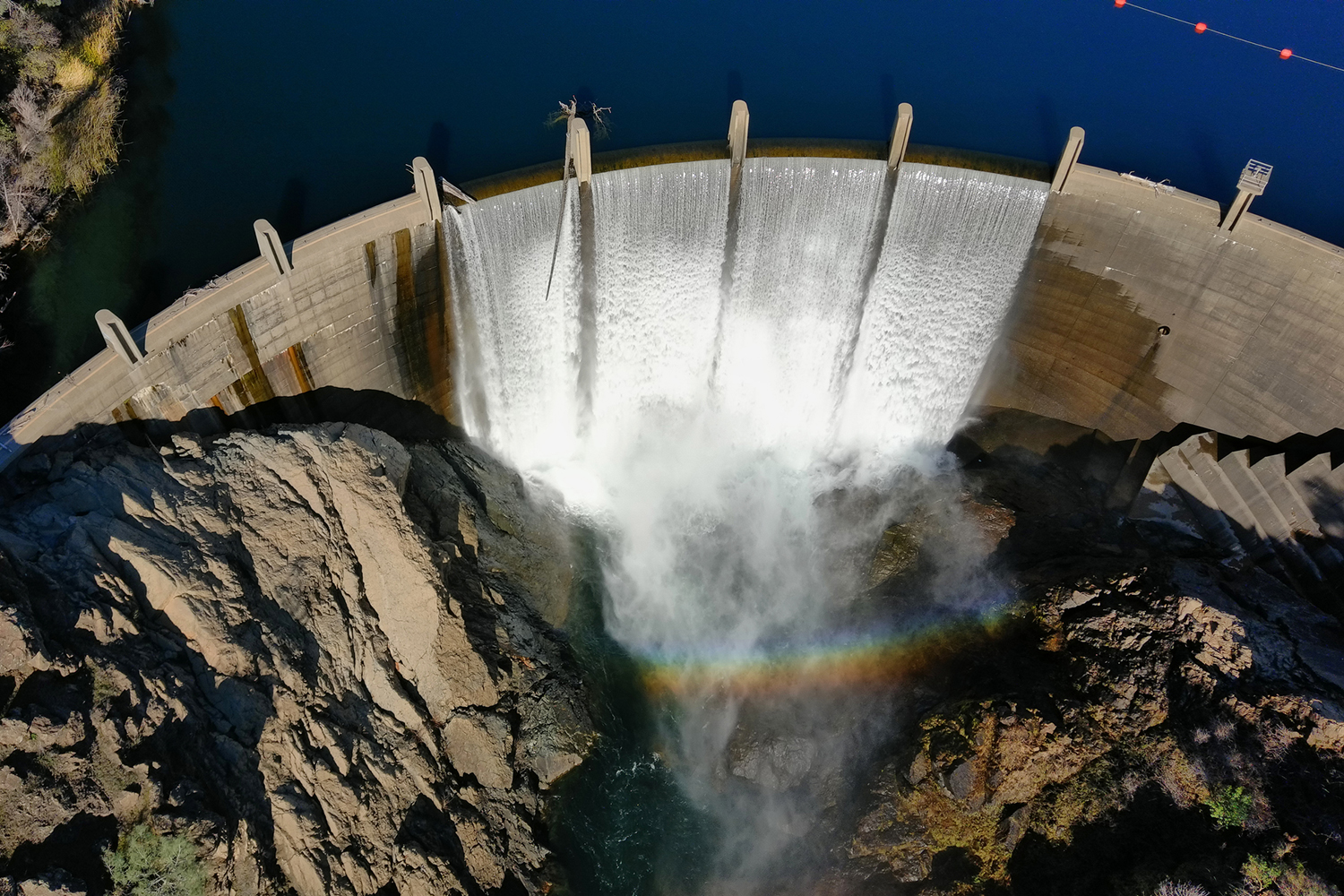
What should America do with its aging dams?
Q&A
Two Stanford water experts discuss the safety, economic, and environmental tradeoffs driving debates over dam removal.
New research explores collecting water in Earth’s driest places
In the News
Stanford researchers are working on technology that draws out water from some of the driest places in the world.
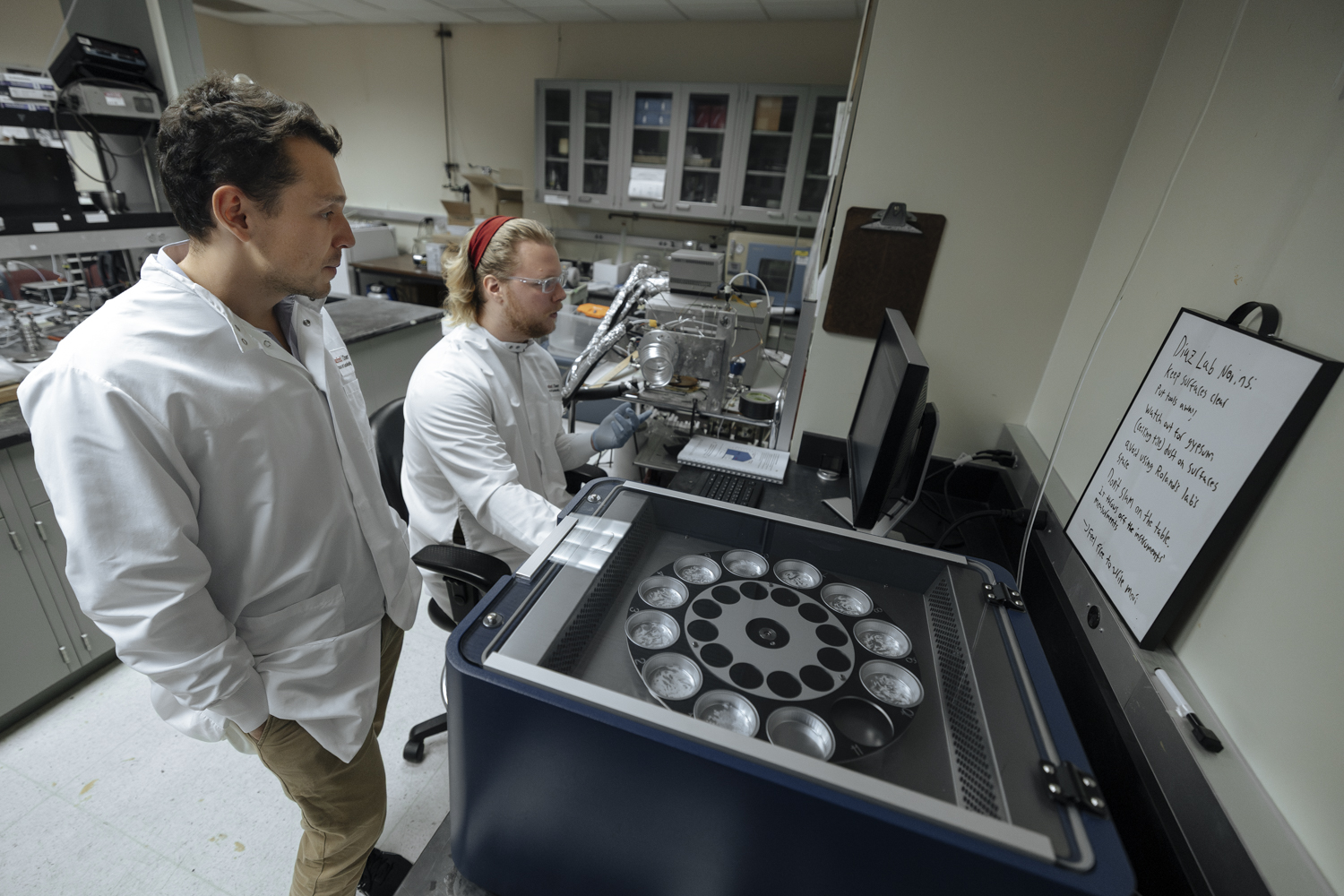
Solar-powered gel pulls drinking water from the air
Research
Stanford researchers have developed a hydrogel that draws moisture from the atmosphere and converts it into drinking water – even in extreme conditions.

Model reveals path to affordable urban water during droughts
News
Stanford research in a drought-prone Indian city shows how comprehensive policy changes could cut water costs by two-thirds for the poorest residents as urban populations surge.