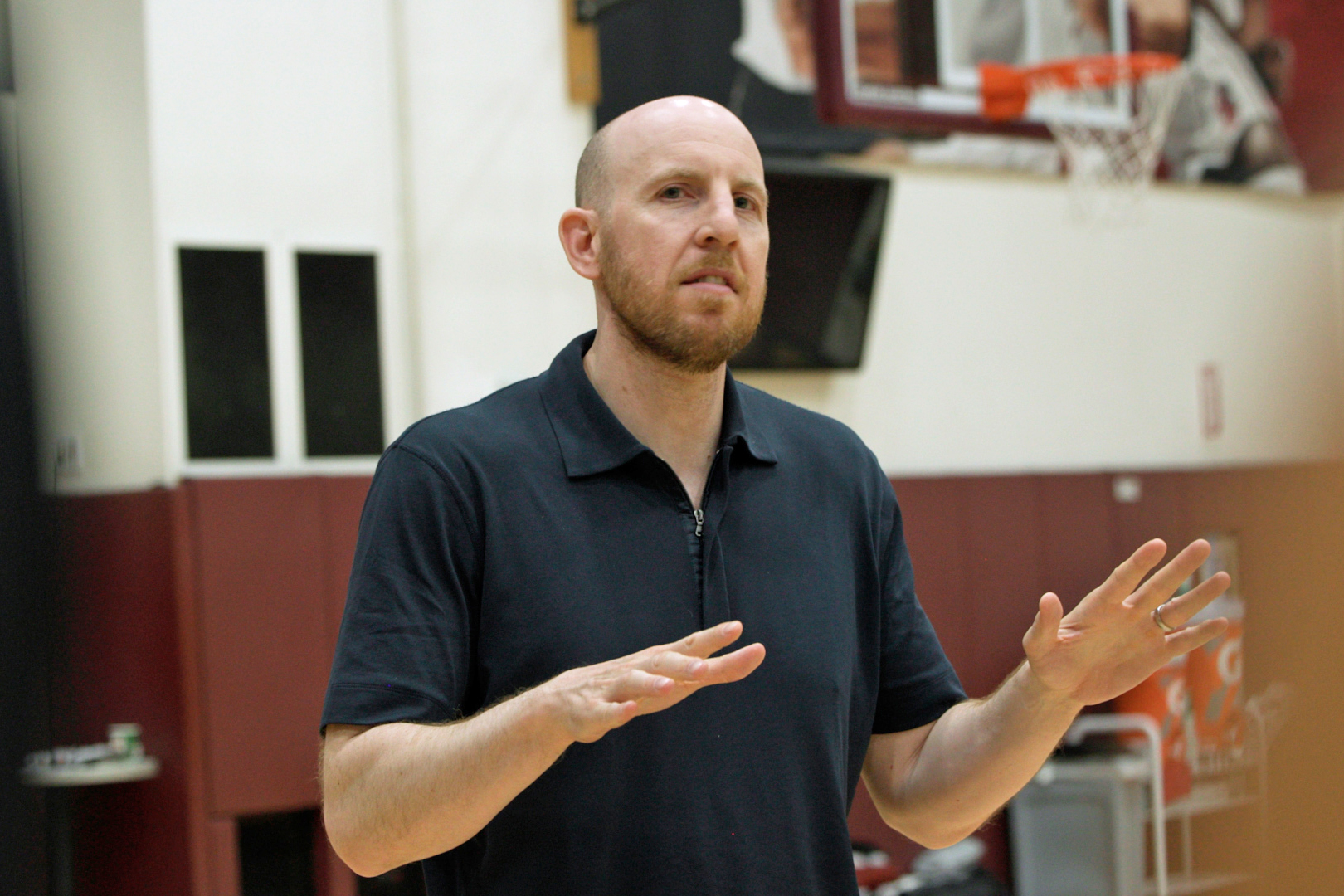
Kenneth Schultz, the William Bennett Munro Professor of Political Science, says education is “an inherently global enterprise.”
On Sept. 1, Schultz became the Burke Family Director of the Bing Overseas Studies Program (BOSP). A longtime BOSP faculty partner who earned his PhD in political science at Stanford in 1996, he has served on BOSP’s Faculty Oversight and Executive Committees and participated in six reviews of overseas centers and programs.
He shares how he hopes to guide the program’s next chapter and why he thinks the opportunity to study abroad is one of the most valuable aspects of the Stanford experience.
What drew you to the program and what excites you about this new role?
I have been involved in BOSP since 2008, when I served as faculty in residence in Florence. At the time, I was the director of the International Relations program, the only major on campus that requires all of its students to spend a quarter studying abroad. I had seen how important the overseas experience was to our majors, and I wanted to get more involved and learn about the program firsthand. I did a second stint as a faculty in residence in Oxford in 2012, and have since served on every BOSP faculty committee and helped review most of its programs.
I have invested so much in BOSP because I believe in its mission and think it’s one of the gems of a Stanford experience. Study abroad is a key part of a liberal education, and I am excited by the opportunity to lead and shape this program in its next chapter.
What makes study abroad so important?
As a professor of international relations, I think it’s essential for our students to engage meaningfully with the world outside our borders. It gives you a chance not only to learn about different countries but also to see your own country from a different perspective. Particularly now, when global politics feel fraught and longstanding assumptions about the United States’ role in the world are being debated, we need to equip our students to be part of the conversation. This is not just about preparing the next generation of policymakers or diplomats, but about helping students become informed citizens, prepared to engage with the world through science, engineering, art and literature, business, or whatever path they choose.
I spent the past academic year on sabbatical at ETH Zurich, a world-class university in Switzerland. My time there reinforced my belief that the core mission of universities – the production and dissemination of knowledge – is an inherently global enterprise. My research is related to conflicts over borders between states, and it was thought-provoking to live and travel in a country with a fascinating history shaped by different languages, geography, and foreign influences. It also reminded me how living abroad helps us grow intellectually and personally. From interacting with colleagues from different countries to figuring out how to navigate the public transit system, you encounter new ideas, exercise different parts of your brain, and see the different ways other countries approach familiar problems.
What opportunities do you see for the program in the future?
I want to make sure that our program makes sense given the world we live in and what our students want and need from overseas studies, while always centering the core values of academic rigor and cultural engagement. Part of that is integrating new topics into our curriculum, such as sustainability or data science. It also involves updating curricula to take advantage of what makes each location distinctive today. We are also looking at strengthening and expanding internship opportunities, so that more students can combine study abroad with work abroad. A continuing priority is finding ways to make study away available to students who might otherwise struggle to fit it into their schedules. The summer global seminars play an important role there, providing an intensive experience outside of the normal academic year and allowing us to expand the range of locations we offer. Finally, with the expansion of the COLLEGE curriculum to include a required global perspectives quarter, there is an opportunity to get every student thinking early on about how a global experience can be part of their education.
What do you hope students will gain from their study away experience?
Our students know that studying away is a special opportunity, but I want to make sure they understand the true nature of the opportunity BOSP offers. This is a chance not just to travel but to engage deeply, both academically and culturally, with their host city, country, and region. It’s seeing amazing sights and tasting interesting food, yes, but it’s also learning about and navigating an unfamiliar culture – in some cases a new language – and thinking about why different societies do things differently from what they are used to. It will take them out of their familiar routines in ways that may sometimes be a little disorienting. That’s a feature, not a bug. In fact, studies have shown that living abroad can lead to increased creativity and resilience.
Our students come from very diverse backgrounds. Some have little experience with international travel, and others came to Stanford from abroad. So different students will take something different from study away. But I hope that every student experiences intellectual and personal growth, which could manifest in any number of ways after they come home. That could mean further coursework, a project, a new hobby, or even just greater confidence in going someplace new.
Writer
Diana Aguilera