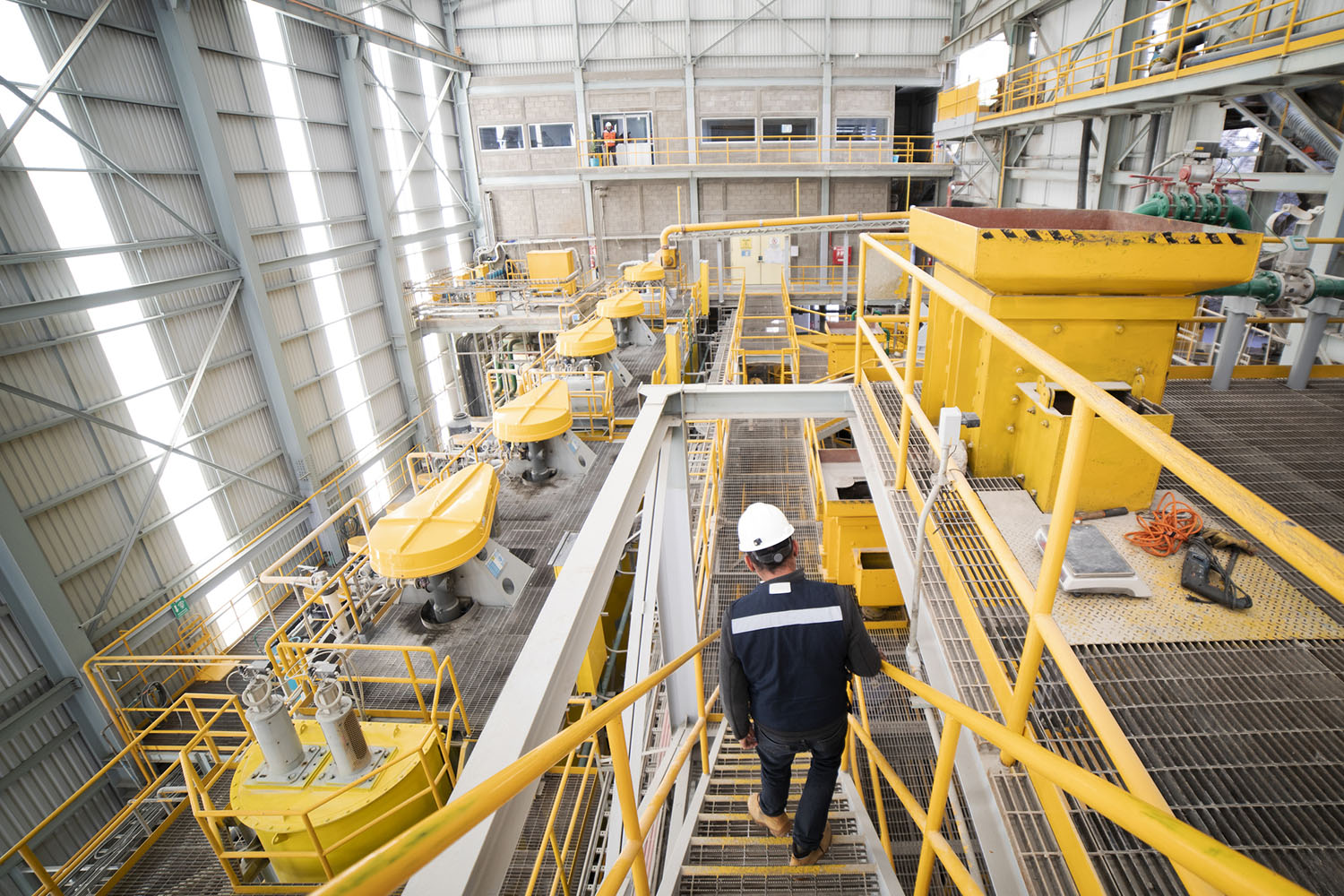
Stanford will lead the academic program for Foundry School, an initiative launched by the U.S. Department of State that aims to rebuild American manufacturing capacity by bringing together universities, policymakers, and the global leaders who build and operate the world’s most sophisticated factories.
“Modern manufacturing has evolved dramatically. Today’s cutting edge blends a skilled workforce with AI, robotics, materials science, chemistry, software, energy, logistics, and economic business models,” said Stanford President Jonathan Levin in a video address at the program’s launch ceremony on Sept. 3 in Washington, D.C. “Foundry School aims to ensure that the next generation of American students has the knowledge from across disciplines to lead the future of U.S. manufacturing so we can translate great ideas into scalable products.”
As advanced manufacturing expands in the United States, program leaders say, the ability to compete will depend on having the knowledge and expertise to build and operate factories successfully.
“We have been on a path for the last 50 years or so where making things in the United States has not been a priority, even as many of the new products and ways of making things are being invented here,” said Joseph DeSimone, the Sanjiv Sam Gambhir Professor of Translational Medicine and professor of chemical engineering, Foundry School’s Stanford faculty lead. “This program aims to address that, and is a reflection of the realization that we’ve got to get back into the game.”
Foundry School aims to ensure that the next generation of American students has the knowledge from across disciplines to lead the future of U.S. manufacturing.Jonathan LevinStanford President
Foundry School’s curriculum unfolds in two phases. The first seven sessions will be hosted by seven universities in key American manufacturing regions: Arizona State University, Georgia Institute of Technology, The Ohio State University, The Pennsylvania State University, the University of Kansas, Vanderbilt University, and Washington University in St. Louis. These sessions, taught by industry leaders on topics including modern factory design, materials and supply chains, assembly-line engineering, and workforce development, will establish the foundation for the second phase of the program, which will be taught during winter quarter at Stanford.
At Stanford, the curriculum will be offered through two complementary courses: ENG 194/294: Foundry School Seminar, in which students learn from leaders who have shaped manufacturing systems, and ENG 196/296: Foundry School Lab, in which students form interdisciplinary teams and apply the ideas introduced by the regional sessions and the seminars to a real-world manufacturing problem. Students will be able to take the seminar on its own; students participating in the lab component must be enrolled in the seminar.
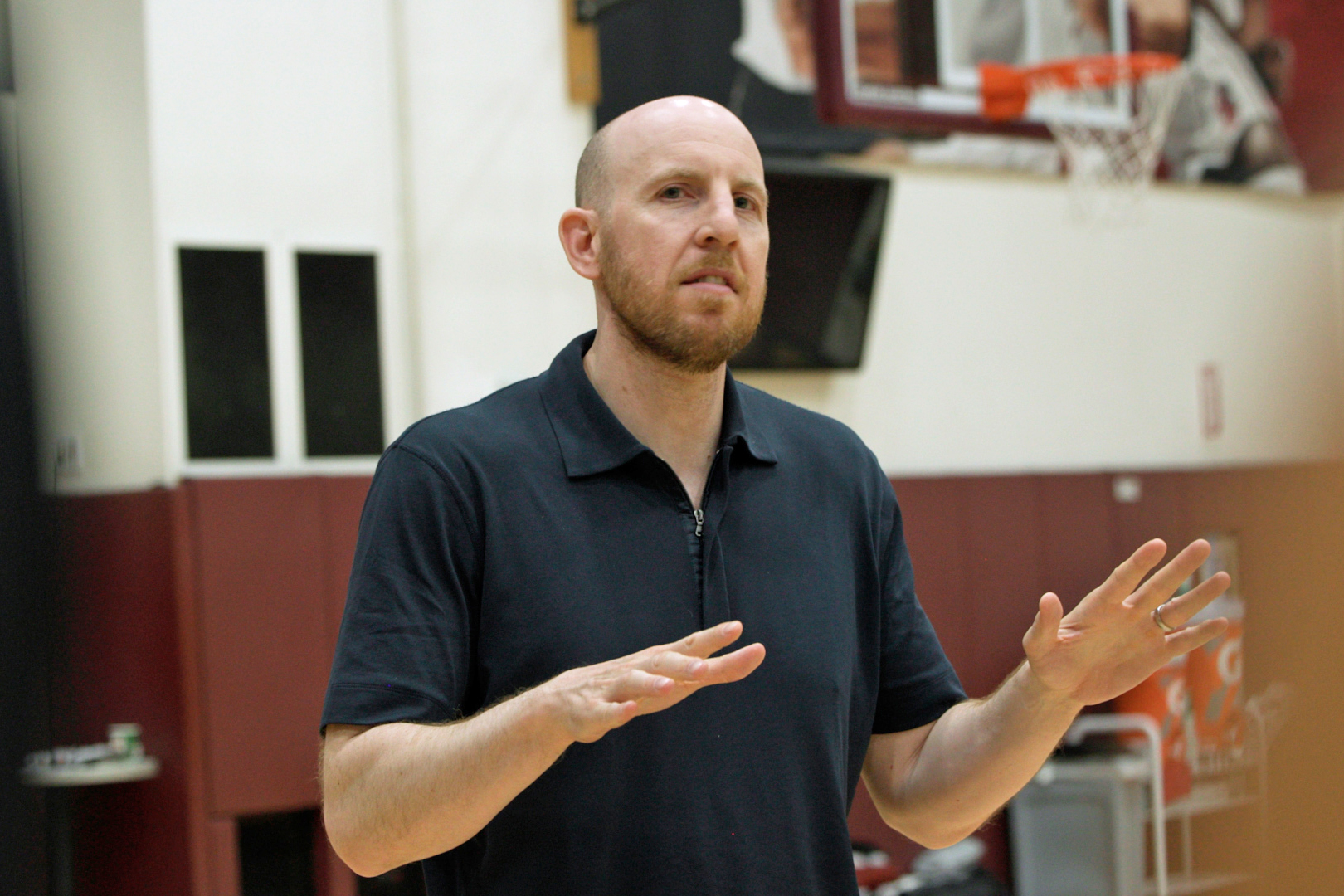
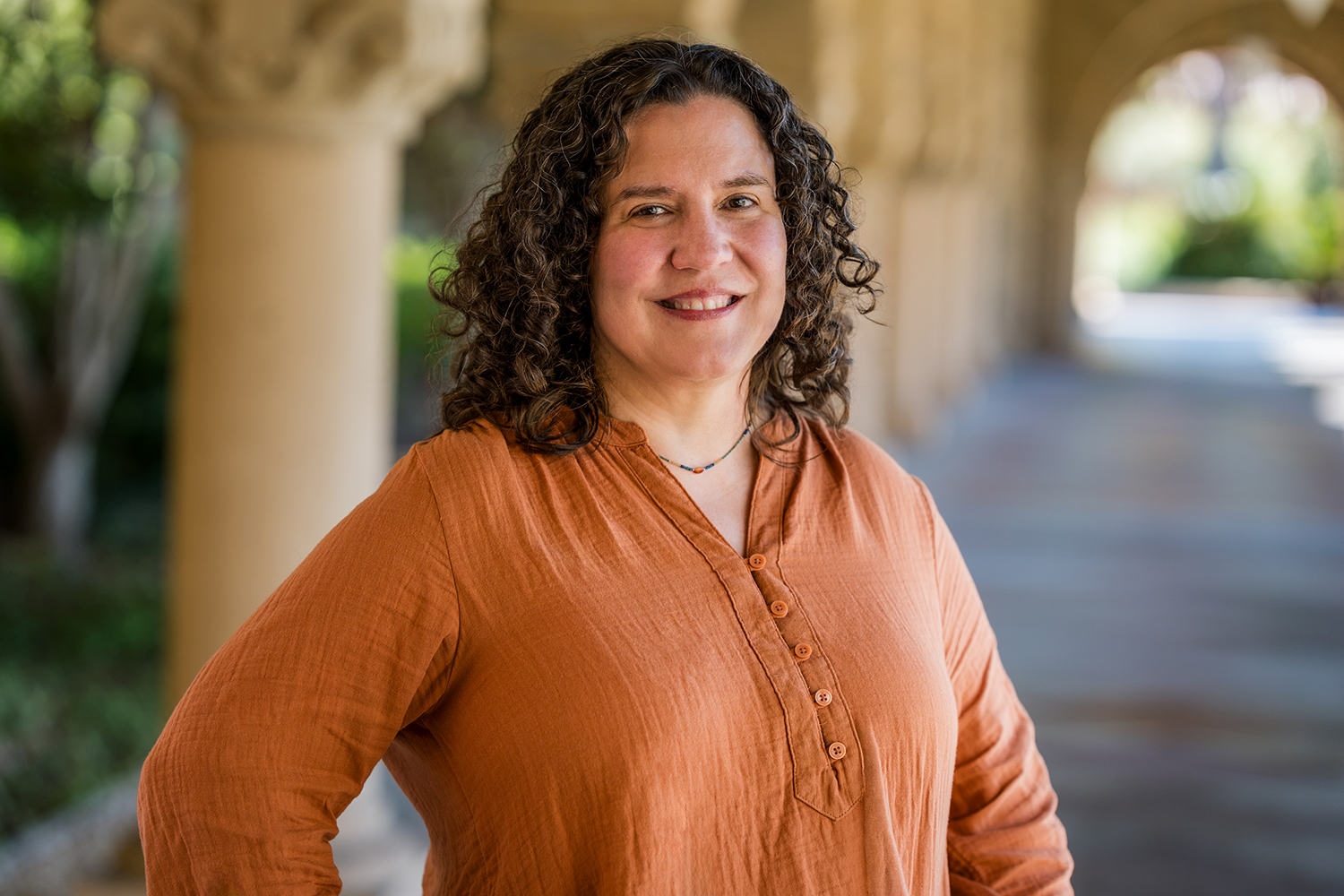
The courses will be led by DeSimone with Joseph Felter, fellow at the Center for International Security and Cooperation and the Hoover Institution; Allison Okamura, the Richard W. Weiland Professor in the School of Engineering and a Hoover senior fellow; and Glen Tiffert, a Hoover distinguished research fellow.
Together, the Stanford sessions will ground students in the interconnected technical, economic, and strategic factors that shape how manufacturing systems are built and run. In a session on capital equipment, for example, students will explore questions around the machines that make manufacturing equipment, including financing and depreciation and the role of export controls in determining access to manufacturing capability. In one dedicated to energy, students will compare cost, reliability, and availability across manufacturing regions and how energy determines where – or whether – a factory can be built.
“The question at the heart of the Foundry School is deceptively simple: How do things become things, at scale? We want students to understand that, but also to learn how to make decisions when the technology, economics, workforce, supply chain, energy, and policy constraints all collide,” said DeSimone. “The seminar puts them face-to-face with people who have actually built and operated at scale; the lab puts the responsibility on the students to take those lessons, test their assumptions in the real world, make the call, and defend it.”
Foundry School is a flagship initiative of Pax Silica, a State Department–led international economic and security effort launched in December 2025 to secure global supply chains for semiconductors, AI infrastructure, and critical minerals.
For more information
Joseph M. DeSimone is the Sanjiv Sam Gambhir Professor of Translational Medicine and a professor of radiology at Stanford Medicine, and a professor of chemical engineering and, by courtesy, of materials science and engineering in the School of Engineering. He is also a professor, by courtesy, of chemistry in the School of Humanities and Sciences and of operations, information, and technology in the Graduate School of Business.
Joseph Felter is a William J. Perry Fellow at the Center for International Security and Cooperation and a research fellow at the Hoover Institution.
Allison Okamura is the Richard W. Weiland Professor and a professor of mechanical engineering in the School of Engineering, and a senior fellow at the Hoover Institution.
Glenn Tiffert is a distinguished research fellow at the Hoover Institution.