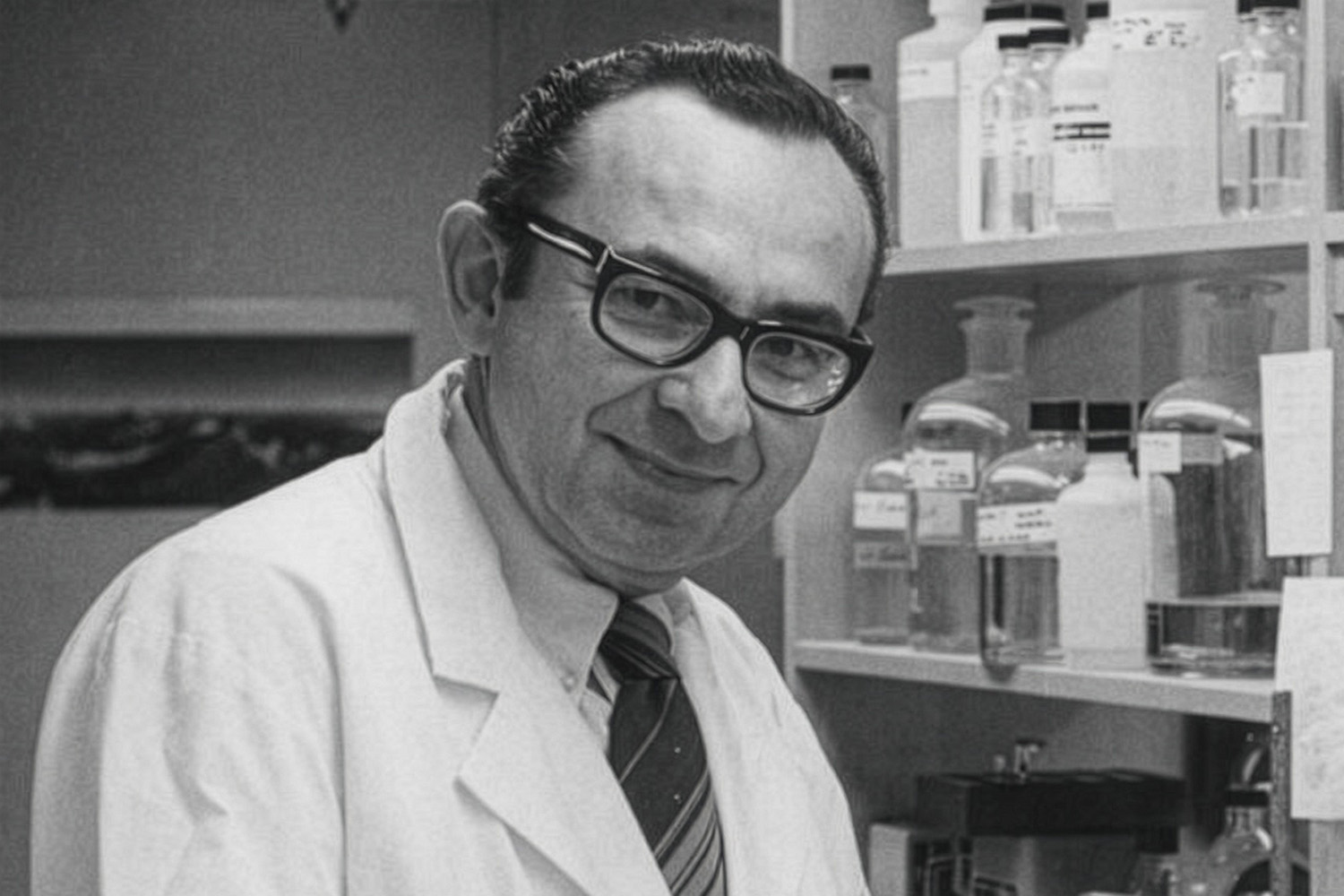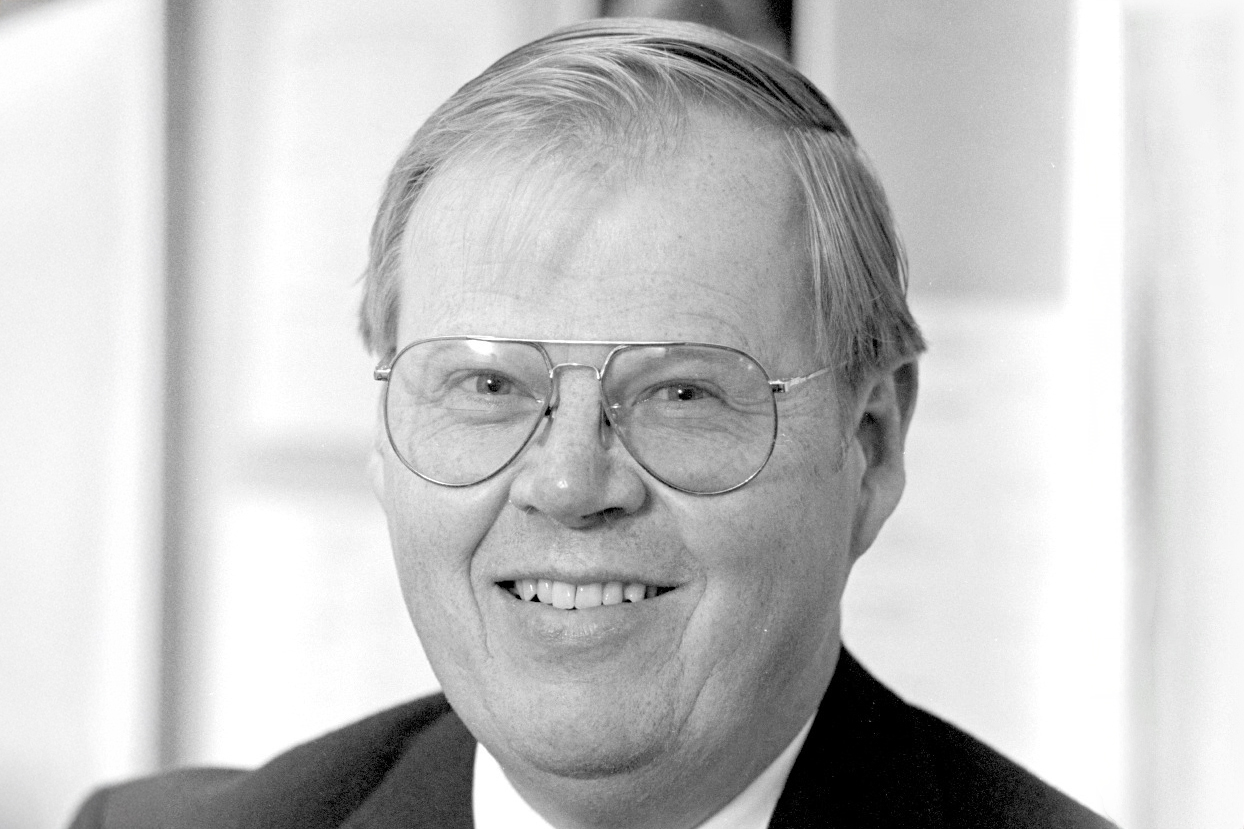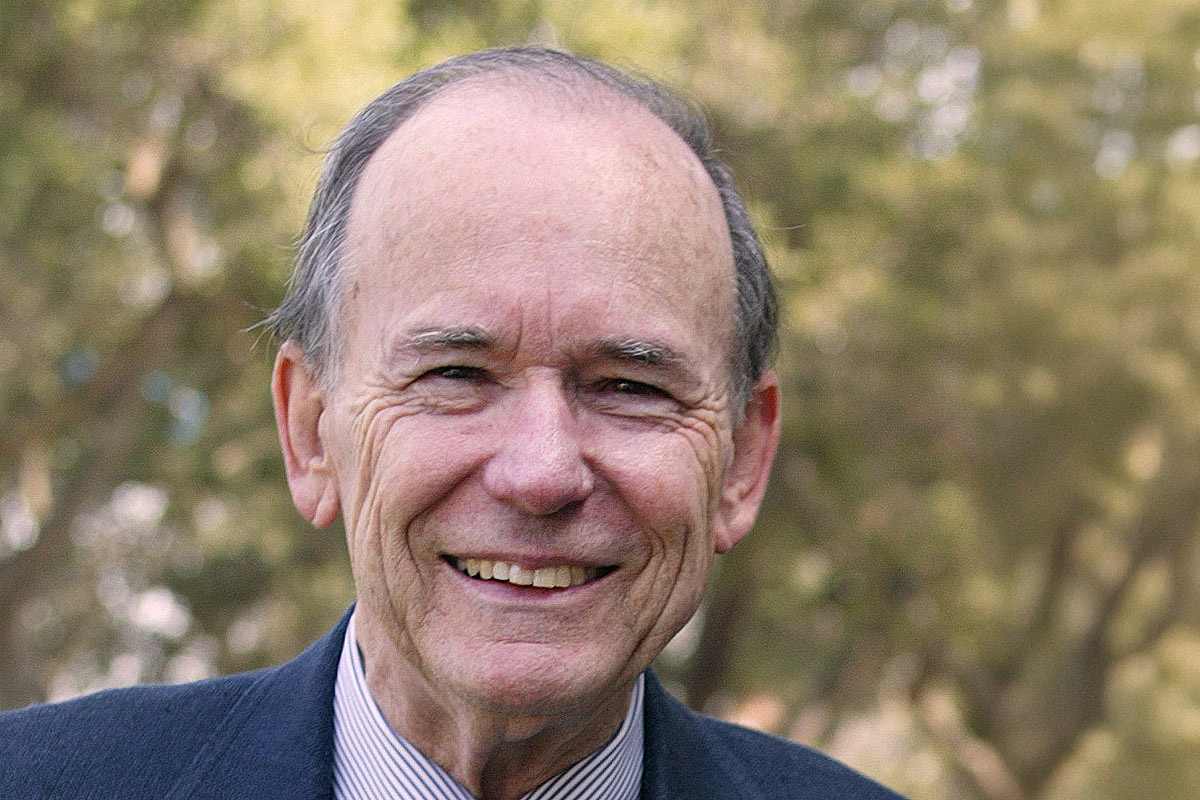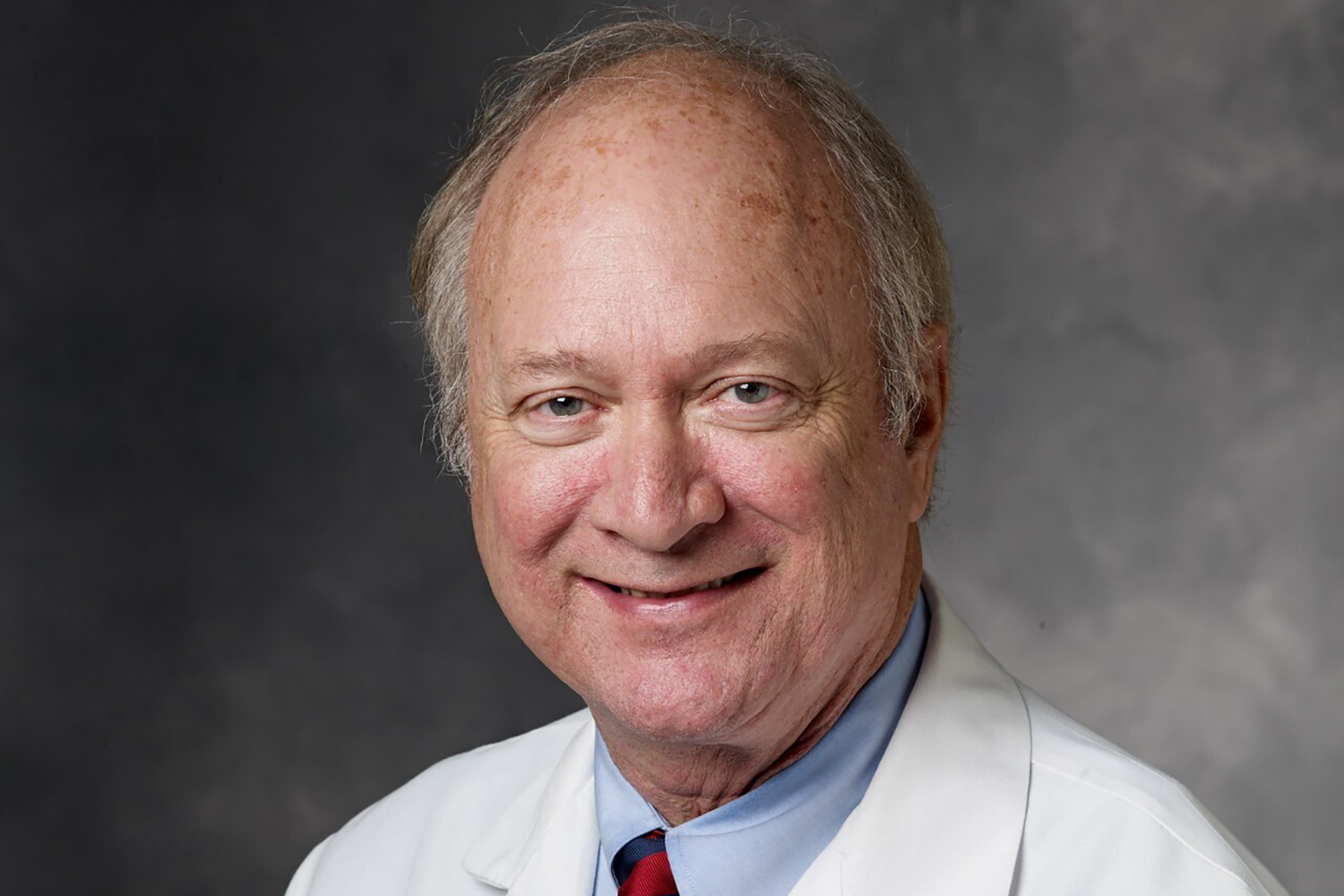
Robert J. Herfkens, MD, a professor emeritus of radiology who modernized imaging at Stanford Medicine and helped establish MRI as a cardiac diagnostic tool, died Feb. 22, 2026. He was 76.
During his three-decade-long career at Stanford Medicine, he served as the MRI safety guru and oversaw the transition from film to digital radiology at Stanford Health Care, enabling the Radiology Department to expand its services.
“Dr. Herfkens ushered imaging at Stanford Medicine into the digital age, which ultimately benefited innumerable patients,” said Lloyd Minor, MD, the Carl and Elizabeth Naumann Professor for the Dean of the School of Medicine and vice president for medical affairs at Stanford University. “He was also an exceptional educator and mentor to many scholars, as well as a researcher who advanced our knowledge of cardiology. His contributions to education, diagnostics, and the Radiology Department are invaluable.”
Herfkens’ research helped establish MRI as an essential tool for diagnosing heart disease, managing cardiovascular complications of Marfan syndrome, evaluating aortic dissections, and assessing myocardial function. He was recognized for his work not only with MRI, but also computerized tomography, or CT, and positron-emission tomography, or PET.
“Despite all his academic achievements, Bob was never boastful. He remained a kind and generous soul, steadfastly loyal to family and friends. Although he left us too soon, he had an extraordinary career and left an indelible mark on the field of body MRI. All who were privileged to know him were proud to call him our friend,” said R. Brooke Jeffrey, professor emeritus of radiology, and close personal friend of Dr. Herfkens.
Pioneer in MRI
After earning his undergraduate degree from Creighton University in 1970, Herfkens attended Loyola University’s Stritch School of Medicine, earning his MD in 1974 and completing his residency in internal medicine at Loyola University Hospital. Afterward, he pursued a residency and postdoctoral training in radiology and nuclear medicine at the University of California, San Francisco, where he was a pioneer in both CT and MRI. His career then took him to Duke University Medical Center, where he developed their MRI program, and Cedars-Sinai Medical Center.
Herfkens joined Stanford Medicine as an acting associate professor in 1989, becoming an associate professor the following year. Throughout his tenure, he held multiple leadership positions, including acting director for the Division of Nuclear Medicine, co-director of PET/CT, director of MRI, and associate chair for clinical technology. He retired in 2020.
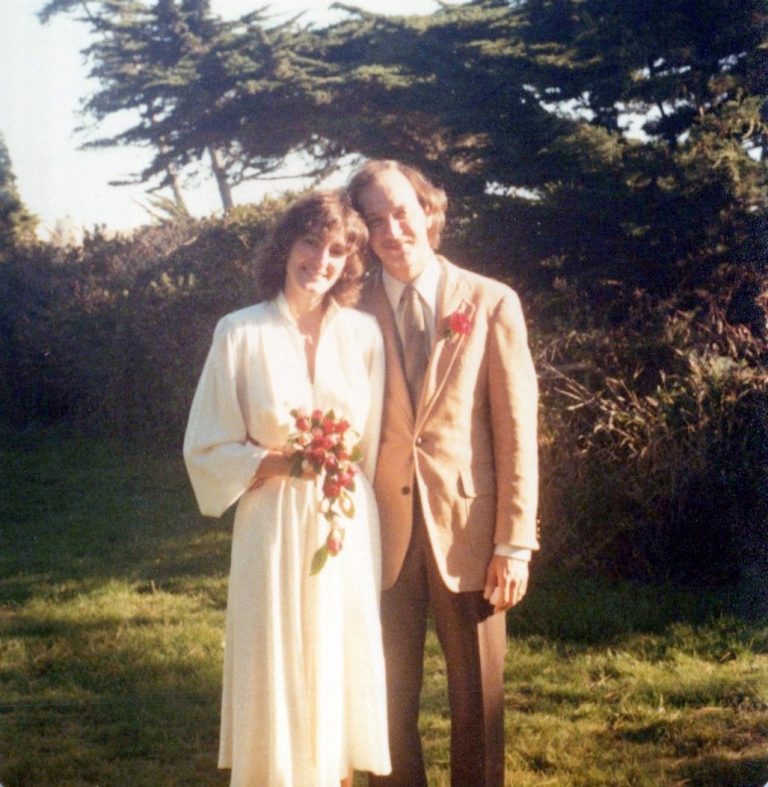
Tricia and Robert Herfkens were married in Golden Gate Park, San Francisco, in 1979. | Courtesy the Herfkens family
He authored or co-authored over 200 peer-reviewed publications, 28 book chapters, and three books. His innovative work was also awarded five patents.
Parallel to his clinical and research achievements, Herfkens was an exceptional educator and mentor, his colleagues said. He organized numerous continuing medical education courses that brought advanced imaging knowledge to radiologists around the globe. His expertise in developing and refining MRI techniques led him to deliver hundreds of lectures at major international conferences.
Dedicated mentor
Those who worked with him said that he had a great professional and personal impact, adding that underneath Dr. Herfkens’ gruff exterior was a deeply kind and caring soul.
“Bob had a way of being decisive and was not afraid to be direct,” said Brian Hargreaves, PhD, a professor of radiology. “That challenged people, and at times wasn’t what you wanted to hear, but he made us all much better people, physicians, and scientists. Behind that, he was gently supportive of everyone he worked with, and as dedicated to Stanford Radiology as anyone.”
Garry Gold, MD, professor and former chair of radiology, said Herfkens was instrumental in his pursuit of a medical career: “Bob supported my transition from a master’s student in electrical engineering to becoming a medical student. Without his strong support, I would not have become a member of the faculty and eventually a full professor here at Stanford. Bob was a thoughtful and kind mentor and a great citizen of the department. I’m deeply saddened by his passing.”
Herfkens served on editorial boards for prestigious journals, including Circulation, Magnetic Resonance in Medicine and Radiology. His numerous honors included the Lauterbur Award, the Winthrop Award, and Stanford Hospital and Clinics’ Excellence in Clinical Service and Patient Care Award. He was also named to the Council of Distinguished Investigators of the Academy of Radiology Research.
His children said that his work at Stanford Medicine and in radiology was the passion of his life. Outside of work, he had varied hobbies, including caring for two dogs, both Barbets. Having grown up in the plains of South Dakota, he appreciated the beauty of nature and loved sailing and aviation. He earned his pilot’s license at an early age and flew Senator George McGovern around South Dakota on his campaign stops.
Herfkens was preceded in death by his wife, Tricia Herfkens, in 2025. He is survived by his son, Garrett Herfkens; his daughter, Meagan Hency; and four grandchildren.
For more information
This story was originally published by Stanford Medicine.
Writer
Lina Cheuy