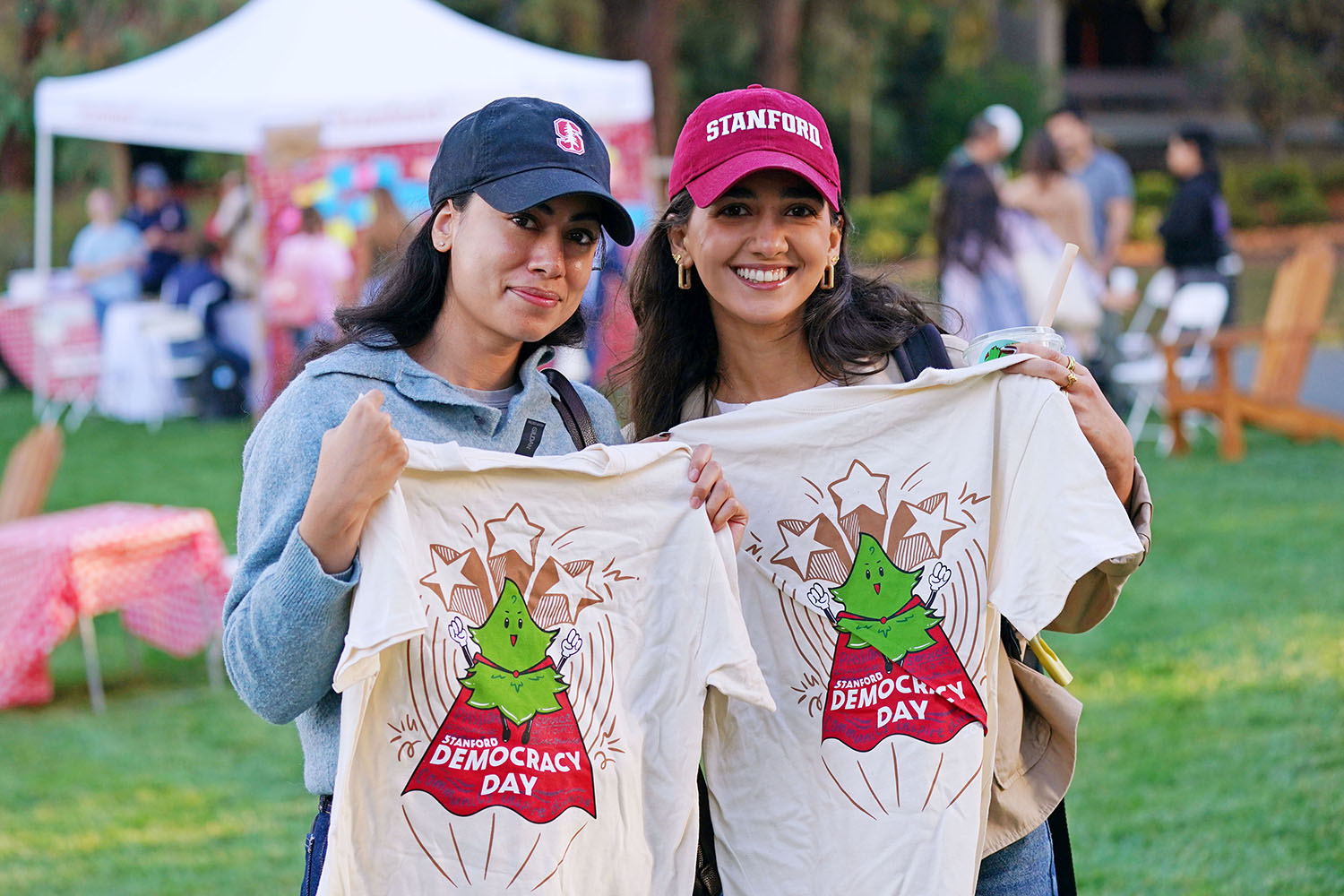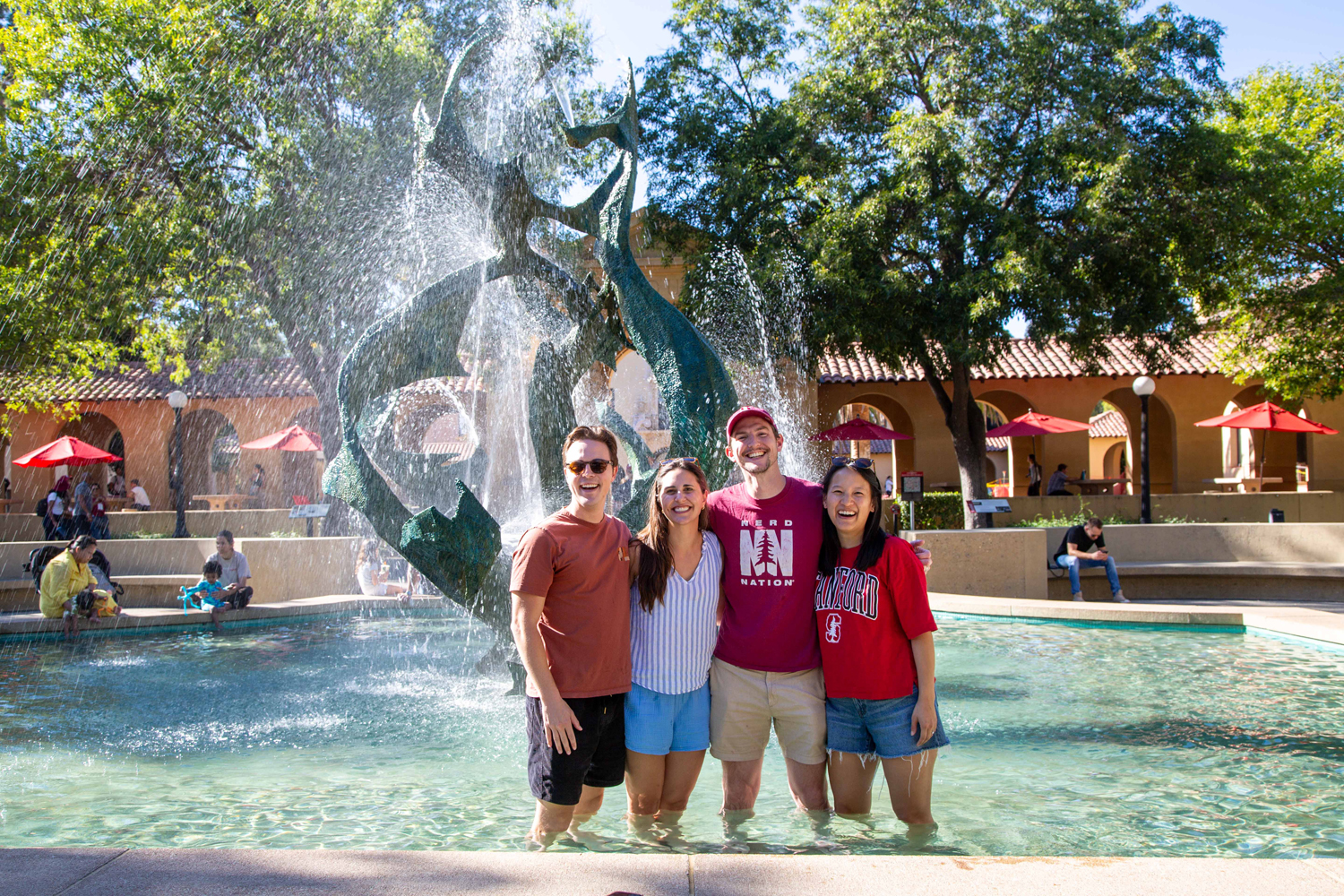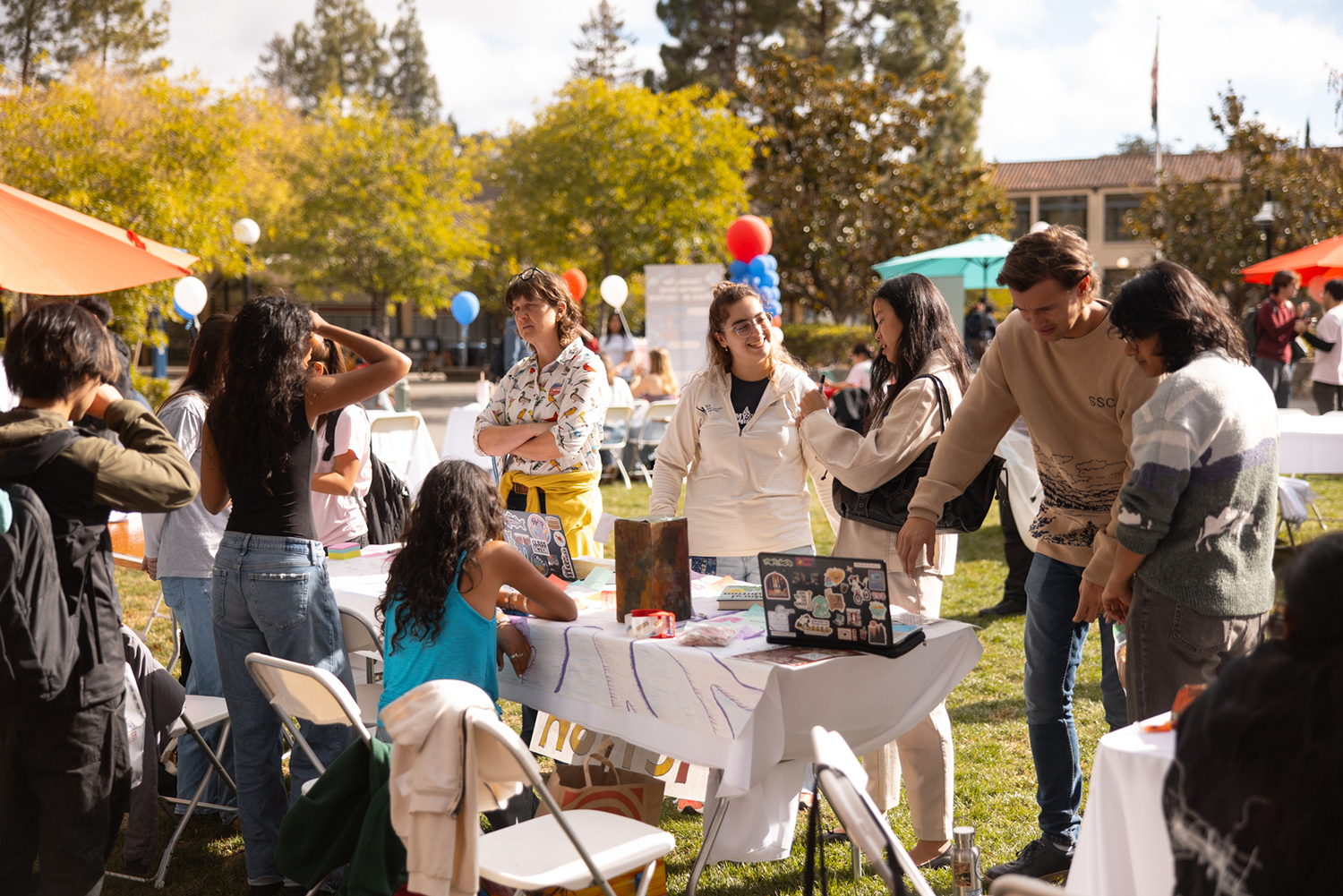
On Tuesday, Nov. 3, students gathered at White Memorial Plaza for the sixth annual Democracy Day, a university-wide academic holiday held on U.S. Election Day. Students affiliated with various clubs and organizations staffed tables and discussed ways to become civically involved and learn.
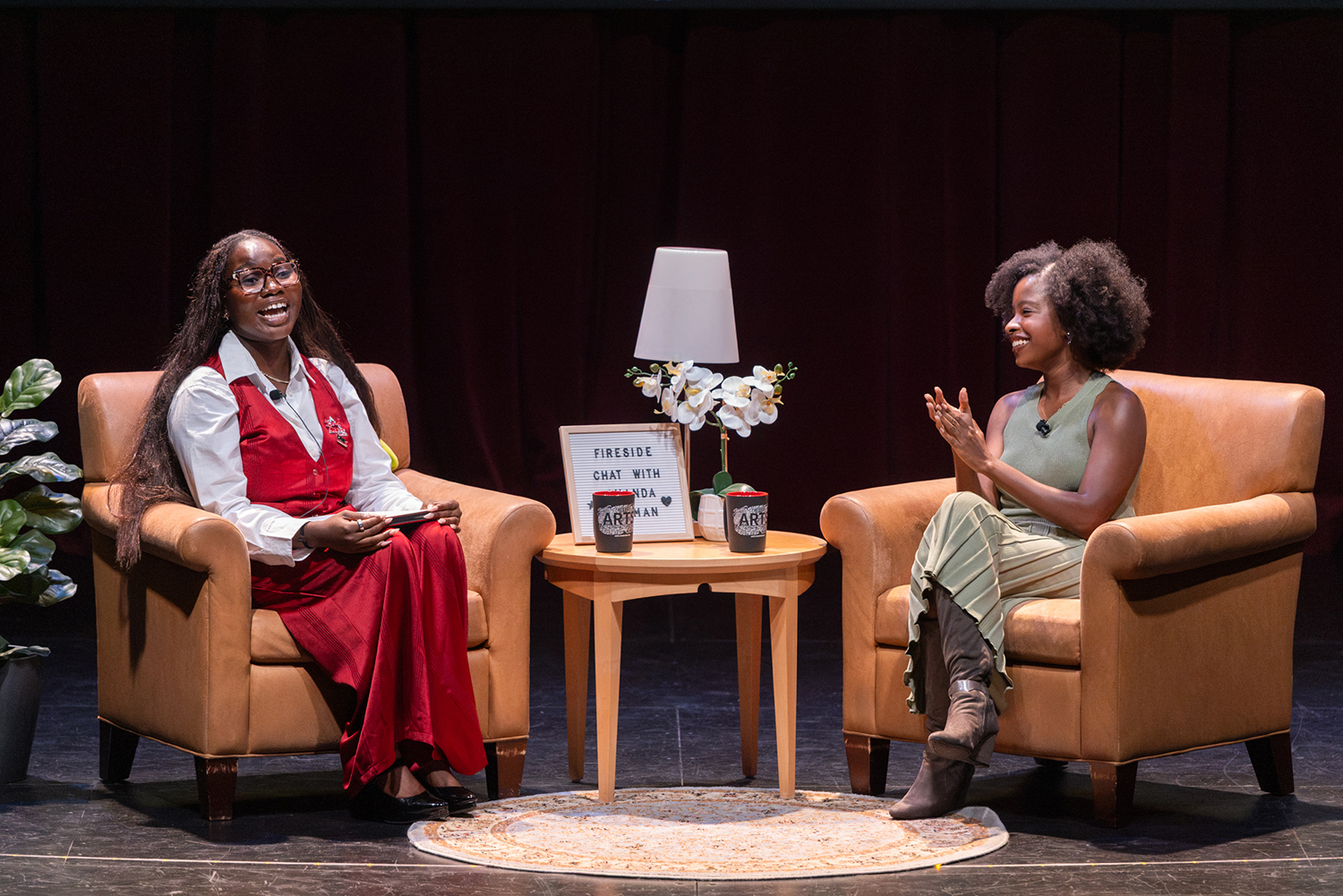
The poet and activist Amanda Gorman (right) was Democracy Day’s keynote speaker. In a wide-ranging conversation with Blessyn Nkrumah, ’28. Gorman, the youngest inaugural poet in U.S. history, shared how she uses poetry to connect people across differences – not to convince, but to “get to a place where we’re closer to knowing and seeing each other,” Gorman said, reflecting on how a poem can open a “tiny crevice” within a person’s heart.
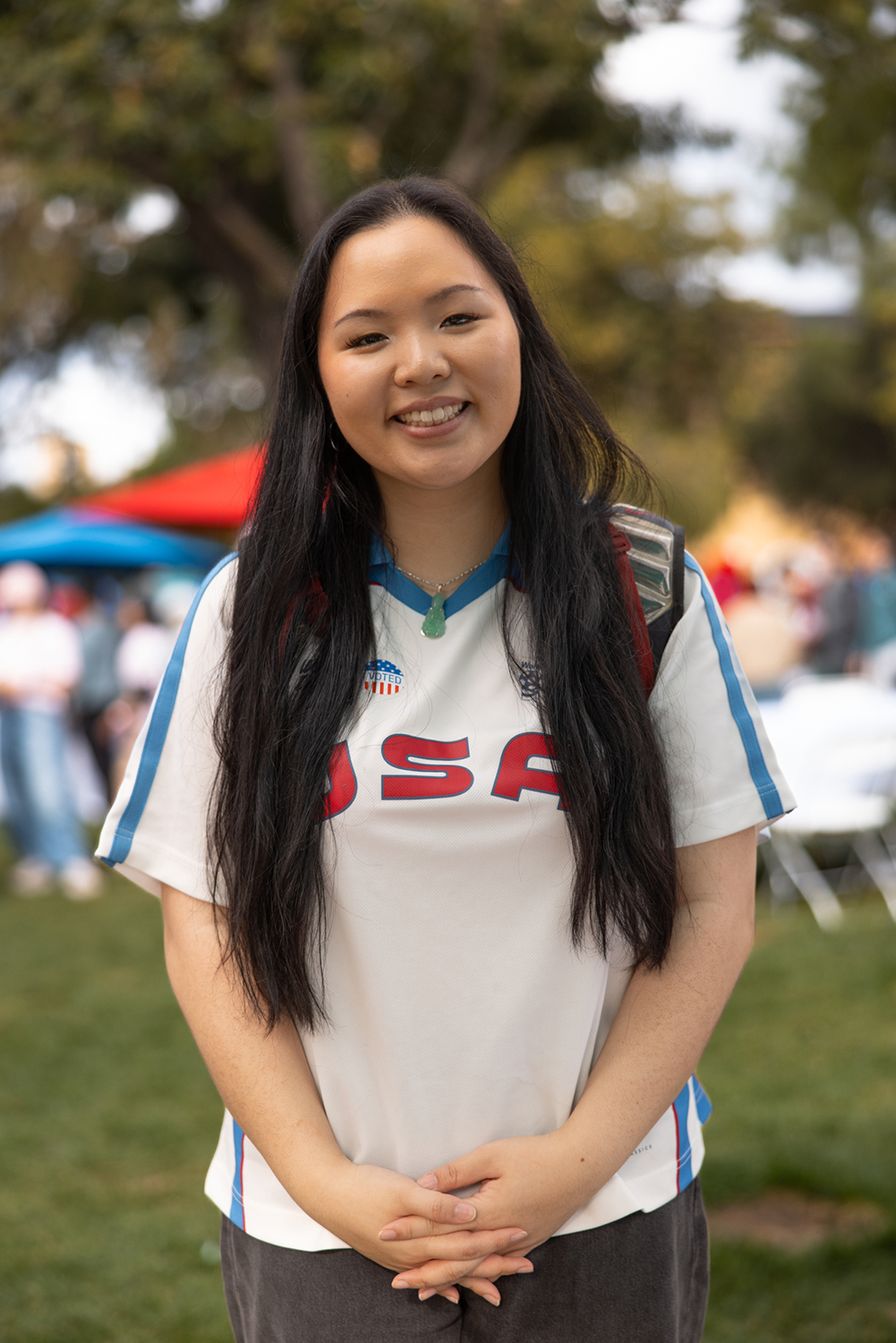
Stanford senior Alyna Lu said she wanted to participate in Democracy Day’s programming to serve as a role model for her younger sister and show her the importance of learning about important issues from different perspectives. “I just want to show her that if I’m doing it, then she can do it too,” Lu said.
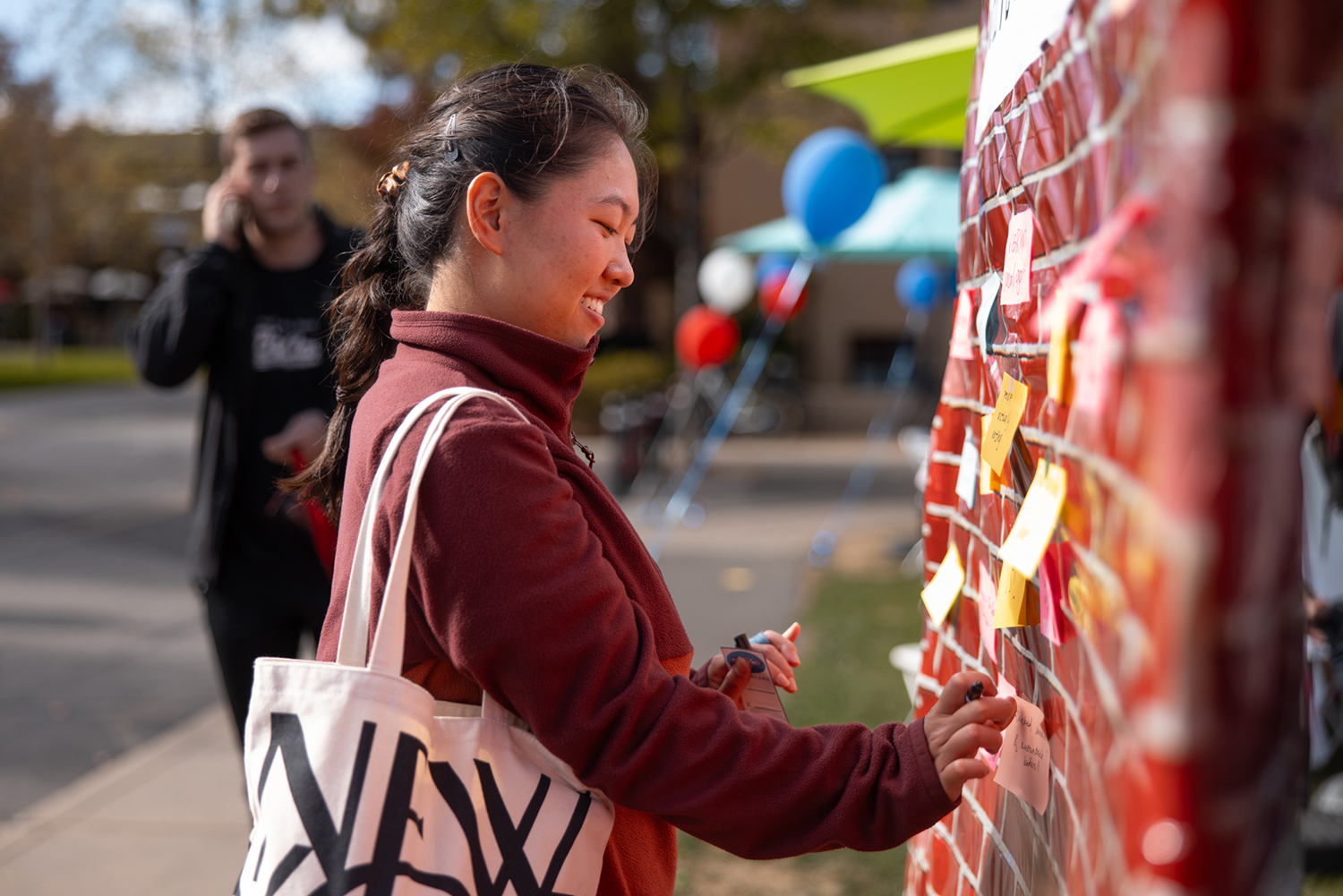
Set up on White Memorial Plaza was a “Democracy Wall,” an interactive display for the inclusive and productive exchange of ideas. Attendees were encouraged to write on cards what they see as the challenges of democratic governance and their vision for the future of democratic societies.
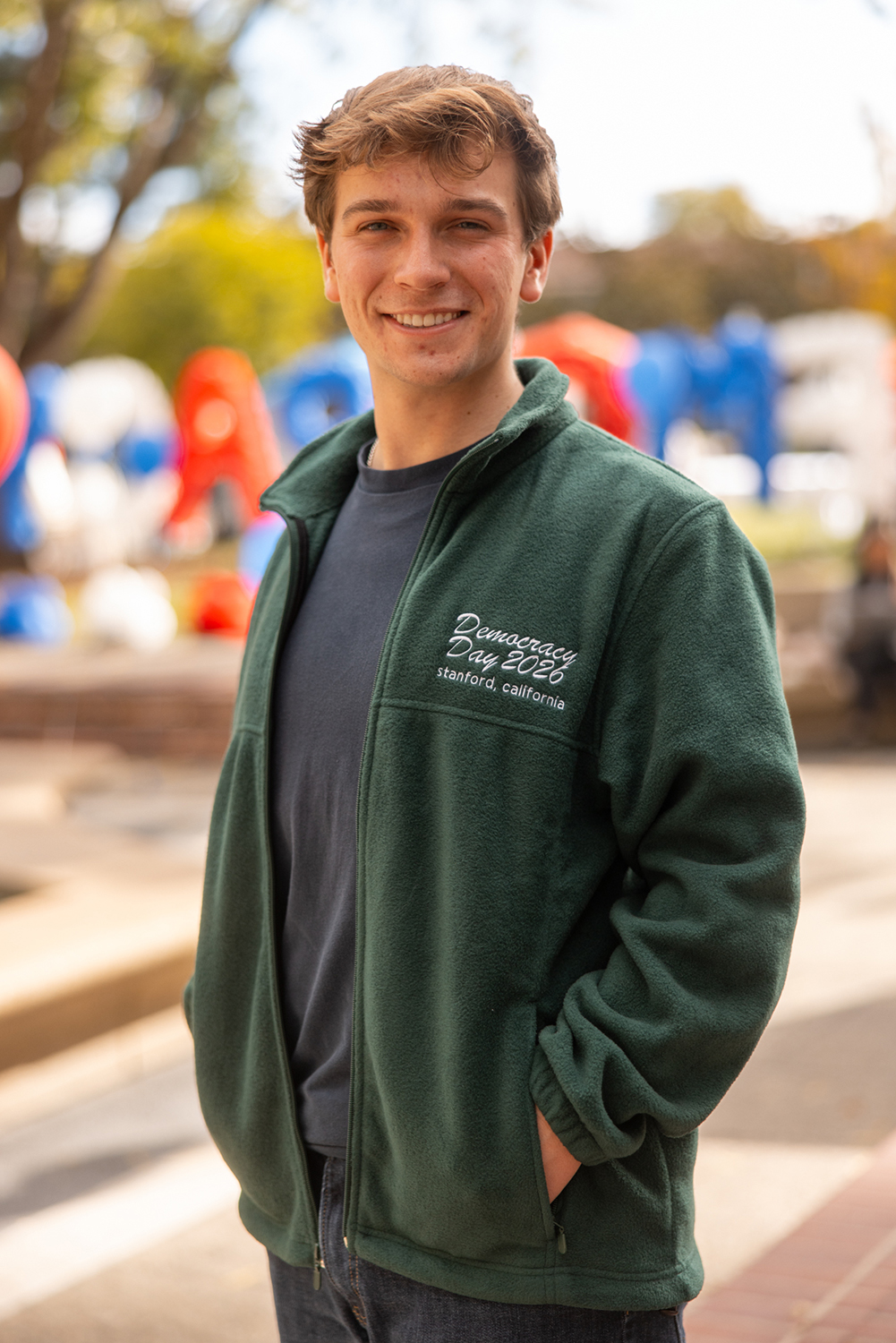
Jadon Urgody, a Stanford senior and this year’s chair of Democracy Day, has participated in the annual event since his first year. “Democracy Day has been part of me for my entire Stanford career,” Urgody reflected. “I believe in the importance of bringing the community together and getting all Stanford students to show up on this important day,” Urgody said. “We all can work together towards strengthening democracy.”
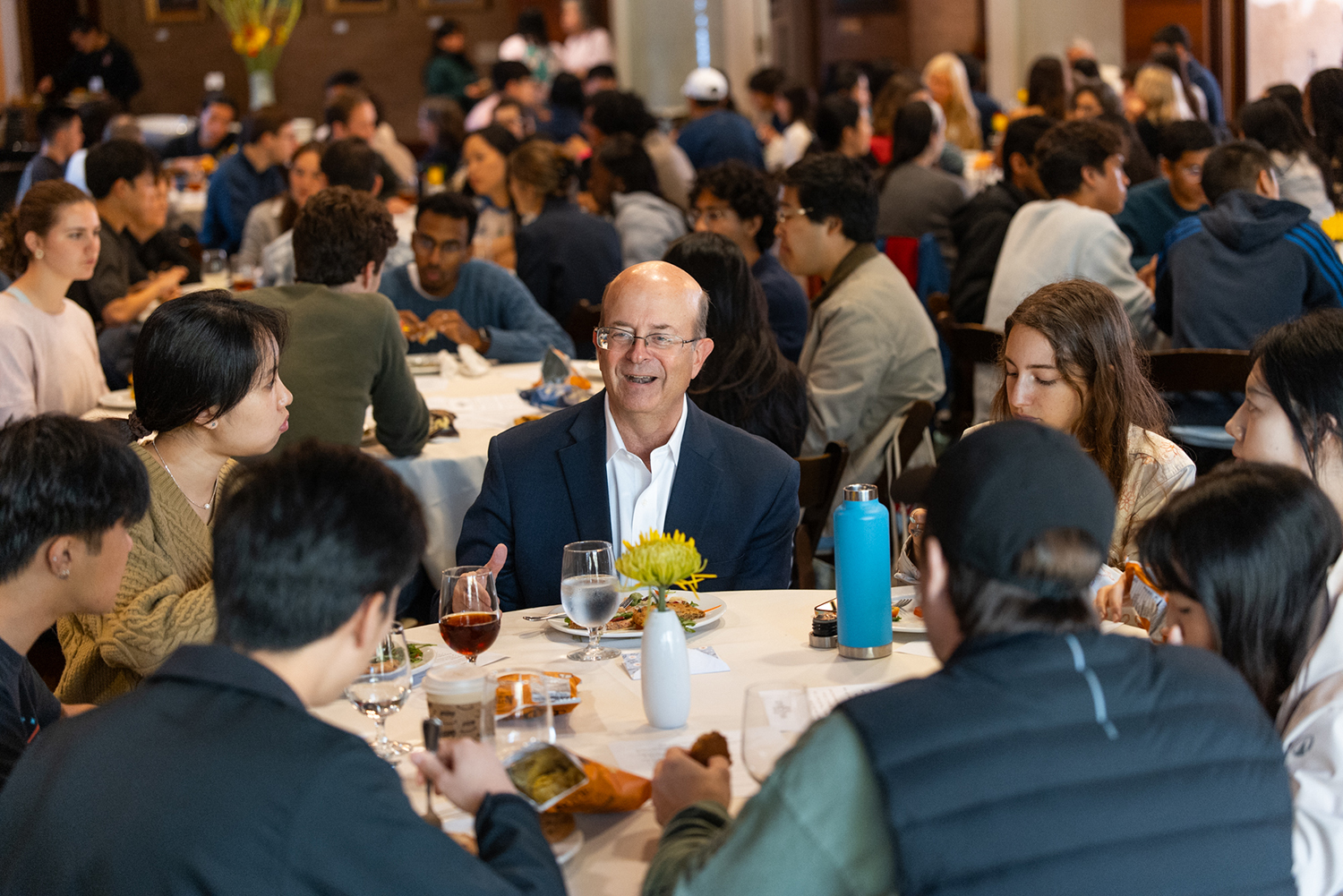
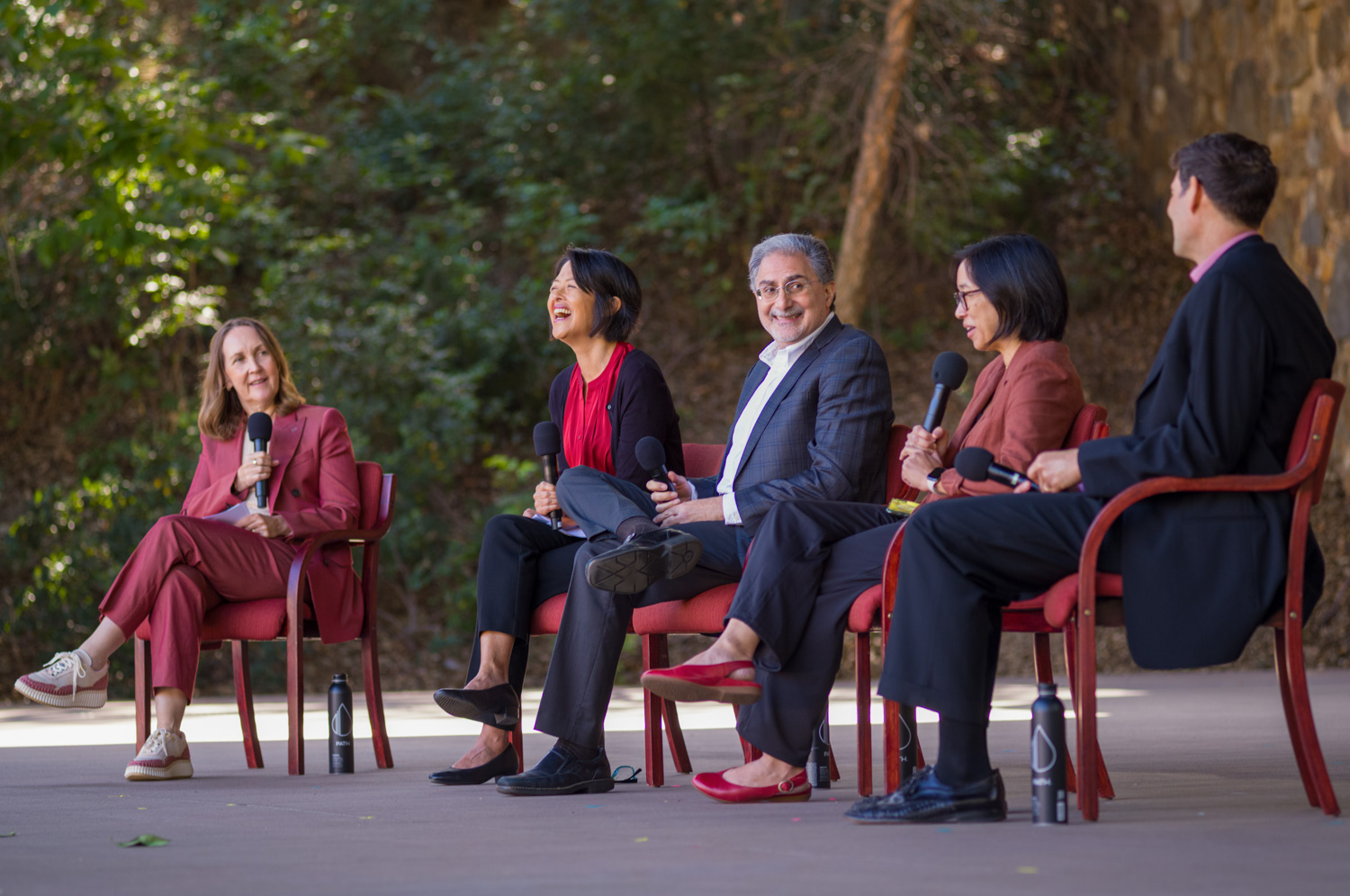
At Dine and Dialogue, Stanford students met with faculty, including Vice Provost for Undergraduate Education Jay Hamilton, to discuss what democracy means to them and how their perspectives on democratic self-governance have changed over time. Some of the conversation prompts included questions like “When was the last time someone actually changed your mind?” and “What is one thing today that gives you hope, and one thing that worries you?”
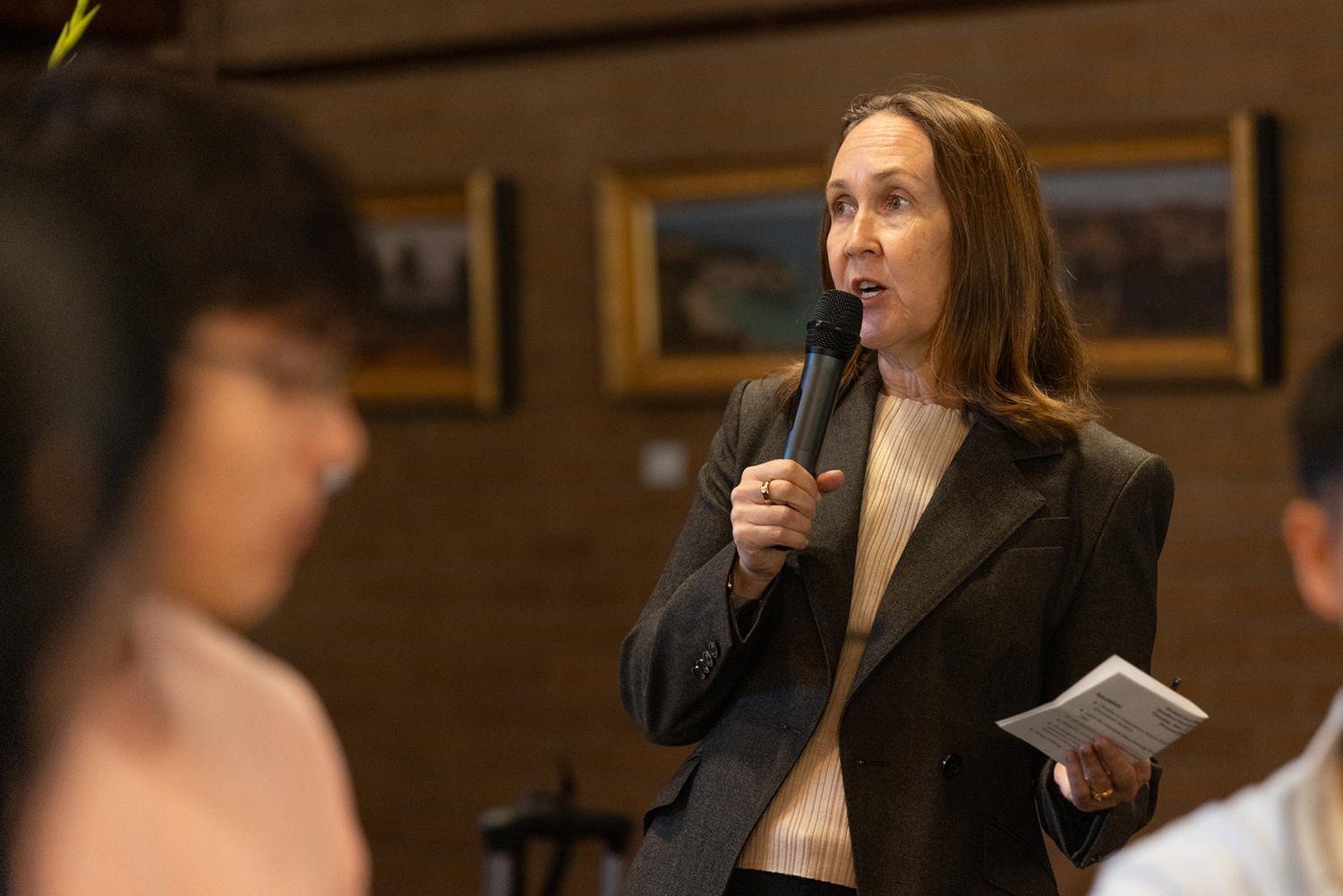
At Dine and Dialogue, Stanford Provost Jenny Martinez said that while Democracy Day is a new Stanford tradition, the university’s commitment to civic engagement dates back to Stanford’s Founding Grant and its promise to prepare students to be engaged citizens in their country and community.
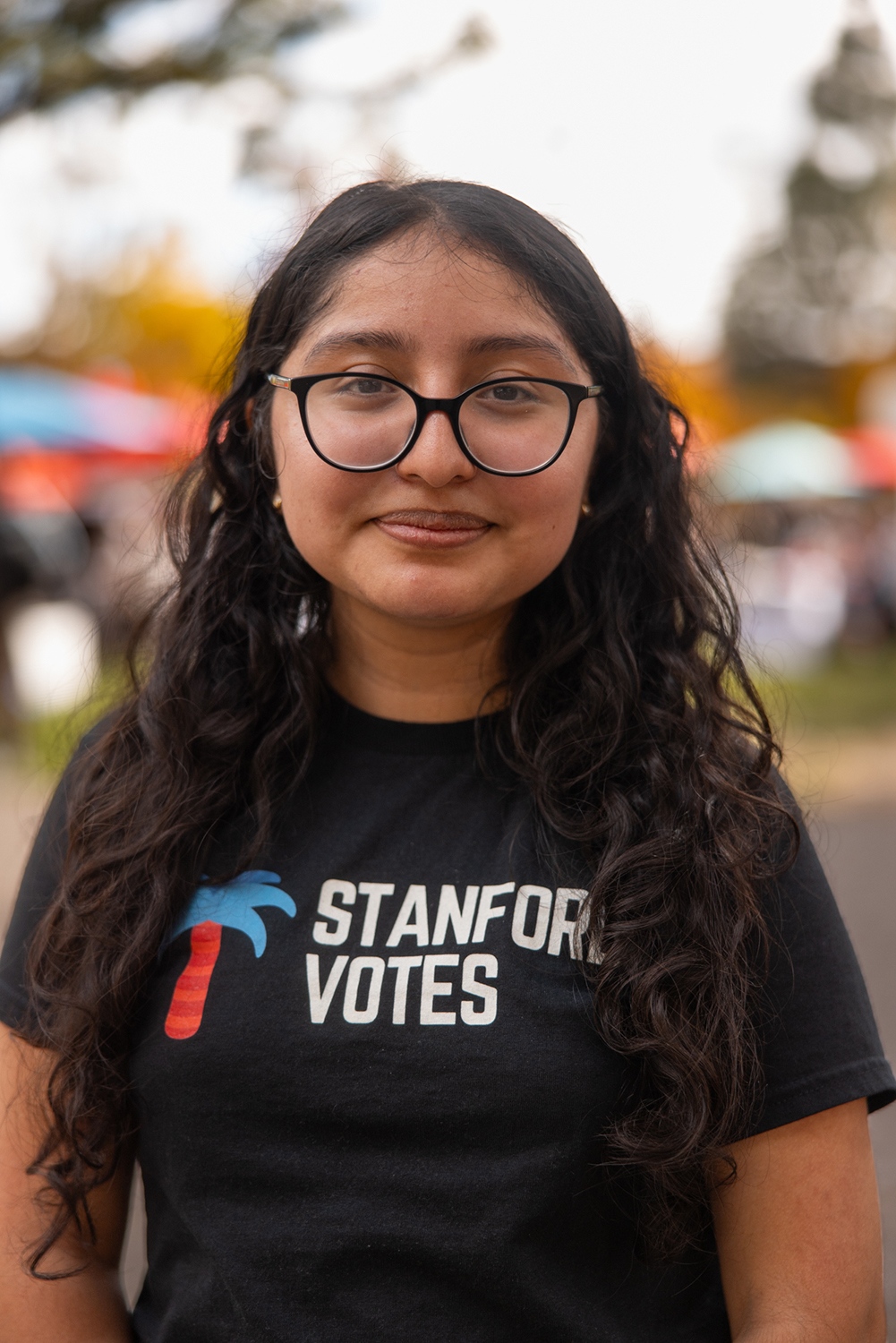
Maria Rueda, a Stanford junior studying history, is one of the co-chairs of StanfordVotes, where she has helped students register to vote and raise awareness of where and how they can vote on election day. Events like Democracy Day “inspire me to continue doing this work and continue interacting and engaging with students from different backgrounds,” she said. For Rueda, making sure all voices in a democracy are heard is vitally important and deeply personal. “I grew up in a community where not everyone can vote, so for me, it makes me feel like my vote is more valuable,” she said.
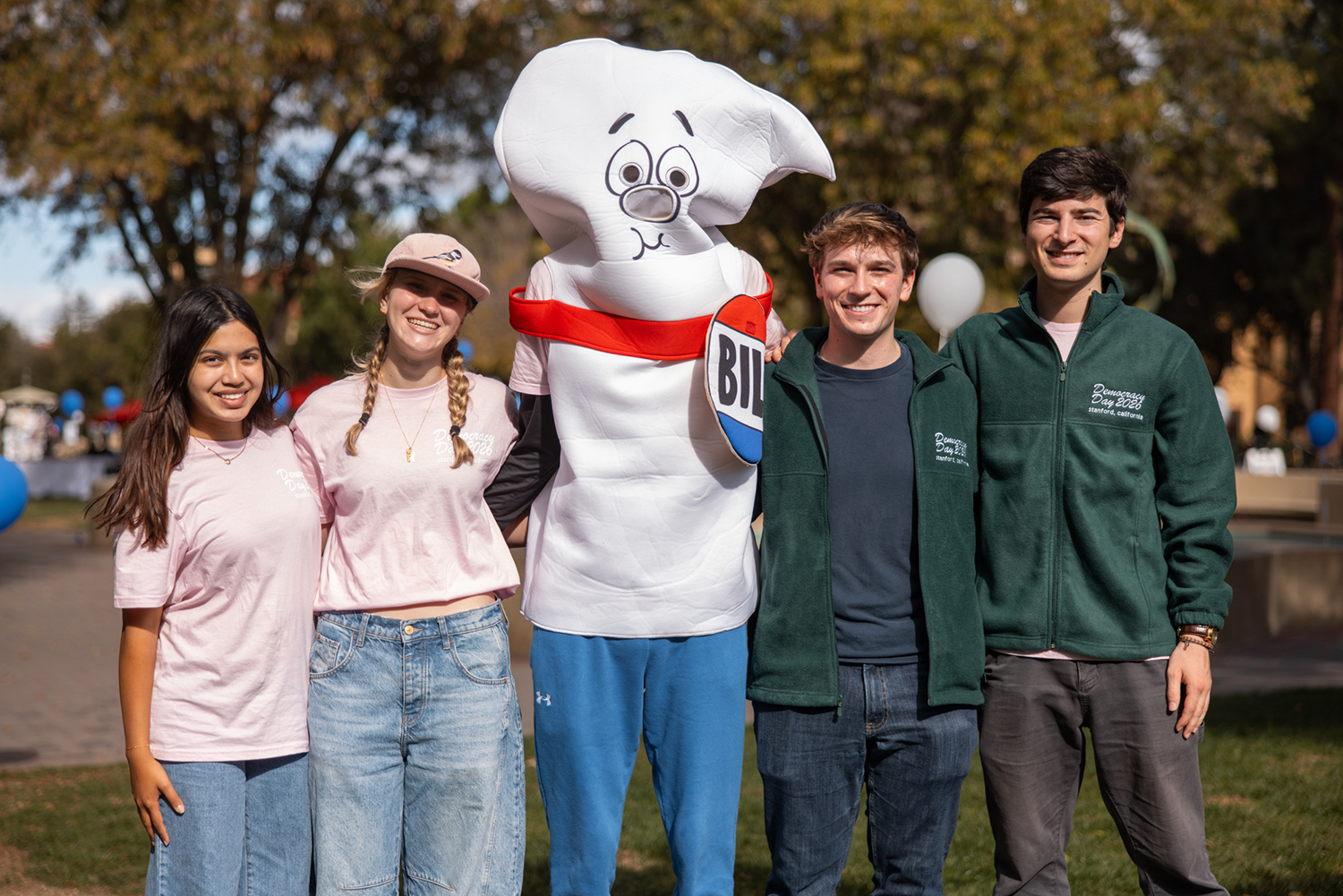
Democracy Day is nonpartisan and student-run, led by a committee of 16 dedicated students and around 50 enthusiastic volunteers.
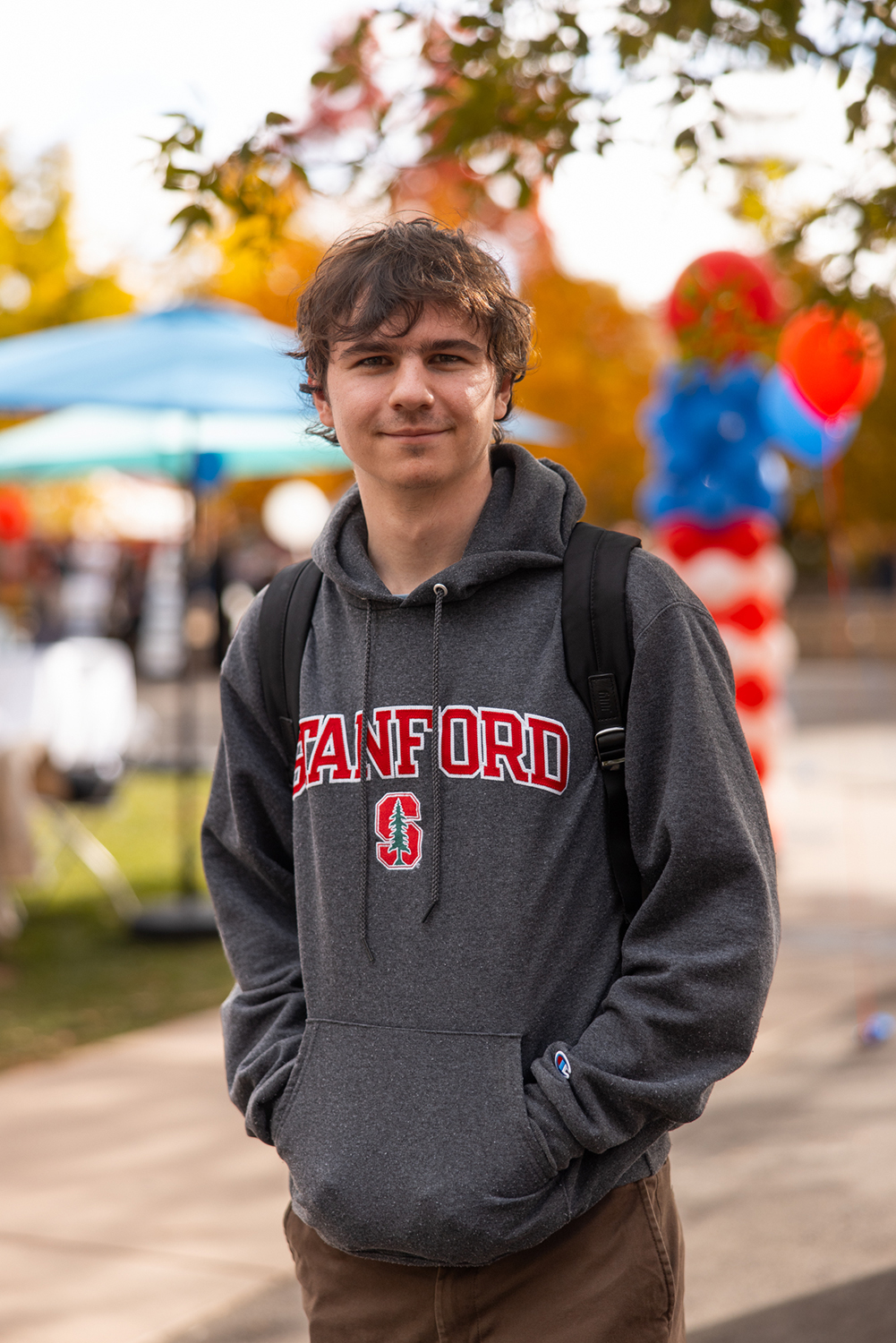
“Going to university is not just about going to classes and pursuing your major and learning about specific subjects,” said Lukas Bryant, a Stanford sophomore studying political science. “It’s also about creating a shared community. It’s also about practicing with others in what makes involvement in the country’s democracy so important. I think college campuses are a great conduit for that kind of participation, and that sort of community of young people, I think, is one of the best places to foster that civic engagement.”
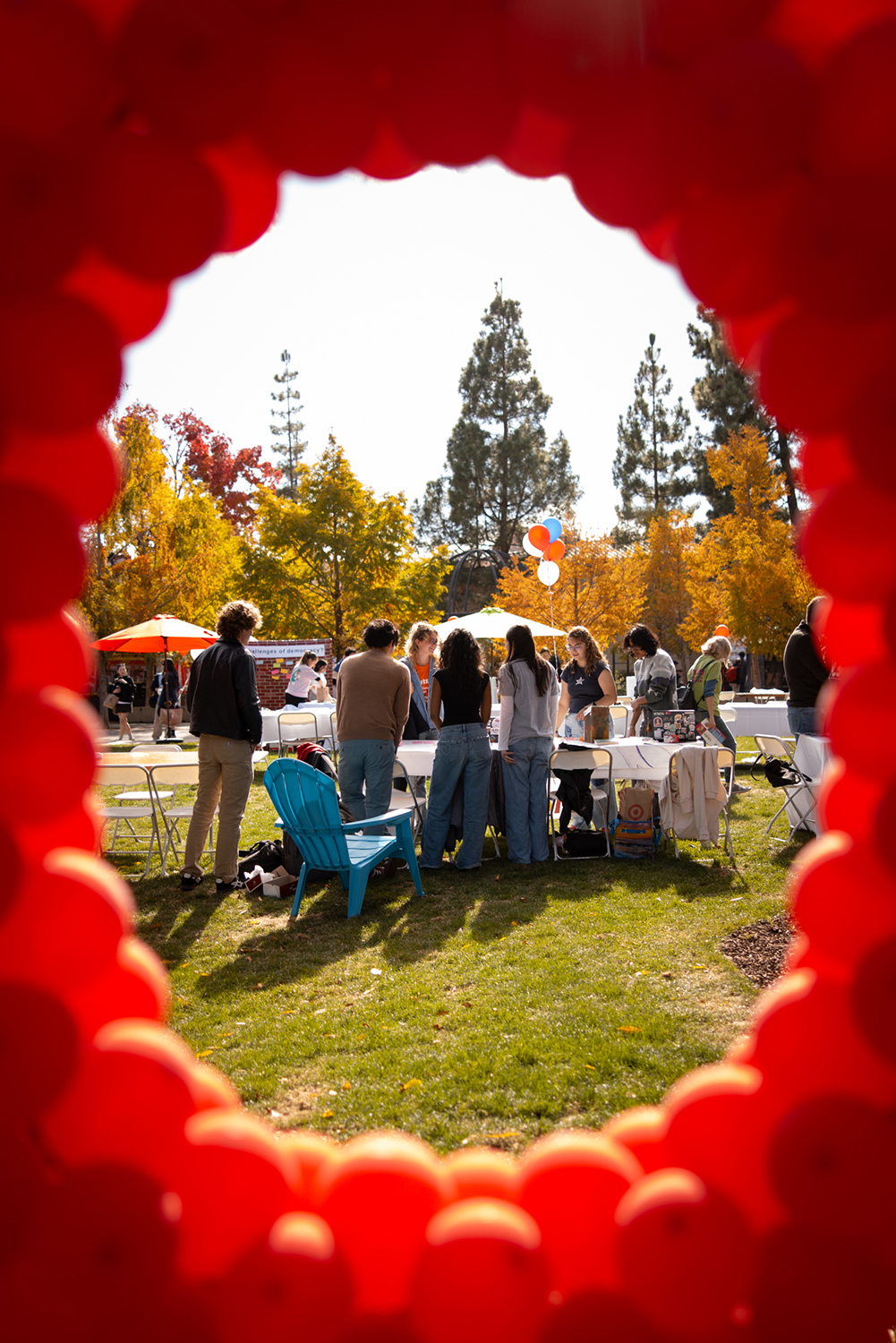
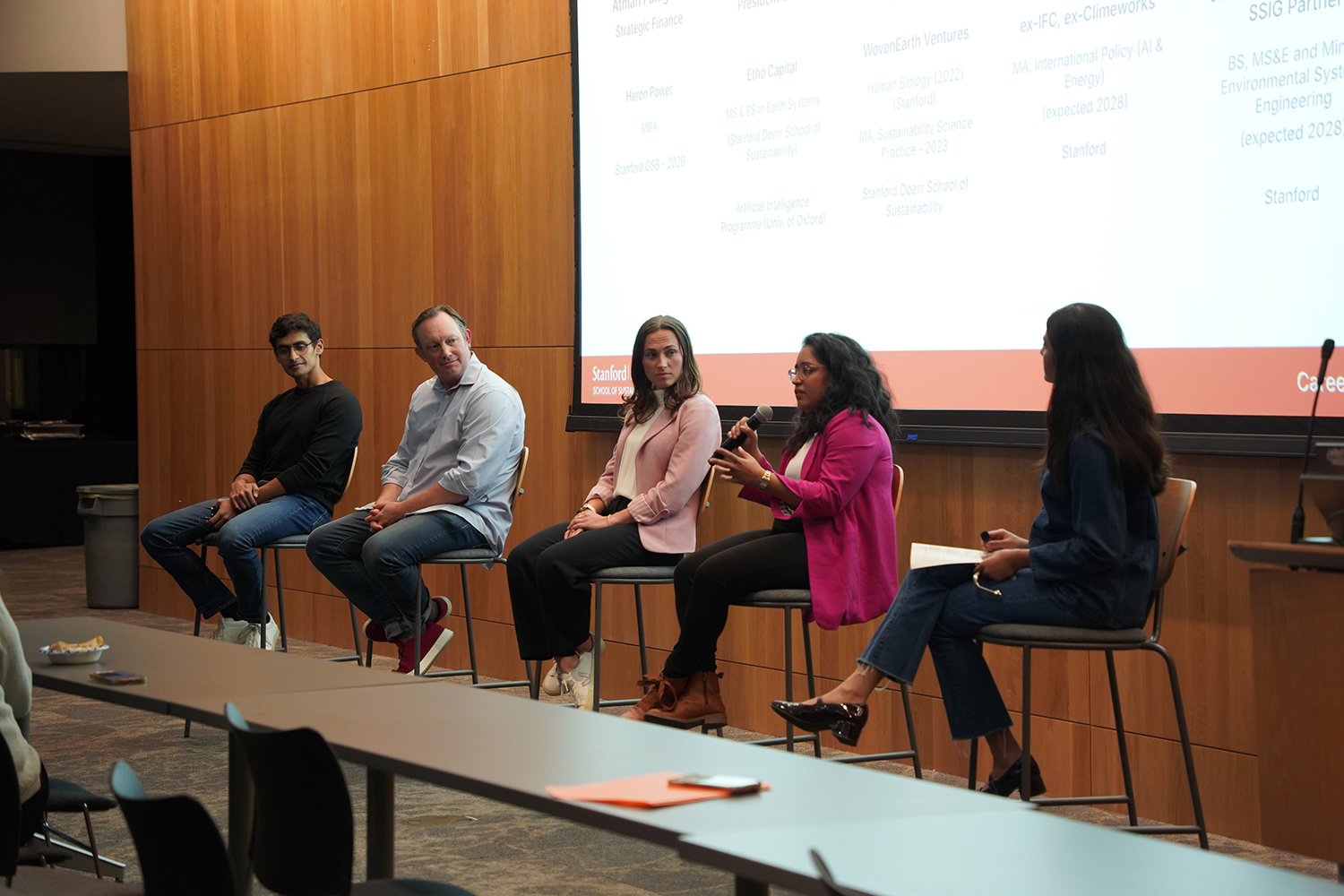
More than 20 events were planned at this year’s Democracy Day, including interactive panel events, workshops, hackathons, and mixers.
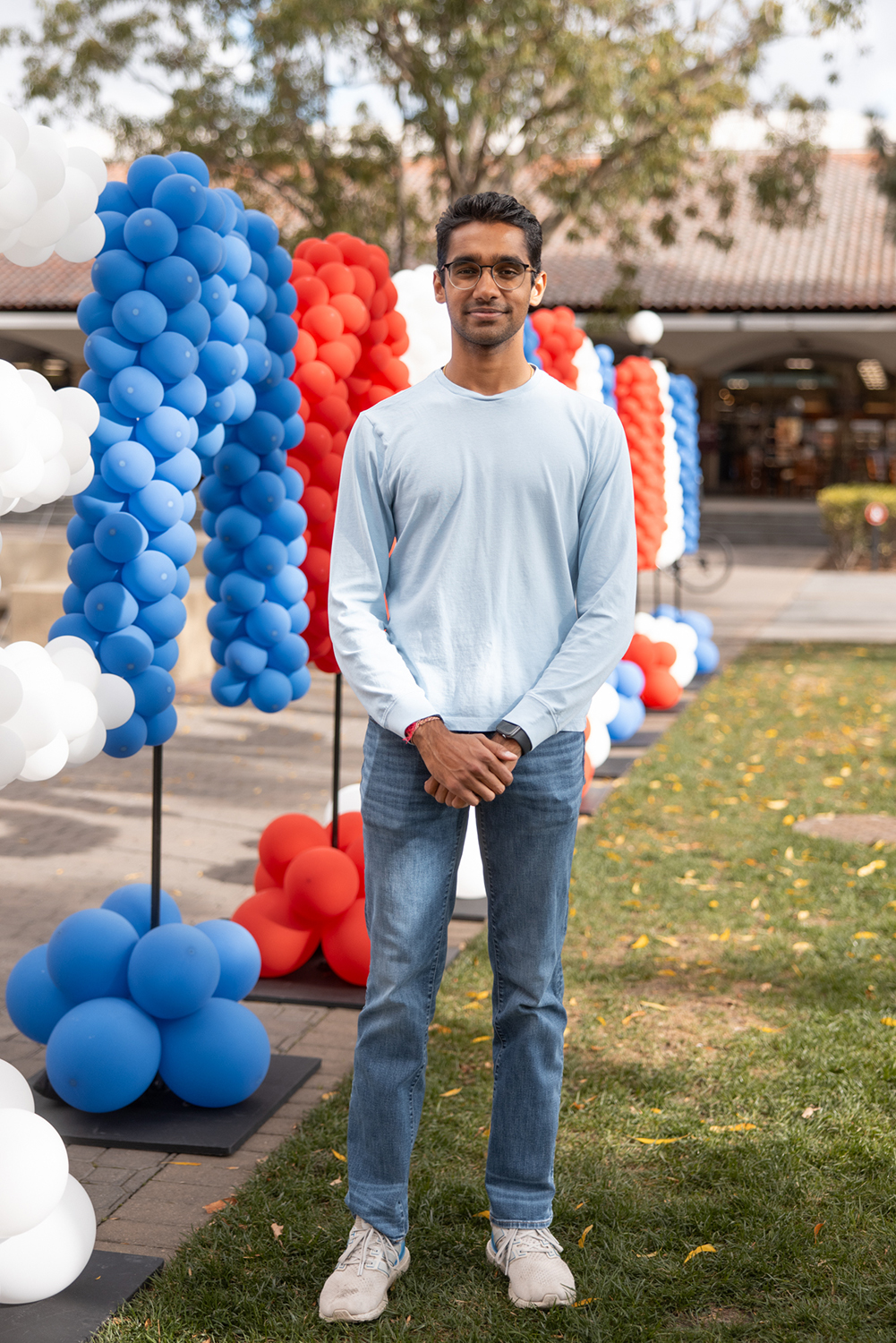
Ronak Vyas, a sophomore studying data science and economics, came to Democracy Day for discussion, deliberation, and disagreement. “These debates, at the end of the day, aren’t to tear each other down; they build each other up,” Vyas reflected. “What inspires me is being able to share my own beliefs, but also learn from others, because I think that’s so important.”
Writer
Melissa De Witte
Photographer
Andrew Brodhead