Hundreds turned out for Climate Week 2026, a student initiative designed to expose students from across fields and disciplines to the many ways they can help address climate challenges.
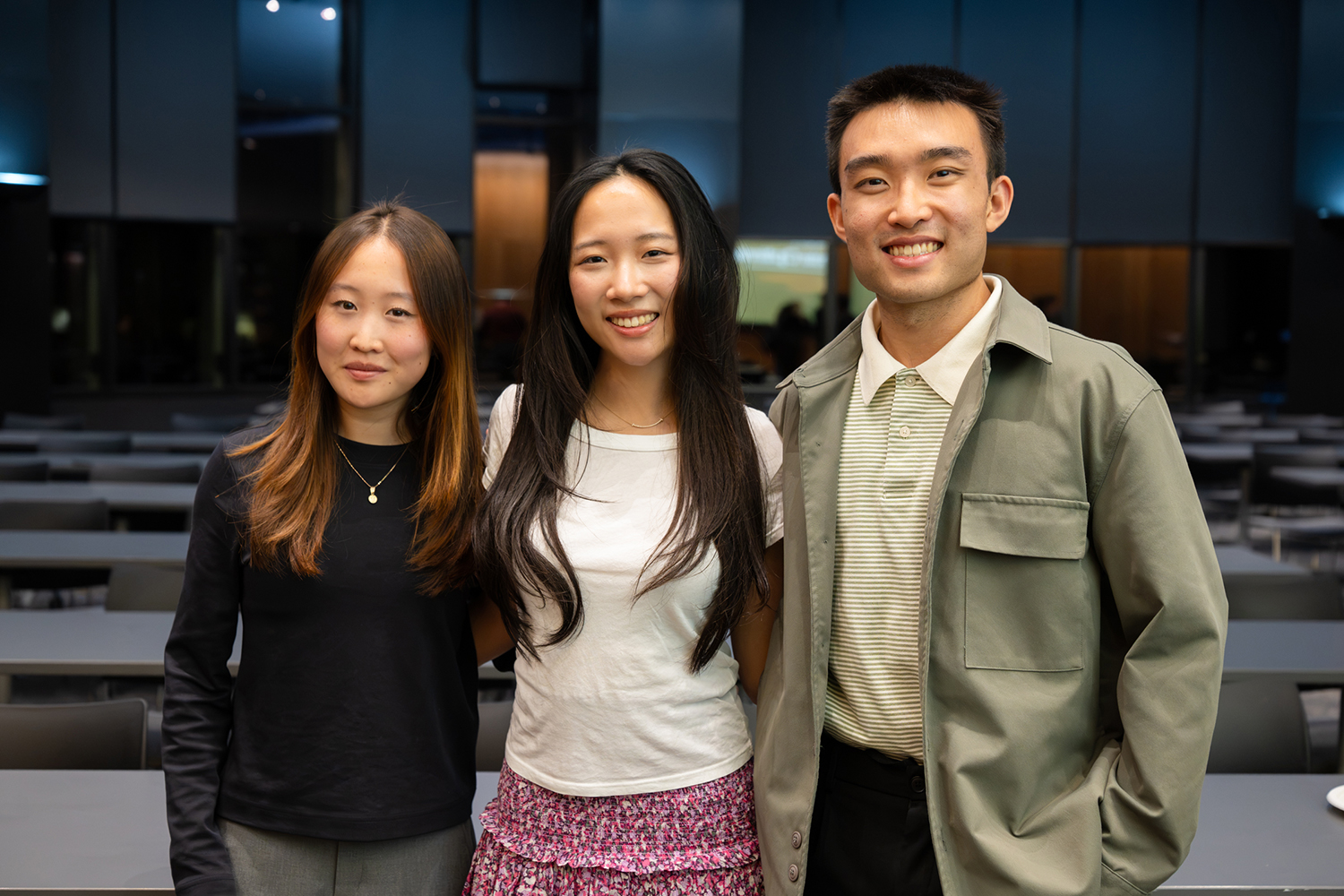
“We wanted to create programming that would translate complex climate concepts into actionable change and demonstrate the diverse ways they intersect with students’ professional and academic backgrounds,” said junior computer science and Earth systems major Naomie Chien, co-executive director of Climate Week. “No matter what students are studying or what skills they have, there are ways they can apply themselves to climate issues.”
More than 70 student-organized events took place at dozens of campus venues Oct. 19 to 25. Among the featured speakers were leaders in business and academia, including many Stanford faculty and alumni, who shared how their fields are addressing the climate crisis. The campuswide event took months of planning, led by Chien and her co-executive directors, junior energy science and engineering major Eddie Chen, and junior computer science major Danica Sun.
“Organizing a relatively new event of this scale for this many people on a campus this large isn’t easy,” said Sun. “And it couldn’t have been done without the many people who came together to make it a success.”
A collaborative effort
Launched by a group of students in the spring of 2025, the first Climate Week was followed by a second one in October of the same year; the events each attracted about 1,500 students. Chen said the initiative’s early success inspired him and his colleagues to build on what previous students had started.
“As freshmen, we saw the possibilities it brought across campus. We saw folks from vastly different fields come together and reunite, collaborate, and exchange ideas,” he said at the kickoff event last week at the Computing and Data Science building.
Chien, Sun, Chen, and the other organizers began planning in February and worked through the summer in collaboration with student groups across campus. Ninety-nine individuals and about 35 student organizations submitted ideas for more than 147 events. Dozens of organizers selected from the submissions and then supported students as they developed the programming.
“We took care of all the background work and logistics – like providing the platform, booking rooms, and marketing – then they went out and hosted it under the umbrella of Climate Week,” Chien said, adding that this model could be replicated by students organizing similar large-scale events at other schools.
We wanted to create programming that would translate complex climate concepts into actionable change.Naomie ChienCo-executive Director of Climate Week
The team received support from Stanford affiliates including the ASSU, the Energy Science and Engineering Department, Sustainable Stanford, Stanford Energy Club, the Precourt Institute for Energy, Stanford Ecopreneurship, the TomKat Center for Sustainable Energy, and Stanford Speakers Bureau.
A Future Worth Building
A wide range of events organized under this year’s theme – “A Future Worth Building” – touched on everything from economics and finance to agriculture and art. The “VC Reverse Pitch” brought venture capital firms to campus to pitch ideas to students. In the hands-on “Power Market Simulation,” student teams bid at a mock trading desk to experience how electricity is bought and sold in real time and in a dynamic market.
Several events, including a “Law, Policy & Energy Abundance” discussion, addressed the legal and governing challenges of energy storage and infrastructure development. And food featured prominently at Climate Week; the Stanford Food Summit brought campus community members together to share their food-related work, while the “Field to Fork” event explored how food moves from agricultural production to the plate.
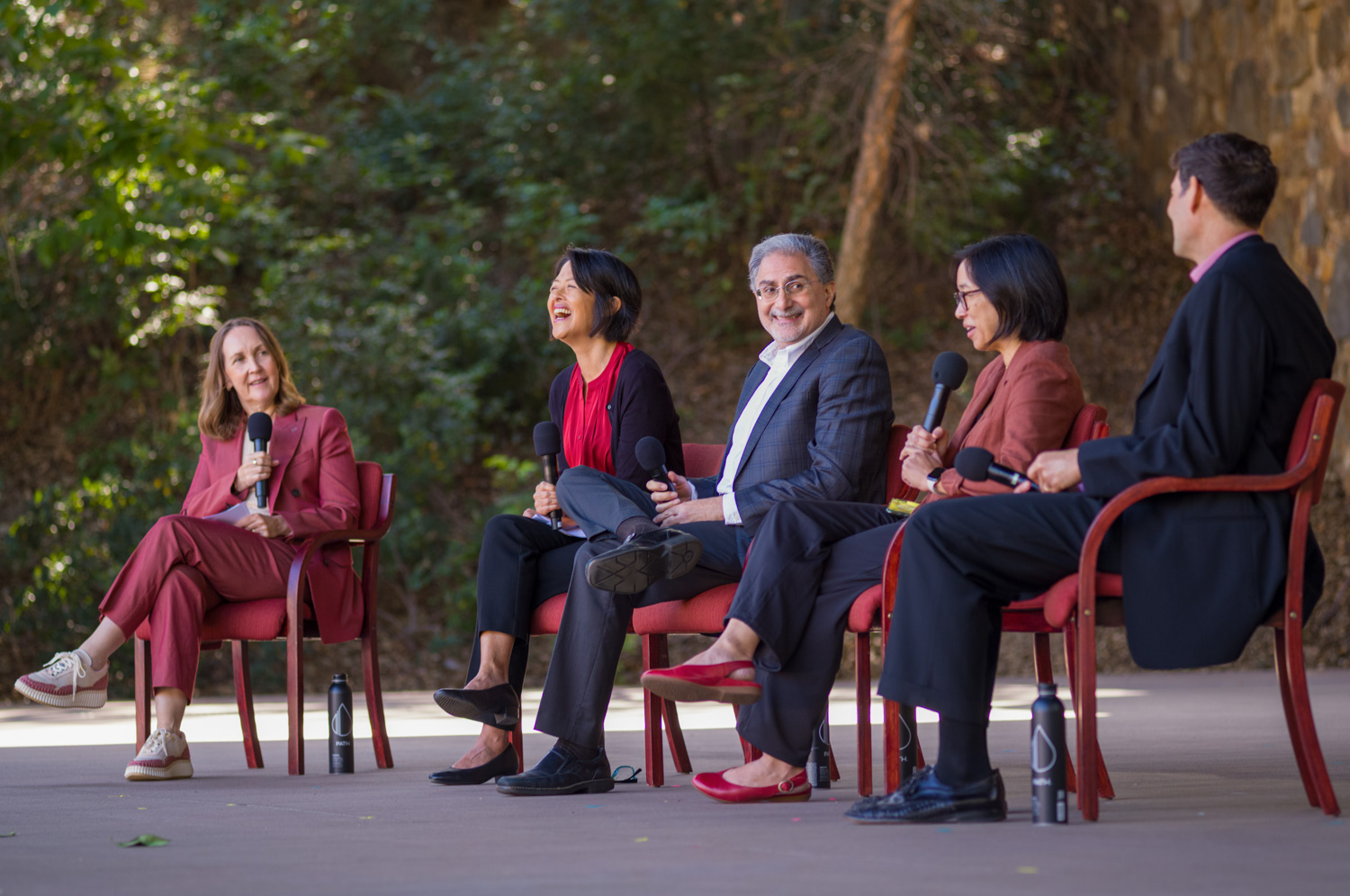
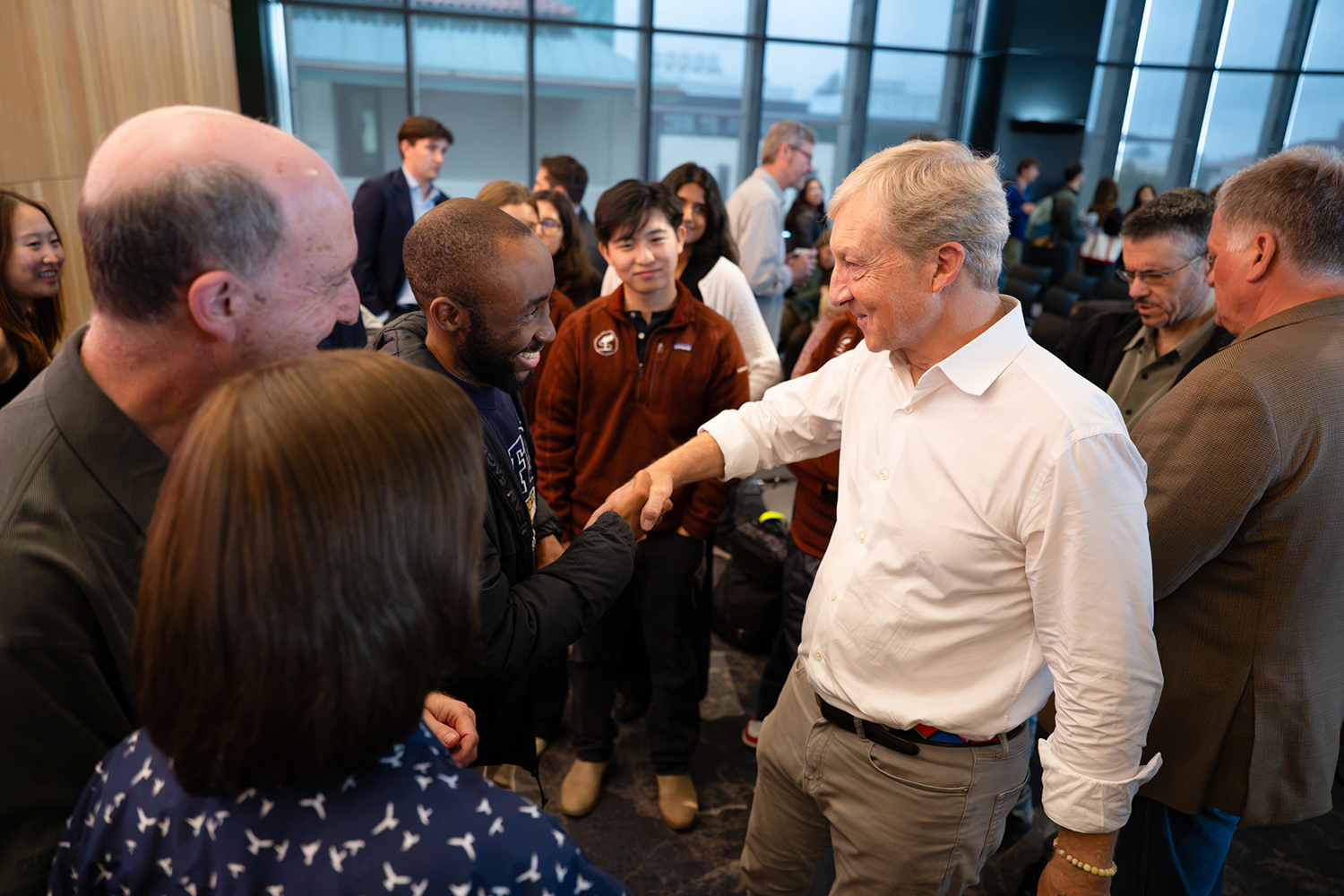
Ani Dasgupta, president and CEO of the World Resources Institute, and Stanford graduate Tom Steyer both delivered keynote addresses. Steyer – who is founder of Farallon Capital and NextGen America, and a former U.S. presidential candidate – discussed why climate is a worthwhile investment.
Throughout the week, students hosted social events, including a biochar bonfire, a hike to the Dish, and a bike ride. A Climate Week Speed Networking event brought students together from across disciplines to share interests and ideas, make connections, and find ways to collaborate on climate projects. The Big Swap Gameday Edition brought the campus community together to exchange used goods like clothes and electronics, which may otherwise have ended up in a landfill. And at the annual Explore Energy Expo, students showcased their climate projects and research.
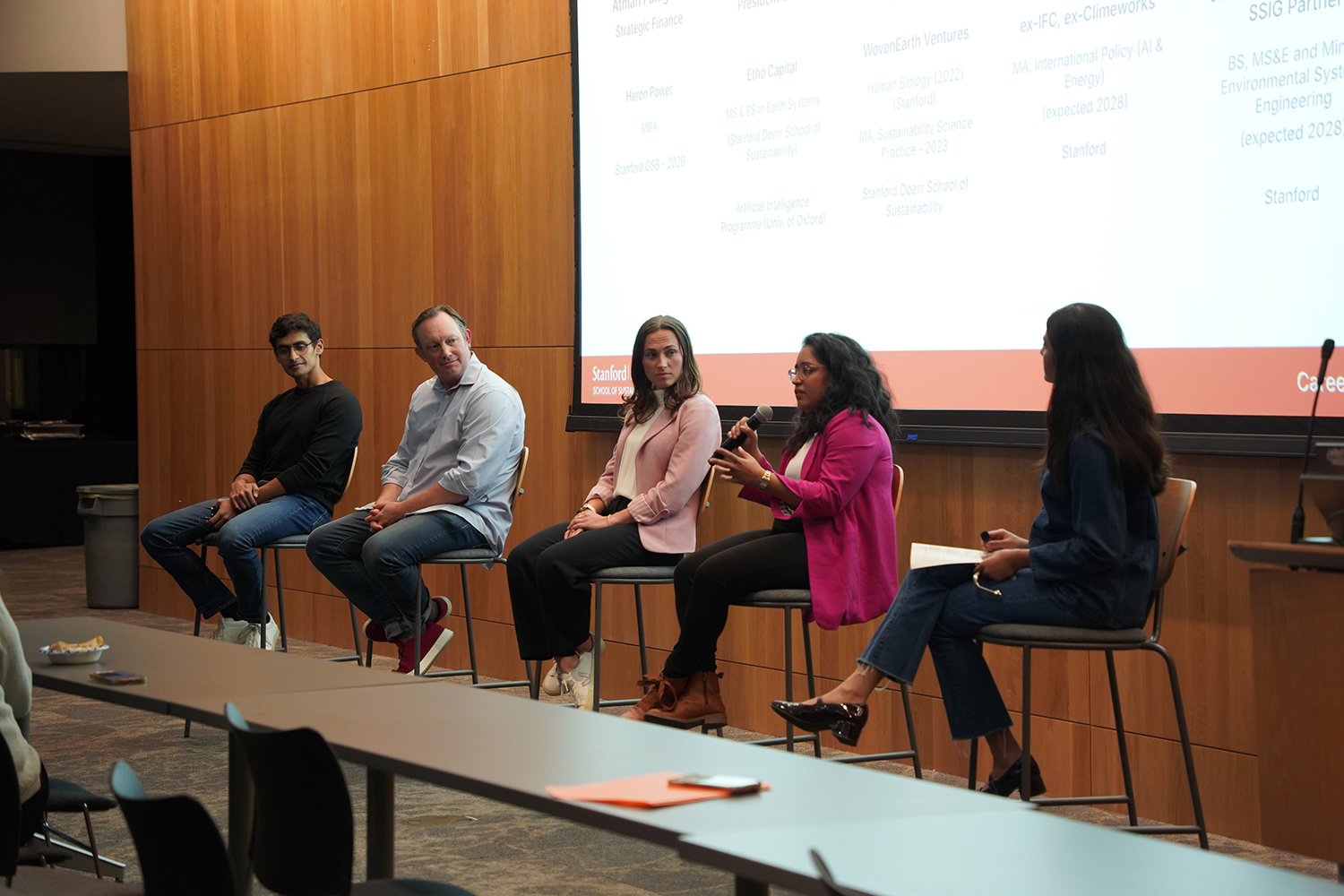
For students curious about climate-focused career paths, the workshop “Climate Jobs 101” with Leonard Adler, a Stanford alum and CEO of Green Jobs Network, offered tips and resources for exploring climate-related opportunities.
“There are so many opportunities that students may not know about, and we hope that attending Climate Week allowed them to see what’s possible,” Chen said.
The organizers are already thinking about next year’s Climate Week. They hope to increase sponsorships and partnerships with clubs and programs on campus as well as companies and organizations off campus.
“We see Stanford Climate Week as a bridge between perspectives and across demographics,” said Chen. “And we urge students to share those perspectives that they would like to see highlighted on campus.”
Writer
Alex Kekauoha