In brief
- New research reveals how much rising global temperatures could amplify mortality risks if past hazardous weather patterns occur again.
- The weather patterns that produced past extreme heat events in Europe could kill tens of thousands more people if repeated in today’s hotter climate.
- Mitigating further global warming and preparing health systems, homes, and communities for the hottest days ahead can reduce deaths from extreme heat events.
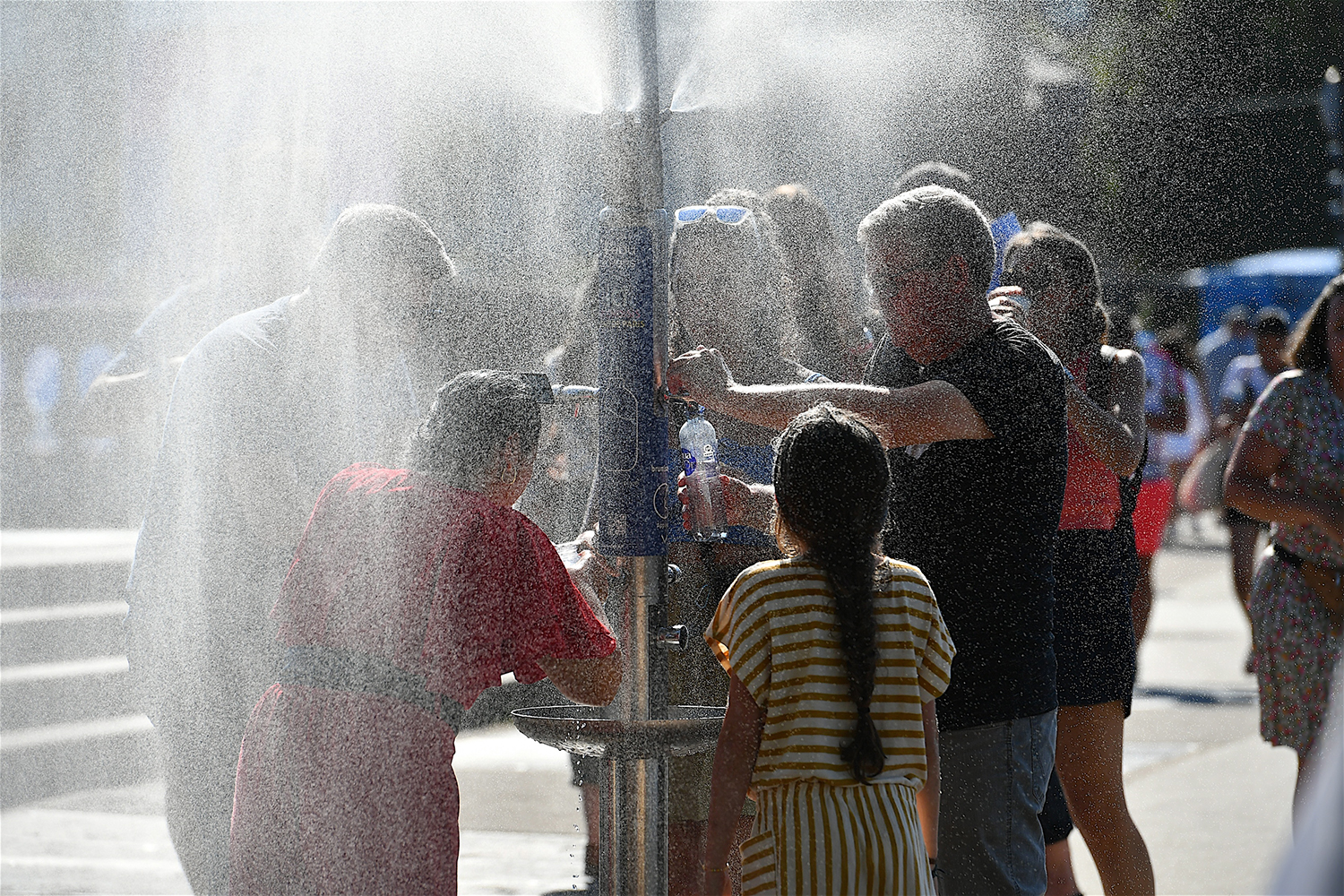
The weather patterns that produced some of Europe’s most extreme heat waves over the past three decades could prove far more lethal if they strike in today’s hotter climate, pushing weekly deaths toward levels seen during the COVID pandemic, according to a Nov. 18 study in Nature Climate Change.
“We showed that if these same weather systems were to occur after we’ve trapped a lot more heat in the atmosphere with greenhouse gases, the intensity of the heat waves gets stronger and the death toll rises,” said lead study author Christopher Callahan, who completed the research as a Stanford Doerr School of Sustainability postdoctoral scholar and recently joined the Indiana University faculty.
Global average temperatures in recent years have approached 1.5 degrees Celsius above pre-industrial levels and about 0.7 degrees above the 2003 average, when a heat wave killed more than 20,000 people across Europe. This year, 2025, researchers estimated thousands of people may have lost their lives because of extreme heat during the fourth-hottest summer in European history.
Courtesy of Callahan et al. 2025, Nature Climate Change
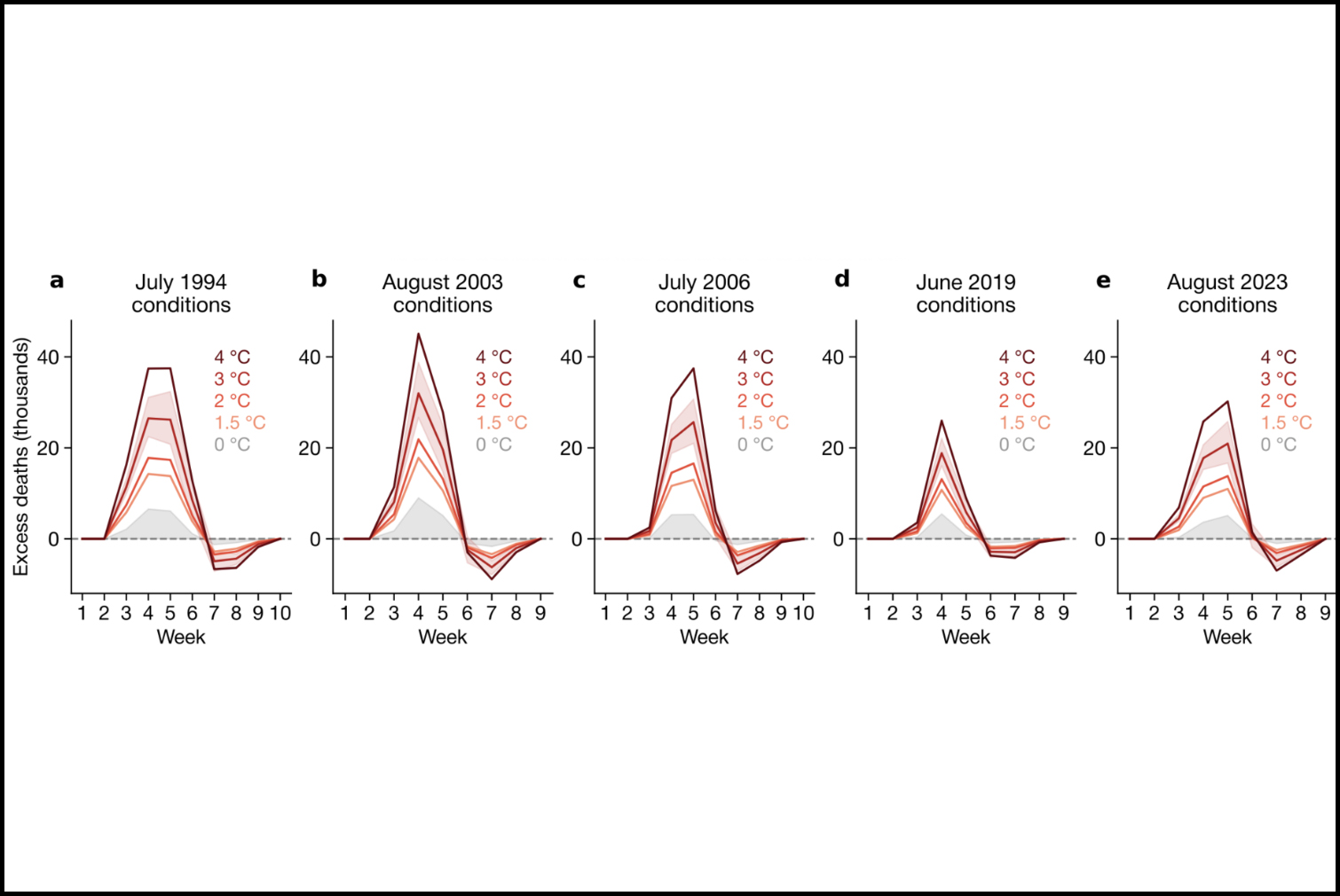
Using a combination of artificial intelligence and statistical techniques from economics, Callahan and colleagues estimate that 2003-like weather patterns could cause 17,800 excess deaths across the continent in a single week against the backdrop of today’s climate, compared to 9,000 with no global warming. At 3 degrees Celsius above pre-industrial levels, their modeling shows weekly excess deaths from a 2003-like weather system could reach 32,000.
Recipe for disaster
Deadly heat waves in Europe have repeatedly followed the stalling of a high-pressure system, or “heat dome,” over land already parched from months of low rainfall.
In the summer of 2003, an extreme version of this combination held temperatures around 38 degrees Celsius (100 degrees Fahrenheit) for two weeks straight across much of Western Europe. In France, refrigerated trucks stored bodies as morgues reached capacity. The temperatures were so extreme that the event essentially broke conventional probability calculations, which suggested that without climate change it might be a one-in-a-million-year event.
“That event, which was devastating from a health point of view, was extremely statistically rare at the time that it happened, and yet we know it’s possible the weather conditions that produced it could happen again, but in what is now a much warmer climate,” said co-author Noah Diffenbaugh, the William Wrigley Professor in the Stanford Doerr School of Sustainability.

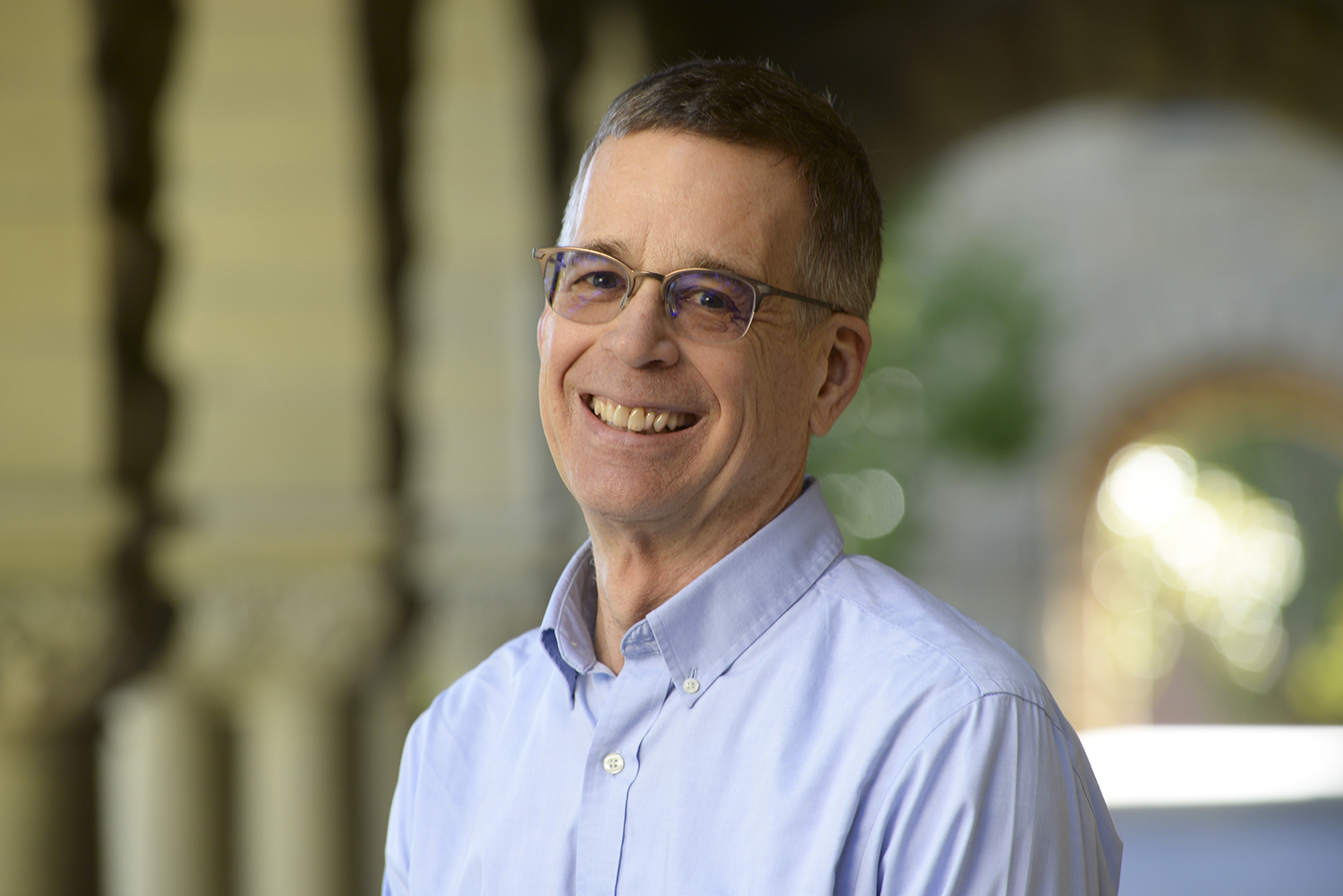
Noah Diffenbaugh is the William Wrigley Professor and Kimmelman Family Senior Fellow at the Stanford Doerr School of Sustainability. | Courtesy Stanford Doerr School of Sustainability
Until now, however, researchers have not known the likely death toll if those same weather conditions arise in the current climate two decades later, or in the future after additional global warming.
Fast facts about extreme heat and climate change
Climate change is increasing the frequency and intensity of extreme heat events, threatening human health.
Excess mortality drops slightly in the weeks following major heat waves with high death tolls, but it’s not enough to offset the peak of the event.
Hot extremes are increasing more rapidly in Europe than in the rest of the hemisphere.
Tens of thousands of deaths across Europe have been linked to recent summer heat, with climate change causing more than half.
Exponential risk
Scientists have known for decades that extreme heat waves can be expected to intensify as the planet continues to warm, and growing evidence shows that heat-related mortality risks can increase exponentially as it gets hotter. The new study shows how this could play out in Europe. “These events could be as bad as some of the worst weeks of COVID by mid-century,” said co-author Marshall Burke, a Stanford professor of environmental social sciences.
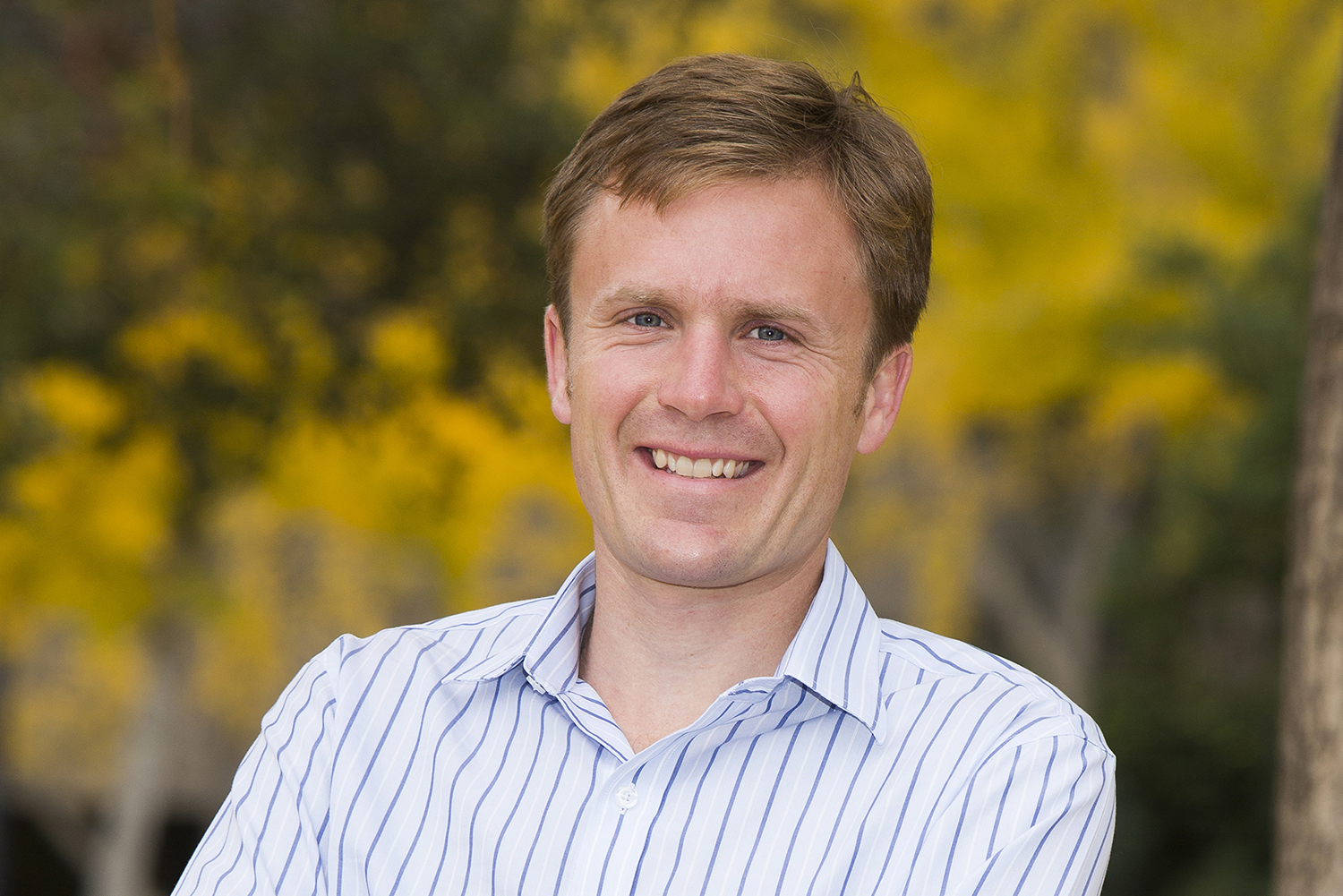
Marshall Burke is a professor of environmental social sciences in the Stanford Doerr School of Sustainability. | Courtesy Stanford Doerr School of Sustainability
The researchers used statistical and machine learning methods, including a model developed by co-author Jared Trok, a PhD student in Diffenbaugh’s group at Stanford.
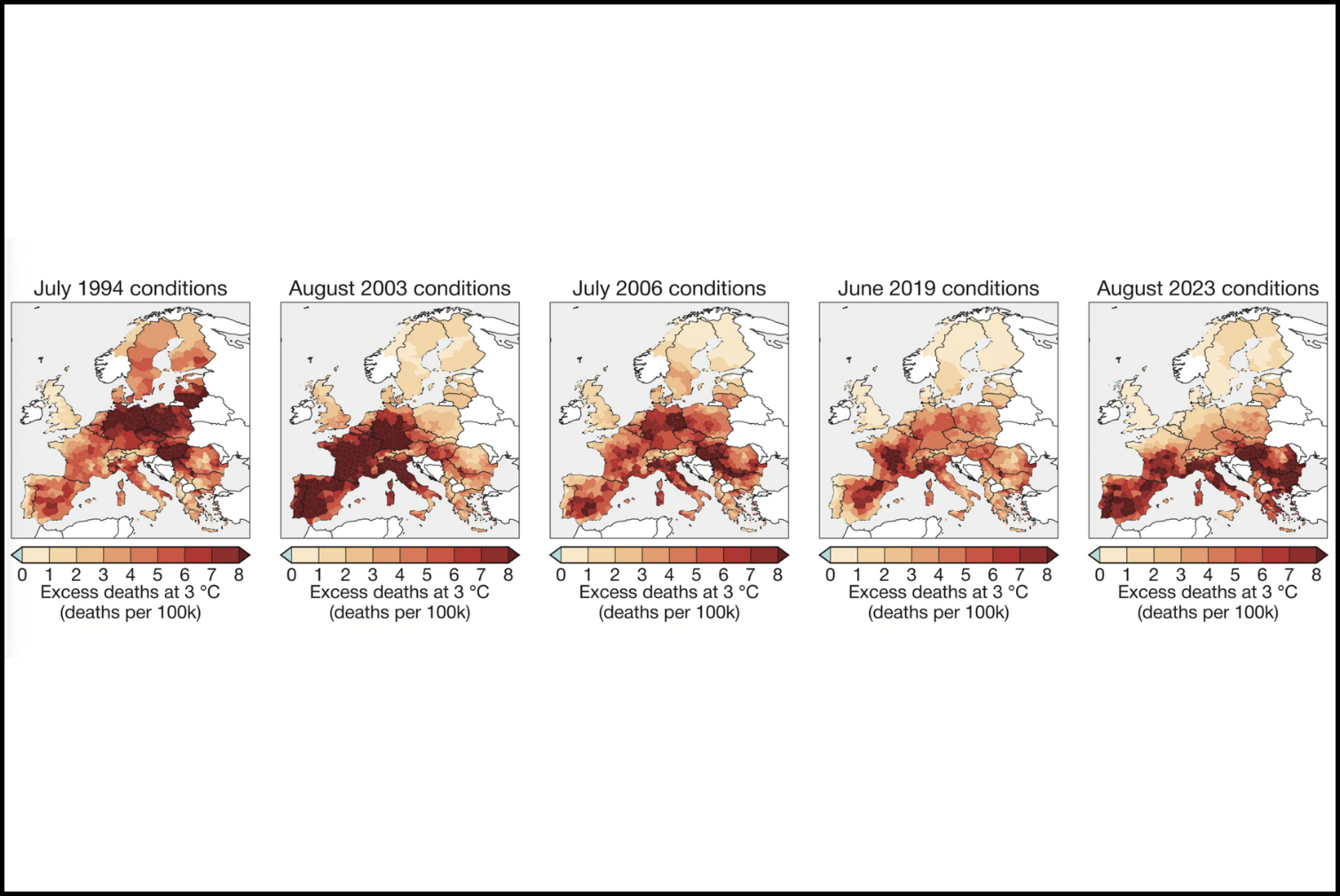
They incorporated meteorological data, daily surface temperatures, and death records from 924 subnational regions of Europe during five major heat waves between 1994 and 2023, as well as global average temperatures during the 12 months preceding each heat event. The wide range of human influence on the climate during this period, from 0.5 to 1.3 degrees Celsius above the pre-industrial baseline, enabled the researchers to examine a spectrum of possible heat wave conditions.
Like previous studies, the research shows mortality risks depend on the temperatures that a given location is accustomed to, with warmer locations somewhat less sensitive to hot temperatures than cooler regions.
Courtesy of Callahan et al. 2025, Nature Climate Change
“We don’t compare Paris to Amsterdam, but instead compare Paris to itself during the really bad August heat wave of 2003 and the normal August of 2002,” Burke explained. “That allows us to isolate the impact of heat from all the other things that could affect mortality either over time or across places.”
The data show a steep rise in deaths after a day around 30 degrees Celsius (86 degrees Fahrenheit) in even the warmest regions, “potentially reflecting limits to adaptation to the hottest conditions,” the authors write.
‘We are just so underprepared’
Overall, if future societies continue to adapt as they have in recent decades, the authors estimate adjustments to hotter temperatures could prevent only about one in ten of the deaths otherwise expected from extreme heat.
Although more research is needed to understand which interventions are most effective, measures such as expanding access to air conditioning and shade, retrofitting homes and schools to increase ventilation, and establishing programs to check on isolated people may help to save lives. “If novel or faster adaptations emerge, these death tolls could be reduced more,” Callahan said.
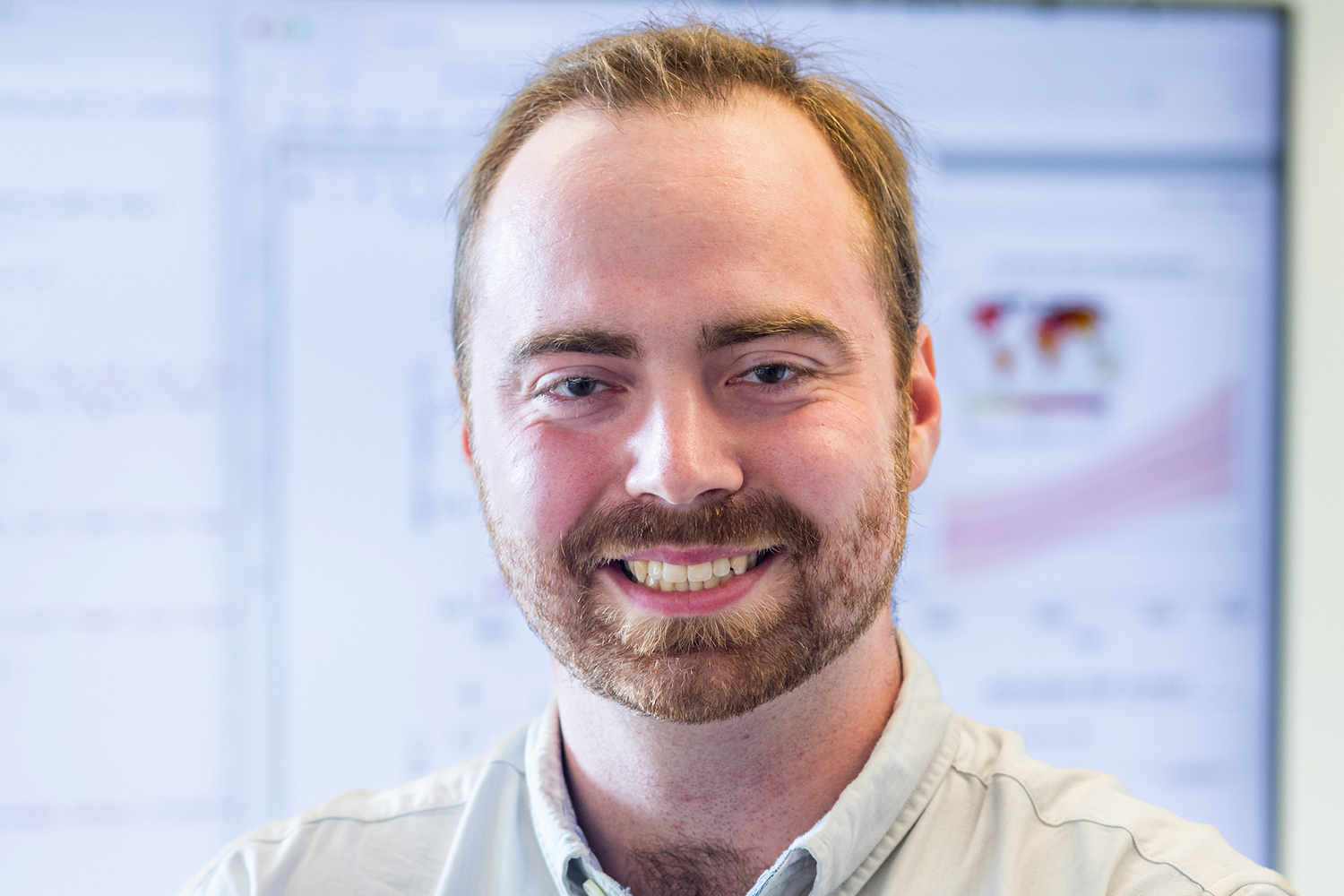
Christopher Callahan is an assistant professor in the Paul H. O’Neill School of Public and Environmental Affairs at Indiana University Bloomington. He led the new Nature Climate Change study as a postdoctoral scholar in the Stanford Doerr School of Sustainability. | Courtesy Stanford Doerr School of Sustainability
Hospitals and health systems can prepare by building capacity for the types of plausible high-impact scenarios detailed in the new paper, rather than planning based on average temperature projections.
“A lot of the reason for excess deaths is because we are just so underprepared for these events. Similar to during COVID when the health system was just fully disrupted, people can’t get to the hospital, hospitals have to discharge people early,” Burke said. “So, even if you have something bad happen to you that’s not related to heat at all, your care is going to suffer and health outcomes will worsen.”
Diffenbaugh said the results underscore a need to prepare for bigger extremes now. Individual years with global temperatures reaching 1.5 degrees Celsius above pre-industrial levels are already happening, and the weather that can turn those years deadly is not hypothetical. “There are a lot of reasons to be skeptical about future climate projections, but we can at least be prepared in the event that the kinds of weather conditions we’ve already experienced occur again but in a warmer climate,” he said.
Ongoing research and next steps
For more information
Study co-authors not mentioned above include Andrew Wilson, Carlos Gould, and Sam Heft-Neal. Wilson is a postdoctoral scholar at Stanford’s Center on Food Security and the Environment. Heft-Neal is a senior research scholar at the Center on Food Security and the Environment and Burke’s Environmental Change and Human Outcomes (ECHO) lab. Gould, a former Stanford Earth Postdoctoral Fellow, is an assistant professor at the University of California, San Diego, in the School of Public Health.
Burke is also a senior fellow at the Freeman Spogli Institute for International Studies, the Stanford Institute for Economic Policy Research, and the Woods Institute for the Environment. Diffenbaugh is also a professor of Earth system science in the Doerr School of Sustainability and the Kimmelman Family Senior Fellow at the Woods Institute for the Environment. The study was supported by Stanford University.
This story was originally published by the Stanford Doerr School of Sustainability.
Media contacts
Christopher Callahan, Indiana University Bloomington: ccallah@iu.edu
Noah Diffenbaugh, Stanford Doerr School of Sustainability: diffenbaugh@stanford.edu
Marshall Burke, Stanford Doerr School of Sustainability: mburke@stanford.edu
Josie Garthwaite, Stanford Doerr School of Sustainability: (650) 497-0947, josieg@stanford.edu
Writer
Josie Garthwaite