



Study finds unhealthy air in gas-powered commercial kitchens
News
Researchers recorded extreme heat and elevated nitrogen dioxide in restaurant kitchens using gas or propane appliances.

How a decade of emissions intensified Europe’s heat waves
News
A new study finds emissions since 2015 made recent heat waves more intense, underscoring the need to prepare for even hotter conditions ahead.
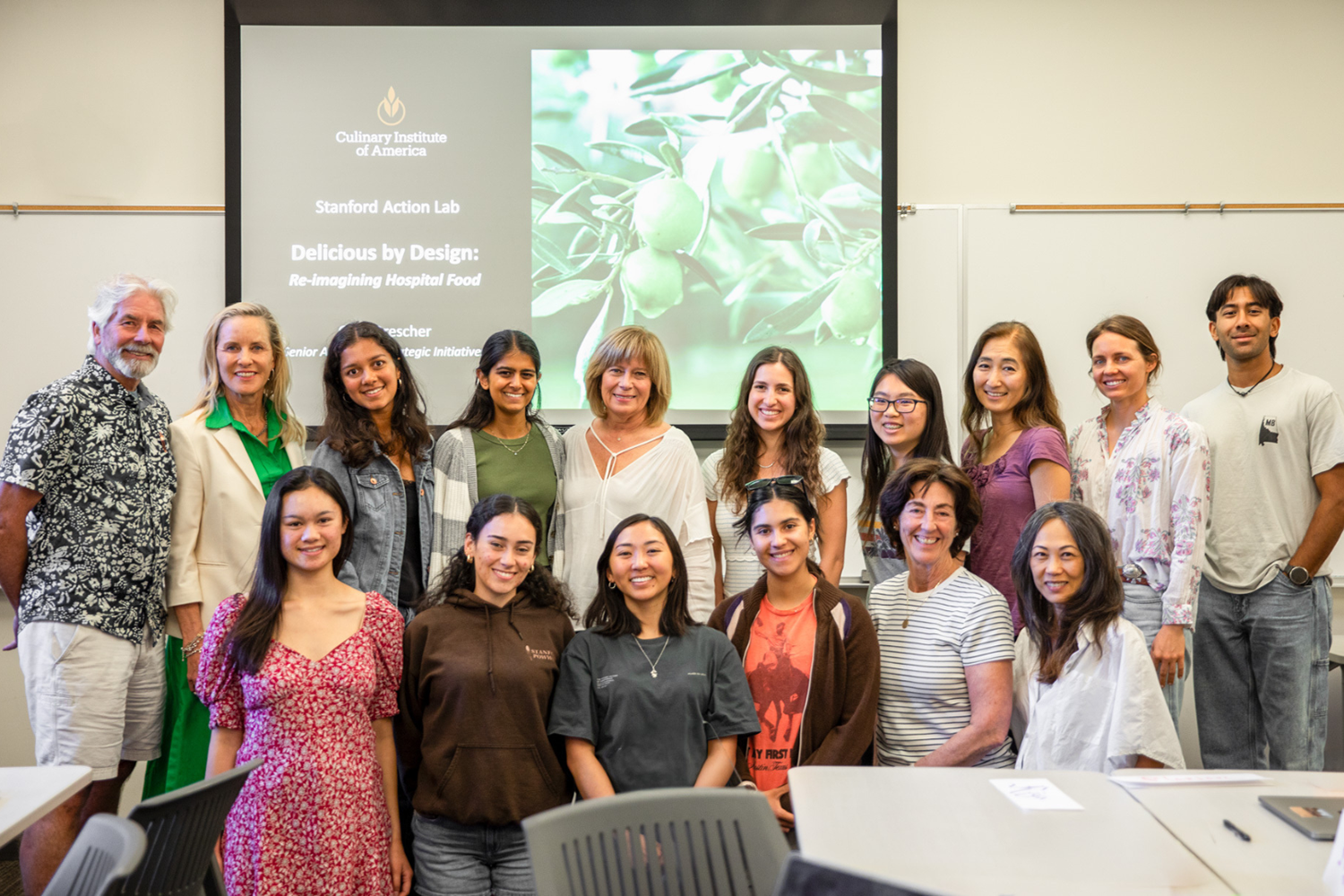
Students tackle sustainability challenges for real clients
News
Action Lab courses pair students with nonprofits, government agencies, and industry partners to tackle real-world sustainability challenges.
A new approach to forecasting toxic metals in wildfire smoke
Video
Wildfires can turn natural metals in soil into toxic, airborne particles. Stanford researchers are working to predict where these metals travel and warn people in harm’s way.
Inside the race to prepare cities for extreme heat
Video
Stanford researchers are working to help cities adapt to extreme weather and keep people and buildings cool during severe heat waves.

A simple idea to bring clean drinking water to U.S. homes at a lower cost
Research
Stanford engineer Khalid Osman and collaborators are building modeling tools to help water system managers find the most cost-effective option for improving their community’s drinking water.

Dengue surge linked to road development in Peru
News
A new Stanford-led study finds dengue cases surged 400% near a newly paved highway in the Peruvian Amazon, with implications as more roads are planned in remote areas worldwide.

California’s home insurance crisis spreads beyond wildfire country
Research
New Stanford research finds California homeowners insurance premiums up 84% since 2020, with the problem no longer confined to wildfire-prone areas.
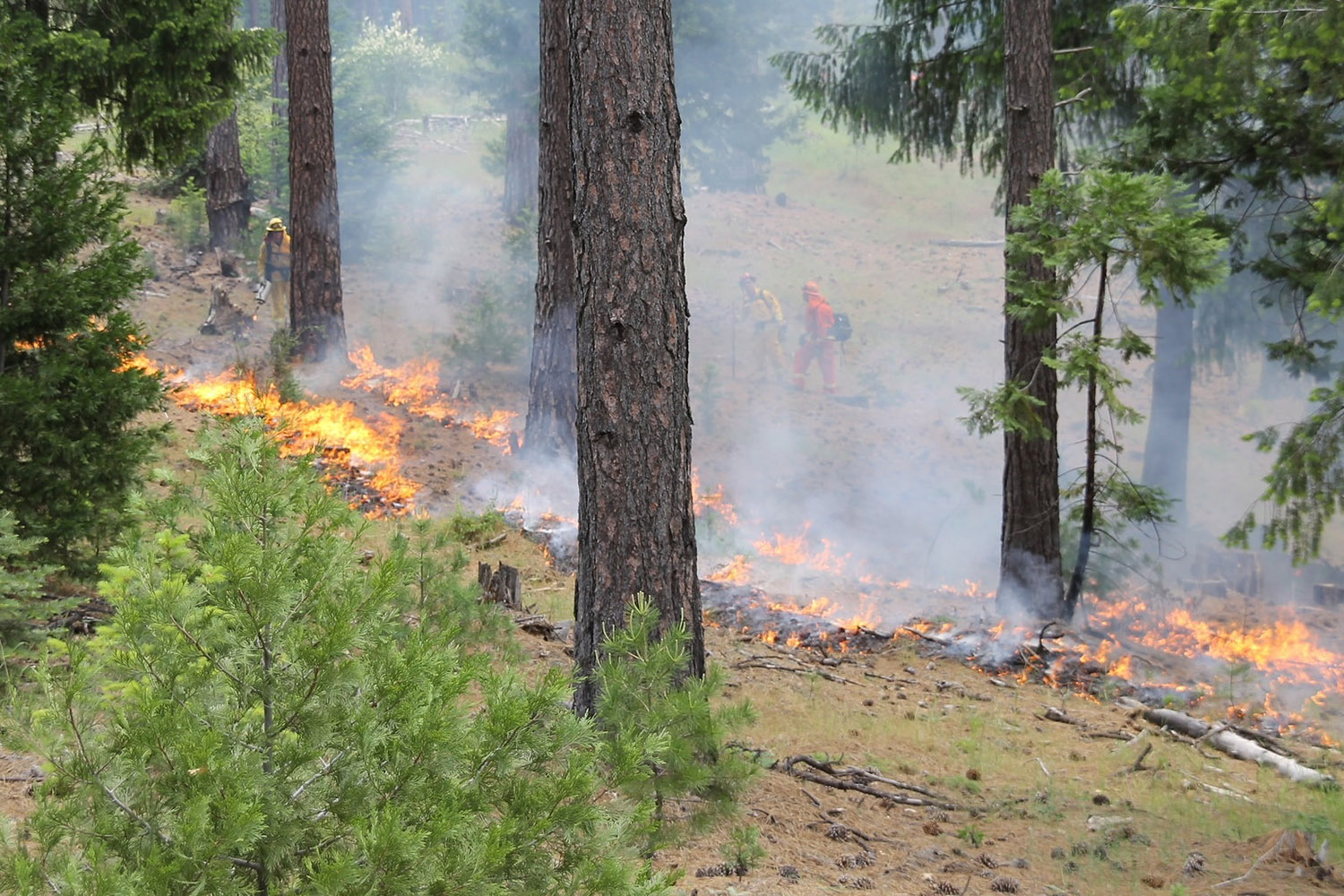
Prescribed burns could cut California wildfire smoke by 10%
News
A new Stanford study finds that burning 500,000 acres of California conifer forests per year would reduce dangerous smoke pollution, with benefits that spread for miles.
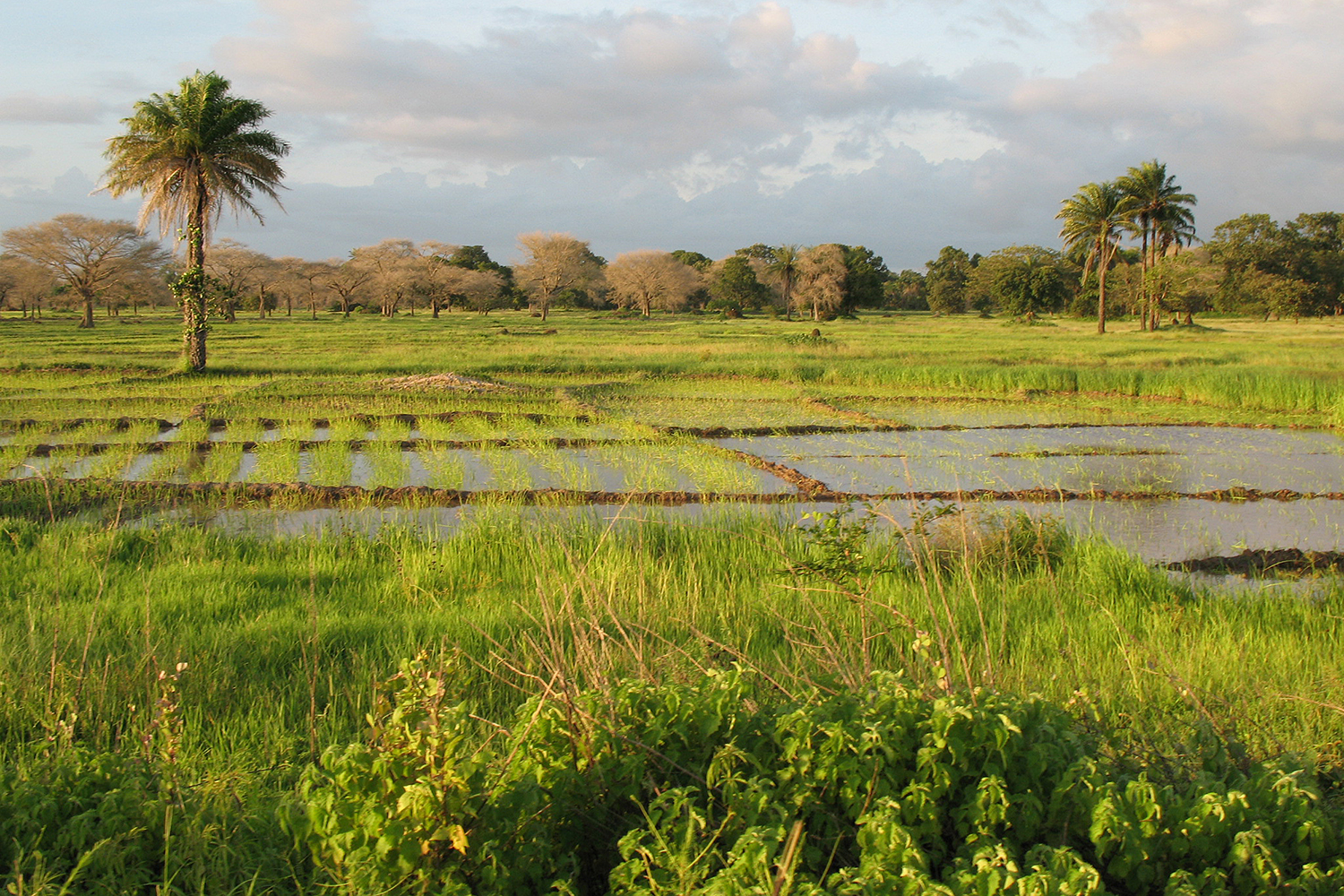
Farming technique could curb devastating tropical disease
Research
New research shows how introducing native fish into rice fields may help boost crop yields while suppressing a disease affecting more than 220 million people worldwide.