In brief
- PSYC 208 trains students in effective science communication, with an emphasis on engaging with the public and media.
- Students gain versatile, practical skills across various platforms and formats.
- These skills prepare students for careers in science and beyond.
In the hallowed halls of academic research, it has always been vital to communicate with peers, policymakers, students, and news outlets. But today, we’re in a new era where it’s possible for scientists to speak directly to the public through social media, online forums, and short-form content, which provide significant avenues for explaining, discussing, and celebrating science.
The benefit of having researchers improve their science communication skills has led to the course PSYC 208: How to Communicate Science: The Tools and Responsibilities of Public Engagement. The 3-credit course, taught by neuroscientists and science communicators Ben Rein and David Eagleman, is approved to count toward Stanford’s neuroscience PhD curriculum requirements and is also offered as an elective to all graduate and undergraduate students.
“Everybody enrolled in the class, along with the instructors, shares a collective appreciation for the fact that public messaging matters, and that science needs to get out to the public,” said Rein, an adjunct lecturer who uses short-form videos on social media to share the wonders of neuroscience with an audience of over 1 million followers.
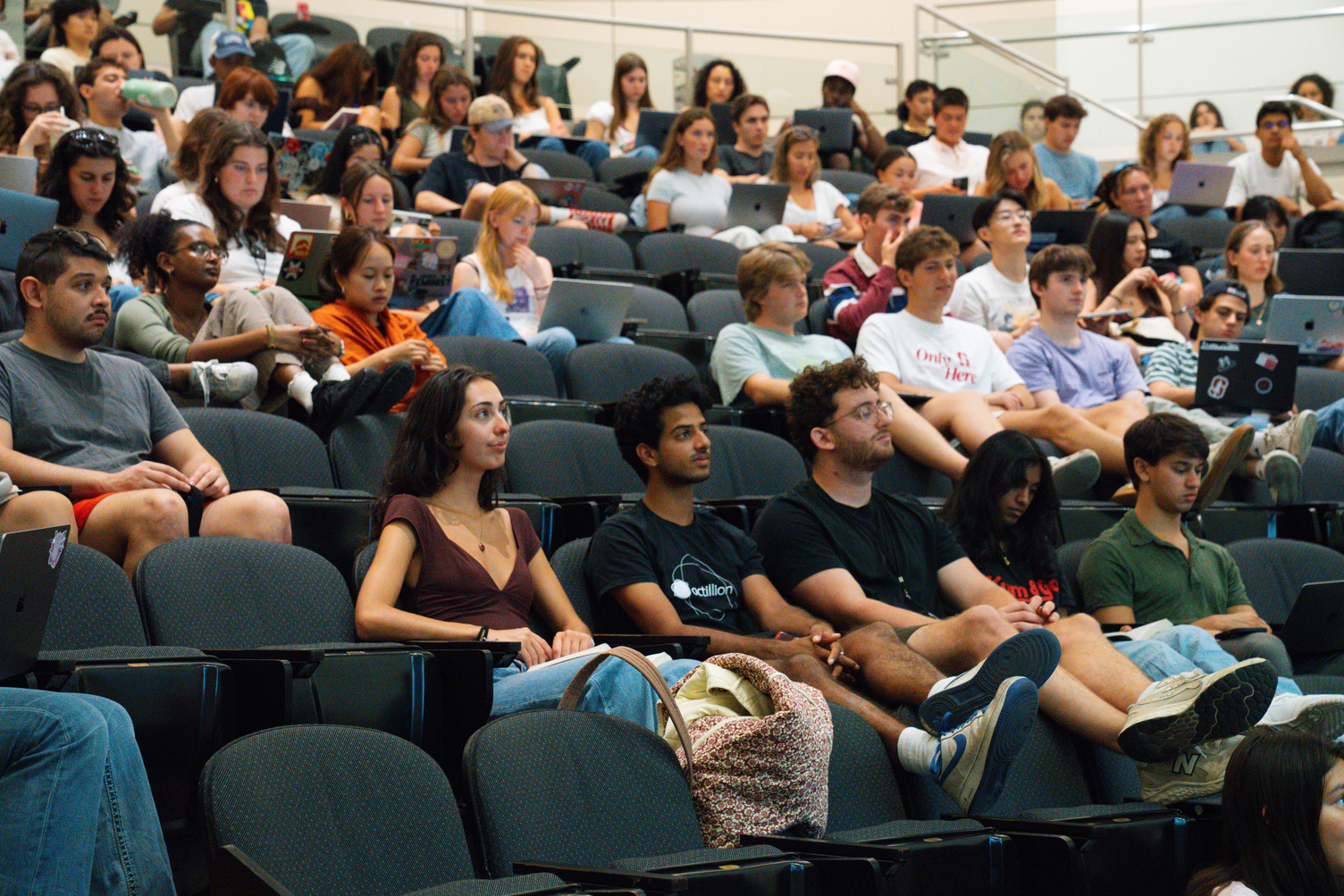
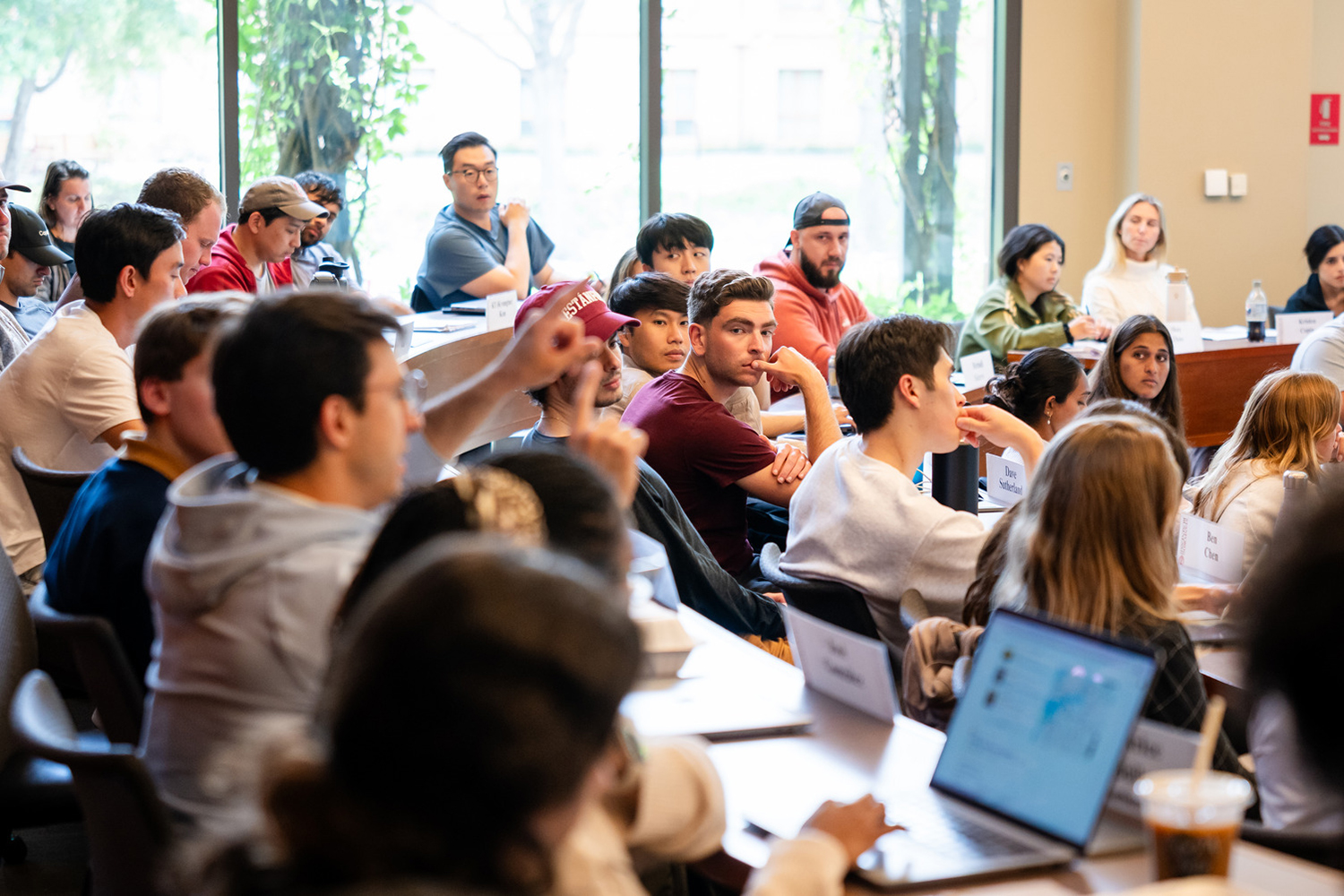
In PSYC 208, which ran this spring and is scheduled again for 2026, Eagleman and Rein encourage early-career researchers to explore science communication through workshops, feedback sessions, creative projects, and guest lectures from science communicators worldwide. Each week, the course focuses on a different medium of science communication, such as writing feature articles, hosting or joining podcasts, posting on social media, producing shows for television, or writing books. At the end of the course, students chose from those formats to produce a final project, such as a full-length podcast episode, a book proposal, or a series of short-form social media videos.
“As a scientist, there is very little training provided on how to communicate your science to people who are not other scientists,” said Jacqueline Bendrick, a neuroscience PhD candidate in the Kaltschmidt Lab. “This is a really great course for getting actual training in a field that is so important in this day and age.”
The (un)traditional way
Beyond merely introducing students to different forms of storytelling and communicating their science, the instructors dive into the details of how to use each format effectively. This means touching on traditional science communication skills, such as writing sharper titles and abstracts for journal papers and crafting compelling conference talks, and more modern demands, like developing a social media presence.
One class session featured freelance science journalist Sofia Quaglia, who introduced students to pitching and writing articles for leading science magazines. “Learning how to communicate your work is crucial, but learning how to work with journalists is also equally valuable,” Quaglia said. “Courses such as these cover both by helping science leave the labs and reach the readers.”
The versatile skills taught in PSYC 208 are valuable across disciplines and career paths. Whether students aim to publish research, pitch ideas to stakeholders, or engage with the public on complex issues like climate change or artificial intelligence, the course equips them to do so with clarity and purpose. For those who stay in academia, being known for clear, engaging talks can lead to invitations to present at conferences or speak to the media. And for those forging the roads less traveled, the ability to explain science well, on camera, in writing, or in conversation, can be just as career-defining as the science itself.
“The skills that I’m learning in this class are going to make me a better lab meeting presenter,” Ashley Moses, a third-year neuroscience student enrolled in the course, said. “They’re not only going to help me in my committee meetings and my dissertation, but also help talk and explain about my research to my family.”
Mic drop
By mid-quarter, students start developing final projects in the format of their choice. For both students and instructors, the most memorable assignments are often the ones where someone took a creative risk, trying a format that pushed them out of their comfort zone.
“I’ve had these little moments where the students do something great and I realize, ‘We didn’t teach you that!’” Rein said. “It’s just so awesome to see this growth and talent be nurtured.”
“All the ideas that the students come up with are really, really, really cool ideas. So, I think being a part of this group and hearing what they’re passionate about allows me to be more creative,” Moses said. “I think that creativity can help us be better communicators.”
The final projects were impressive. One student submitted a package of 2- to 3-minute videos breaking down new advances in virology, in a format suitable for TikTok. Another produced a podcast episode about circadian rhythms, explaining the influence of “phases” on our well-being. Several others submitted feature articles on scientific breakthroughs, in which they interviewed the scientists behind the projects and shared a behind-the-scenes perspective.
Regardless of whether students continue to podcast, post, or present beyond this course, the experience and skills it offers are broadly important and useful – and they are nearly essential for success in science, according to Rein.
“Communicating research clearly is a huge leg up. I do think communication training should probably be built into graduate programs,” said Rein. “Wherever these students go next – whether it’s a PhD, a postdoc, industry, foundations, or something entirely outside academia – I hope the lessons from this class will make a difference. It is really a powerful skill to master.”
For more information
Eagleman is an adjunct professor of psychiatry/public mental health and population sciences in the Stanford School of Medicine.
Writer
Mahima Samraik