


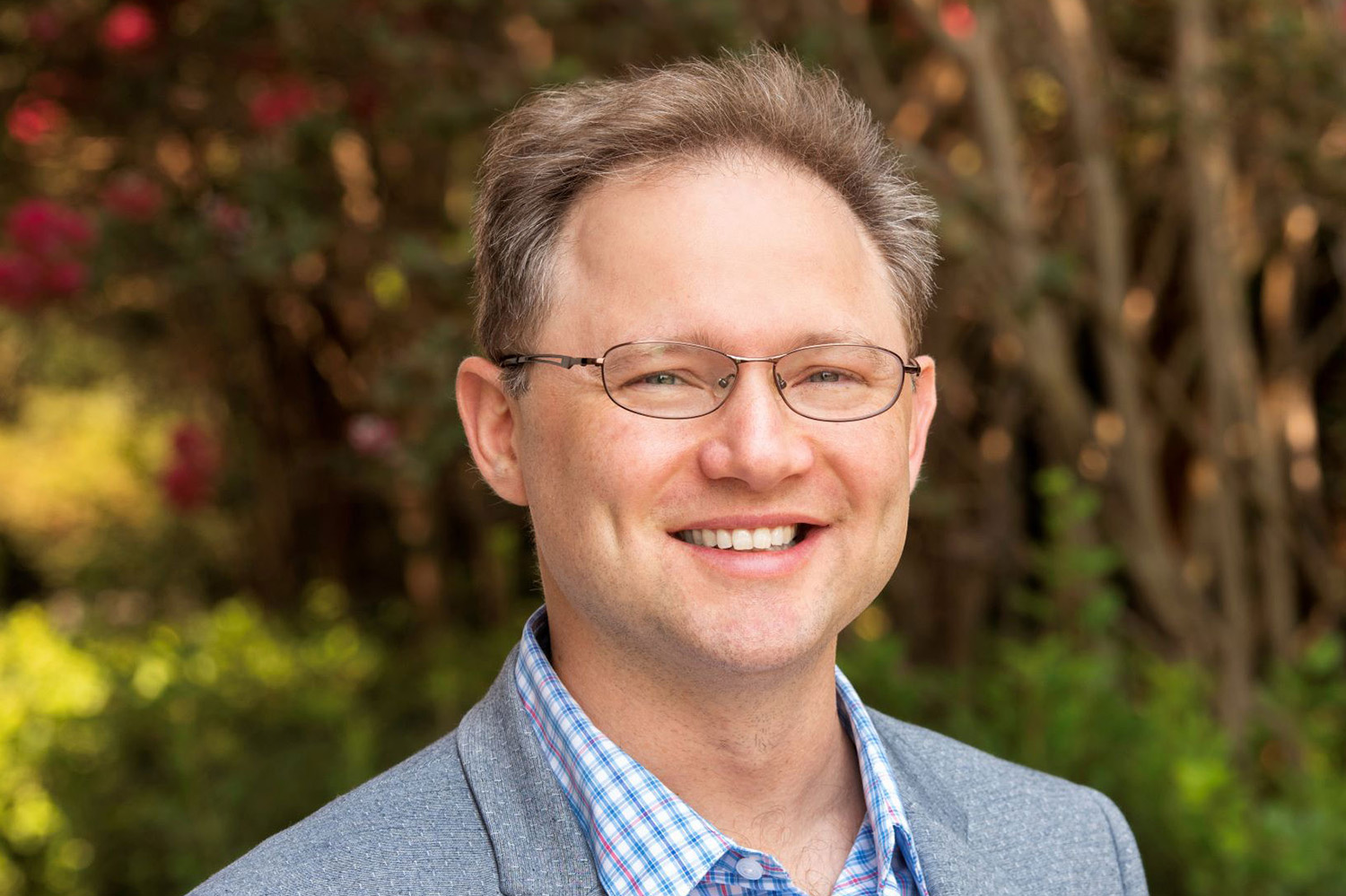
Anesthesia dreams show promise for treating PTSD
Q&A
Induced dreams during anesthesia could offer a more controlled alternative to psychedelic therapies for trauma recovery.

Warning labels could curb young people’s social media use
Research
Teens and young adults report that health warning labels would reduce their social media consumption. Messages about mental health harms resonate most strongly.

Short animation changes how people see addiction
Q&A
In an international study, a wordless animated video improved attitudes toward people with addiction – offering a scalable way to reduce stigma across languages and cultures.

Autistic teens ‘tune in’ less to new voices
News
A new Stanford Medicine study finds differences in how autistic teens process unfamiliar voices, pointing toward new therapies for adolescents.

How to concentrate in an ever-distracted world
Analysis & Insights
Stanford Medicine experts explain why it’s harder than ever to focus – and what we can do to block out distractions that often cloud our attention and memory.

Schizophrenia linked to body’s most prevalent white blood cell
Research
Neutrophils are linked to schizophrenia through the mysterious appearance of the protein C4A.
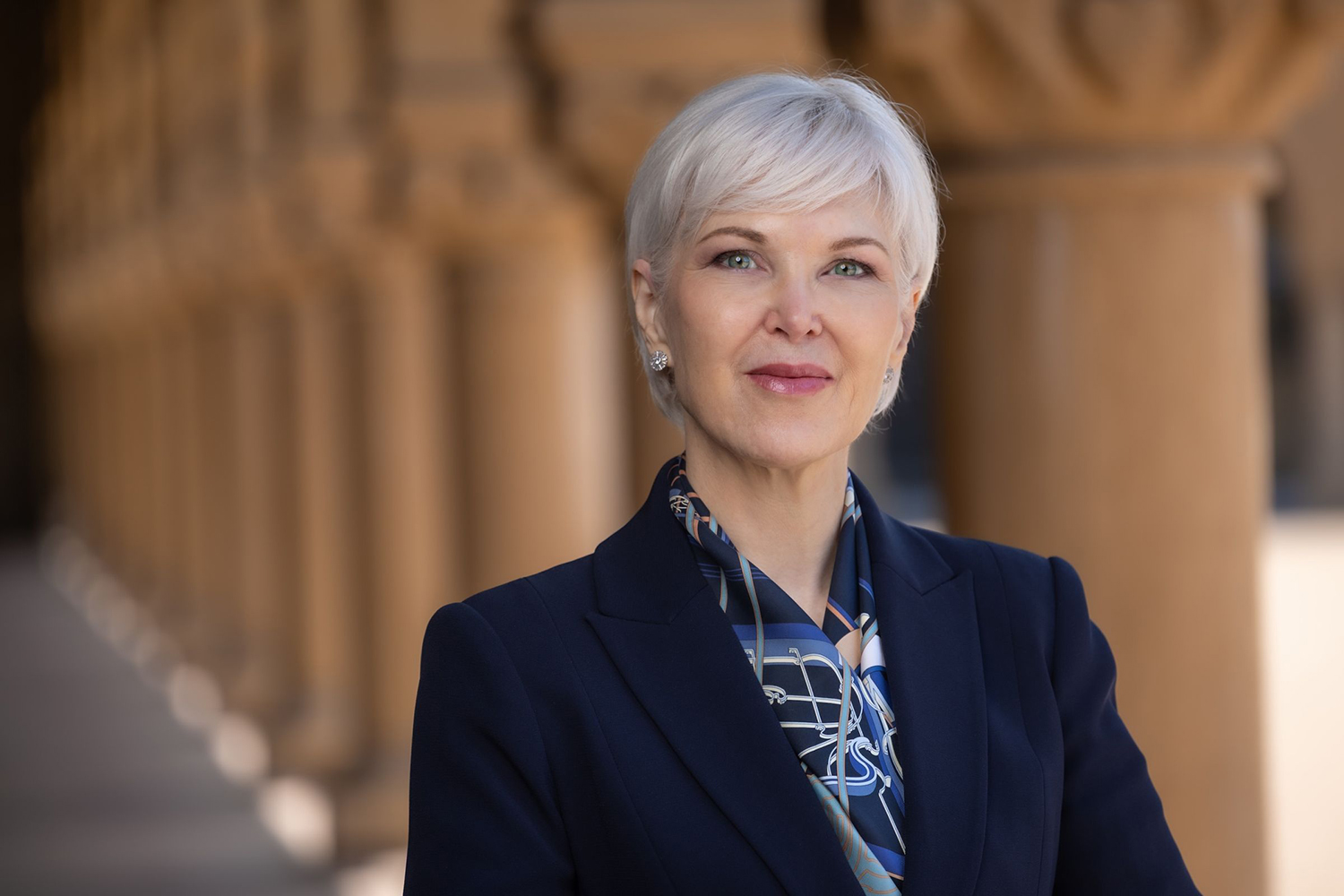
Harnessing brain imaging to shift the mental health paradigm
Q&A
Stanford Medicine Professor Leanne Williams talks about her work leveraging a data-driven approach to enhance the diagnosis and treatment of psychiatric conditions.

Drug combo is first to prolong ketamine’s anti-suicide effects
Research
New research indicates that low-dose buprenorphine can extend ketamine’s temporary anti-suicide effects by at least four weeks.
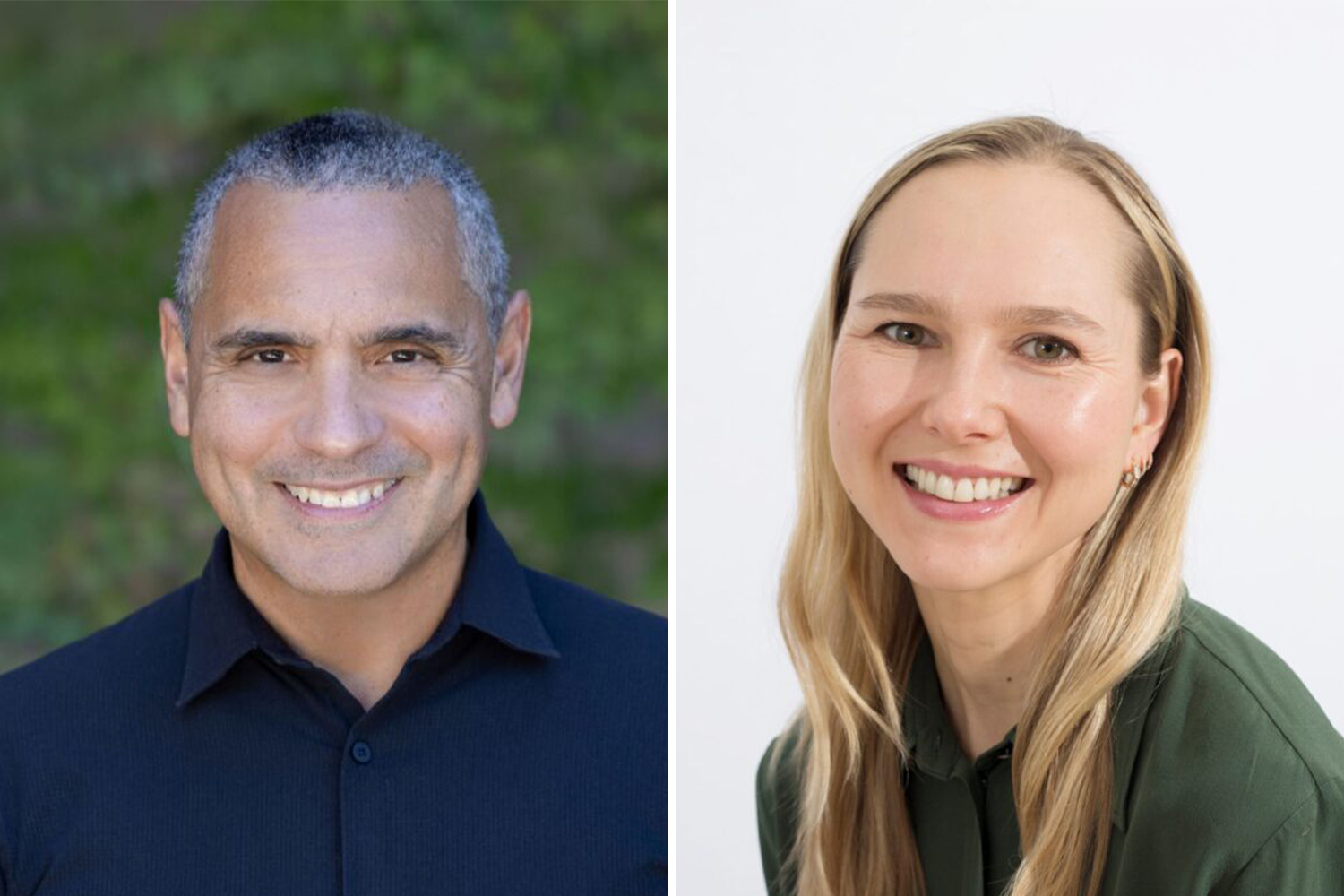
Gift to support care for children affected by traumatic stress
News
A $10 million gift from Bukhman Philanthropies to the Stanford School of Medicine will expand the reach of Victor Carrión’s innovative Cue-Centered Therapy.

The neuroscience behind the sunk cost effect
Research
A Stanford Medicine study reveals the biochemical basis for why we overvalue items and experiences we’ve heavily invested in.