The Stanford School of Medicine has received a $10 million gift from Bukhman Philanthropies to advance and scale high-impact, evidence-based approaches to youth mental health, strengthening research and expanding access to much-needed care for young people around the world.
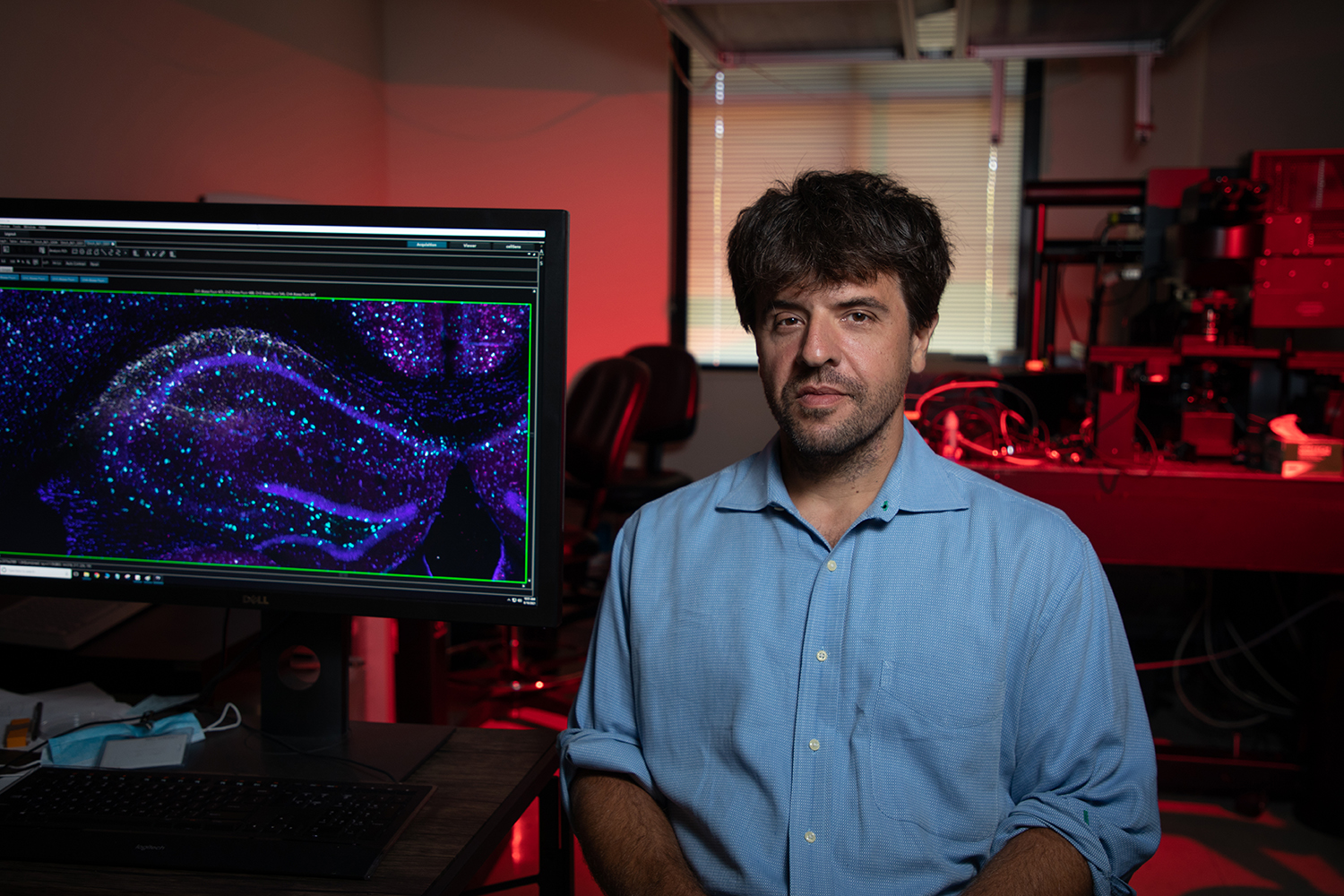
The gift will support the work of Victor Carrión, MD, the John A. Turner, MD, Professor of Child and Adolescent Psychiatry at the Stanford School of Medicine and director of the Early Life Stress and Resilience Program. Carrión has treated many children affected by trauma and has developed innovative, scalable models of care that address trauma early and equitably.
“Too many young people around the world lack access to the mental health care they need,” says Carrión. “Thanks to the support of Bukhman Philanthropies, we can accelerate the spread of proven techniques and bring meaningful support to youth in schools and communities everywhere.”
One such model is Cue-Centered Therapy (CCT), which Carrión developed specifically to decrease symptoms of anxiety, depression, and post-traumatic stress disorder while building resilience in youth ages 8 to 18. It has proven successful at helping children understand how trauma cues influence their stress responses – including certain emotions and behaviors – and empowers them to build new coping skills.
Carrión’s work responds to a global need: according to the World Health Organization, one in seven youth experiences a mental health issue. Yet mental health services for children and teens are largely inaccessible.
“At a time when young people are struggling, investing in mental health care is essential,” says Daria Bukhman, co-founder and chair of Bukhman Philanthropies, which is based in London. “When we learned about Dr. Carrión’s work, we were deeply impressed by its reach and potential for global impact. We are excited to help bring his innovative approaches to more young people affected by traumatic stress.”
Carrión has piloted this work in Puerto Rico, where young people have experienced a series of crises, including Hurricane Maria and the COVID-19 pandemic. Through this gift, Carrión and his colleagues will scale the Building Resilience in Schools (BRIS) initiative from Puerto Rico to other countries around the world. The program introduces mindfulness practices in classrooms and provides specialized CCT to kids who need additional support.
At the same time, researchers are gathering data on how well these interventions work by collecting cheek swabs from students before and after treatment. Their work will identify biological markers not only associated with trauma, but also with the ability to recover and adapt. These discoveries will deepen scientific understanding of stress and its effects on the body.
Ultimately, findings from the BRIS initiative will inform efforts to expand the program to other school districts and communities, supported by the gift from Bukhman Philanthropies.
The gift will also enable the creation and launch of a first-of-its-kind mobile gaming app based on the principles of CCT. The game will teach players to identify emotional triggers, understand their responses, and practice healthy coping strategies. By leveraging mobile technology, the app aims to reduce barriers to accessing mental health support – such as stigma, cost, and therapist shortages – and extend the program’s impact beyond traditional clinical settings.
These efforts will transform how youth mental health care is delivered globally. With this gift from Bukhman Philanthropies, the largest in the organization’s history, more young people will be equipped with the tools they need to heal, adapt, and thrive.
For more information
This story was originally published by Lucile Packard Foundation for Children’s Health.
Writer
Jodi Mouratis