In the “Research Matters” series, we visit labs across campus to hear directly from Stanford scientists about what they’re working on, how it could advance human health and well-being, and why universities are critical players in the nation’s innovation ecosystem. The following are the researchers’ own words, edited and condensed for clarity.
Research is about finding ways to do things that nobody has ever done. Sometimes it’s a trivial thing, but sometimes it’s really fundamental. Then all of a sudden, folks around the world, the country, the state, your town get a new tool for change that becomes important to everybody’s present and future.
My lab uses genetic tools to answer questions about life in the ocean that you just can’t answer any other way.
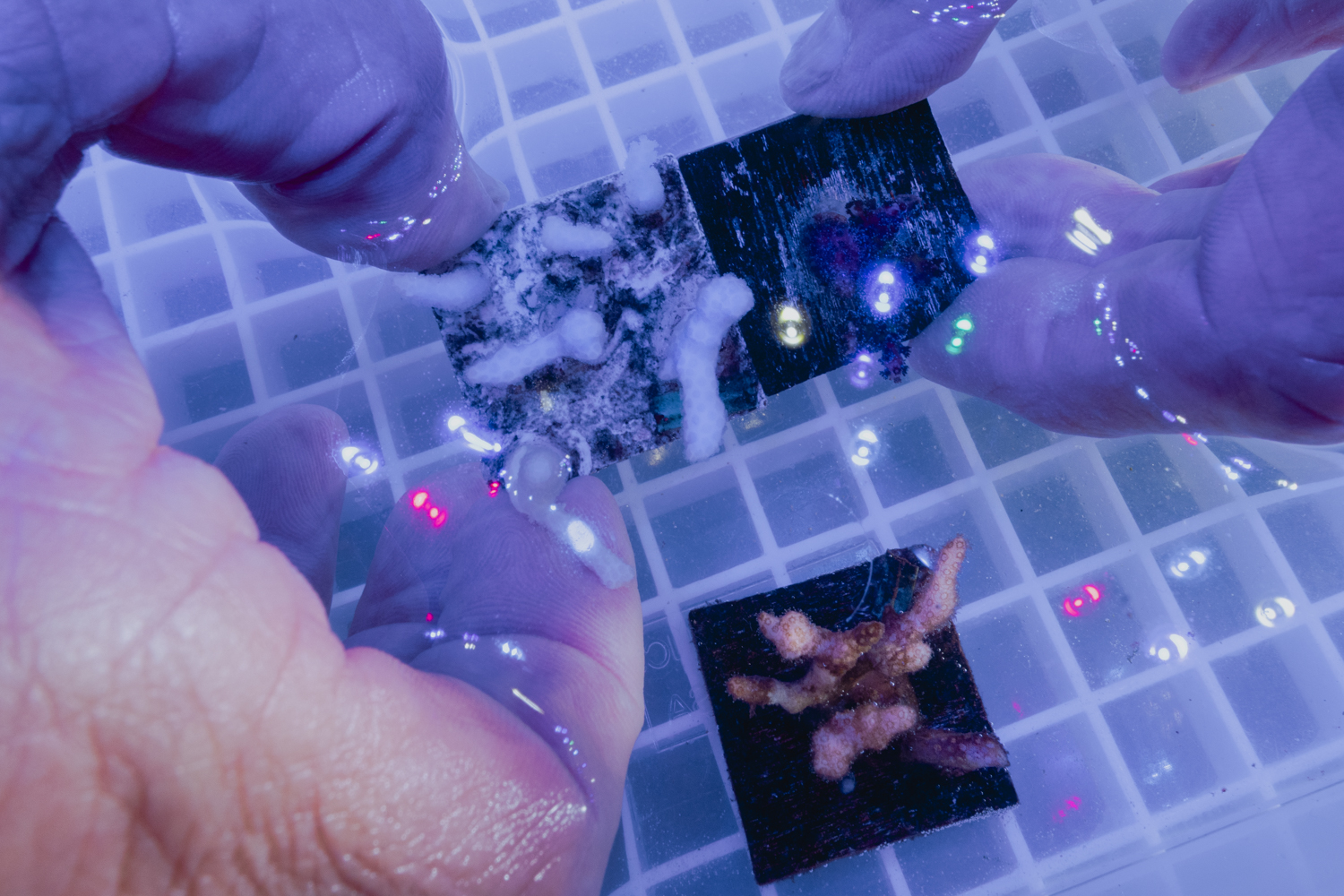
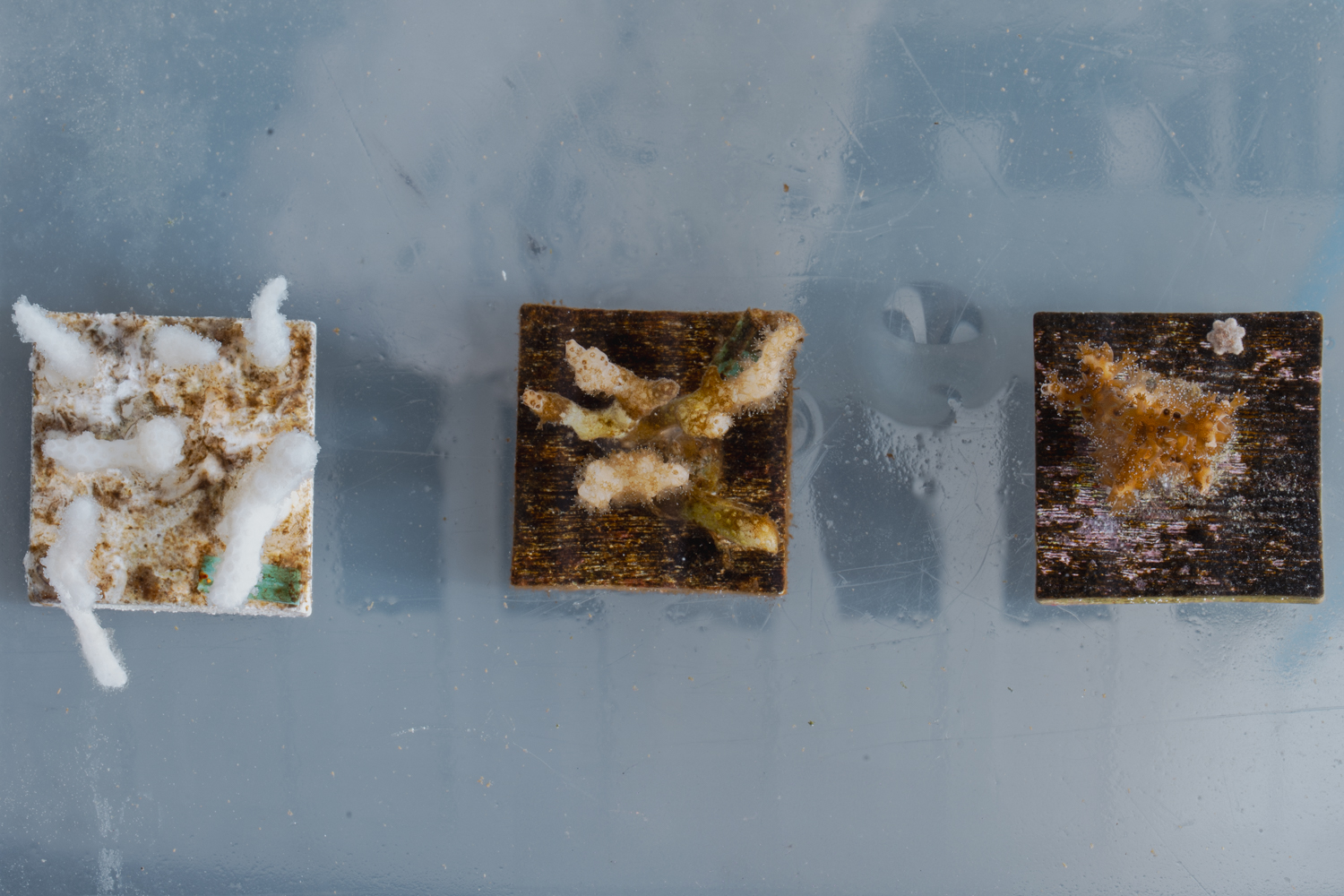
One of our biggest projects right now focuses on how marine life reacts to heat waves. This June was the hottest in Europe ever. And there was a massive heat wave in the United States right before that. In the tropics, heat waves affect coral reefs by making them bleach and die. We are doing basic research in genomics, cell biology, physiology, and ecology of corals to understand why this happens and what we can do to avoid it.
But, along the way, I began to realize that we can't wait to know
everything before we start trying to use what we know now to help. So we developed ways of finding corals that are going to survive the next heat wave. And started using them to rebuild reefs.
For example, we designed ways of testing corals for heat resistance as part of our basic research. And then we made the equipment much cheaper, more robust, and more accessible. Now we can use it all around the world to teach people how to find heat-resistant corals on their own reefs, so they can propagate those for the future.
“It’s pretty amazing when you get a call, and they’re saying, ‘Can you help us bring our reefs back?’”
We keep getting calls that say, “Can you help us save our reefs?” They had a reef in front of their village, and it’s gone. The fish are gone. And, honestly, when that call comes, we get this fabulous feeling like, “Yeah, I think we can.”
We’re currently working in Palau, the Marshall Islands, Micronesia, Indonesia, Hawaii, Belize, and the Caribbean.
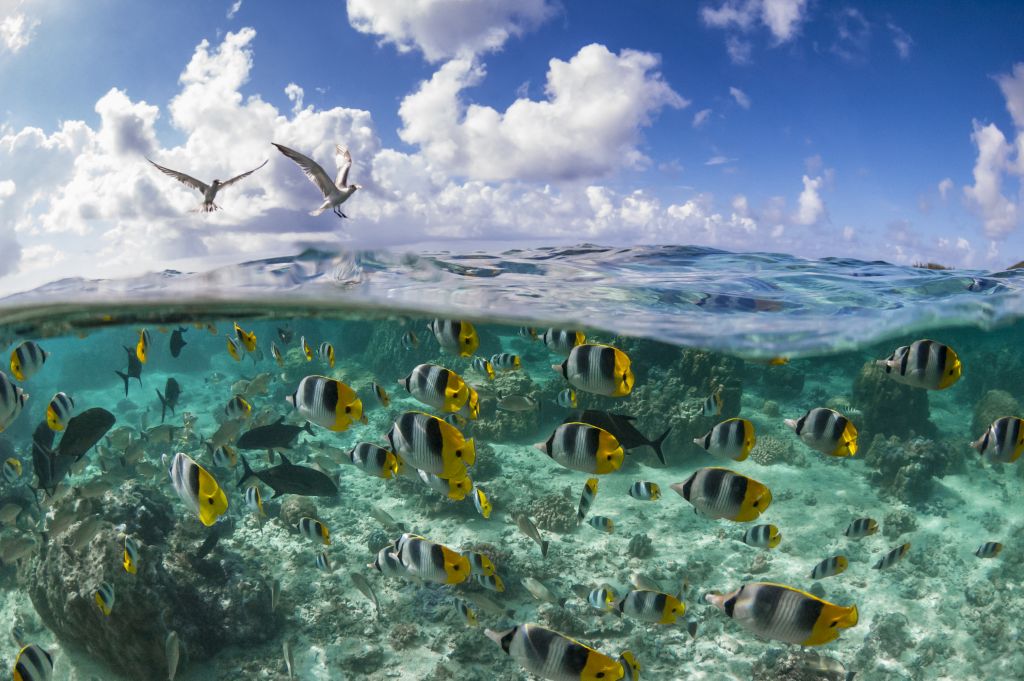
So, why do those people want corals? First, it’s the culture that they’ve lived with for sometimes up to 5,000 years. Corals in front of the village also protect it from waves. And of course, reefs are a foundation for a huge diversity of fish. A healthy coral reef brings people food, storm protection, and a different kind of economy. It brings a future for their kids, and it brings a sense of cultural stability.
We’ve built heat testing tools that can test almost any coral species. And as a result, the new nurseries are built of heat-resistant corals of many species. That preserves the diversity of the reef. It preserves the complexity of it. It preserves its ability to attract lots of different kinds of fish and other life, and then it helps them propagate into the future. The biodiversity of reefs is a bet-hedging strategy for the future.
Our current funding comes from international sources, like the G20 economies, from private foundations like Lenfest and the Pew Charitable Trusts, and from private donors. We also get funds from the National Science Foundation and other similar sources. Those national grants support the basic science part – the development of tools in the lab – and then we use these other sources to leverage that knowledge further. Another source of support is the involvement of people from the villages themselves, who continue the work we help start.
The ingenuity, that cleverness, of taking a new thing and turning it into something that you can use, drives a lot of what we think of as our culture. Think about MacGyvering something – people do that all the time, and science does it too. Science is not an endeavor that is separate from the regular way we all do things. We’re all trying to find out new ways and new tools to make things better.
For more information
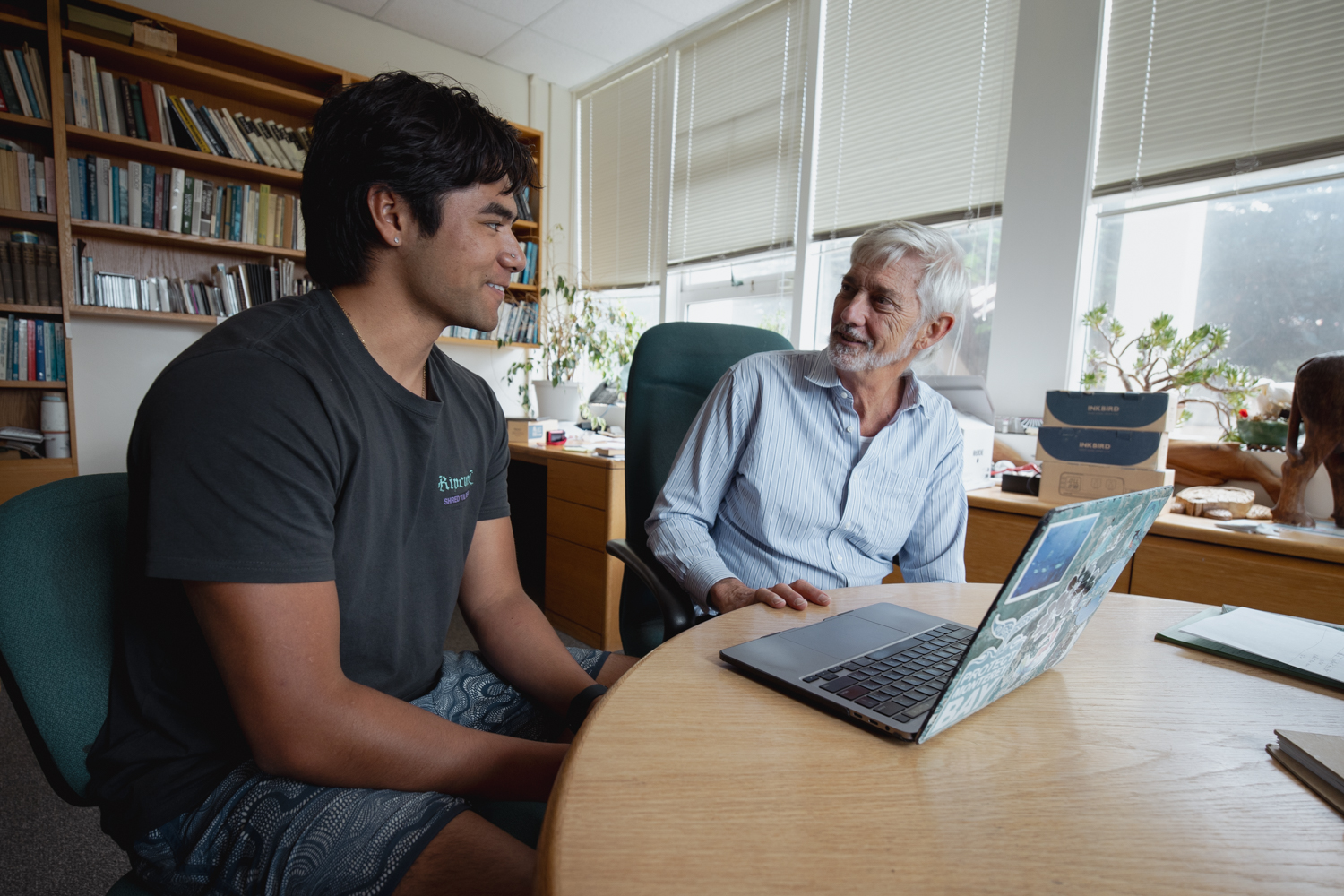
Stephen Palumbi is the Jane and Marshall Steel, Jr., Professor in Marine Sciences. He is a professor of oceans in the Stanford Doerr School of Sustainability and of biology in the School of Humanities and Sciences, a member of Stanford Bio-X, and an affiliate of the Stanford Woods Institute for the Environment.
Photographer
Andrew Brodhead