The Stanford community is honoring 10 of its members with the Cuthbertson, Dinkelspiel, and Gores awards, which recognize exceptional service, distinctive contributions to undergraduate education, and excellence in teaching.
The university awards are conferred annually to faculty, staff, and students. Provost Jenny Martinez will present the awards at Stanford’s 135th Commencement ceremony on Sunday, June 14, at Stanford Stadium.
Following is more on this year’s winners.
Kenneth M. Cuthbertson Award
The Kenneth M. Cuthbertson Award recognizes Stanford community members for extraordinary contributions to the achievement of university goals.
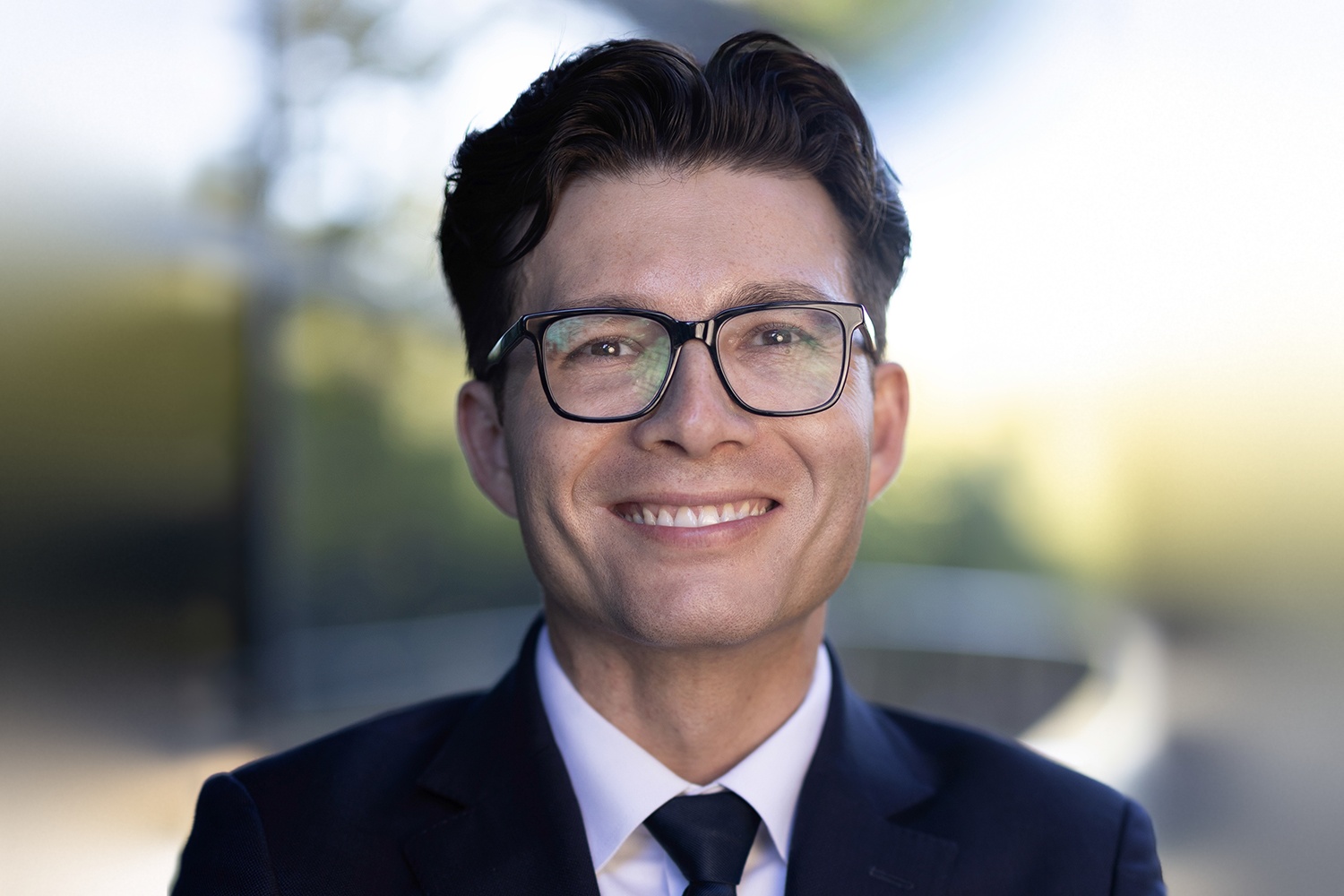
Scott Calvert is the senior associate dean of administration in the School of Engineering, where he oversees school operations, including finance, human resources, IT, facilities, and research administration. He is recognized for generosity in collaboration, genuine collegiality, creativity in problem-solving, and engaging across all aspects of the university. He has served on the SLAC Board of Oversight Operations Committee, the Chilled Water Advisory Committee, the Provost Search Advisory Committee, the University Budget Group, and simplification initiatives. He has also led the University Management Group, helping define campus administrative priorities while tackling institutional challenges.
Sofie Kleppner is associate vice provost for postdoctoral affairs and executive director of the Office of Postdoctoral Affairs. She is recognized for advancing Stanford’s commitment to the postdoc community through strategic programs and investments such as PRISM and Propel, while balancing advocacy and institutional context with creativity and ingenuity. She excels in conflict resolution, leads with humility and empathy, and unites stakeholders, making an impact that extends to the broader university community. She contributes leadership to both adjacent campus matters and national efforts to improve postdoctoral training.
What nominators say about this year’s winners
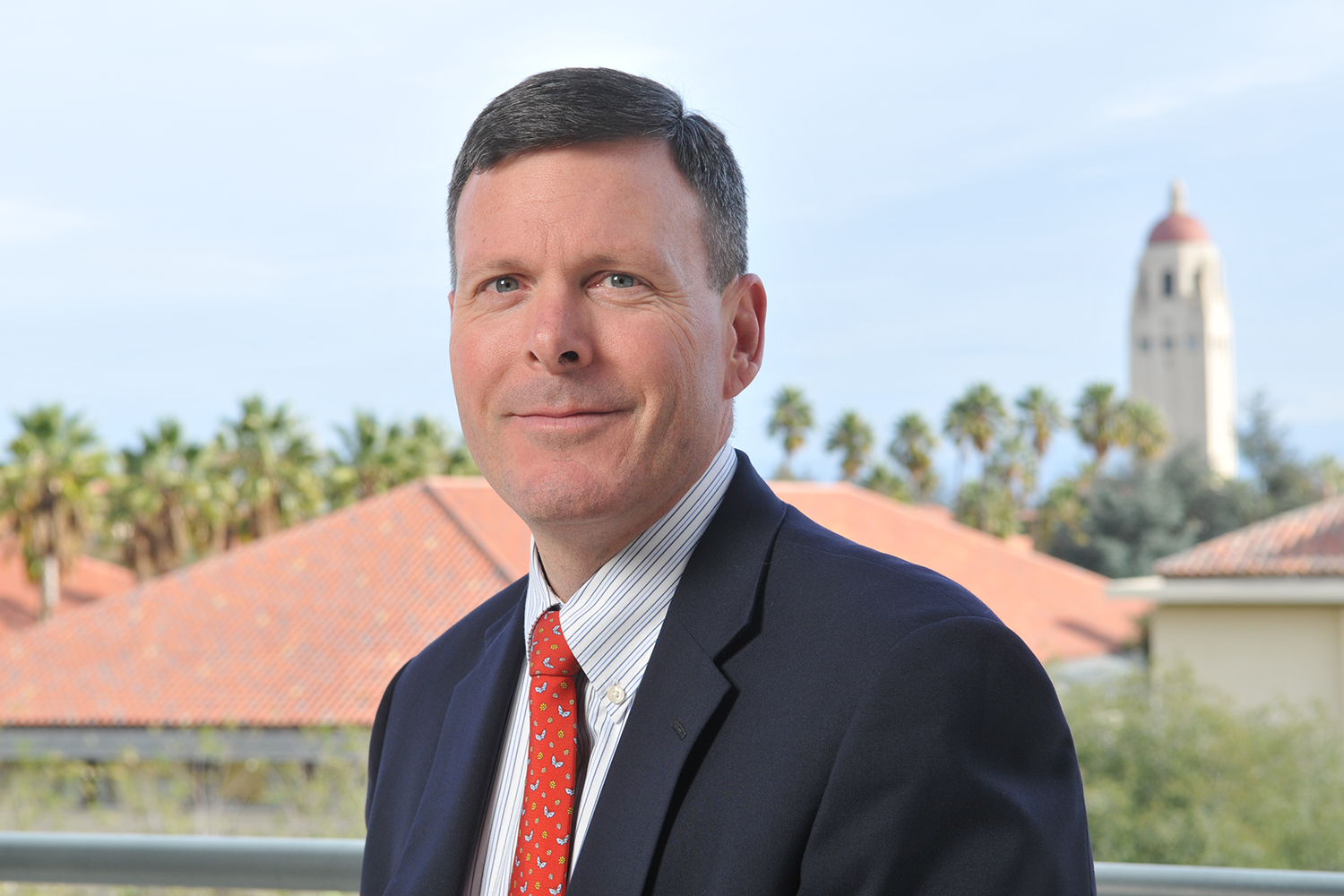
Scott Calvert, Cuthbertson Award: Colleagues describe Calvert as a “consummate university citizen” who consistently puts the needs and best interests of Stanford first. | Photo: Courtesy Scott Calvert
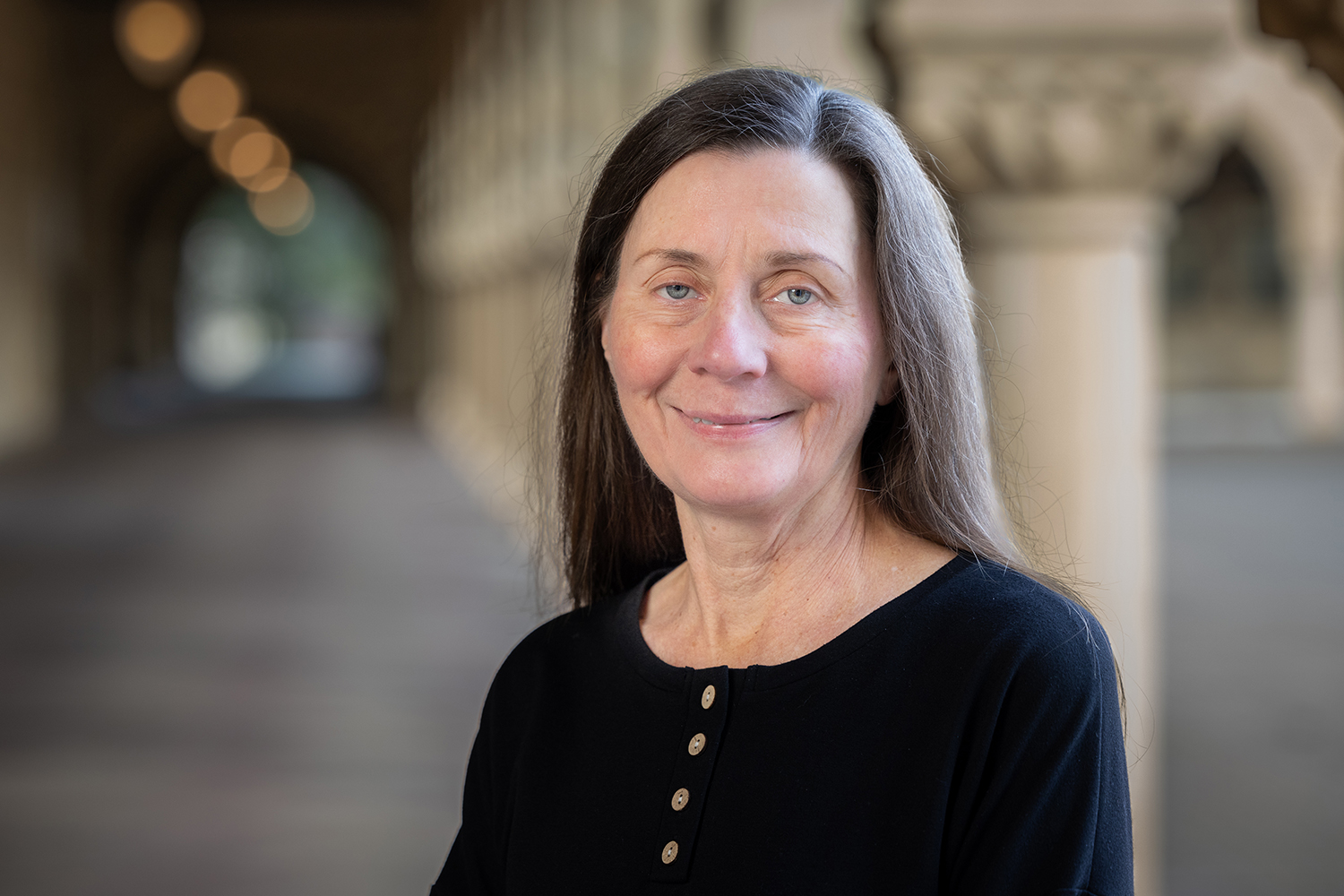
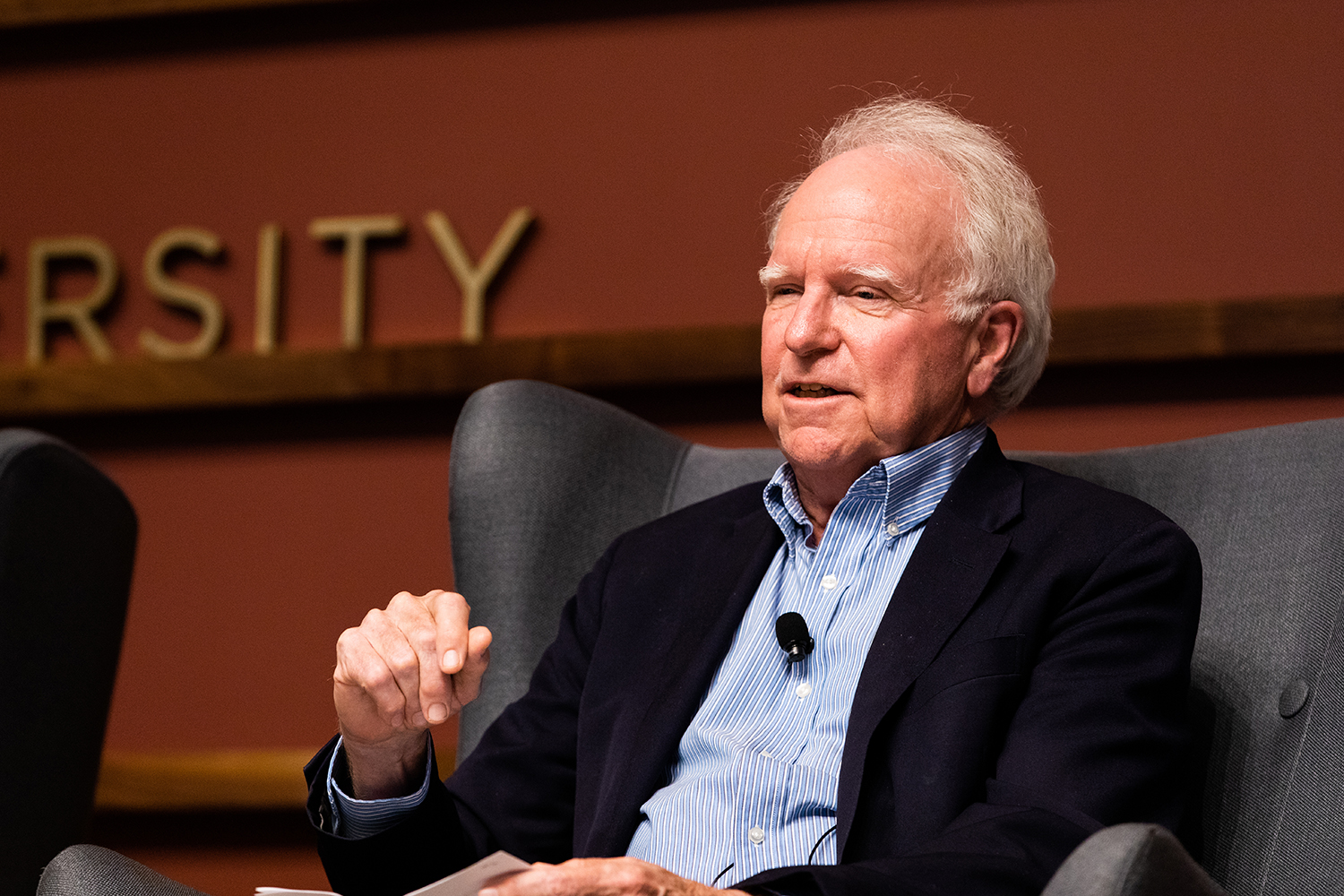
Patricia Rose Burchat, Dinkelspiel Award: According to a nominator, Burchat “is an amazing instructor and is so passionate about delivering the material to her students in a digestible yet meaningful way, and every aspect of the course is approached with a growth mindset.” | Photo: LiPo Ching
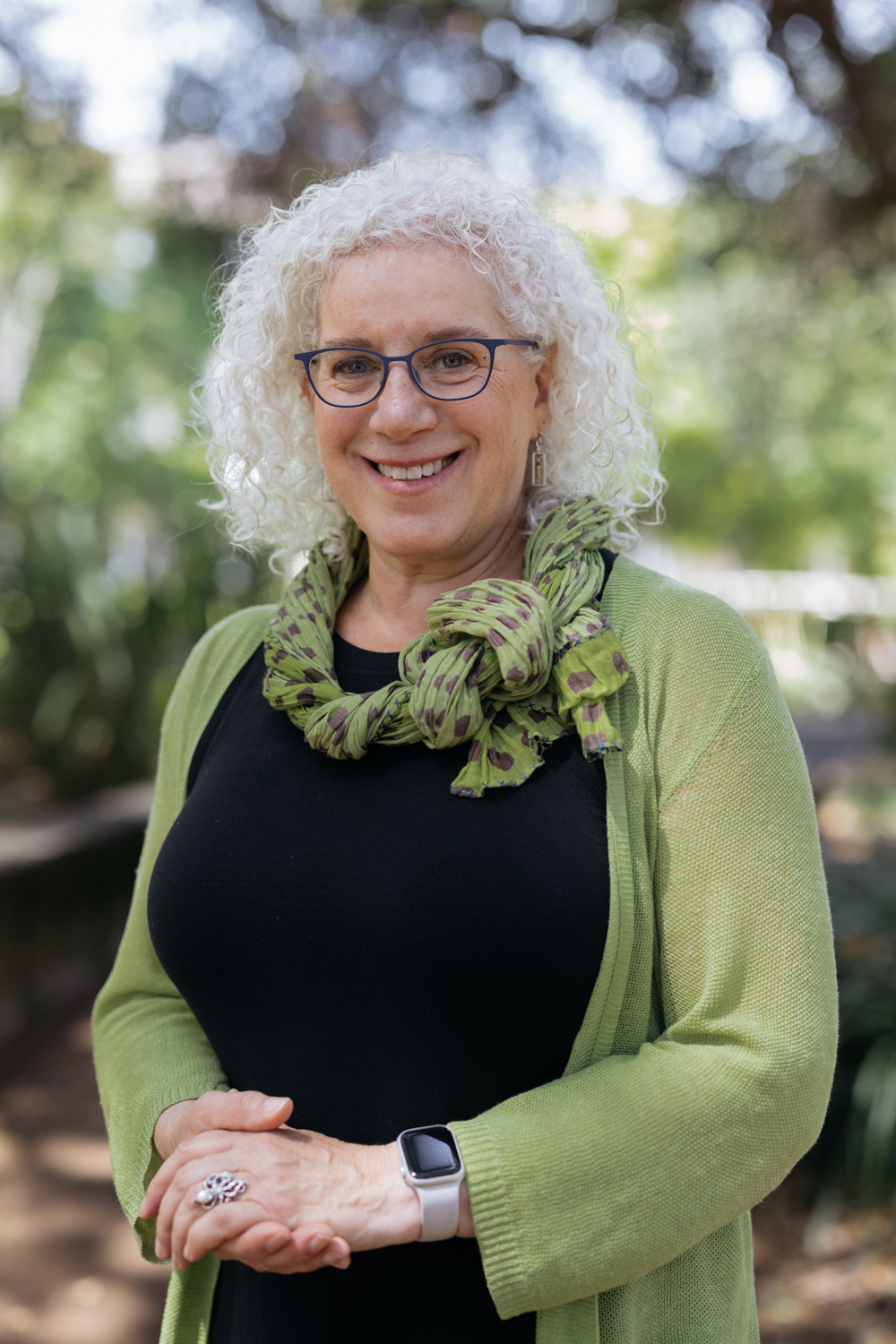
Sofie Kleppner, Cuthbertson Award: Colleagues praise Kleppner for “the integrity, empathy, and persistence with which she approaches her work. She is a tireless advocate, an effective leader, and a trusted colleague whose contributions have left a lasting imprint on the Stanford postdoctoral experience.” | Photo: Andrew Brodhead

Anagali Duncan, Dinkelspiel Award: Nominators emphasized Duncan’s ability to connect institutional leadership with engagement across and beyond campus. They say he serves Stanford with a spirit of intentionality, reciprocity, and a commitment to “becoming the kind of ancestor who leaves something worth inheriting.” | Photo: Courtesy Anagali Duncan
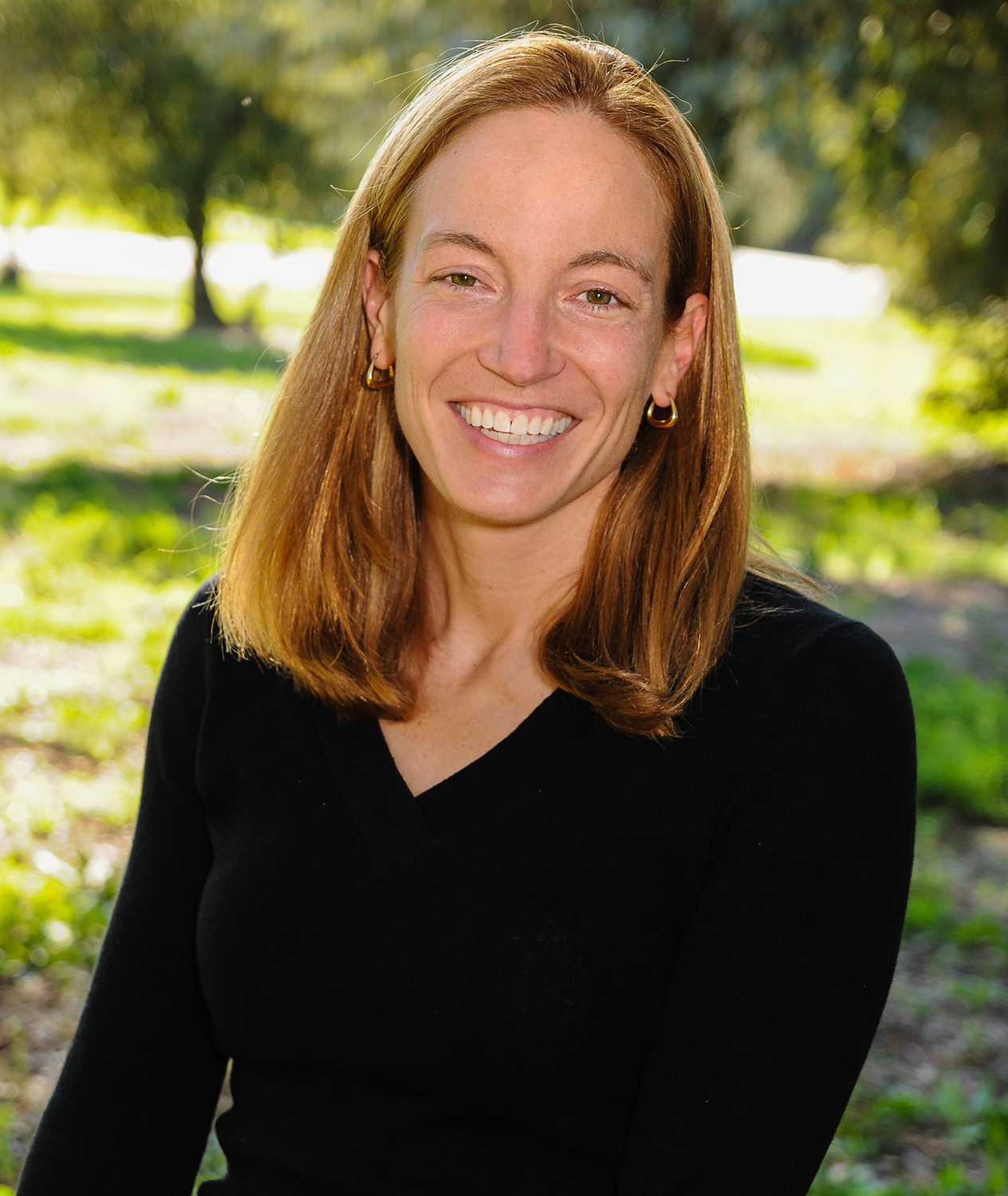
Annette Salmeen, Dinkelspiel Award: “Over and over again, Annette’s good judgment has been absolutely critical to helping the entire teaching team make decisions with lasting effects on our students and the program as a whole,” wrote a nominator. | Photo: Cathy Gregory
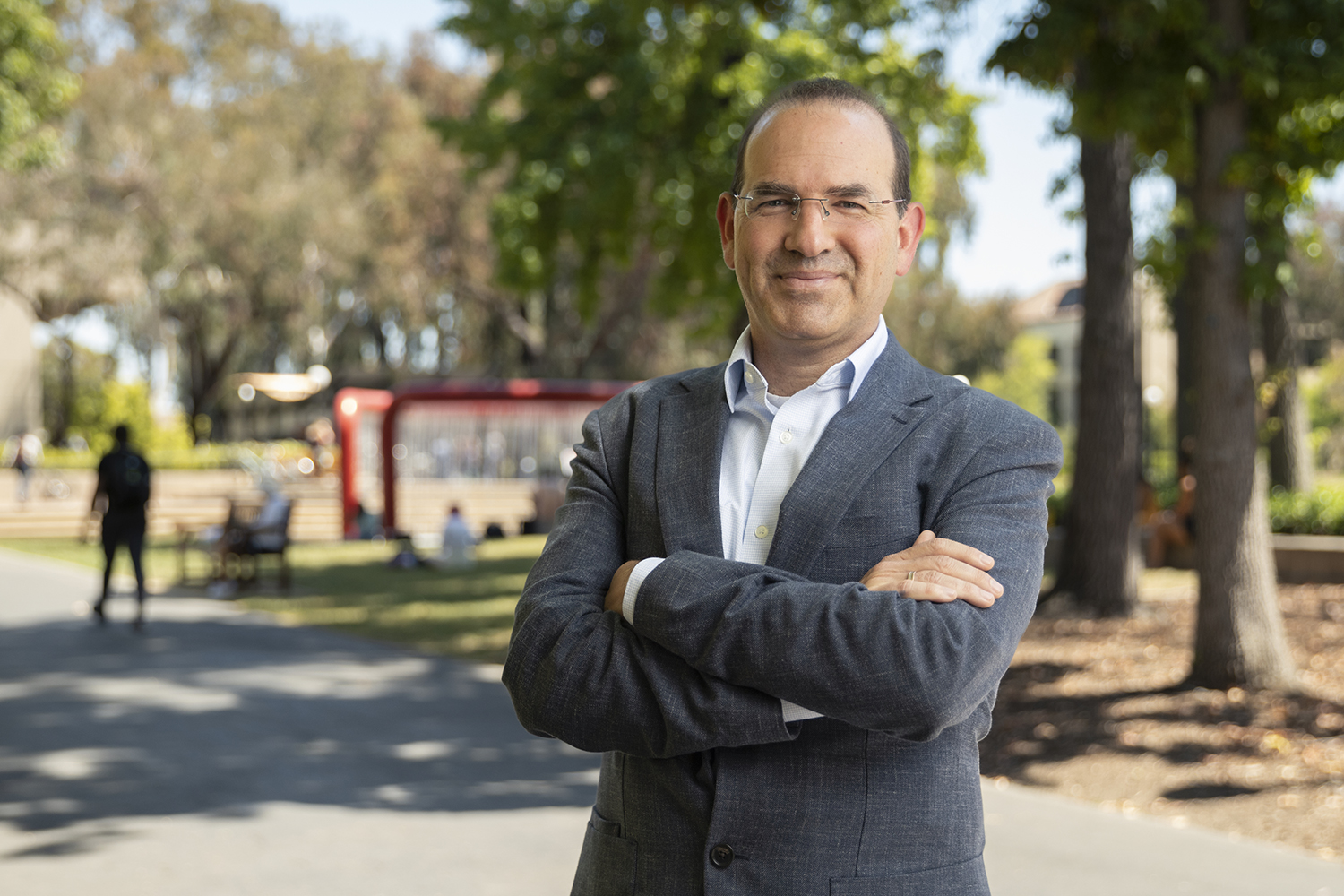
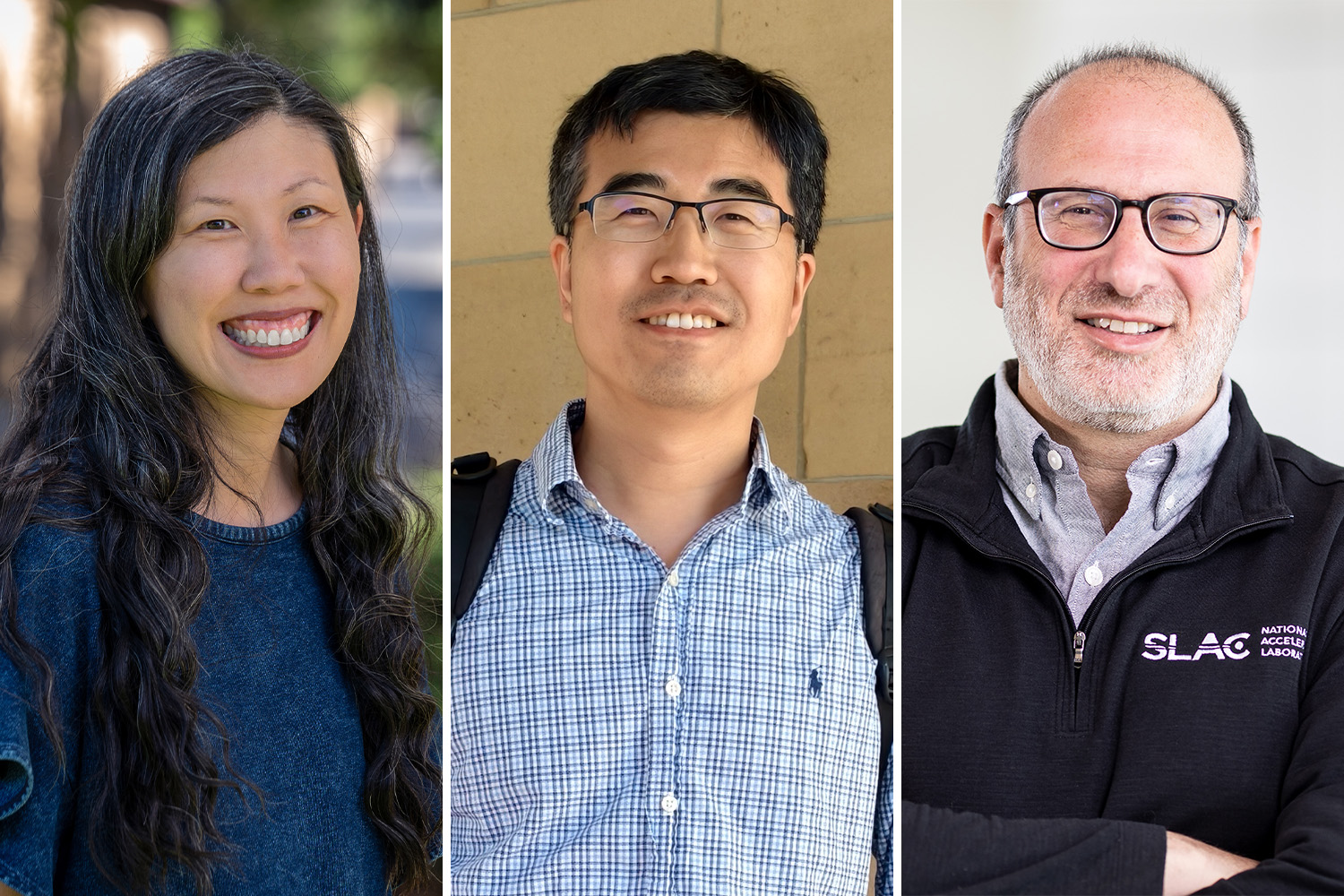
Ran Abramitzky, Gores Award: “Over all his years at Stanford, Ran has demonstrated a rare commitment to student education, fundamentally shaping the careers of numerous undergraduate and graduate students,” wrote a nominator. “Ran’s dedication is one of the main reasons why many undergraduates continue to pursue an economics major at Stanford and why many graduate students pursue academic careers.” | Photo: Andrew Brodhead
Jason Hogan, Gores Award: “Professor Hogan was remarkable at breaking down abstract and mathematically complex ideas into forms that were both intuitive and accessible,” wrote one nominator. “Whether introducing gauge potentials or incorporating special relativity into electromagnetism, he consistently grounded these topics in real-world phenomena, allowing us to build genuine physical intuition for these complicated and abstract concepts.” | Photo: Courtesy Jason Hogan
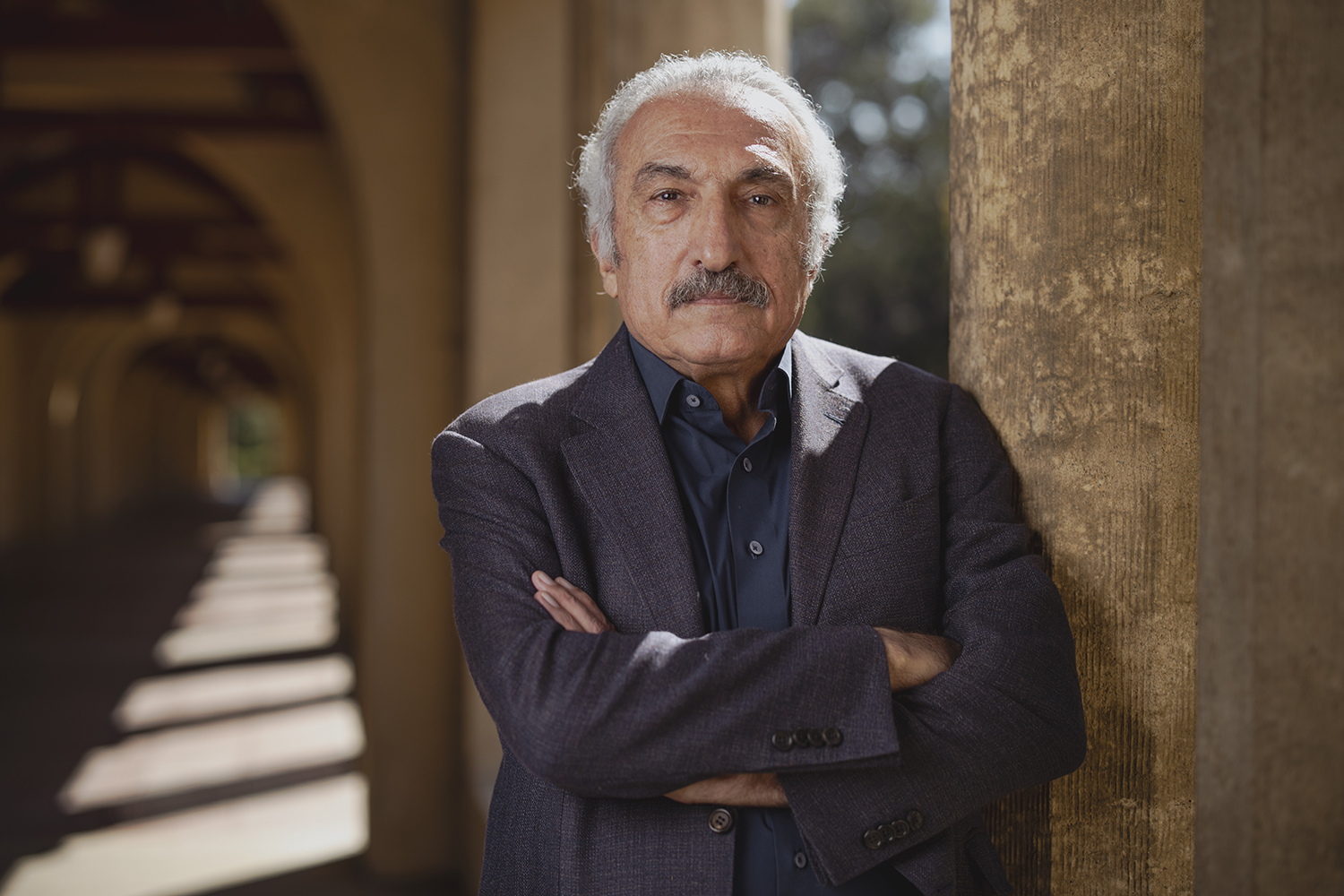
Abbas Milani, Gores Award: “Dr. Milani is a virtuoso; a teacher in the truest sense of the word, a scholar of sincerity,” wrote a nominator. “Above all, he is a person of deep integrity and tremendous humility, anchored in his convictions and mooring so many of us, his students, to a path of greater clarity in troubled times.” | Photo: Andrew Brodhead
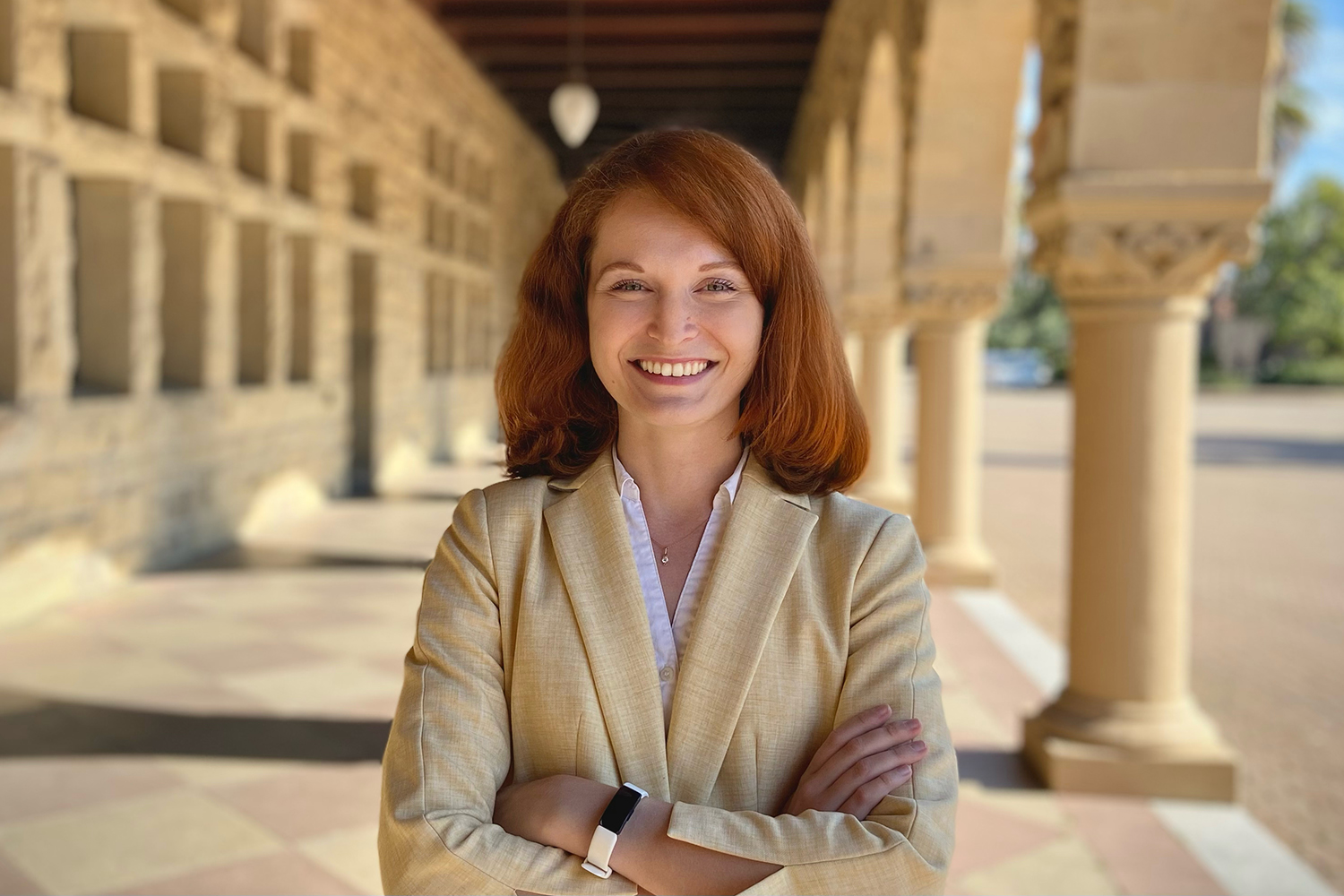
Kate Petrova, Gores Award: Her nominators – who include faculty, fellow graduate students, undergraduates, and mentees – laud her inspiration, curiosity, generosity, enthusiasm, passion, patience, and joy. She is, according to a nominator, “an absolutely brilliant teacher.” | Photo: Julie Cachia
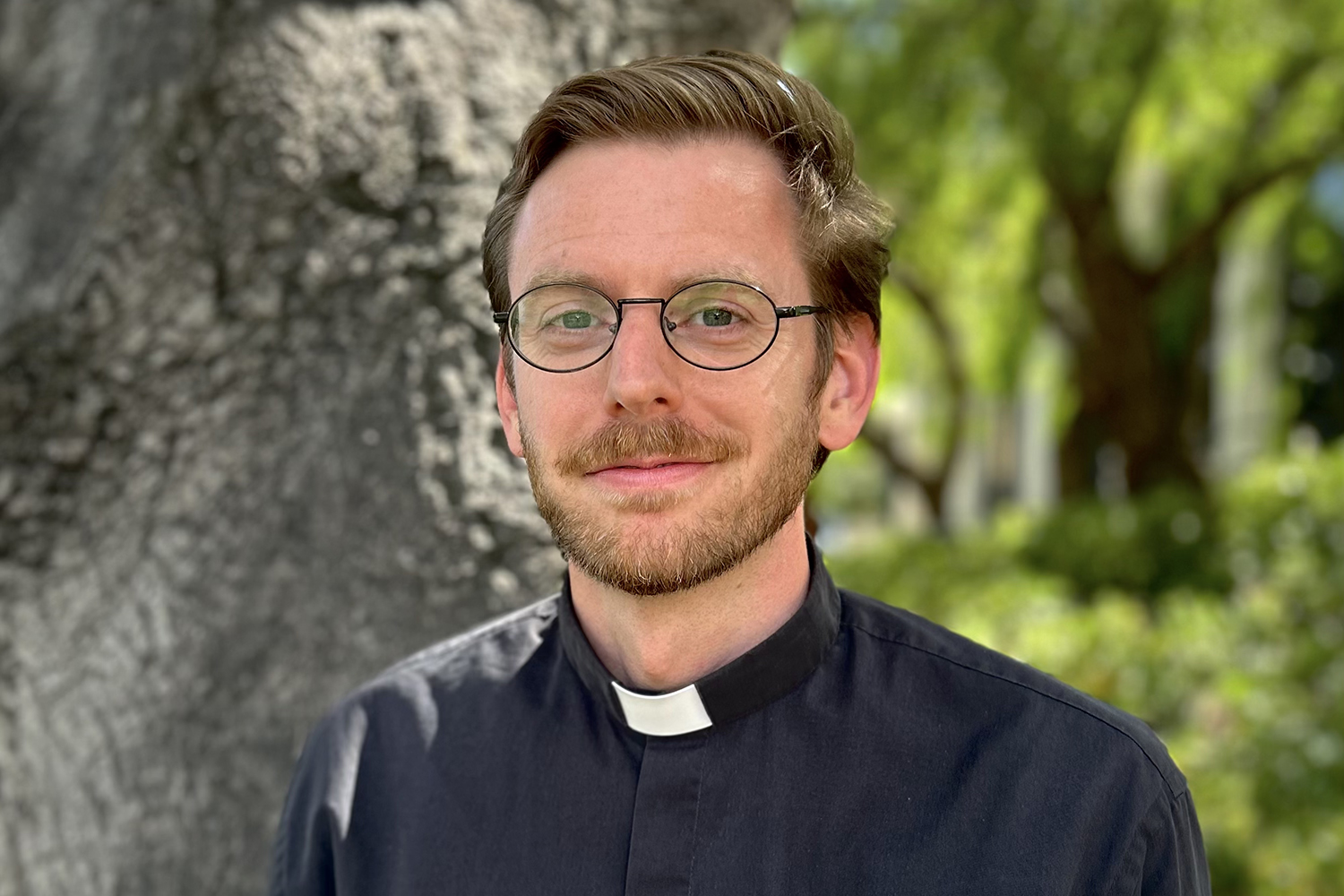
Michael Scott Thomas, Gores Award: Nominators described him as a gifted communicator, legendary for his care, warmth, and generosity. “His teaching is not only excellent; it is transformative,” wrote a nominator. “He has had a lasting impact on the students he has taught and on the broader Stanford community.” | Photo: Courtesy Michael Scott Thomas
Lloyd W. Dinkelspiel Award
The Lloyd W. Dinkelspiel Award recognizes distinctive contributions to undergraduate education and the quality of student life.
Patricia Rose Burchat is the Gabilan Professor and professor of physics in the School of Humanities & Sciences (H&S). She is recognized for leading the transformation of pedagogy in the Physics Department, serving as both an advocate and a model practitioner in adopting a research-based, active-learning model and consulting with colleagues to improve their teaching. Burchat redesigned the introductory calculus-based physics course offerings in mechanics to provide entry points for students with little or no high school physics preparation or whose learning was negatively affected by the COVID-19 pandemic. In 2006, she established the successful Engineering Physics major, which she has since co-directed. She excels in advising, having served as chair of undergraduate advising for 15 years. Burchat is further recognized for her dedication to teaching, earning the highest course evaluation ratings for the quality of her instruction in her department.
Anagali Duncan, ’26, was born and raised on the Cherokee Reservation, Stilwell, Oklahoma. He is majoring in comparative studies in race and ethnicity, and is an interdisciplinary honors candidate in Democracy, Development and the Rule of Law. He is recognized for leading across a range of campus communities and institutions, including the Native American Cultural Center, the Institute for Diversity in the Arts, the Stanford Political Review, Stanford Natives in Pre-Law, and the Cardinal Policy Group. He fosters creative expression and champions the visibility of student artists. He facilitates meaningful university collaboration with the Muwekma Ohlone Tribe, founded the Sankofa Library at Harmony House, and advances educational equity through political advocacy, generous personal mentorship, and tireless community building.
Annette Salmeen is a core course coordinator in the Program in Human Biology in H&S. She is recognized for her exemplary 14-year commitment to the program, during which she has been instrumental in the education of more than 2,000 HumBio majors and has steered the complicated six-course core sequence through changes in teaching staff, methods, and content focus. She helped develop the program’s core curriculum, including incorporating real-world biological research into course materials and ensuring that lectures, discussions, assignments, and assessments are cohesively aligned across the core. She centers learning goals, fairness, and student growth across all aspects of the courses she teaches, making complex topics accessible and intellectually rigorous.
Walter J. Gores Award
The Walter J. Gores Award is the university’s highest award for excellence in teaching. It recognizes faculty, teaching staff, and students who have made special contributions to teaching, including lecturing, tutoring, advising, and discussion leading.
Ran Abramitzky is the Stanford Federal Credit Union Professor and professor of economics, a senior fellow at the Stanford Institute for Economic Policy Research (SIEPR), and senior associate dean for the social sciences in H&S. He is recognized for instilling in his students a newfound appreciation for diverse perspectives on economics, sharing with them the joy of discovery of new knowledge and modeling humility in research and beyond. His graduate teaching transforms classrooms into spaces where research careers in economics are launched. Abramitzky is further recognized for teaching undergraduates in creative ways that encourage them to become excited about economics and science.
Jason Hogan is an associate professor of physics in H&S, recognized for an engaging and highly effective lecture style. He has a profound ability to clarify mathematical questions and to provide thorough, thoughtful answers. Hogan – who helped design and implement a physics curriculum that is accessible to non-majors – teaches electricity and magnetism from first principles, providing a rigorous foundation for understanding the behavior of light and other marvels of physics. He nurtures students’ curiosity, encourages their fascination with science, and teaches them to formulate a clear research question that can be addressed through an experiment or a mathematical equation.
Abbas Milani is the Hamid and Christina Moghadam Director of Iranian Studies in H&S and a professor (by courtesy) in the Stanford Global Studies Division. He is also a founding co-director of the Iran Democracy Project and a research fellow at the Hoover Institution. Milani is recognized for his curiosity and openness as a teacher, bringing broad cultural knowledge, enthusiasm, depth, and clarity to every class. He raises new perspectives that add to students’ conversations and learning while teaching without hubris. He also empowers students to lead discussions and to grow as scholars.
Kate Petrova is a PhD candidate in psychology and a teaching assistant. She is recognized for conceiving and co-teaching the course What Makes You Tick, which introduces students to the fast-developing field of affective science. In the Psychophysiology Lab, she has guided scores of undergraduate students through the entire research process. As a teaching assistant, she provides students with learning opportunities tailored to their individual interests, aspirations, and needs. She is further recognized for her intellectual generosity, contagious curiosity, boundless patience, and an unwavering dedication to student well-being.
Michael Scott Thomas is a PhD candidate in political science and a teaching assistant who embodies a pedagogy of presence, thoughtfulness, and genuine care in all his work in the Department of Political Science. He is recognized for providing students with artful explanations that clarify, illuminate, and spark curiosity, and for deftly guiding discussions that inspire students to engage deeply with challenging issues and questions, transforming disagreement into productive inquiry. He fosters relationships that support students’ academic progress, personal development, and confidence. He leads by example and shapes student futures through engaged and compassionate teaching.
Writer
Alex Kekauoha