With growing pressure on schools to curb distractions in the classroom from texting and scrolling, students across most of the United States returned to school this fall under new limits for using their cell phones on the premises.
Nearly all U.S. states have now enacted laws or policies on cell phone use in K-12 schools, many covering the full school day with “bell-to-bell” bans. A bipartisan bill recently introduced in Congress would establish a federal grant program to incentivize states to adopt cell phone policies by providing funds districts could use to put restrictions into practice – for instance, by paying for storage options such as lockers and pouches.
Research on the effectiveness of phone bans so far by scholars at Stanford and other universities has shown mixed results. But to design a policy with the best chance of succeeding, the process matters as much as the rules themselves, says Denise Pope, a senior lecturer at Stanford Graduate School of Education (GSE).
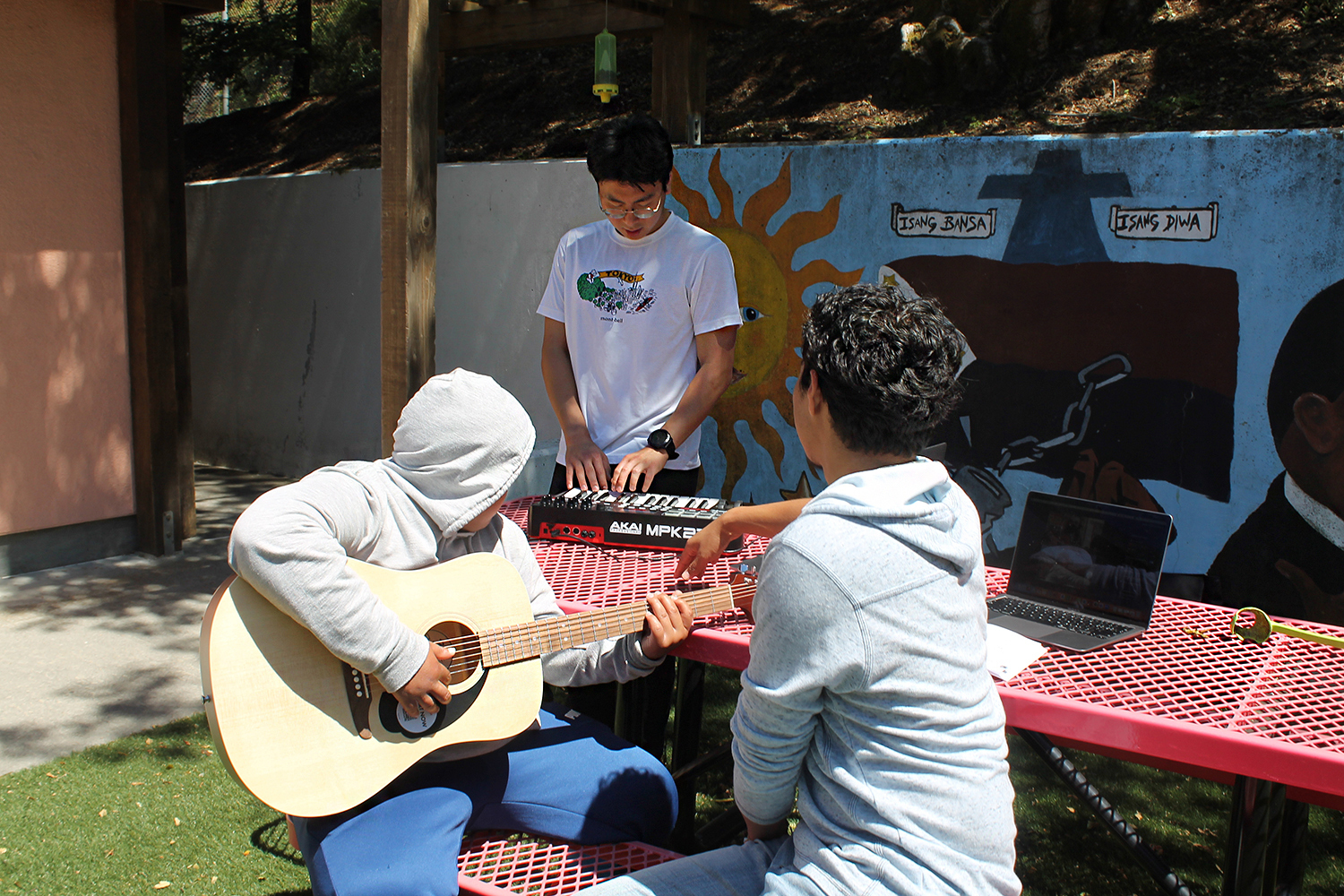
“Whatever you do, you have to involve the students,” said Pope, who is also a co-founder and strategic advisor at Challenge Success, a nonprofit affiliated with the GSE. “These are policies that directly shape their school experience, and empowering them as leaders in the effort goes a long way.”
A new toolkit from Challenge Success provides strategies for building student participation into the policymaking process, drawing lessons from three schools that approached the task in different ways.
We spoke with Pope about why some cell phone bans fall short, what’s gained by giving students a central role in developing the rules, and ways to engage the whole school community in the process.
Many states now require schools to have a cell phone policy, but the specifics are usually up to the district. What problems do you see with the way policies are designed?
In our work with schools, we often see bans implemented with a top-down approach, where the school announces new rules without any student input. But kids are the ones who know the reality of their experience – they know what will and won’t work. Particularly around cell phones, they know this world better than adults do. They also have the biggest stake in the change.
Centering student voice from the beginning helps to make sure the policy will be realistic, and that it’s something that can actually improve school culture and a sense of belonging. Otherwise, it becomes a situation where you’re just restricting and policing behavior. That may happen even with student voice, but without it, there’s more likely to be a struggle.
What does centering student voice look like? I’m sure many schools ask for student input.
There’s a whole continuum when it comes to student voice, from very minimal involvement to fully shared decision-making. I was recently talking with a group of superintendents, and one said, “Oh, I meet with student advisors monthly.” Great! But what are you letting them do? The more you can let students in on the process of creating a policy, even run the process, the more buy-in you’re going to have and the more effective the solution will be.
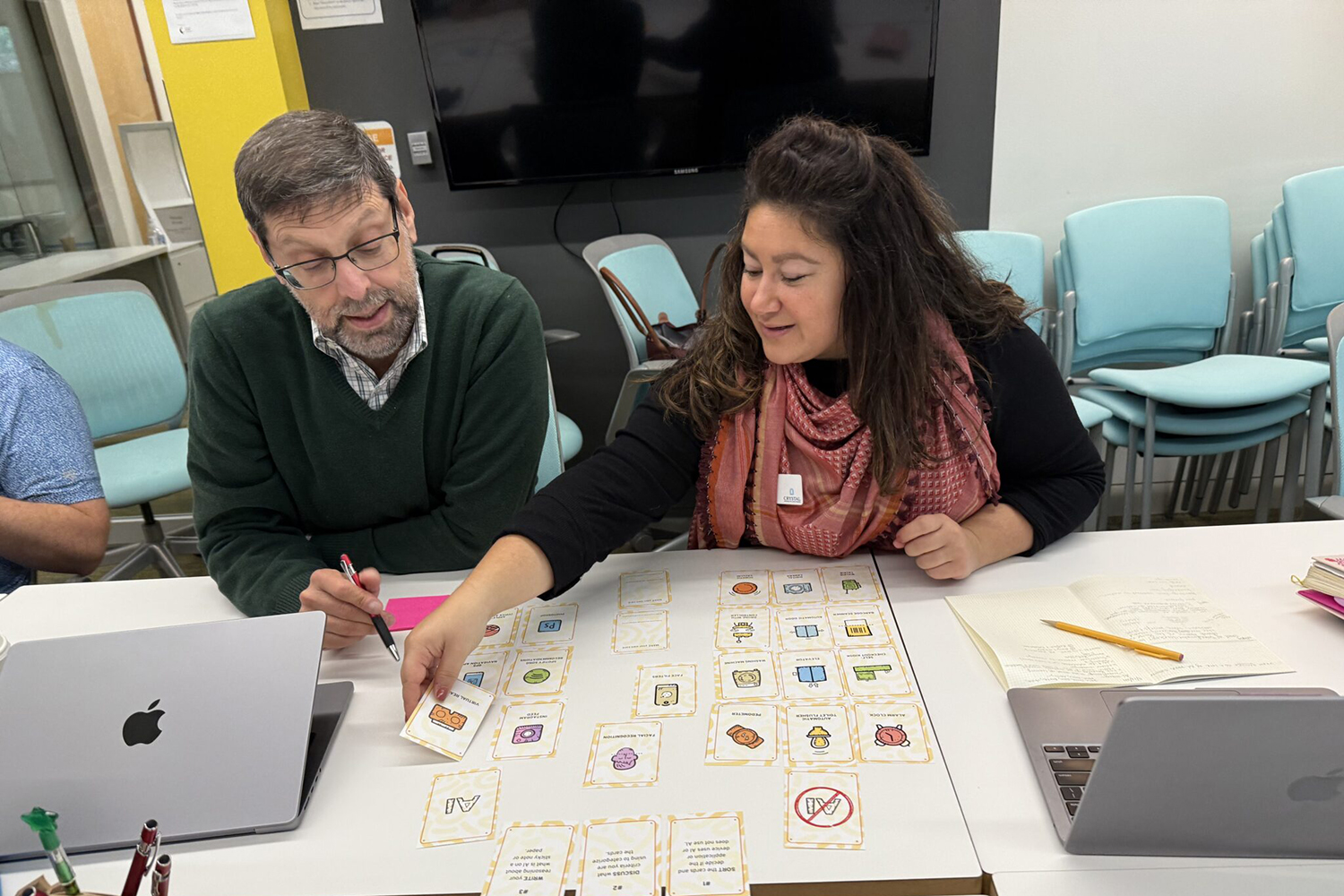
We have lots of strategies on our website to get insight from students, like “I Wish” campaigns, where they share what they wish adults knew, and fishbowl conversations, where adults listen in as students talk with each other. Students can facilitate these efforts themselves. You can put together a group of students and tell them: Figure out from your peers what’s going to work. Talk to adults and kids. Collect quantitative and qualitative data, analyze it, and share what you’re finding.
It’s an intellectual endeavor in and of itself. It’s basically project-based learning. The students are going to learn a lot about policymaking and governance. They’ll learn about data and data collection. They’ll learn about compromise and how hard it is to make everybody happy.
The more you can let students in on the process of creating a policy, even run the process, the more buy-in you’re going to have and the more effective the solution will be.
What seems to help in terms of enforcing the rules?
One problem we’ve found is that enforcement often falls on teachers alone – and teachers may not even see the phones, because kids are good at hiding them. On top of that, substitute teachers aren’t always trained on the policy. Consistency matters. It’s like parenting; you have to apply the rules consistently.
A schoolwide script of consistent phrases can help. Bring everybody into the conversation: What do we say? What are the consequences? At one school we worked with, the kids came up with the idea of tracking infractions by class and rewarding the class with the fewest. That’s a more positive, asset-based approach.
Often kids actually feel relief without the phones. There will always be some who break the rules. But when they do, approach it with curiosity and figure out what’s going on. Most of the time it’s not just a teenager asserting their power. Usually there’s a reason.
It seems like a lot of pushback on the bans comes from parents who are worried about reaching their kid in an emergency. How are schools addressing that?
It’s a common concern, even among parents who support a full bell-to-bell ban in principle. Schools have to be crystal clear in spelling out how they will handle communication if something happens. That’s true for any change in policy. Any lack of clarity breeds anxiety.
You have to overcommunicate to everyone involved. A lot of kids have jobs, so they’ll also have to tell their boss, “Here’s what you can do if you need to reach me.” There are other ways of getting messages to kids, like we did before cell phones existed.
What should schools do to make sure the policy is working?
Always start small, with a pilot. There’s something about the word “pilot” that people are more comfortable with than “This is the rule forever.” Gather feedback after the pilot – what worked, what didn’t, what was unclear – and allow for student input throughout.
A lot of schools will modify the full bell-to-bell approach. There are various ways to do it: no phones during certain class periods, no phones during lunch, phones allowed at lunch but not in class. The key is a thoughtful process where you’ve talked to all the community members, asked for and weighed everybody’s views, and communicated why you’re doing it. That’s very different from “Tomorrow, we’re instituting a new ban.”
This kind of policy is not an easy, one-and-done type of thing. You need to keep reevaluating and collecting information. The policy should be a living thing, and the community needs to be part of it.
Watch Denise Pope highlight a new toolkit featuring frameworks for building student participation into the policymaking process.

For more information
This story was originally published by Stanford Graduate School of Education.
Writer
Carrie Spector