In brief
- Stanford researchers analyzed federal data on nearly every U.S. public school, finding that over 80% of districts operated the same number of schools in 2024 as in 2019.
- The rare school closures disproportionately affected lower-income neighborhoods, schools with more Black students, and charter schools.
- The researchers see opportunities for districts to respond to budgetary pressures with better financial management and to enrollment losses with expanded pre-K options.
The number of students in U.S. public schools has dropped dramatically in recent years, with enrollment falling by more than a million students nationwide since the start of the COVID-19 pandemic. That steep decline has intensified the financial strain on many districts, triggering often contentious public debates about school closures and staff layoffs.
New Stanford research shows, however, that the number of public schools operating today is effectively the same as it was in fall 2019, and the number of teachers has actually grown.
In an analysis of federal data on nearly every U.S. public school from 2010 to 2024, the researchers found that average school enrollment dropped by about 18 students, or 3%, after the pandemic. Those declines vary sharply across the nation: One in four public schools now enrolls at least 15% fewer students than it did before the pandemic, or at least 70 fewer students for the average elementary school.
Meanwhile, the national pupil-teacher ratio has fallen 4% from its pre-pandemic baseline. Public schools now have more teachers per student than at any point in the last 15 years.
The study, released as a working paper on Nov. 9, was conducted by Thomas S. Dee, the Barnett Family Professor at Stanford Graduate School of Education, and Jaymes Pyne, a senior research associate at Stanford’s John W. Gardner Center for Youth and Their Communities.

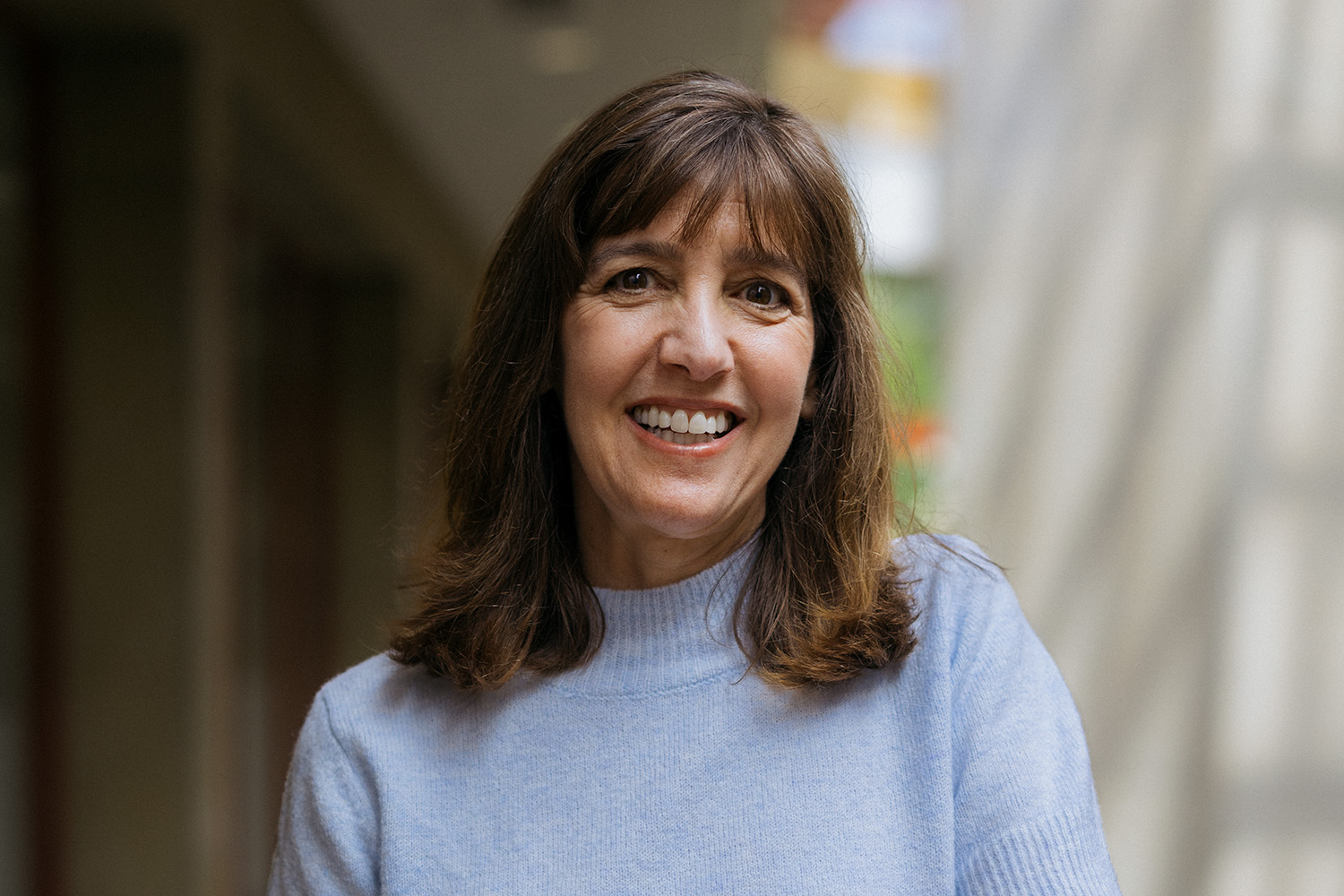
Thomas S. Dee and Jaymes Pyne | Courtesy Stanford GSE
“Enrollment losses are putting budgetary pressures on many school districts, and communities right now are having difficult discussions about possibly closing schools and laying off teachers,” said Dee, who is also a senior fellow at the Hoover Institution and the Stanford Institute for Economic Policy Research. “But overall, these data tell us school districts have been largely unresponsive to the enrollment changes.”
Enrollment declines were steepest in elementary and middle schools, and they varied both between and within states. School closures were rare: More than 80% of districts operated the same number of schools in 2024 as in 2019. Where schools did close, the closures fell disproportionately on lower-income neighborhoods, schools serving higher concentrations of Black students, and charter schools.
Newer state data from California for 2025–26 show the same pattern: The state has lost more than 400,000 students since October 2019 but closed less than 1% of schools. Over the same period of enrollment loss, teacher full-time equivalents increased 3%.
The researchers attributed the misalignment between schools, staffing, and enrollment losses to “the political economy of decision-making in school districts,” they wrote. Closures and layoffs are highly visible to parents and teachers, and superintendents often serve short terms, forestalling the decision-making process.
Districts that do not change the number of schools they operate or their staffing levels may end up making less visible but still educationally consequential changes, the researchers said, such as reduced building maintenance or cuts in student support services. Delays also increase the risk of aggressive state oversight and possible state takeovers.
“School districts have not yet right-sized in response to budgetary pressures, but that creates an opportunity to get it right.”
The study points toward “both a crisis and an opportunity,” said Dee. “It suggests school districts have not yet right-sized in response to budgetary pressures, but that creates an opportunity to get it right.”
Dee noted that better financial management, such as financial training and support for school board members and multi-year budgeting processes, could be helpful. Districts may also be able to increase their enrollment through “really robust and attractive pre-K options that expand the age range of the students served,” he said.
When districts do have to downsize, he said, evidence suggests “they can best support students by making sure they retain their most effective teachers and their most effective schools.”
For more information
This story was originally published by Stanford Graduate School of Education.
Writer
Carrie Spector