In brief
- Stanford Accelerator for Learning funded projects across five Stanford schools to explore joyful learning with educators, families, and community partners.
- The grant defined joyful learning as more than fun, emphasizing curiosity, wonder, shared creative experiences, and a lasting desire to learn.
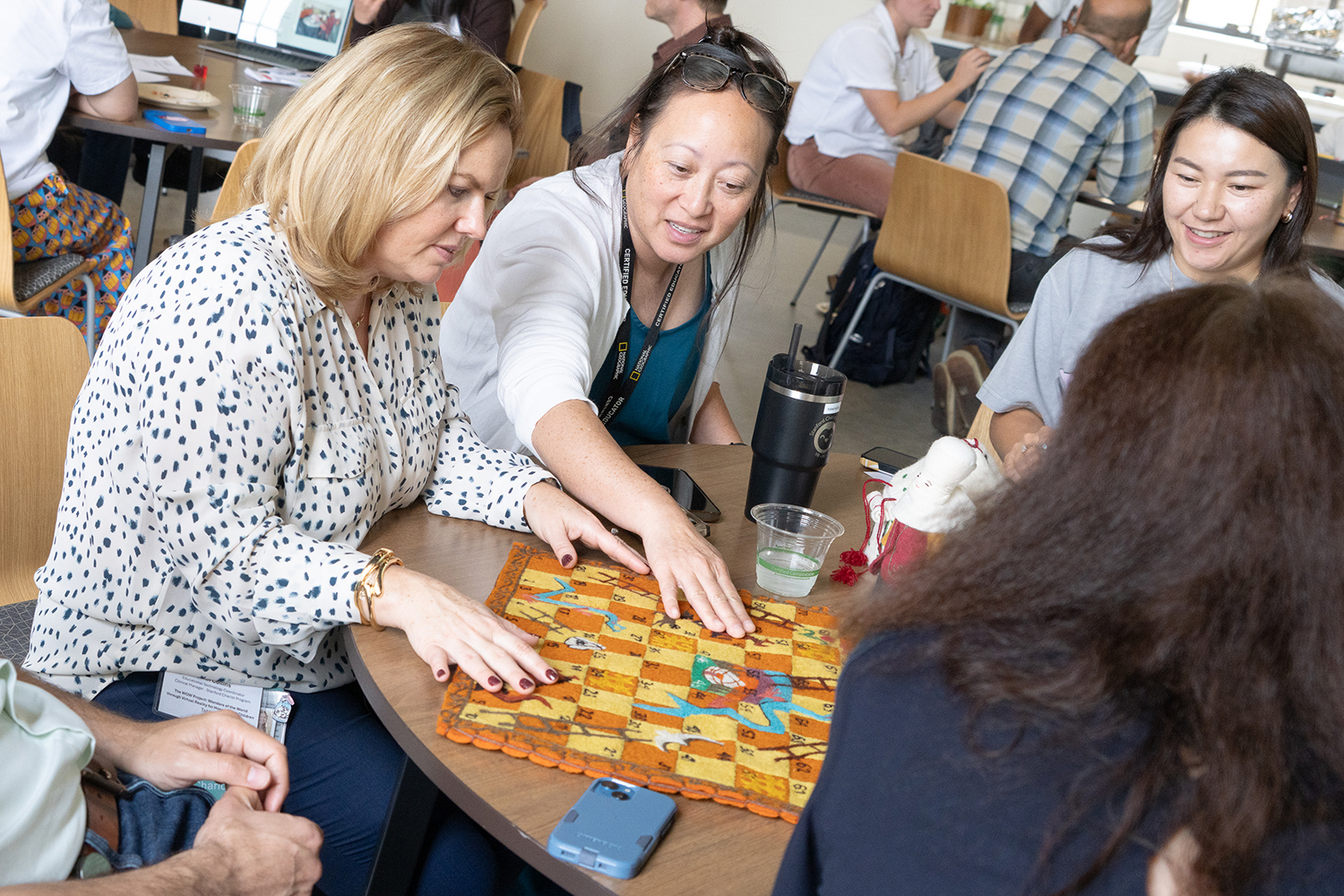
- Projects explored approaches ranging from virtual reality field trips for hospitalized children to student safety investigations and a culturally grounded board game.
What do visiting a coral reef in virtual reality, collecting data on safe routes to get to school, and playing a board game with yurts have in common?
All three infuse more joy into learning experiences across age groups and classroom settings.
A recently concluded seed grant from the Stanford Accelerator for Learning funded 21 projects that explored the role of joy in learning and advanced its scientific understanding. Faculty and students from five Stanford schools led the expedition, in collaboration with teachers, school districts, families, and community partners.
Joyful learning, as defined by the grant call, is distinct from having fun at school. Rather than pizza parties, joyful learning describes learning experiences that “inspire a sense of wonder, trigger inspiration, invite curiosity, cultivate an appreciation of beauty, support shared enjoyment in creative activities, and foster a desire to continue learning over time.”
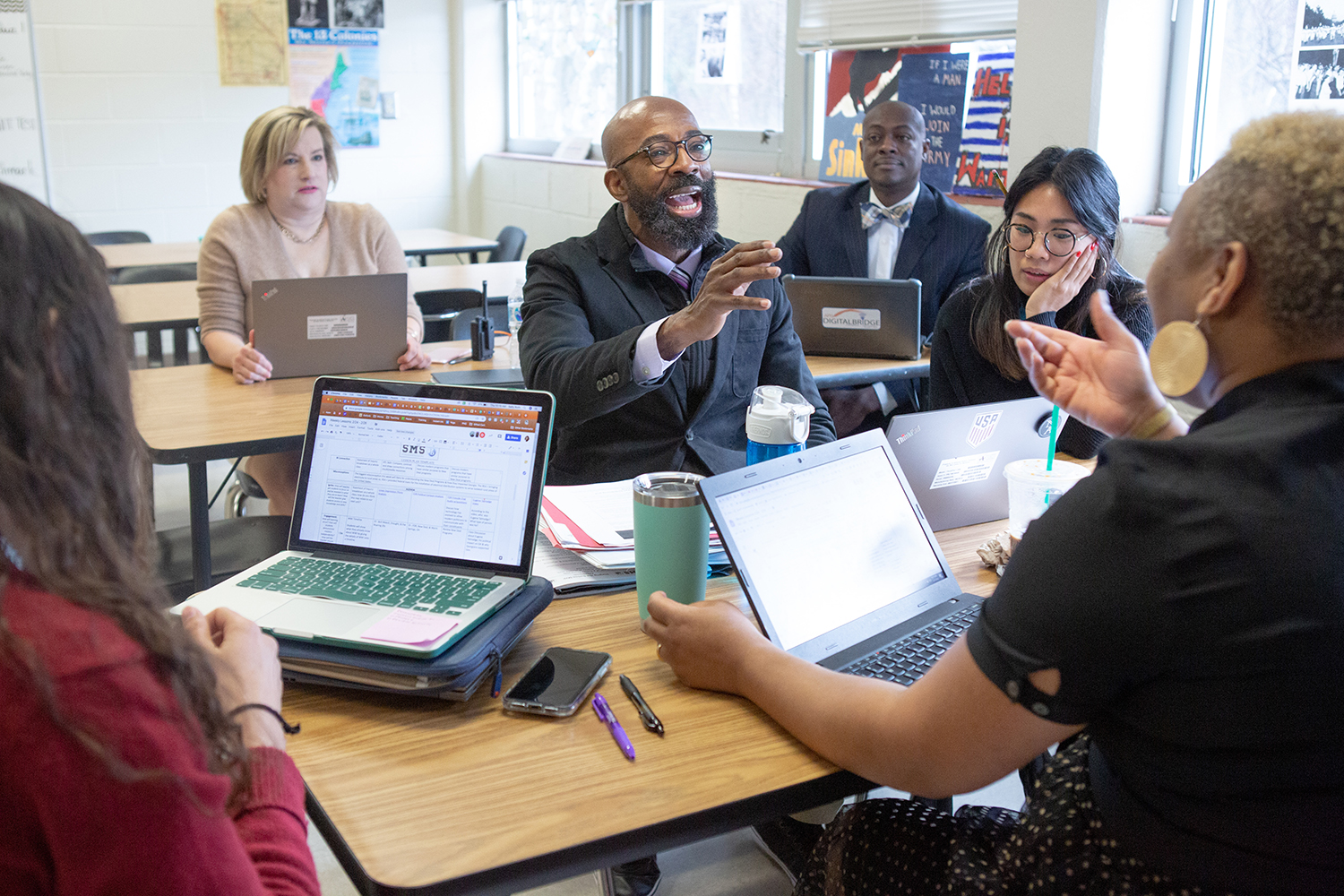
The seed grant projects explored various disciplines, age groups, and student populations. A core element of the grant program was building a shared understanding of joyful learning and exploring how to assess and measure it without reducing it to surface-level enjoyment.
Brigid Barron, the Margaret Jacks Professor of Education at Stanford Graduate School of Education, faculty affiliate of the Accelerator, and the grant’s faculty lead, began studying joyful learning during the COVID-19 pandemic.
“What we saw was that alongside disruption and stress, there were moments of deep engagement, curiosity, collaboration, and shared joy,” said Barron, a developmental psychologist.
That’s where the Accelerator came in. Joy is a key part of the Accelerator’s vision for the future of learning, where research-based innovation drives effective and joyful learning for all. Executive director Isabelle Hau noted that in recent decades, there have been thousands of studies published about depression, but only a few hundred examining joy.
“The research at the intersection of joy and learning was relatively uncharted, and I would argue still is,” said Barron, highlighting ongoing societal disruptions and a deep desire from educators, learners, and families to lean into the delight that goes along with learning. “Our call for proposals was based on the premise that positive emotional responses to learning are an underutilized resource for collective healing and community revitalization.”
Infusing joy in learning
The grant projects reflected the diverse ways that joy can energize learning. In the Wonders of the World (WOW) project, a research team led by Accelerator Faculty Affiliate Thomas Caruso of the Stanford University School of Medicine designed an intervention for hospitalized children whose schooling has been interrupted and who often experience social isolation, withdrawal from learning, and depression.
“Our big question was, can a 20-minute trip to a coral reef change a child’s hospital day?” said Faith Collins, a veteran teacher and education technology coordinator at the Stanford Chariot Program. “So we took them on a VR field trip [to Palau], and then we did a hands-on science experiment.” Before and after the experience, the researchers asked students questions about well-being, emotional state, sense of awe, and content knowledge.
The results were startling. For all 58 patients, ages 5 to 17, every indicator the researchers measured increased after experiencing the virtual and tactile reef.
“I’d say around 97% of patients literally said the word, ‘Wow!’ They didn’t know that that was the title of the project, but they always said, ‘Wow, that’s so cool,’” said Kathy Ho, another longtime educator and researcher on the project.
What we saw was that alongside disruption and stress, there were moments of deep engagement, curiosity, collaboration, and shared joy.Brigid BarronMargaret Jacks Professor of Education
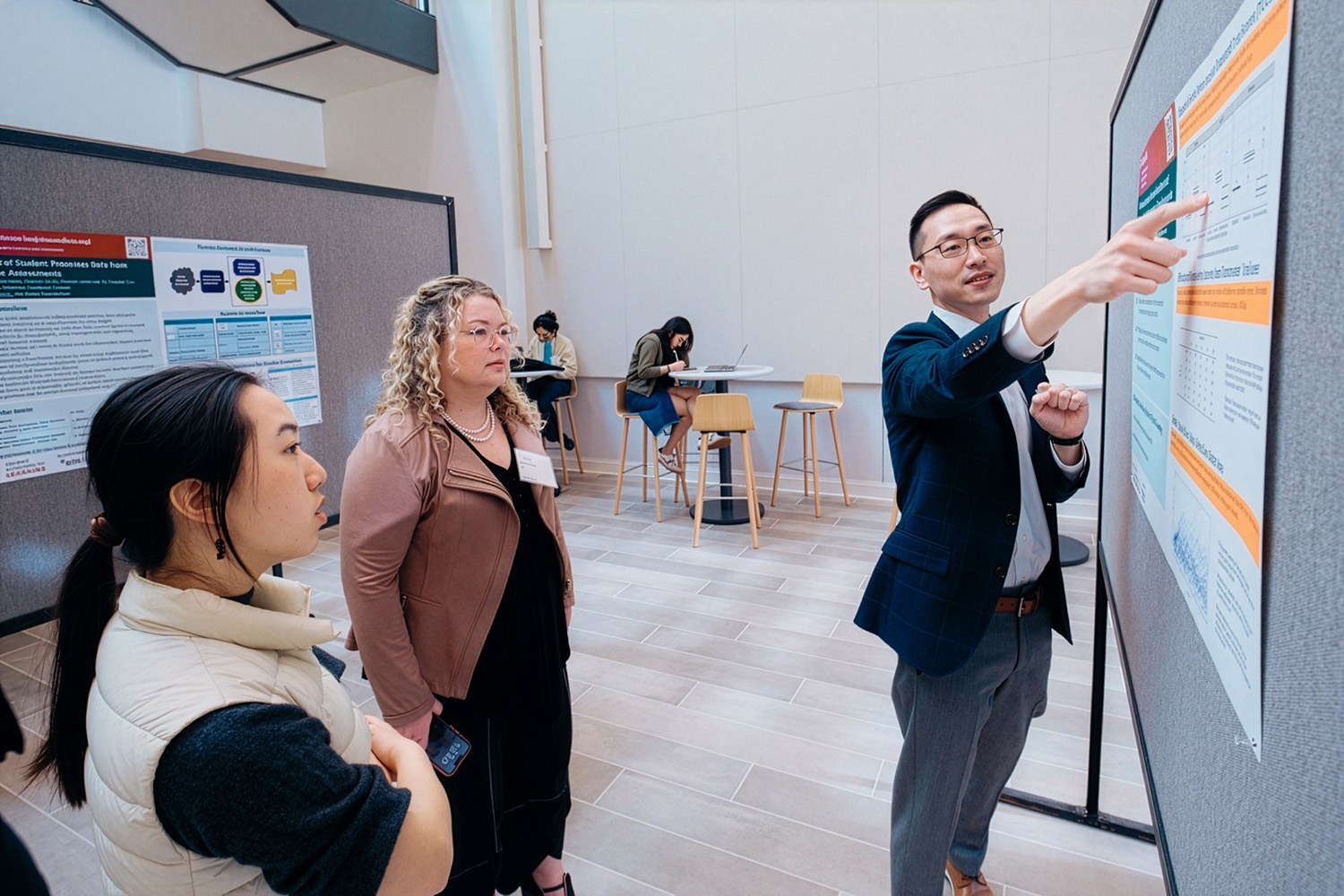
Another project, Our Voice, collaborated with the San Mateo County Office of Education to guide students in participating in data collection on safe routes to school. The summer before the project, a teacher had died in a traffic accident close to campus, so the topic was important and personal to many students.
“The students began by drawing their neighborhood and what their route to school was, and then we helped scaffold the experience of taking the anonymized, aggregated data of the entire classroom and helping them draw conclusions from it,” said researcher Ankita Kaulberg. After participating in the investigation, the fifth graders presented their results six times, of their own accord, to the school board and two different city councils. Despite the serious topic, the experience tapped into many tenets of joyful learning, including hands-on discovery, collaborative activities, and connection to the broader community.
“The project had ripple effects,” said Kaulberg. “We heard a school board member pushing their superintendent to do more projects like this one, because it’s not every day that you see a bunch of kids advocating not for a grade, but because they have learned something that they want to learn.”
The ripple effects of joyful learning
The theme of joyful learning experiences impacting not just students, but the teachers, families, and communities surrounding them, emerged across projects.
“Joyful learning is sometimes contagious, right? It can create a shared sense of creative vitality that extends beyond the individual. So how might we broaden our inquiries to explore how children, caregivers, and educators experience and cultivate joy together?” asked Barron.
Though this seed grant has concluded, several grantees are continuing their explorations into how to design and assess effective joyful learning experiences in different subject areas and settings.
“The agenda does not stop here,” said Barron. “In an era of AI, climate change, and other global disruptions, we need to ask how to design and recognize joyful learning environments that inspire a lasting desire and capacity to tackle hard problems together.”
For more information
This story was originally published by Stanford Accelerator for Learning.
Writer
Isabel Sacks