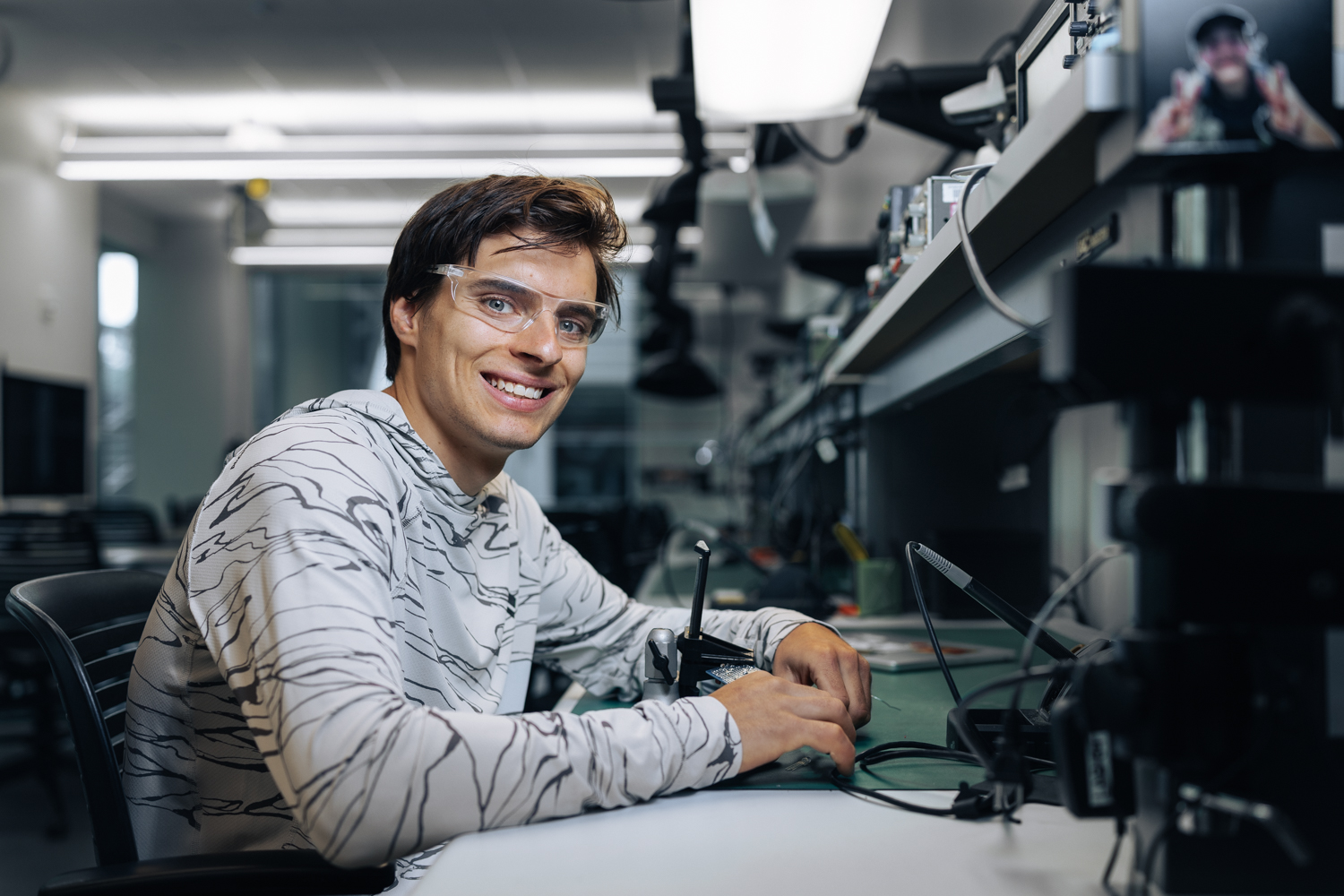

Like most Stanford students, senior Connor Herson spends much of his time in the classroom, in the lab, or with his head down in a book. But when he’s not on campus, his head is up – intensely focused on ascending a precipitous block of granite.
At 22, Herson is an elite professional rock climber who has mounted some of the most challenging climbing routes in the world. While his ascents are impressive, so is his ability to move between the disparate worlds of climbing and academia.
“One of the cool parts about school is that my classmates see me as a student, not a climber,” Herson said.
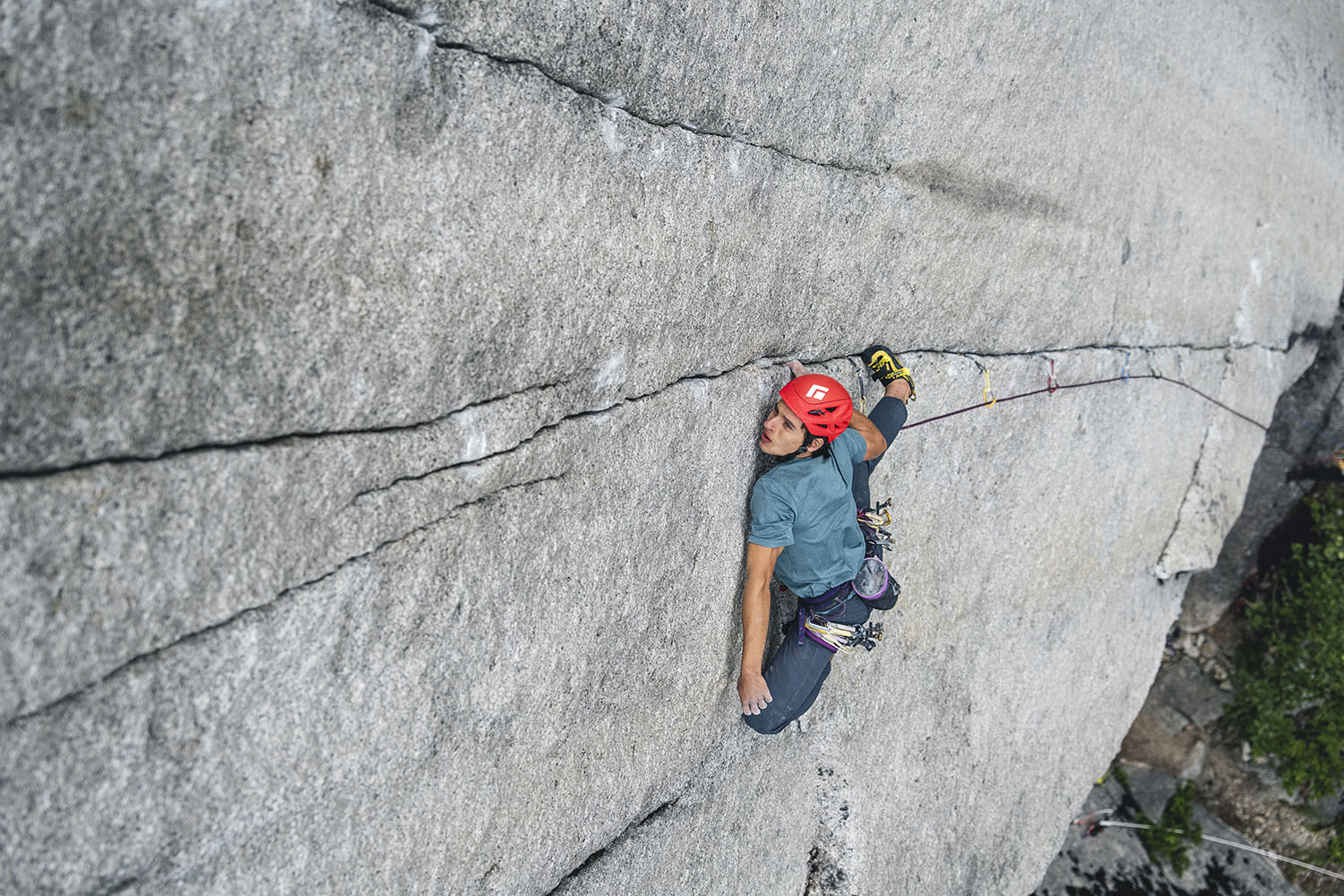
Herson scales Stawamus Chief mountain in Squamish, British Columbia, Canada. | Black Diamond Equipment
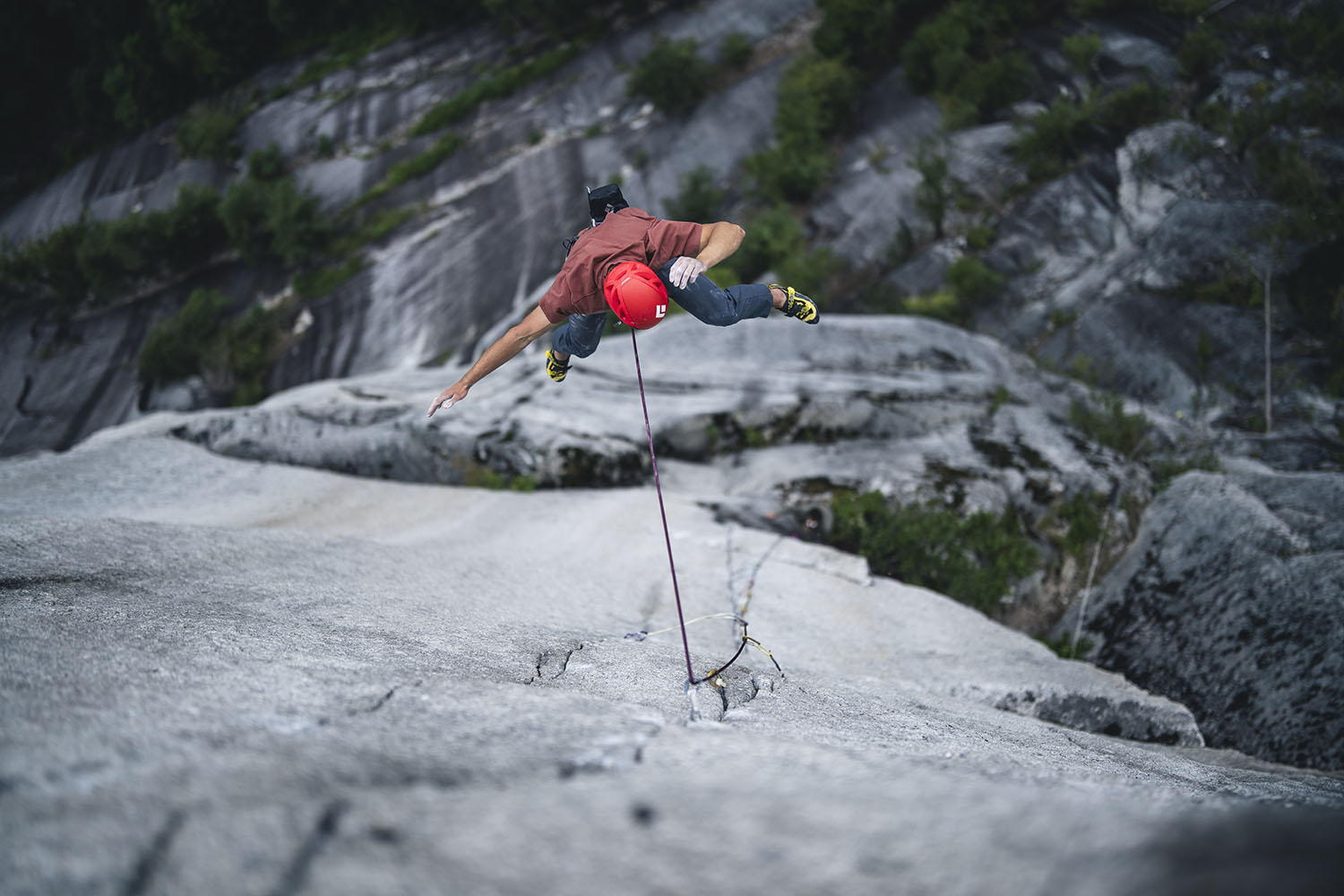
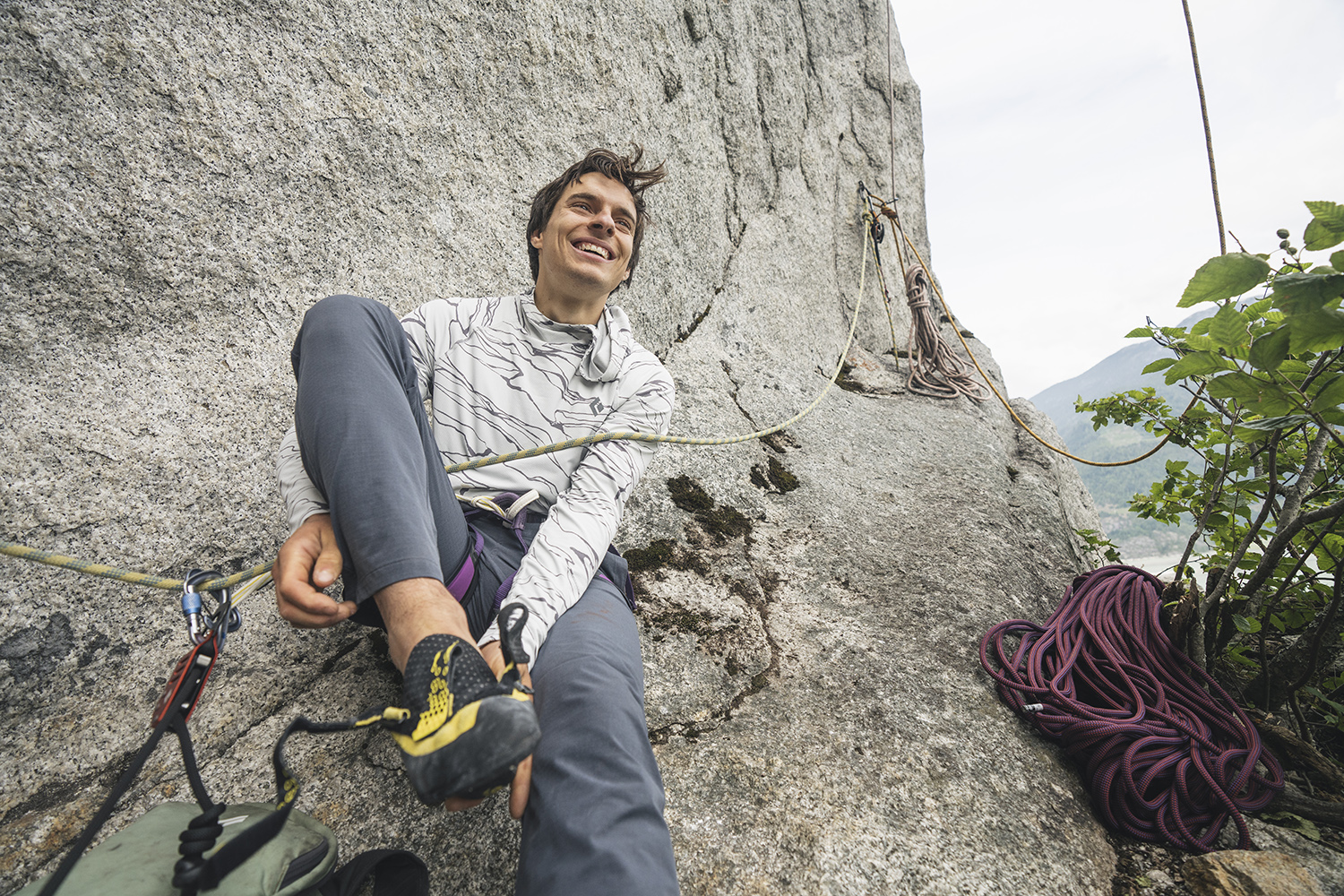
An elite “trad” climber, he has set numerous climbing records. | Black Diamond Equipment
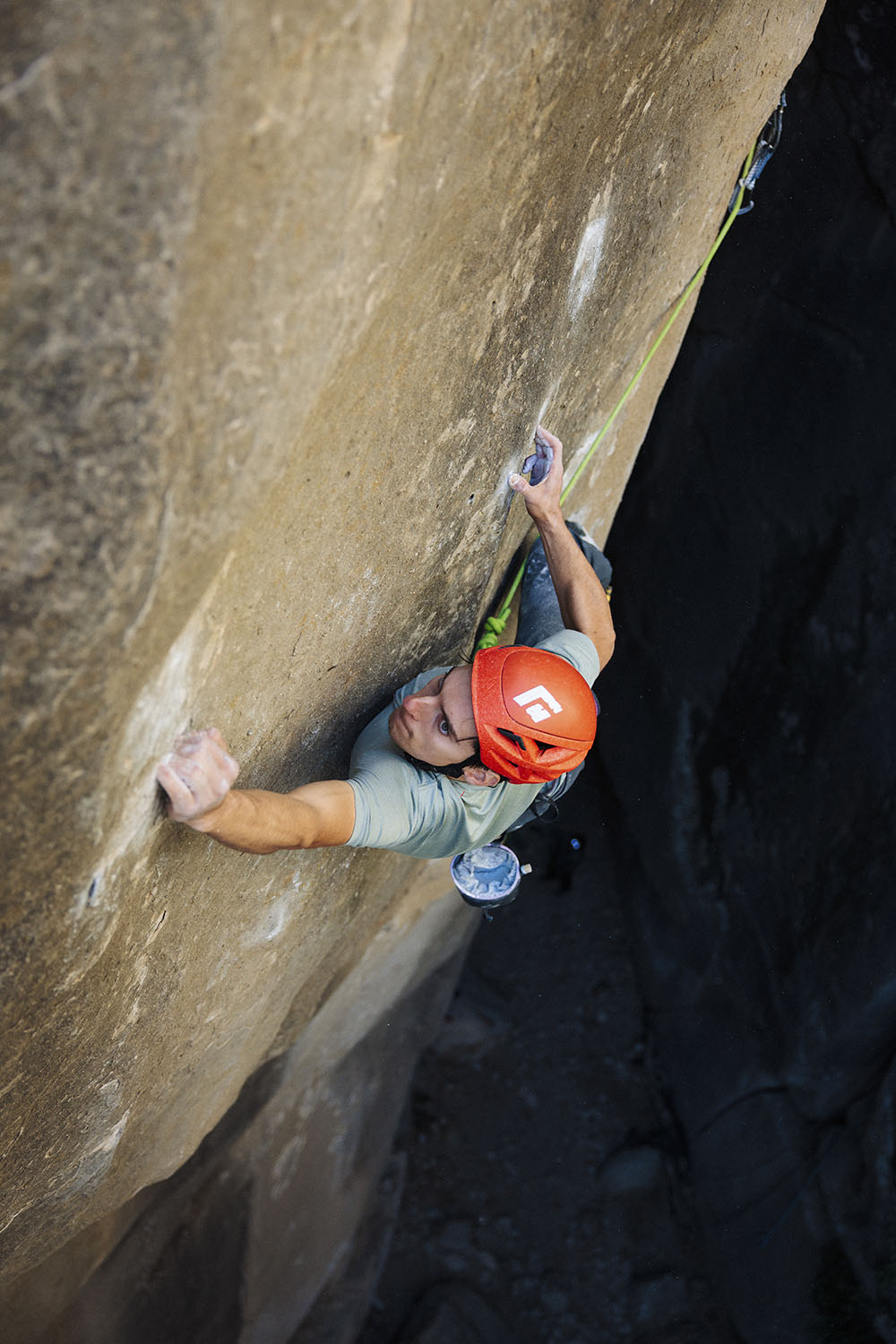
Herson climbs the Bon Voyage route in Annot, France. | Black Diamond Equipment
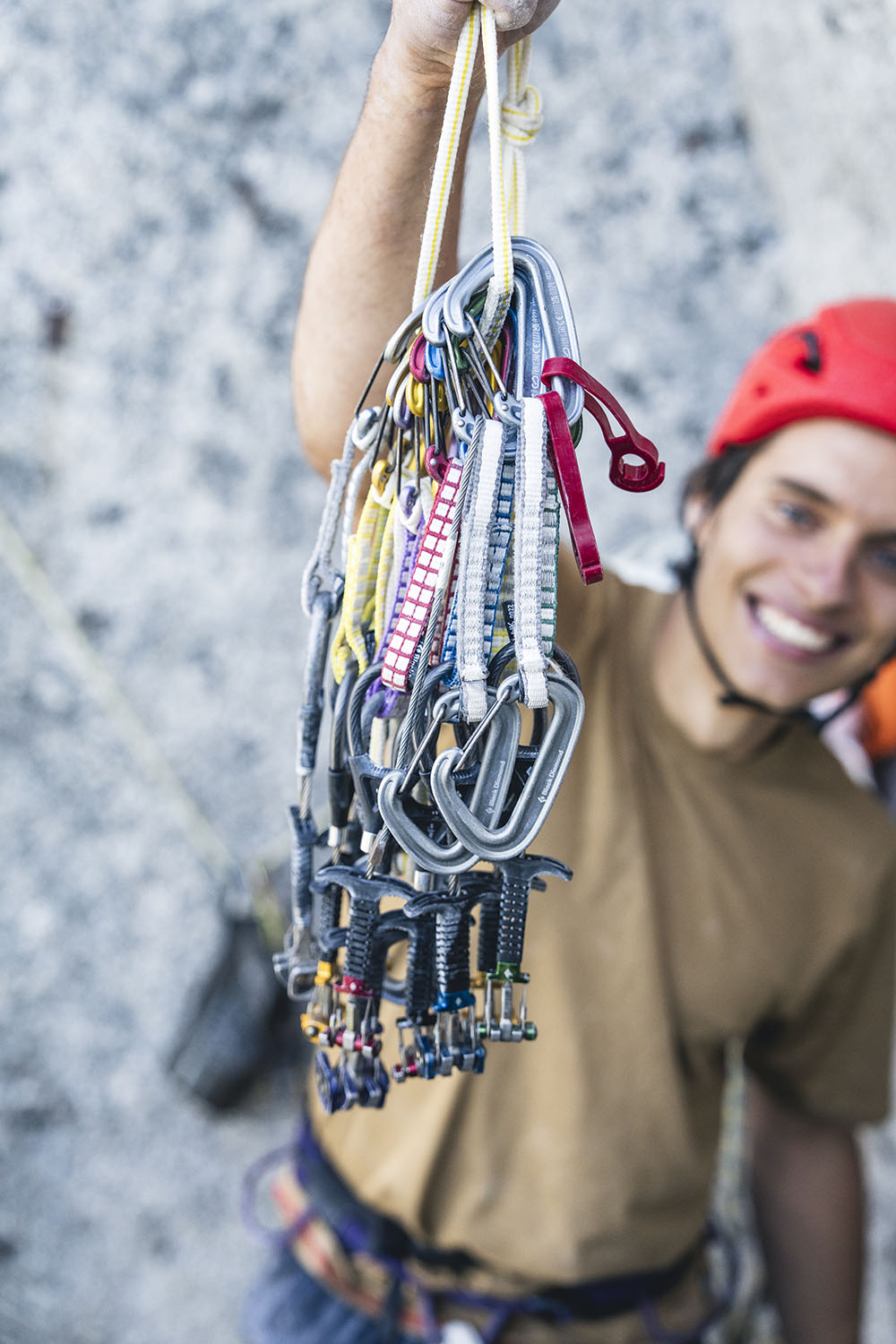
Climbers use carabiners to help them ascend a route. | Black Diamond Equipment
For the past four years, Herson has been working toward a bachelor’s degree in electrical engineering. On Sunday, he’ll walk with the Class of 2026 at Stanford’s 135th Commencement ceremony at Stanford Stadium.
The making of a climber
Growing up in nearby Redwood City, California, Herson’s parents, who have been climbing for decades, introduced him to the sport. He’d climb at local gyms or during trips to places like Yosemite National Park – home to El Capitan, a 3,000-foot-tall monolith and one of the world’s most famous climbing destinations.
“Before long, I got hooked,” he said.
He started climbing competitively in elementary school and by middle school landed on the youth national climbing team. At 15, he became the youngest person ever to free-climb El Capitan’s most famous route, known as “The Nose,” a feat that took three days. Soon afterward, he secured sponsorships. Last year, he completed the climb again in just 9.5 hours – a new record at the time.
“Life is good.”
Herson specializes in traditional (or “trad”) climbing, where the climber places their own points of protection in the rock rather than relying on pre-placed bolts or anchors. The sport has taken Herson across the country and the world to places like Canada and Norway. Last December, he traveled to Annot, France, where he scaled Bon Voyage, one of the world’s most difficult trad routes. And this past April, he set a record at Drifter’s Escape, a 20-meter granite climbing route on the Stawamus Chief mountain in Squamish, British Columbia.
“In terms of physicality, it’s definitely the most challenging climb I’ve done,” he said.
Engineer’s approach
Drifter’s Escape is known as the most difficult trad climb anywhere. Climbers ascend it in sections that are completed in about 10 minutes. And although it’s only 60 feet high, it requires intense focus.
“Rock climbing is one of those sports that is most conducive to flow state,” Herson said, adding that it’s also an intellectual challenge. “It demands a lot of creativity and a lot of thinking that is very similar to the way you’d think about an engineering problem.”
Herson is drawn to rock climbing for the creativity and problem-solving, the beautiful scenery, and the people. “It’s a really fun time and a great bonding experience with your climbing partner,” he said, adding that it requires a lot of trust in the person belaying, or securing, a climber with ropes as they ascend.
Balancing act
Herson enrolled at Stanford in the fall of 2022. In his first year, he joined the Stanford Climbing Team, with whom he competed and won the collegiate national competition.
For the past two years, Herson has taken off fall quarter to focus on climbing. When he is enrolled, he often heads to Yosemite on the weekends to practice. But when he’s at Stanford, he’s a student first and a climber second. “It’s pretty cool to separate the two worlds of school and climbing and have multiple identities,” he said.
Herson is not currently competing, but he climbs regularly and enjoys pushing his limits. After Commencement, he’ll return to Stanford to continue working on his coterminal master’s degree in electrical engineering. Wherever his career path takes him, he plans to keep climbing.
“Climbing is a sport you can do for life,” he said. “Even once I’m not climbing at my physical peak anymore, I definitely want to continue doing it.”
Writer
Alex Kekauoha