What does it take to build a future where everyone has access to clean air and water, and an environment where they can live with dignity? And who gets to shape that future?
These questions anchored panel discussions and research presentations at the first major event organized by Stanford’s new Center for Just Environmental Futures.
“Each session took the panelists and attendees on a journey, from historical relationships between environmental degradation and inequity all the way to local solutions in the context of San Francisco and other areas in the region,” said Maxine Burkett, the center’s founding faculty director and the Emerson Collective Professor in Climate, Environment, and Society at the Stanford Doerr School of Sustainability.
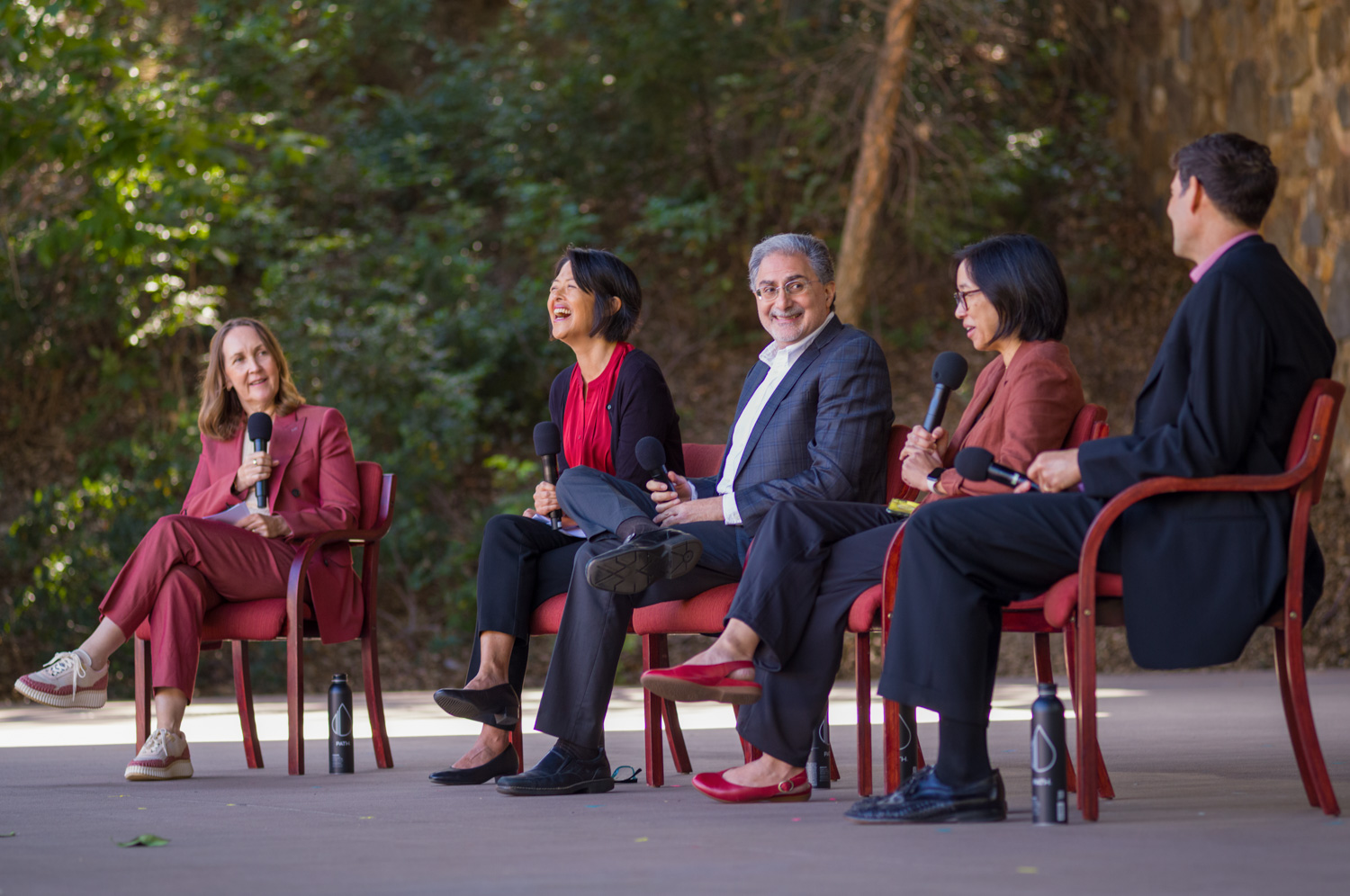
The event opened with a cross-disciplinary panel featuring a geochemist, a political ecologist, and a journalist. They moved from discussing paleoclimatology to how history has shaped contemporary climate challenges in South Asia and the impacts of disasters like Hurricane Katrina on different communities.
“Those three seemingly distinct issues wove together beautifully to tell a story about how existing structures can or cannot support sound adaptation and mitigation,” Burkett said.
Finding common cause
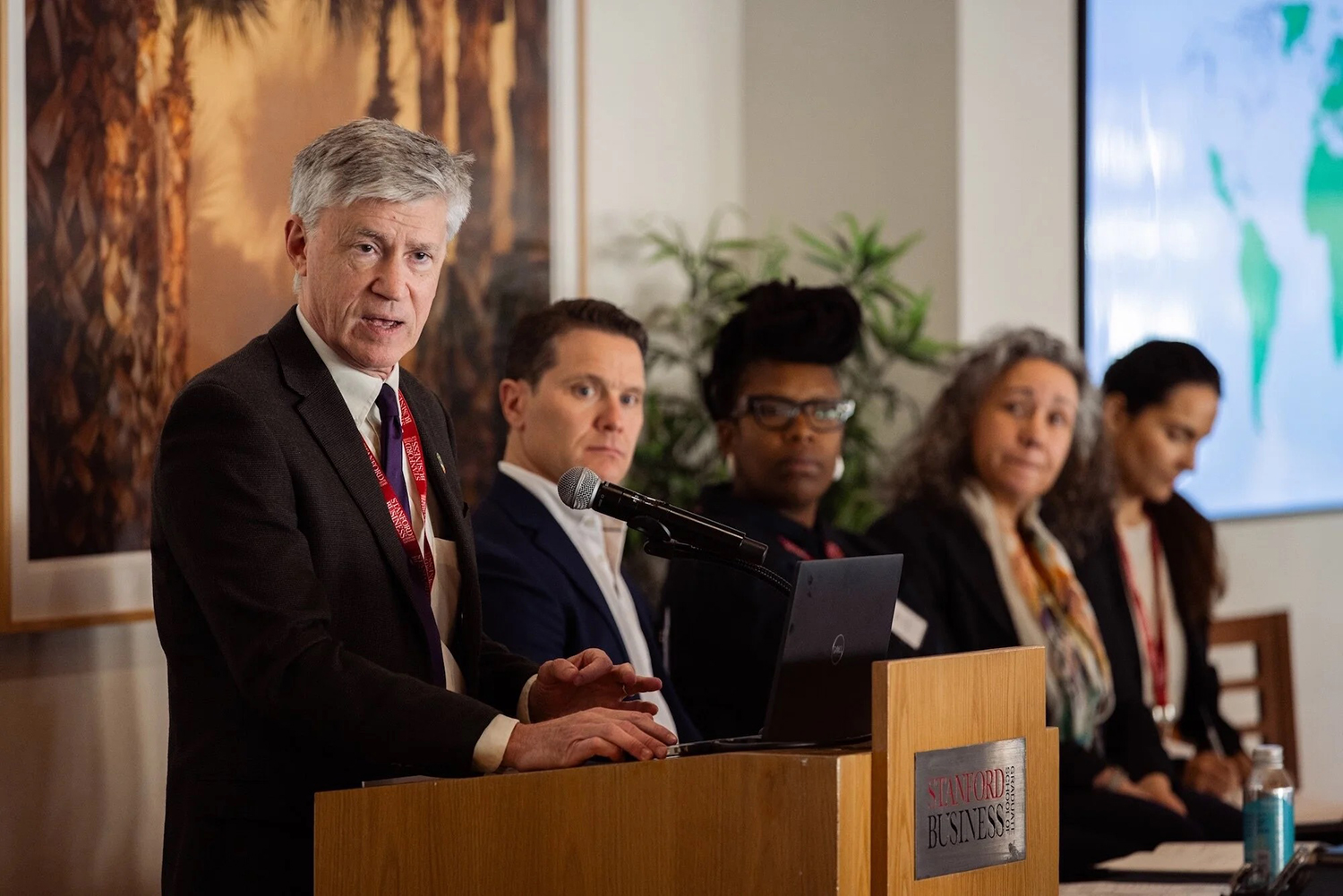
Catherine Coleman Flowers, a nationally recognized leader in advocating for the human right to clean water and sanitation, discussed infrastructure failures as problems that affect many communities. “As we talk about environmental justice, we need to expand our tents” to include all poor communities, including those who may believe they are protected from water crises but are not, she said.
To improve water quality and sanitation, among other needs in local environments, we need cross-sector collaboration, Coleman Flowers and others argued. For example, polluting industries need to understand the stakes and agree on the benefits of change in partnership with lawmakers, healthcare providers, utility companies, and residents.
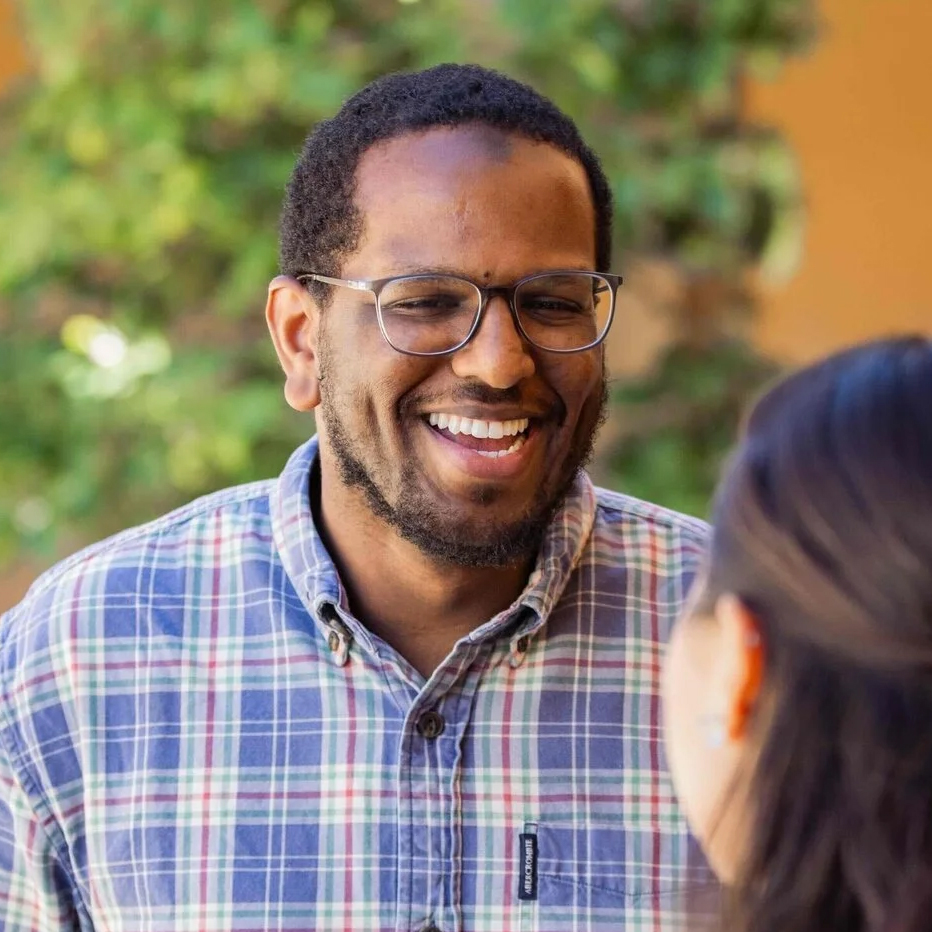
Bringing these worlds [community organizations, local governments, and research communities] together is what it’s going to take to achieve environmental justice.Khalid OsmanAssistant Professor of Civil and Environmental Engineering
Environmental stewardship starts with local communities
Aida Mariam Davis, former chief people officer of the Sierra Club, challenged the “seat at the table” metaphor: If the table was never built for you, why should you want a seat at it? Real engagement, she argued, begins with self-determination and with institutions noticing the environmental stewardship that communities are already providing.
Related discussions on climate mobility and displacement brought together perspectives from advocacy, local government, and public health, including insights from Tyrone Jue, director of the San Francisco Environment Department, and Kajal Khanna, a Stanford clinical associate professor of emergency medicine.
One student presenter, a high school junior who traveled with his parents from Dallas, shared his work developing AI-driven air quality monitoring for his community.
“That was a clear highlight – to see the emerging research, the passion of the students in presenting their work, and the diversity of disciplines and methodological approaches,” Burkett said.
Art can inform research and extend its reach
One highlight of the conference was a capoeira performance during dinner. Bringing together arts, culture, and community-engaged sustainability, the production reflected the center’s broader approach to its work.
“One of the core activities that we are hoping to continue to engage in, and which the Environmental Justice Working Group has done so well, is thinking about how arts and culture advance research rigor and engagement with communities,” Burkett said. “That was a powerful part of the evening that concluded the first day, and it was really exciting and joyful.”

Members of Capoeira Luanda Oakland performed during dinner on the first day of the conference. Capoeira is a Brazilian dance-like martial art performed with live music. | Patrick Beaudouin
Progress depends on public trust and political will
Stanford social psychologist Jon Krosnick presented his research exploring public opinion on the environment. Krosnick’s survey results show that about half of Americans currently recognize that the effects of climate change hurt lower-income people more. Support in principle for government efforts to help poorer people cope with those effects exceeds 80 percent, he said, and majorities support a series of specific policies to do that.
Krosnick’s presentation reflected some of the conference’s main themes, including how the public understands inequities and what drives political will to act on them.
Other presentations examined climate displacement and U.S. immigration enforcement, the politics of gender-based violence in Madagascar, and the ethics of the global energy transition for mineral mining. Speakers posed questions for fellow panelists about what existing frameworks can – and can’t – deliver for communities on the frontlines of climate change.
Looking ahead
For more information
This story was originally published by Stanford Doerr School of Sustainability.
Writer
Danielle Torrent Tucker