In brief
- Jennifer Brophy is leading advancements in synthetic biology to enhance plants’ natural defenses against pests, such as insects.
- Previous attempts to boost these defenses resulted in smaller plants. Brophy and her team are now exploring methods to deter pests without inhibiting plant growth.
- The new approach, supported by the Stanford Sustainability Accelerator, could offer an alternative to chemical pesticides while enhancing soil carbon storage through potential applications to cover crops.
Stanford bioengineer Jennifer Brophy coaxes plants to adapt to climate change by tuning natural characteristics: changing root branching, for example, which may help them withstand prolonged drought.
Now, with support of the Stanford Sustainability Accelerator, based in the Doerr School of Sustainability, she is ramping up production of bitter compounds to make plants less attractive to pests.
She does this by applying natural and synthetic biology techniques to modify genetic pathways and regulate plant cell development. In her current research, Brophy is working to make plants less palatable to insect pests, reducing the need for chemical pesticides that can contaminate drinking water supplies and pollute the air far beyond croplands.
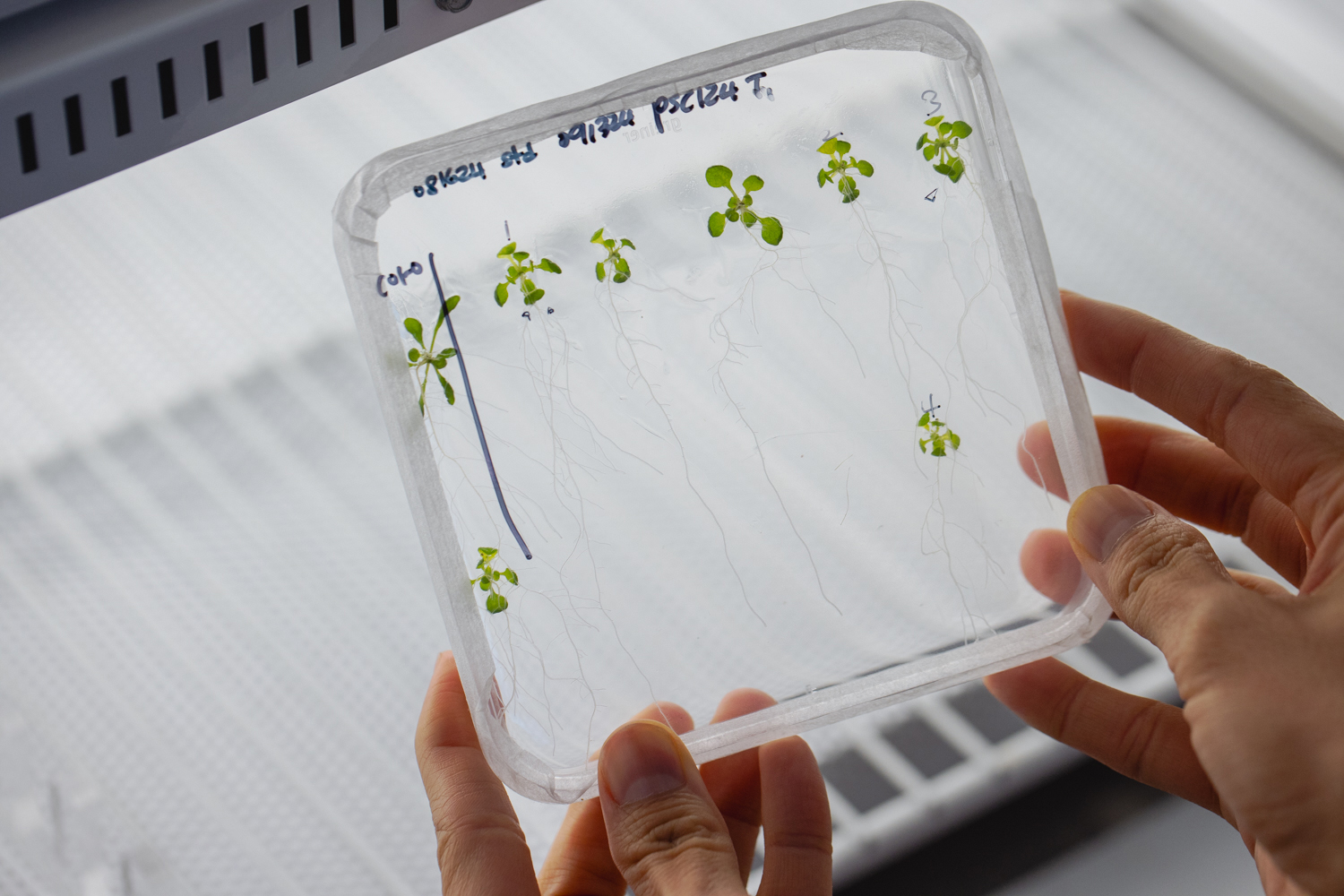
The Brophy Lab is altering the response to a hormone that awakens and deploys a natural defense compound within plants. | Andrew Brodhead
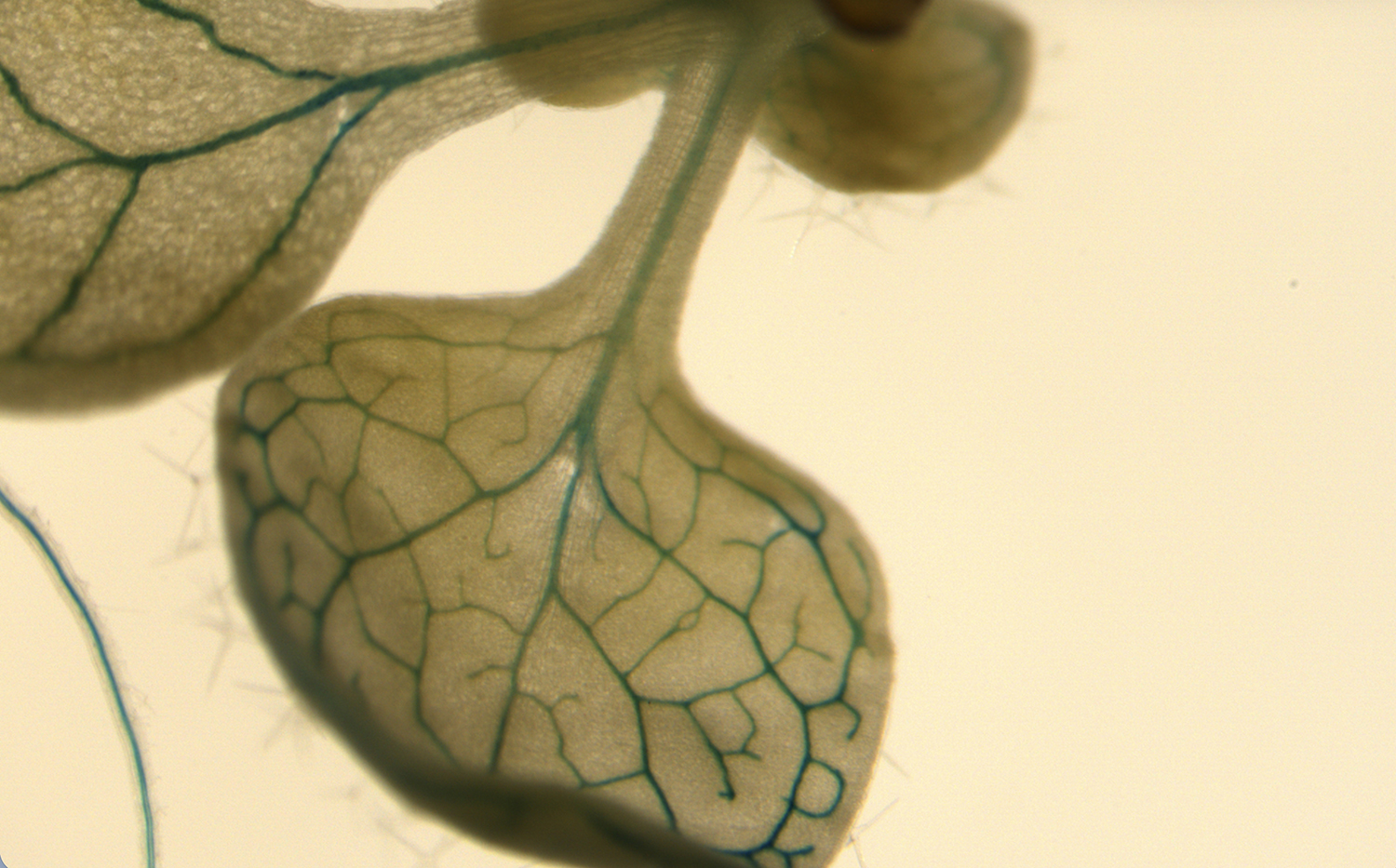
Branching veins of a model plant are stained blue, indicating the expression of the defense gene that Brophy's team is targeting. | Jennifer Brophy Lab
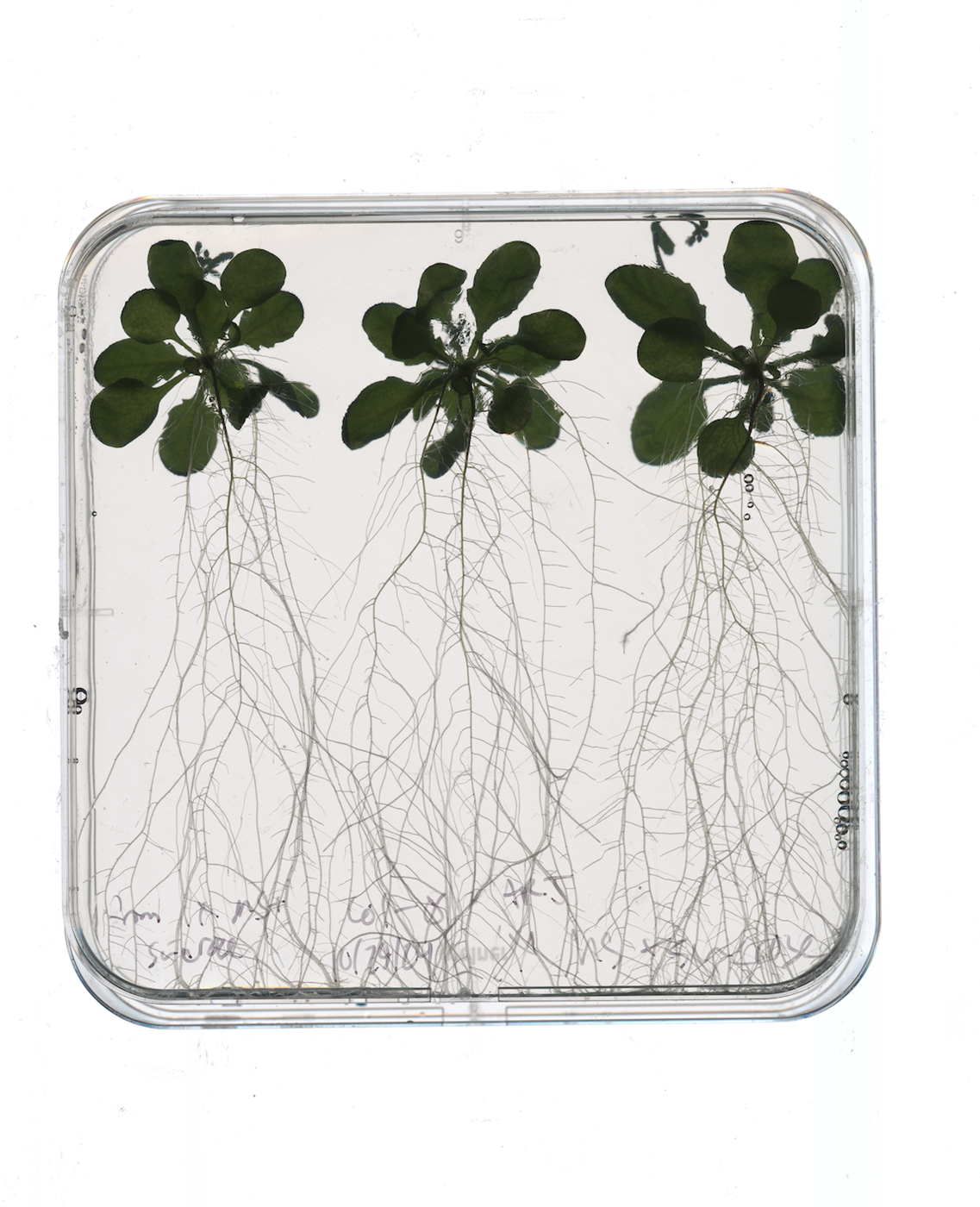
In the lab, Brophy’s team monitors the root growth of altered model plants. “Root length is a proxy for how healthy the plant is,” Brophy says. | Jennifer Brophy Lab
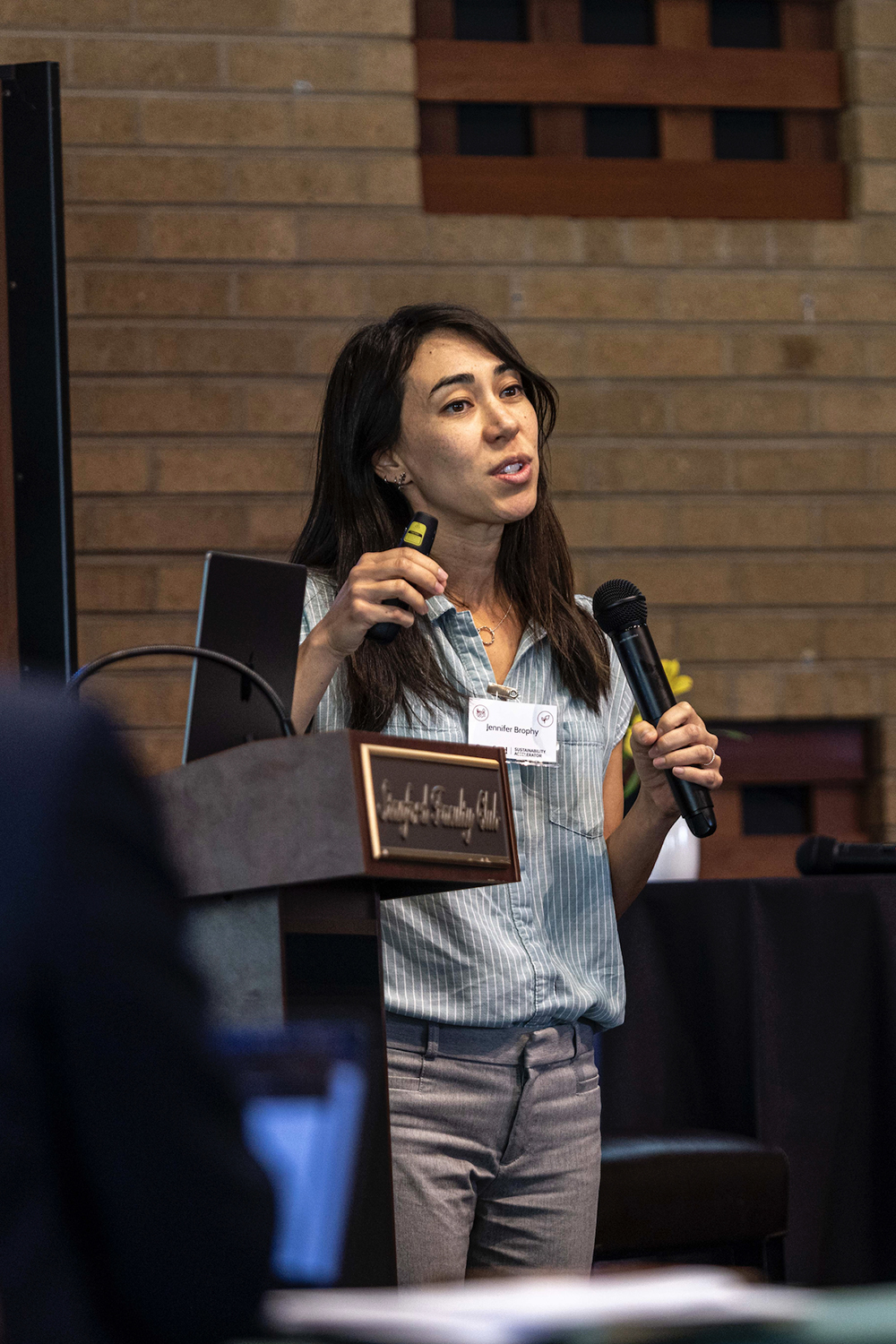
Brophy presents her team’s work during an October 2025 event showcasing Accelerator-supported projects in food, agriculture, and biological solutions. | Daniel Beck
Farmers currently spend billions of dollars each year on pesticides to protect crop yields. “What if plants could make more ‘good’ chemicals?” Brophy said during a presentation at an October 2025 event organized by the Accelerator to showcase innovations in food, agriculture, and synthetic biology for academics, investors, and representatives from industry and government.
When an insect snacks on a plant, it triggers a cascade of chemical signals to ward off the six-legged offender. Each bite stimulates the production of a hormone that awakens and deploys several of the plant’s natural defense compounds.
Chief among them is a compound known as glucobrassicin that tastes bitter to insects. It also stunts the plant’s growth. Supported by the Accelerator grant, Brophy and a team of researchers are looking to resolve this growth-defense tradeoff through synthetic biology.
“People have tried boosting glucobrassicin before, but it was by changing gene expression across the whole plant,” said Brophy. “For the first time, we’re increasing this chemical only in specialized cell types, so the plant keeps growing while becoming less appetizing to insects.”
While at the Accelerator event last fall, Brophy connected with representatives from the agriculture industry to discuss her ideas. Those conversations influenced Brophy’s understanding of where and how her research could be applied outside academia.
Initially, Brophy planned to increase glucobrassicin levels in crops grown for food, such as broccoli. However, after talking with a commercial seed company at the event, she realized that her research would be better applied to cover crops, which are plant species grown to improve the chances of a successful harvest of cash crops such as corn and soybeans. Keeping cover crops healthy makes them more effective at controlling soil erosion and retaining moisture, supporting higher and more reliable yields of staples grown for food.
These helper species can suppress weeds, concentrate soil nutrients, and attract pollinators, among other benefits to cash crops and the environment, including increased nitrogen fixation and carbon storage. However, recent analyses have shown that cover crops don’t always improve cash crop yields, as the practice requires timely planting and conditions, among other factors. Making cover crops more resilient to insect pests could mitigate some of the risks associated with their adoption.
“Connecting with people who think about agriculture every day made this research feel a lot more real than it had previously,” said Brophy of the pivot from cash crops to cover crops. “Brainstorming how these technologies might be applied outside of the academic world was invaluable.”
For more information
Jennifer Brophy is an assistant professor of bioengineering and a member of Stanford Bio-X. Other Accelerator project team members include Elizabeth Sattely, an associate professor of chemical engineering and a member of Stanford Bio-X; Arielle Johnson, a postdoctoral scholar in bioengineering; and Sarah Niehs, a postdoctoral scholar in chemical engineering.
Foundational research for this project was supported by the Chan Zuckerberg Biohub.
This story was originally published by the Stanford Sustainability Accelerator, which is based in the Doerr School of Sustainability.
Writer
Katie Jewett