Milli-spinner

Andrew Brodhead
A tiny hollow tube with fins and slits, the milli-spinner rotates to shrink and suction blood clots without rupturing them. This device could significantly improve success rates in treating strokes, heart attacks, pulmonary embolisms, and other clot-related diseases.
Evo 2

Andrew Brodhead
Trained on data that includes all known living species – and a few extinct ones – the AI tool Evo 2 can design DNA and RNA sequences and proteins, and predict how they will function. Evo 2 could help researchers better understand mutations and disease, and develop novel medical treatments.
Twisted-light qubits

Antony Georgiadis
Qubits are the fundamental building blocks of quantum communication and computation. While most quantum systems require supercool environments, this new device uses twisted light to entangle electrons, creating qubits at room temperature.
Vera C. Rubin Observatory

Hernan Stockebrand
A bold early investment helped bring the NSF–DOE Vera C. Rubin Observatory from a risky idea to a powerful new telescope. Its surveys of the southern sky could transform astronomy by capturing an unprecedented, dynamic view of the universe.
Moiré materials research
Fawn Hallenbeck
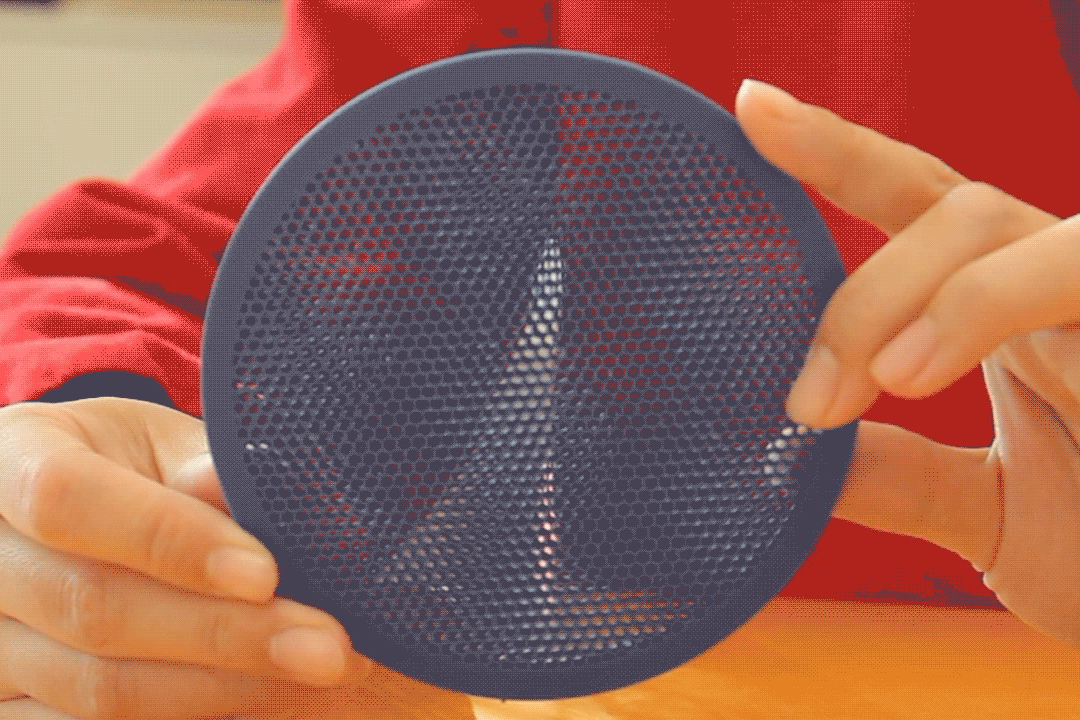
Researchers used ultrafast science to see how light twists atomic layers in moiré materials, which are known for their unusual rotation-based patterns. Studying this light-triggered twisting – at the superfast and atomic levels – could lead to advances in superconductivity, magnetism, and quantum electronics.
AI earthquake discovery
Xing Tan
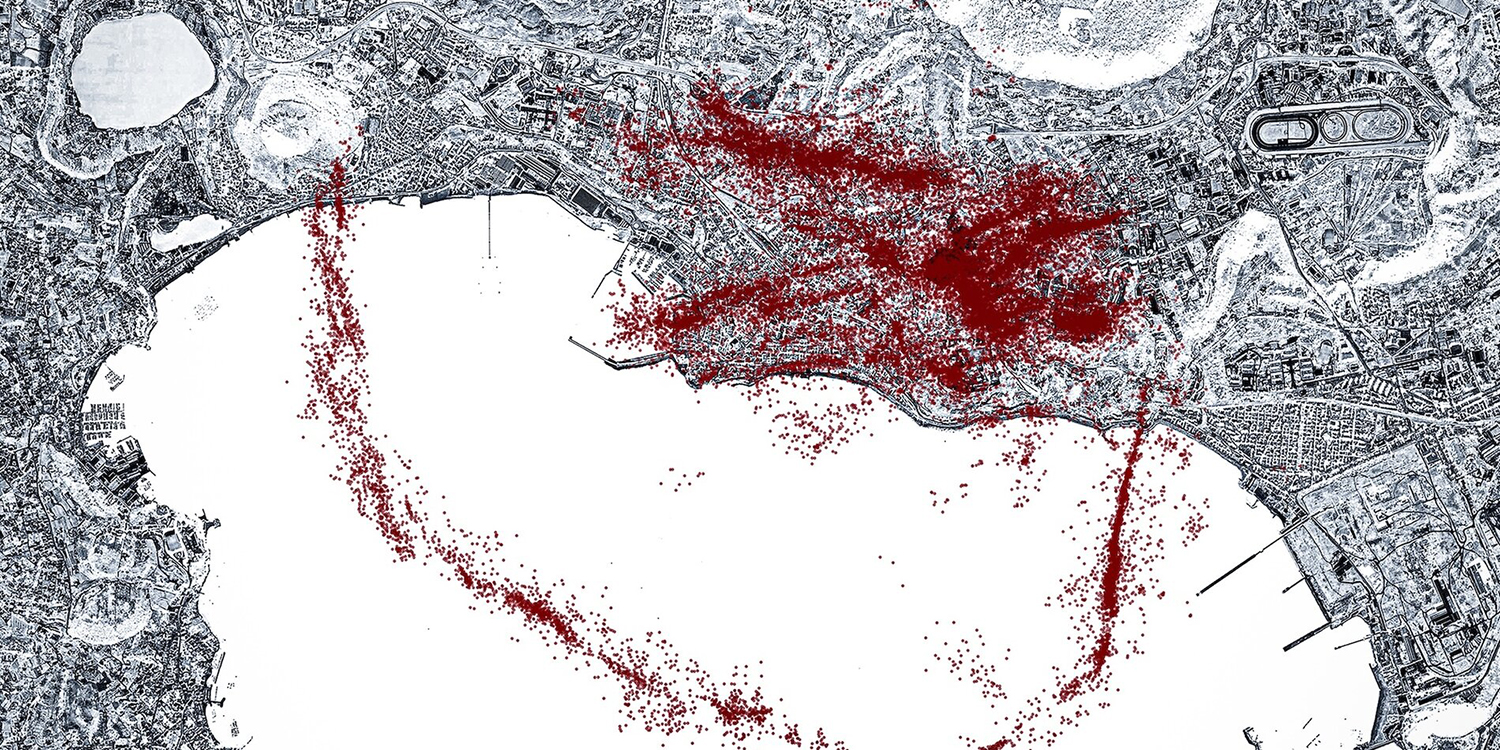
A new AI model that revealed thousands of previously undetected earthquakes and hidden faults beneath Italy could improve monitoring of earthquake risk and volcanic unrest.
Wastewater filtration beads
Eric Appel lab
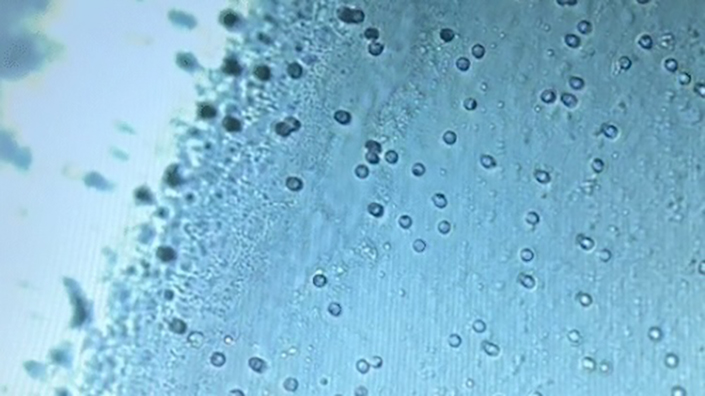
Porous beads acting like a coffee filter can remove contaminants from wastewater while recovering valuable products, like ammonia for fertilizer. This approach could make water treatment cheaper, more efficient, and even profitable.
Smoke-sensing network

Philipe Roberge
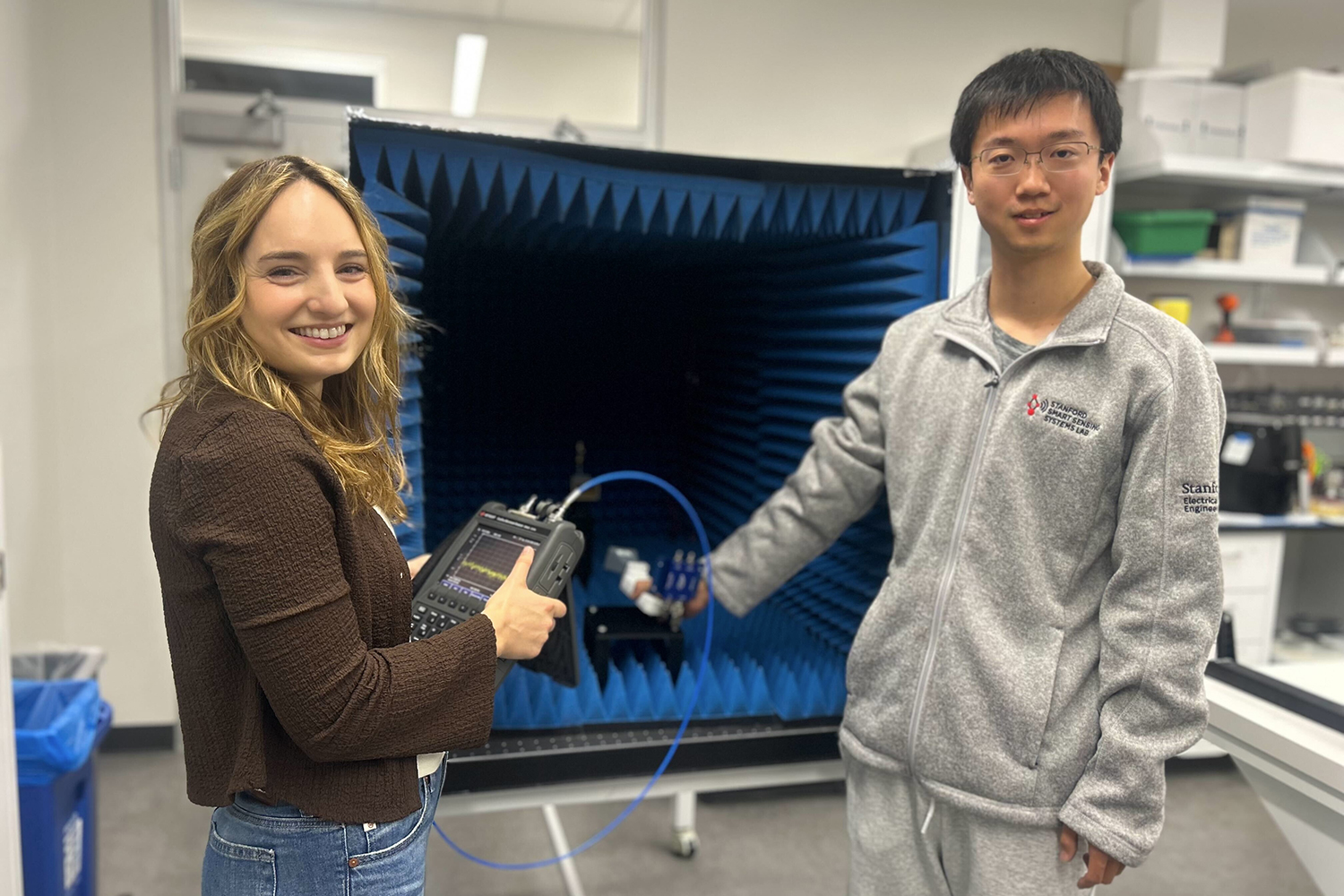
Stanford Radio Club students helped researchers customize smoke sensors to enhance air quality monitoring during prescribed burns at Jasper Ridge Biological Preserve ('Ootchamin 'Ooyakma). This work could help fire managers optimize prescribed burns and increase knowledge about the effects on nearby communities.
Corn root research
LiPo Ching
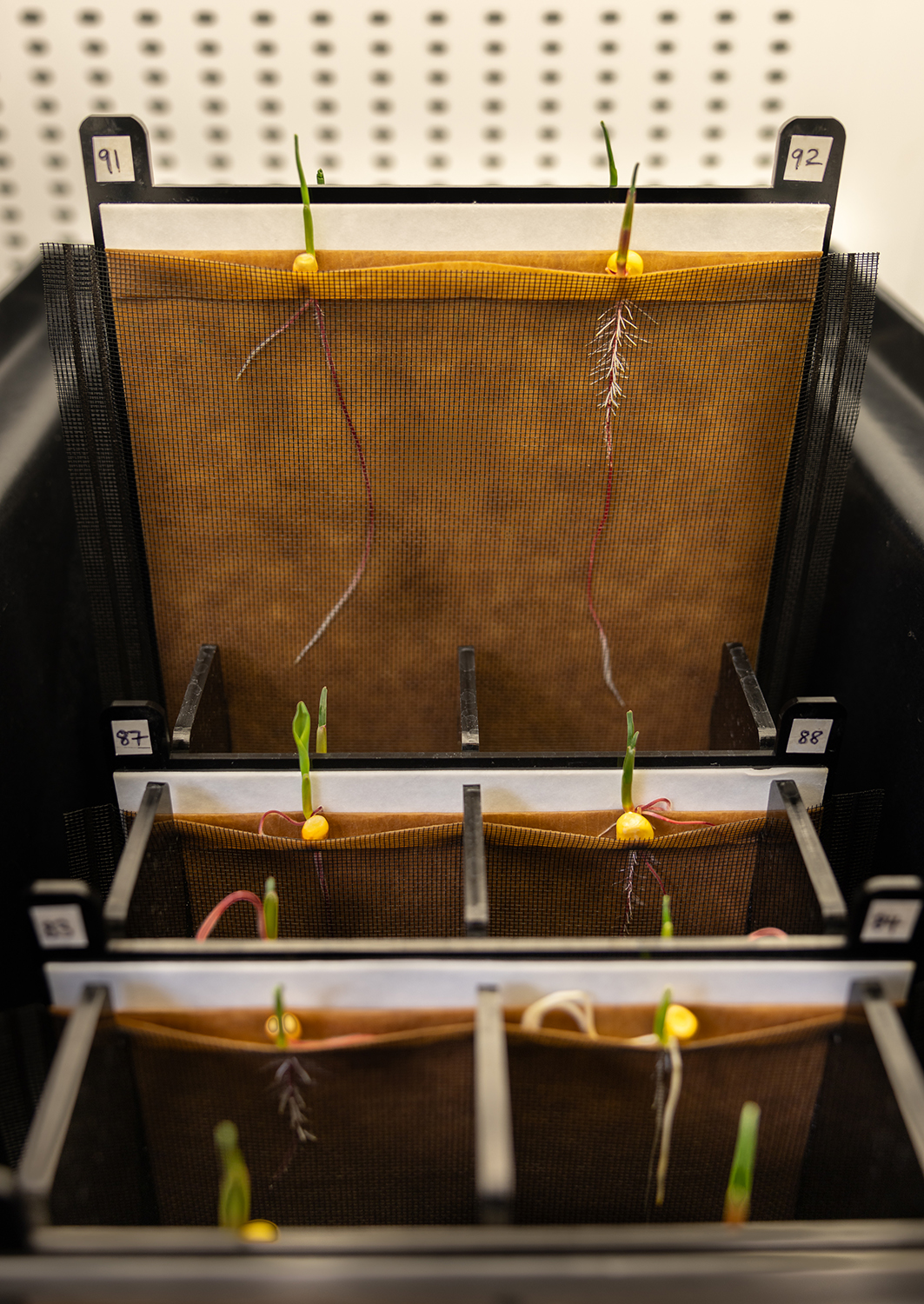
As climate change intensifies droughts, researchers have identified a potential way to improve corn resilience, finding that U.S. varieties differ widely in their water-seeking ability and uncovering a plant hormone that guides roots toward water.
Electro-LEV
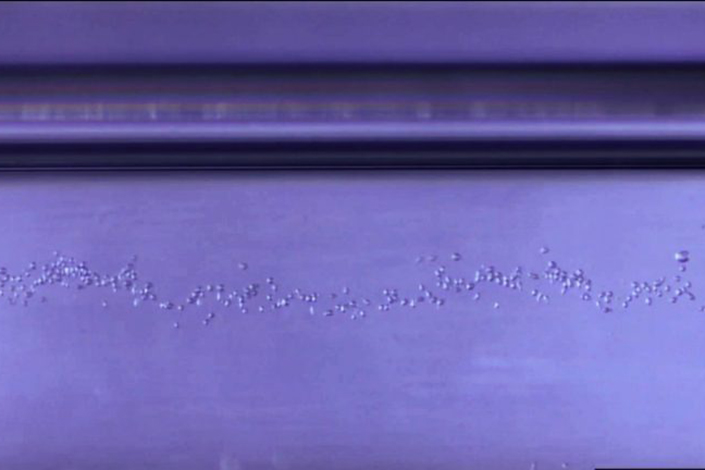
Courtesy Durmus Lab
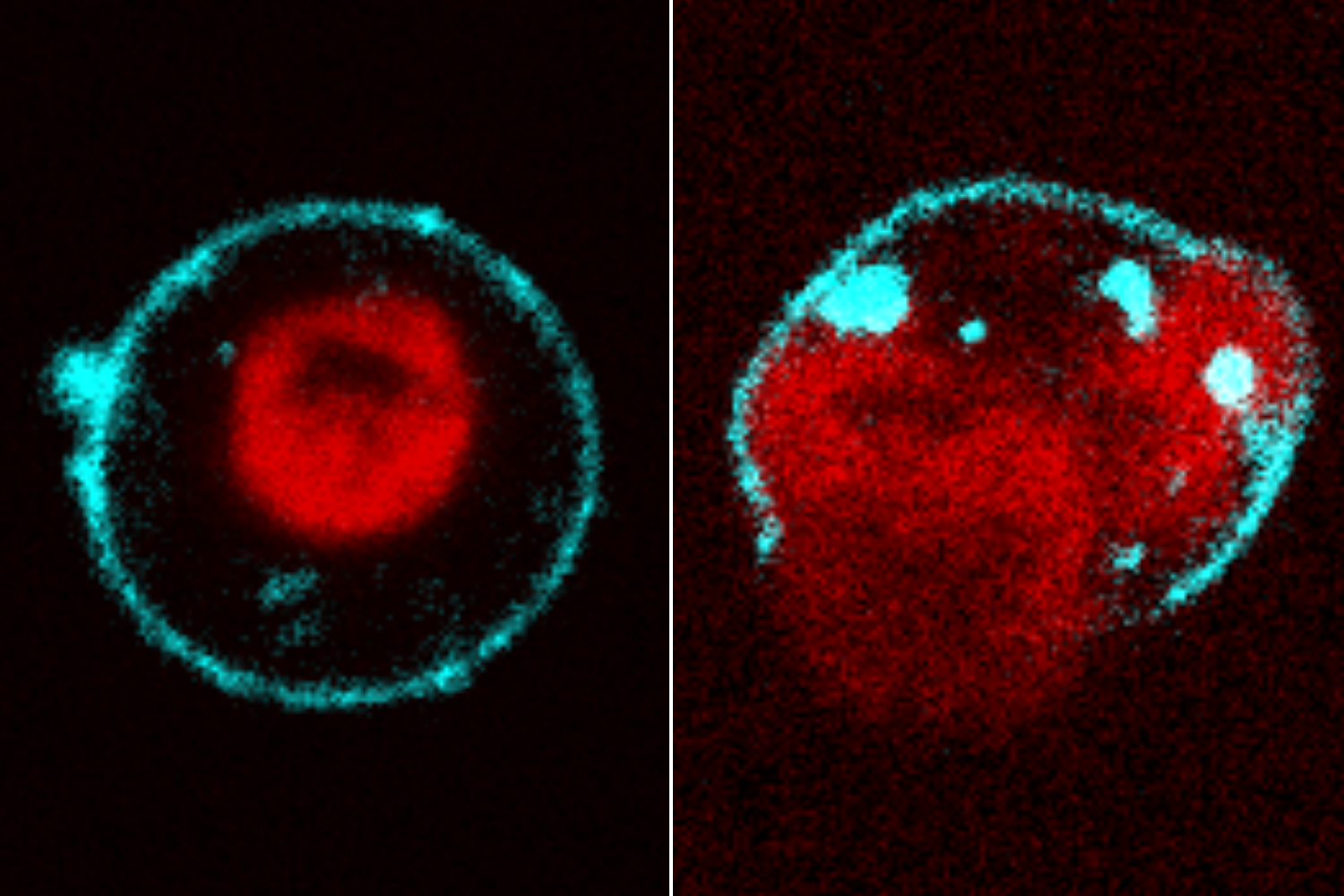
The Electro-LEV sorts cells by levitating them. The system could enhance cancer research and even guide microrobots. (Discover more 2025 innovations from the School of Medicine.)
Pix4D landscape modeling
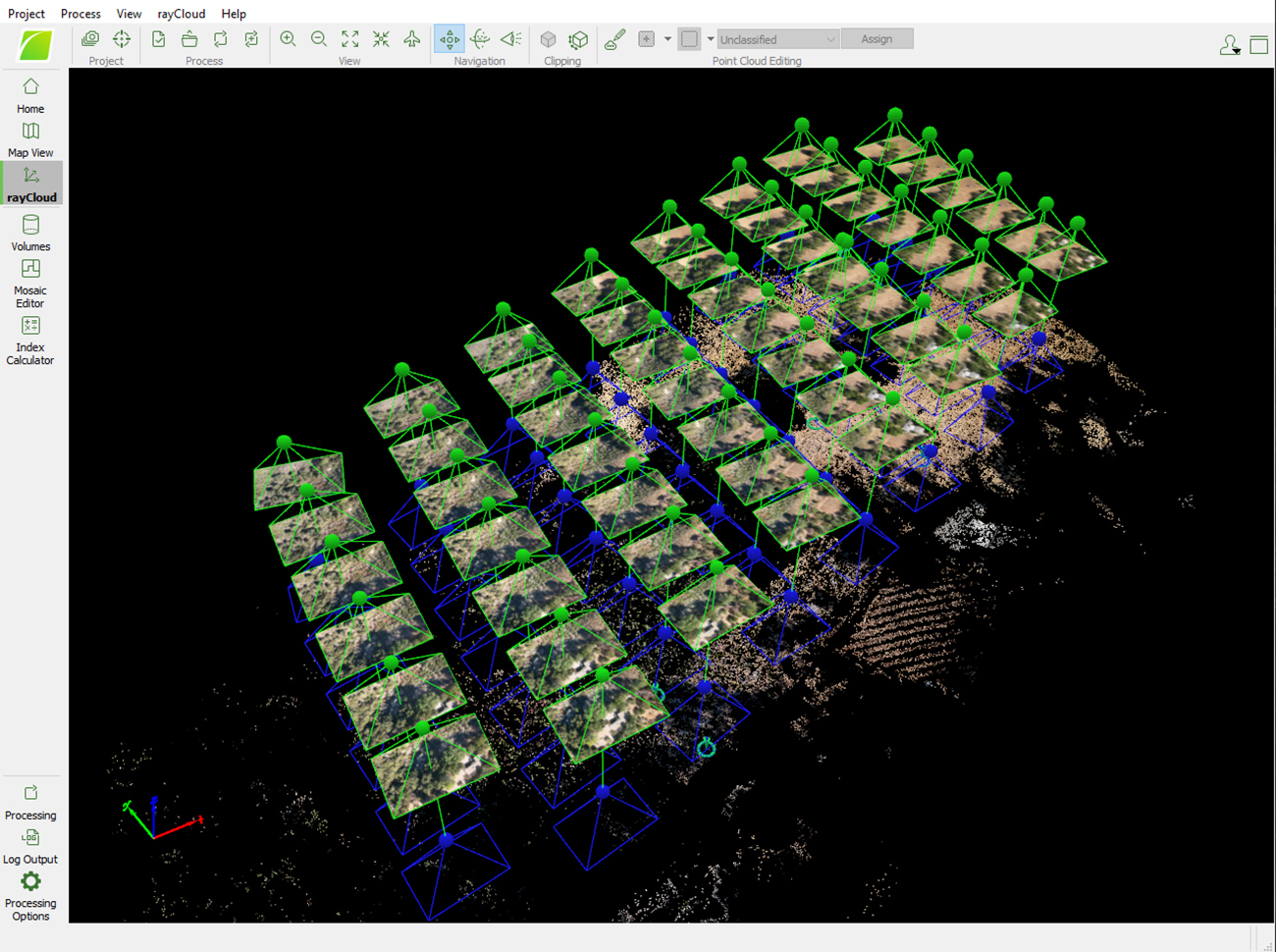
Courtesy Trevor Hébert
Pix4D photogrammetry software combines drone altitude, GPS coordinates, and camera lens characteristics to generate 3D landscape models with accurate distance and compass directions. Researchers at Jasper Ridge are using this and other innovations to study landscape changes and ecological recovery.
Writers
Cassidy Beach
Taylor Kubota