


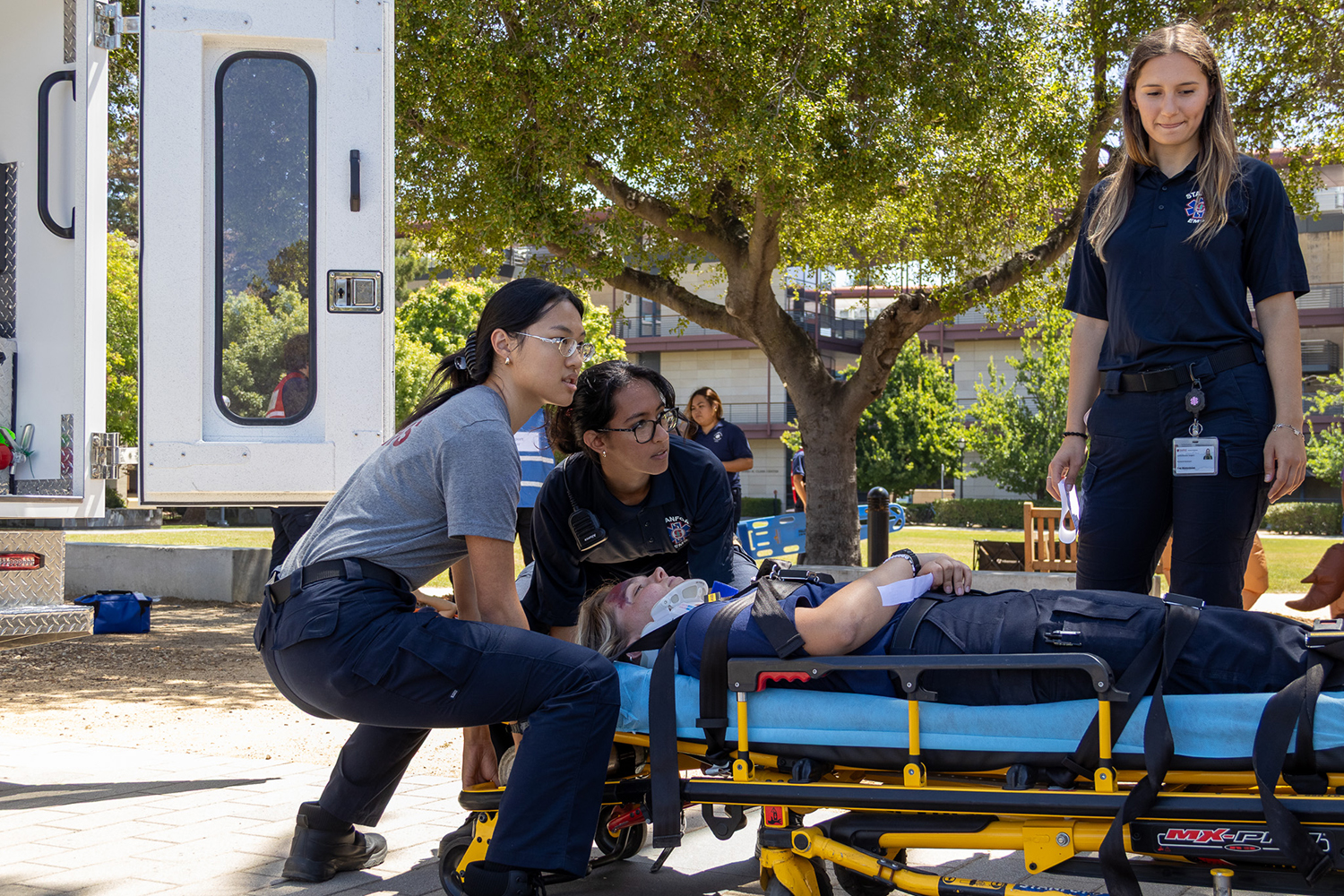
On shift with Stanford’s student EMTs
News
Student-led Stanford Emergency Medical Services provides care at campus events while providing members with hands-on experience, mentorship, and leadership opportunities.
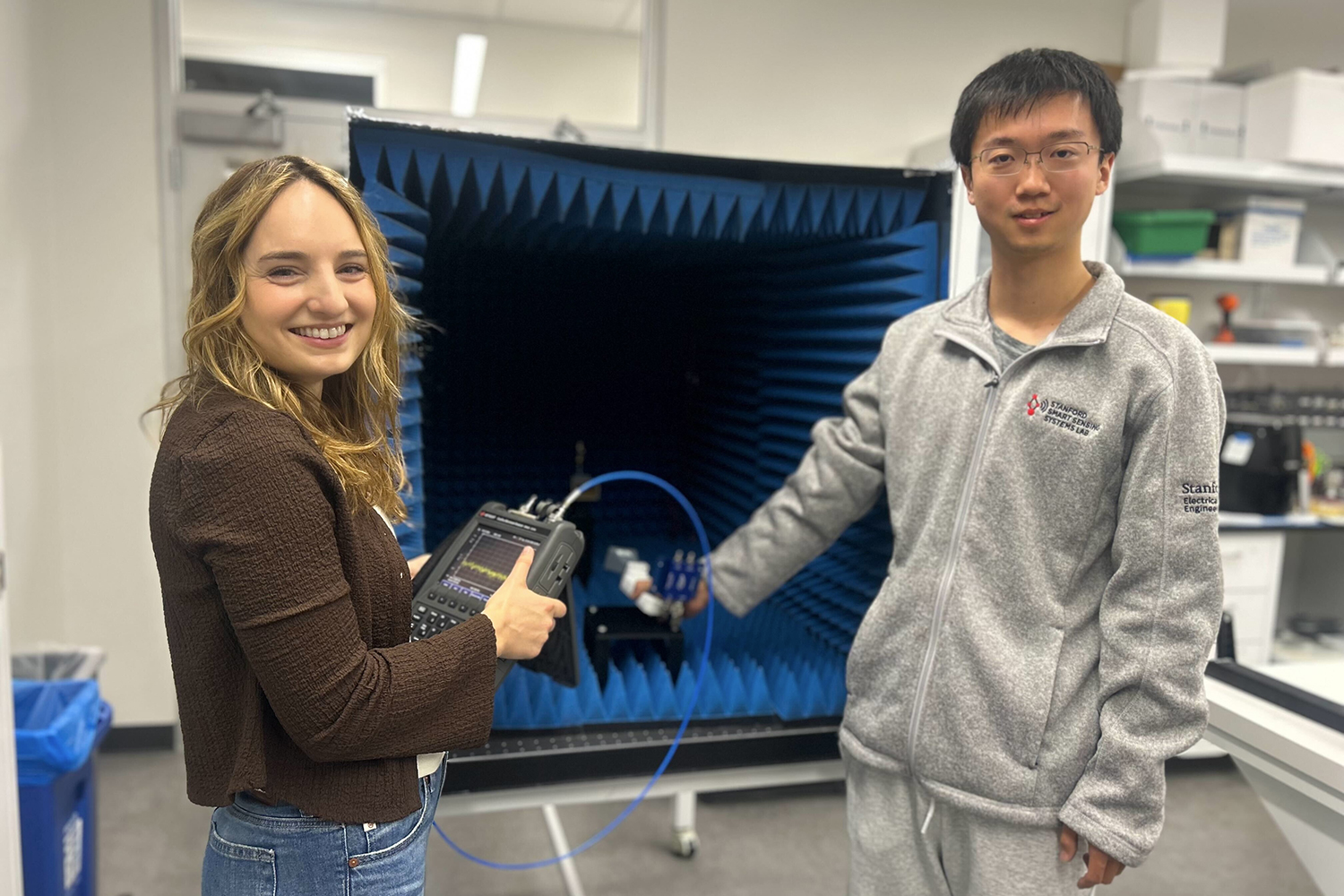
Thermal noise used to send data without an active signal
Research
In a new paper, Stanford engineers detail how to harness the vibrations of electrons to relay data without needing an energy-intensive signal carrier.
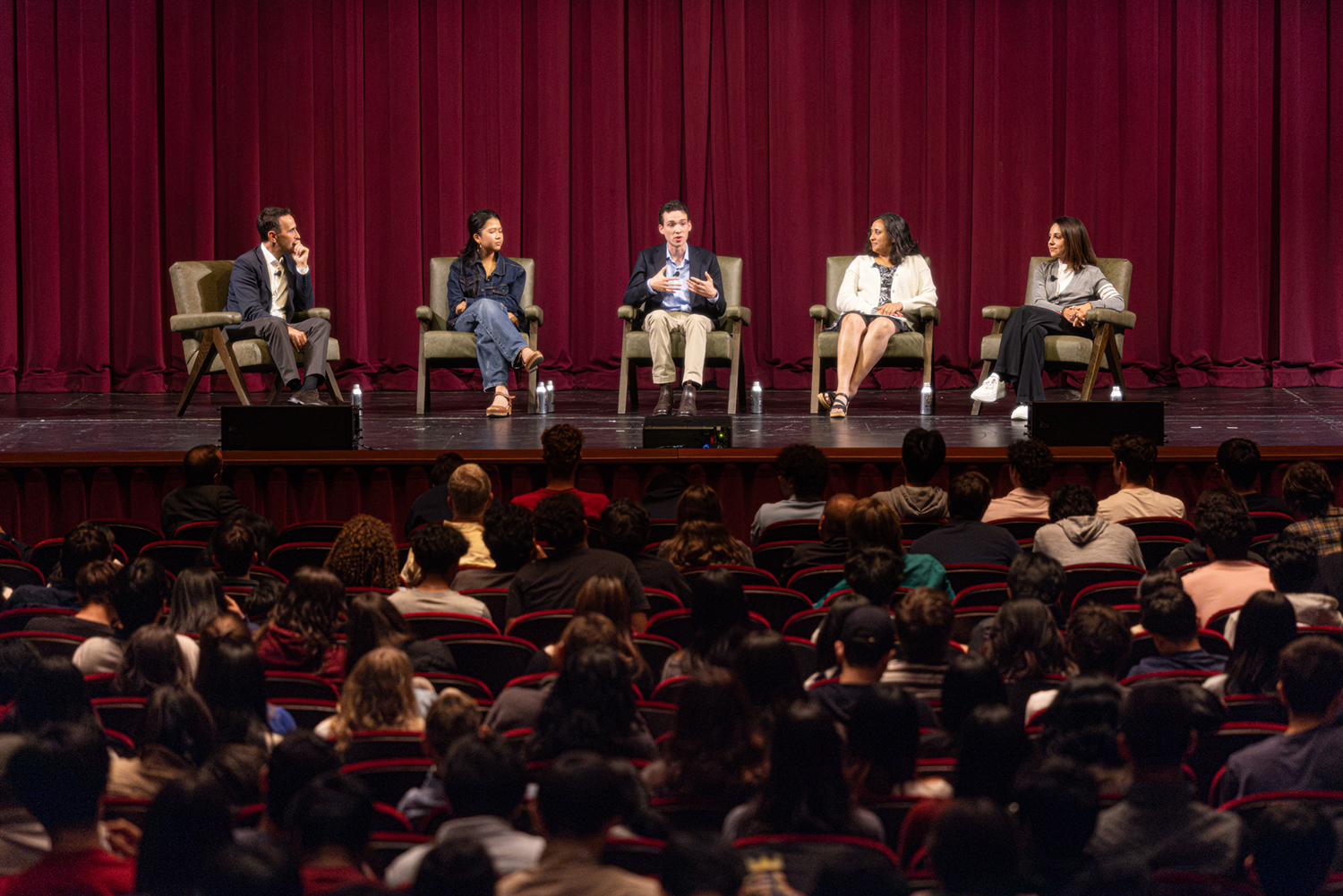
Panel explores what makes a good life
Event
At a panel for Why College? Your Education and the Good Life, students and campus leaders explored how choices about time, learning, and relationships can shape a life well lived.
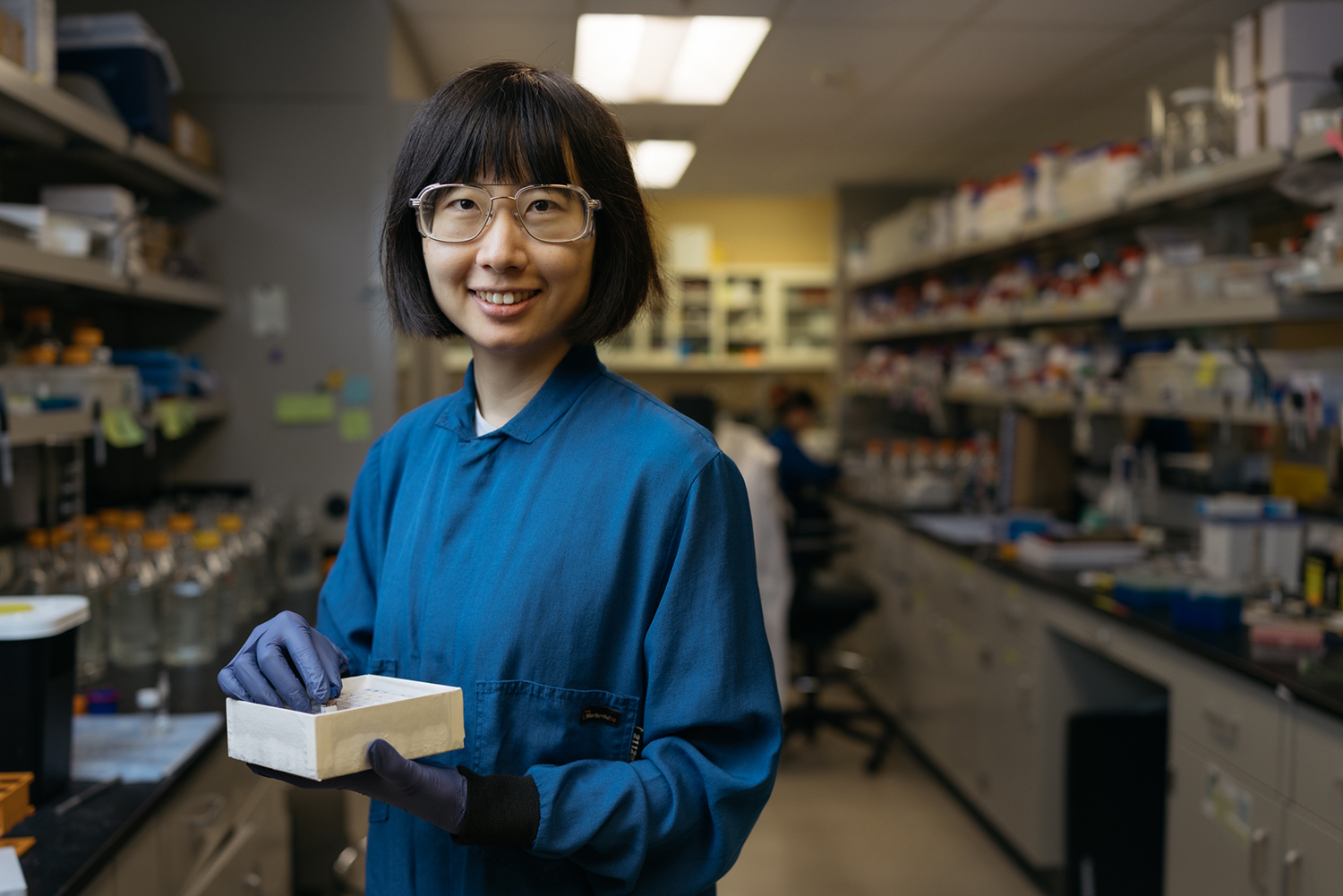
‘We live in a chemical world’
Profile
Nina Zhao is working to map the drugs, pesticides, and pollutants we encounter in daily life – often unknowingly – and to understand how they shape human and ecosystem health.
Satellites detect methane emissions in large-scale test
Research
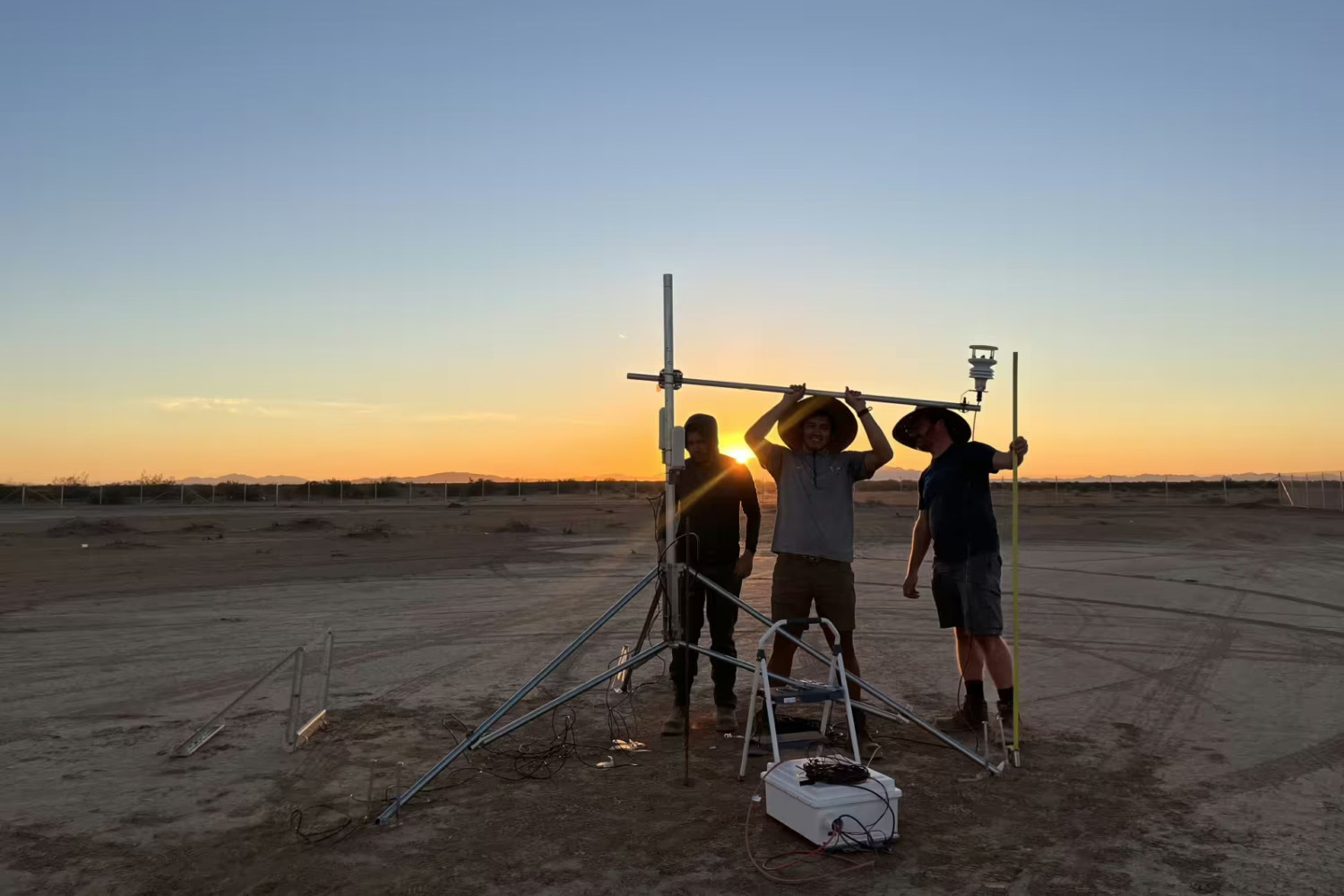
In a yearlong experiment, satellites designed to monitor methane detected 92-100% of controlled releases on clear days. The results could inform efforts to identify major methane sources and reduce emissions.
Commons at Campus Center advances toward construction
News
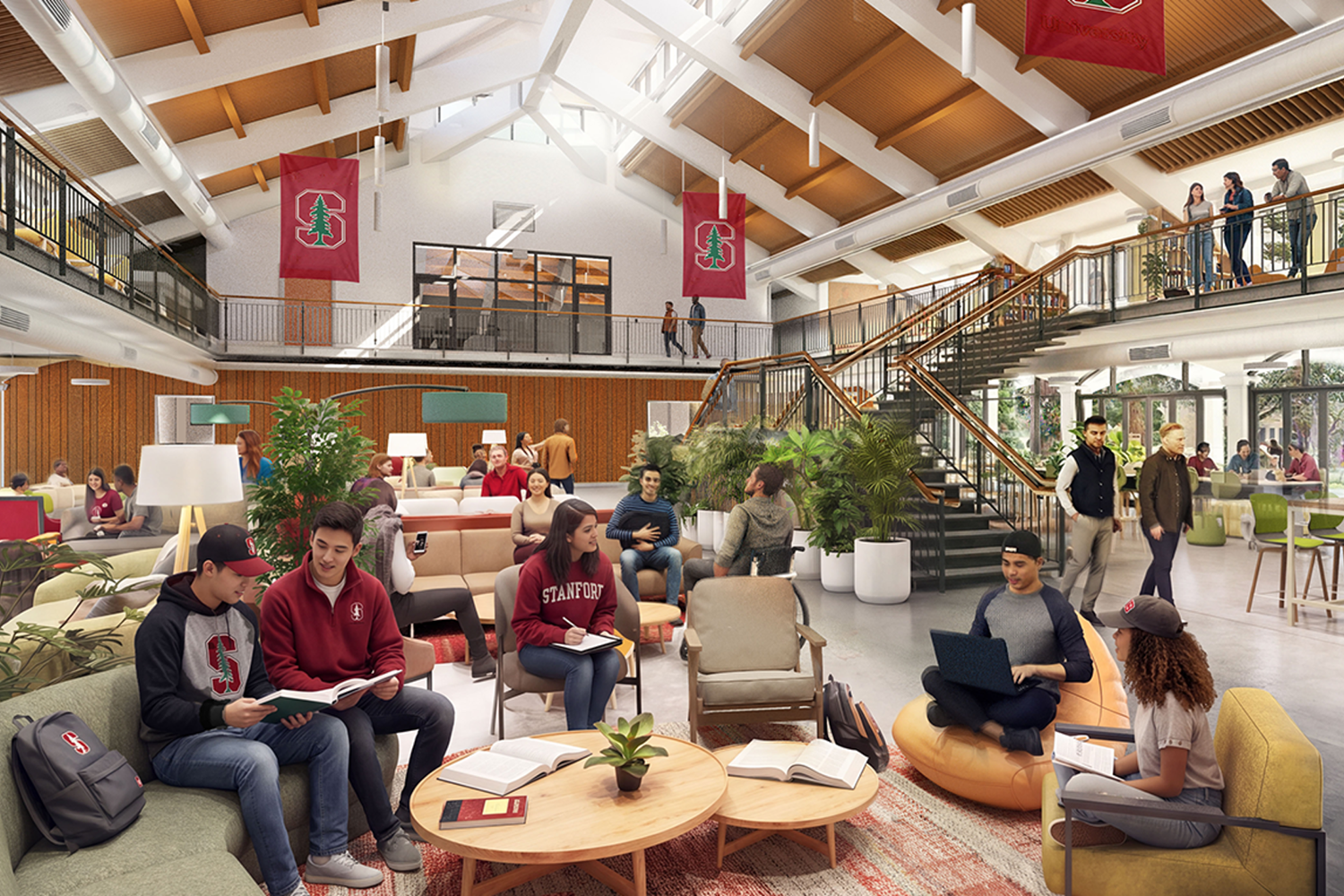
Detailed designs for new gathering spaces at the heart of campus have been approved, while interim improvements and activities are creating more opportunities for students to connect now.
Programs help faculty strengthen their advising skills
News
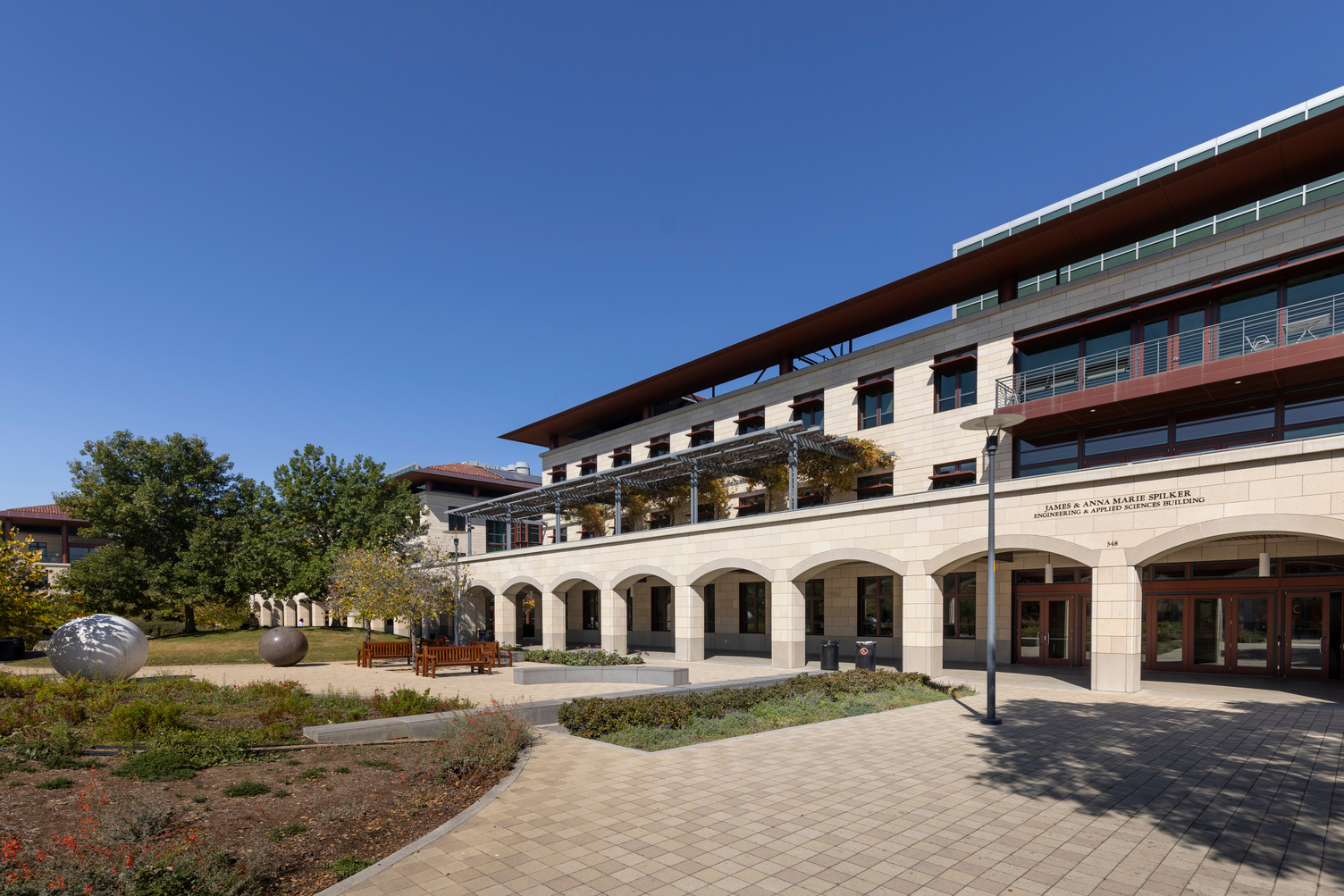
A series of lunchtime workshops offer practice in setting expectations, giving feedback, and building understanding with students.
New dataset reveals how genes work together in immune cells
Research
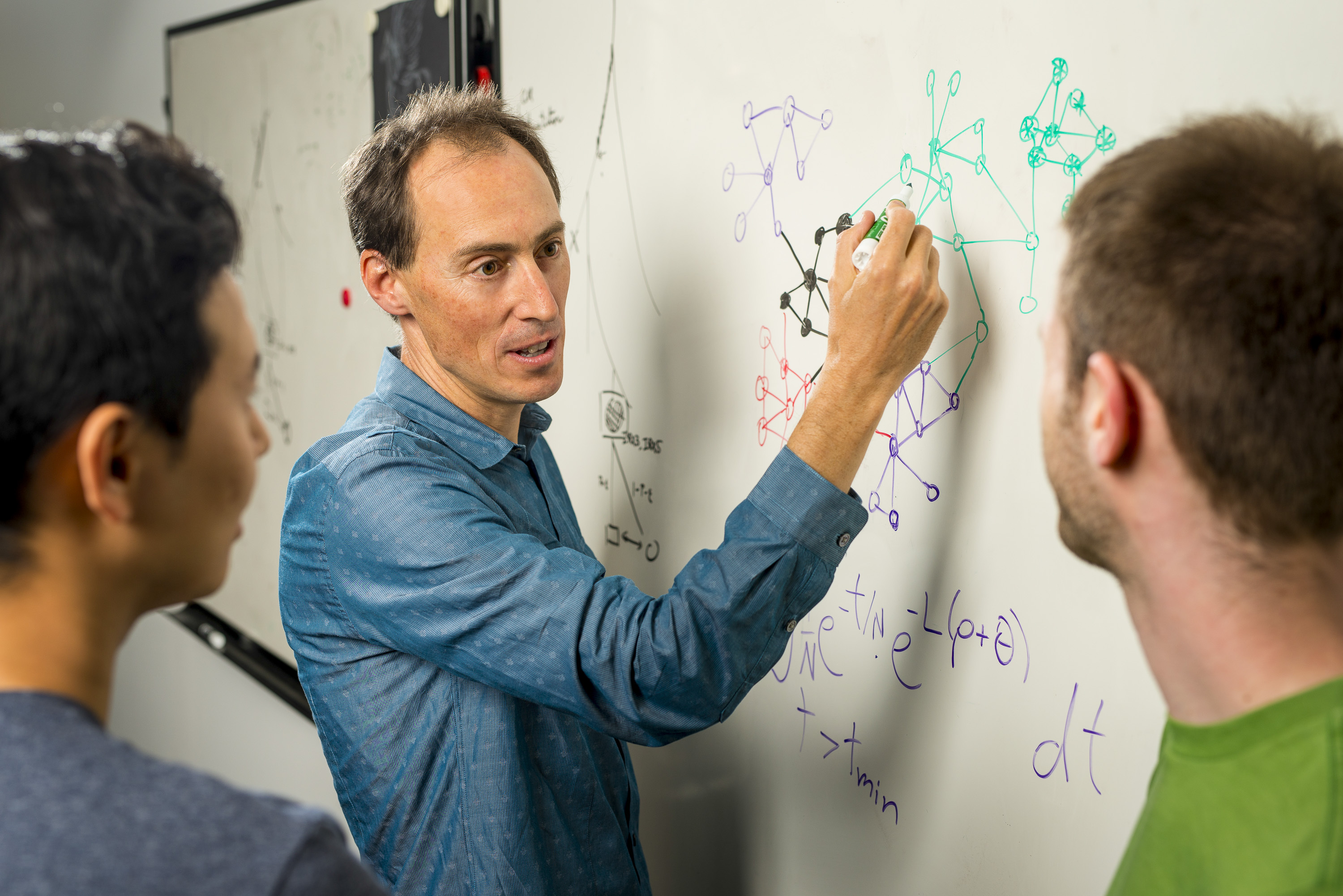
A large-scale study of gene activity in immune cells could help researchers identify potential targets for treating autoimmune diseases.
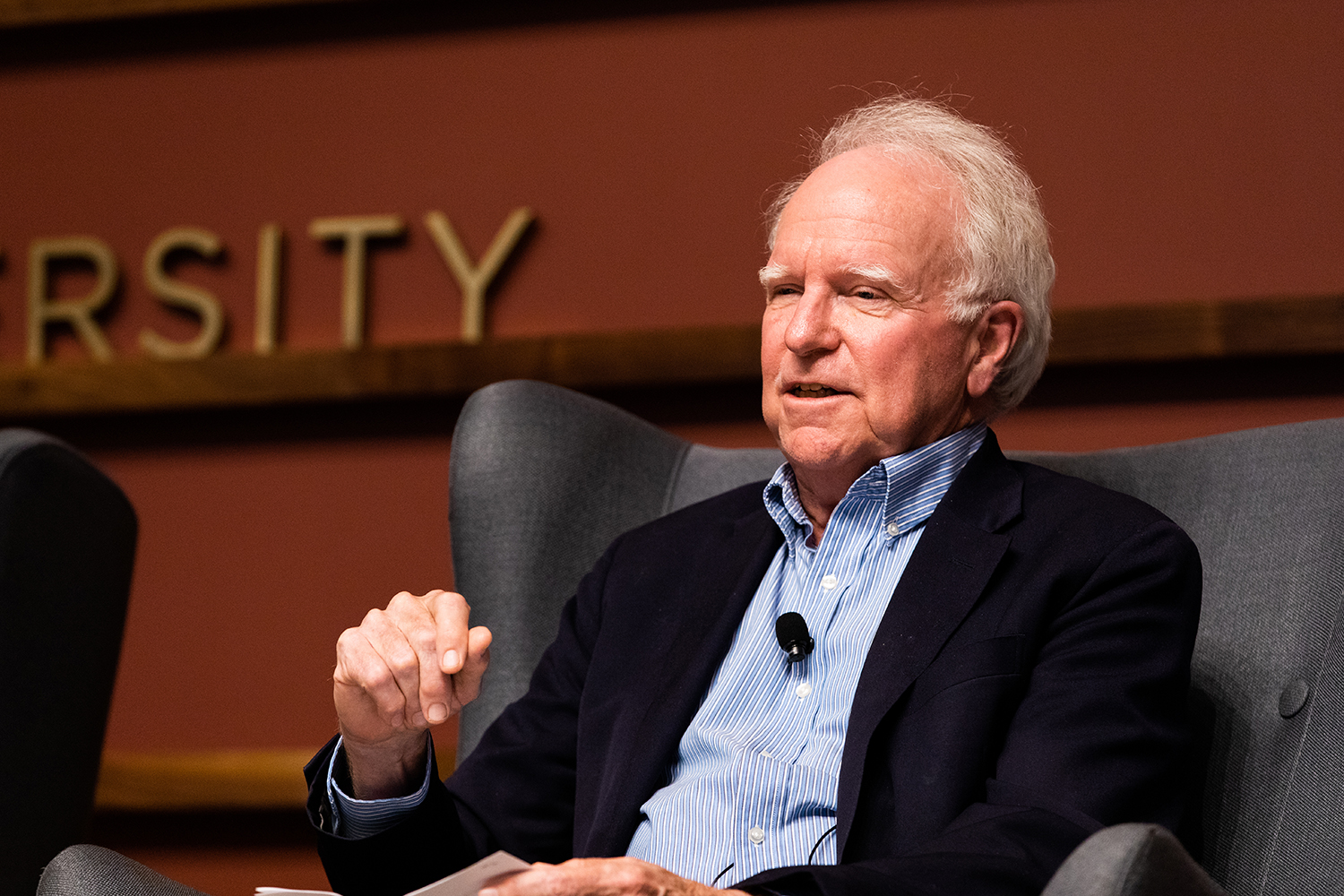
Robert E. Hall wins Nobel Memorial Prize in Economic Sciences
News
The professor of economics and senior fellow at the Hoover Institution, emeritus, developed models that help governments and central banks respond to economic volatility.

Tool explores what it means to be an effective citizen
News
An interactive quiz developed by scholars at Stanford’s Hoover Institution helps participants understand their civic identity and values, free from political labels and partisanship.

Report of the president: Academic Council Professoriate appointments
News
The following Academic Council Professoriate appointments, promotions, and reappointments were reviewed by the Advisory Board of the Academic Council in June, July, and August 2026 and were approved by the president.
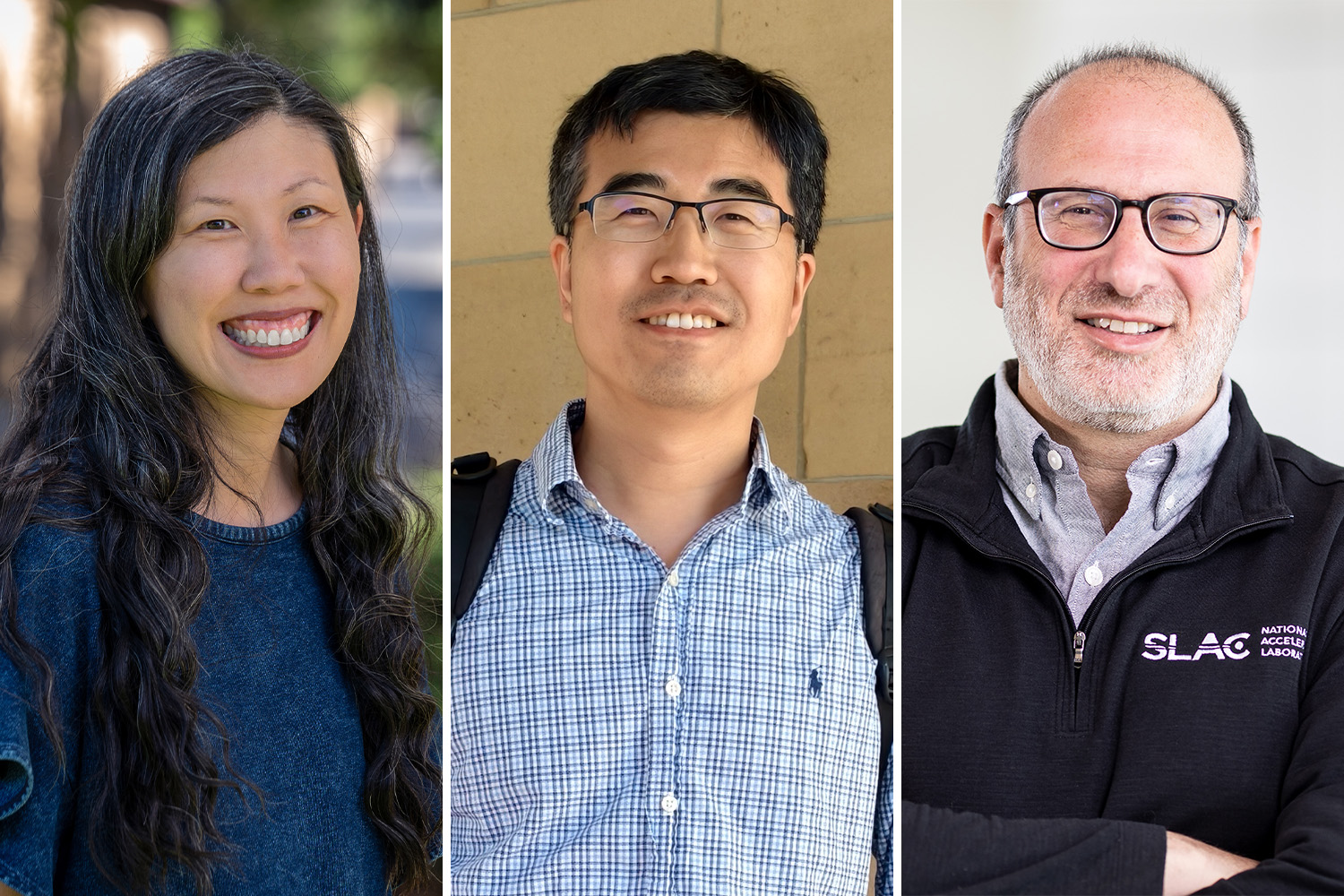
Three Stanford faculty named American Physical Society Fellows
News
Wendy Mao, Xiao-Liang Qi, and Alberto Salleo have been honored for work in compressed-matter physics, quantum many-body systems, and organic and polymer electronic materials.