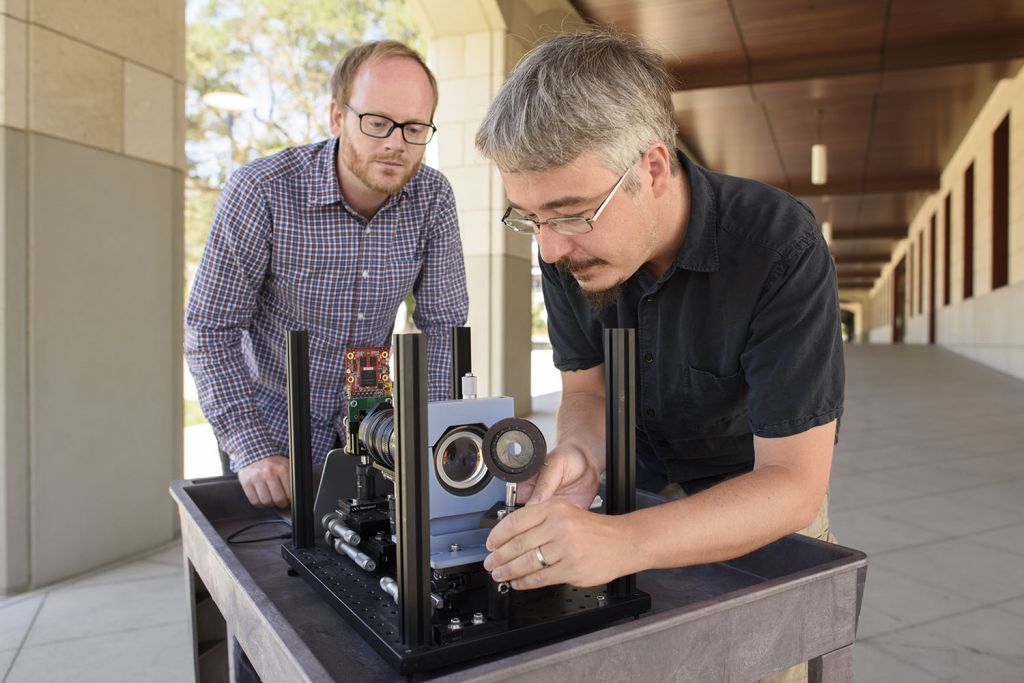
How self-driving cars became reality – and what comes next
Science & EngineeringQ&A
Driverless cars are no longer science fiction. A Stanford expert explains how we got here, while a look back traces the Stanford research that helped pave the way.
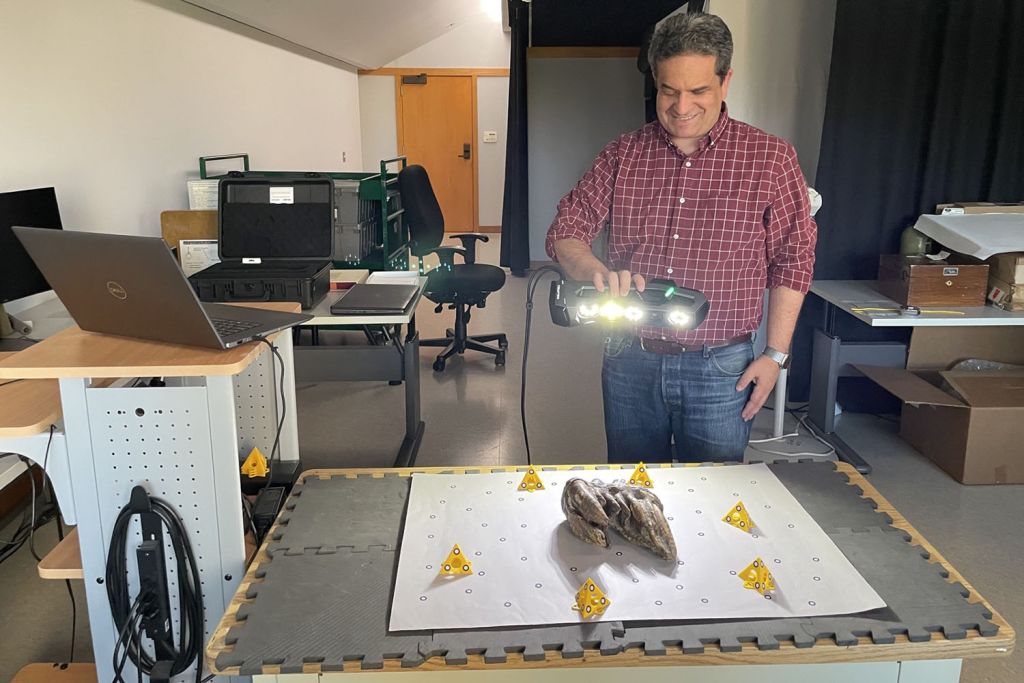
Pacific mastodon tooth offers glimpse into Ice Age past
Earth & ClimateNews
Stanford researchers are analyzing a rare, large fossil donated to the university, using carbon dating and 3D imaging to deepen understanding of Pleistocene species and Bay Area ecosystems.
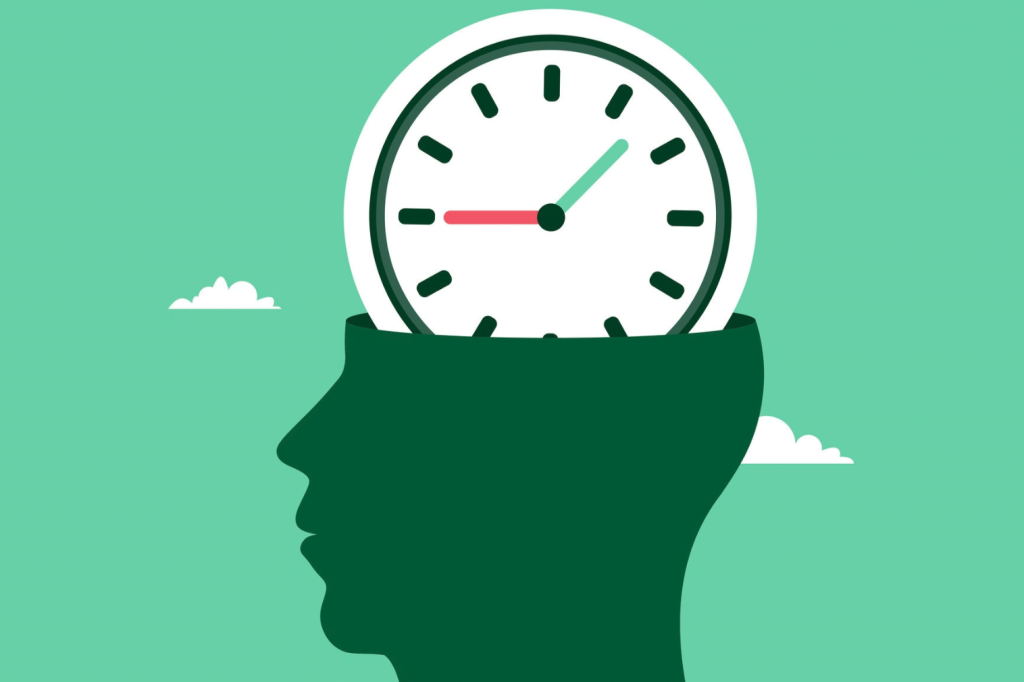
What biological age tests can – and can’t – tell you
Health & MedicineResearch
Stanford Medicine experts explain how biological age differs from chronological age, why test results vary, and what the numbers actually mean for your health.
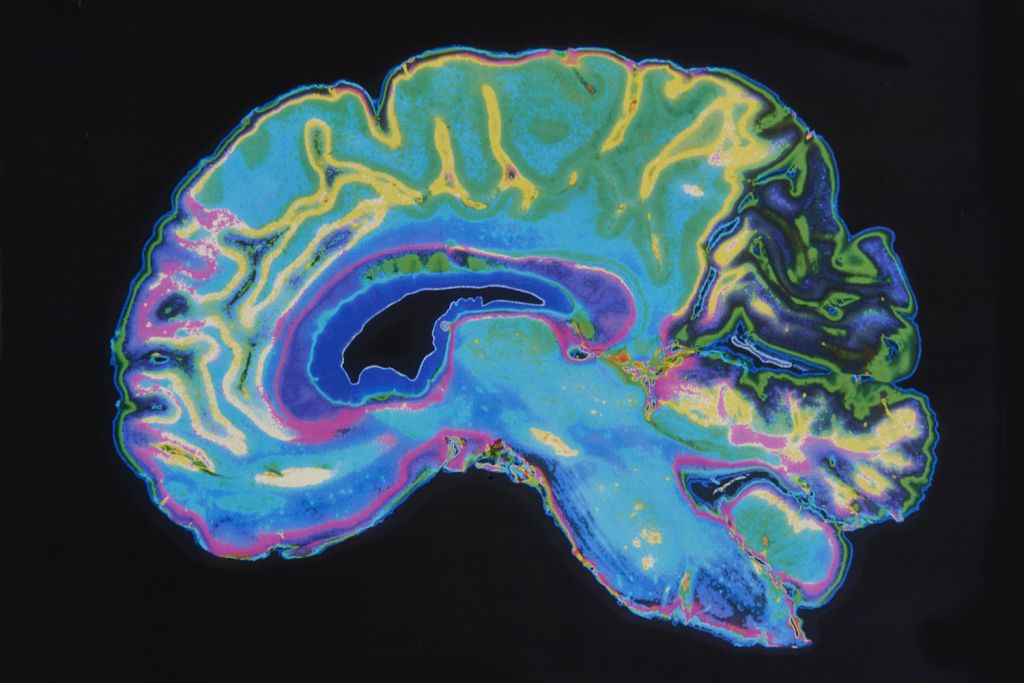
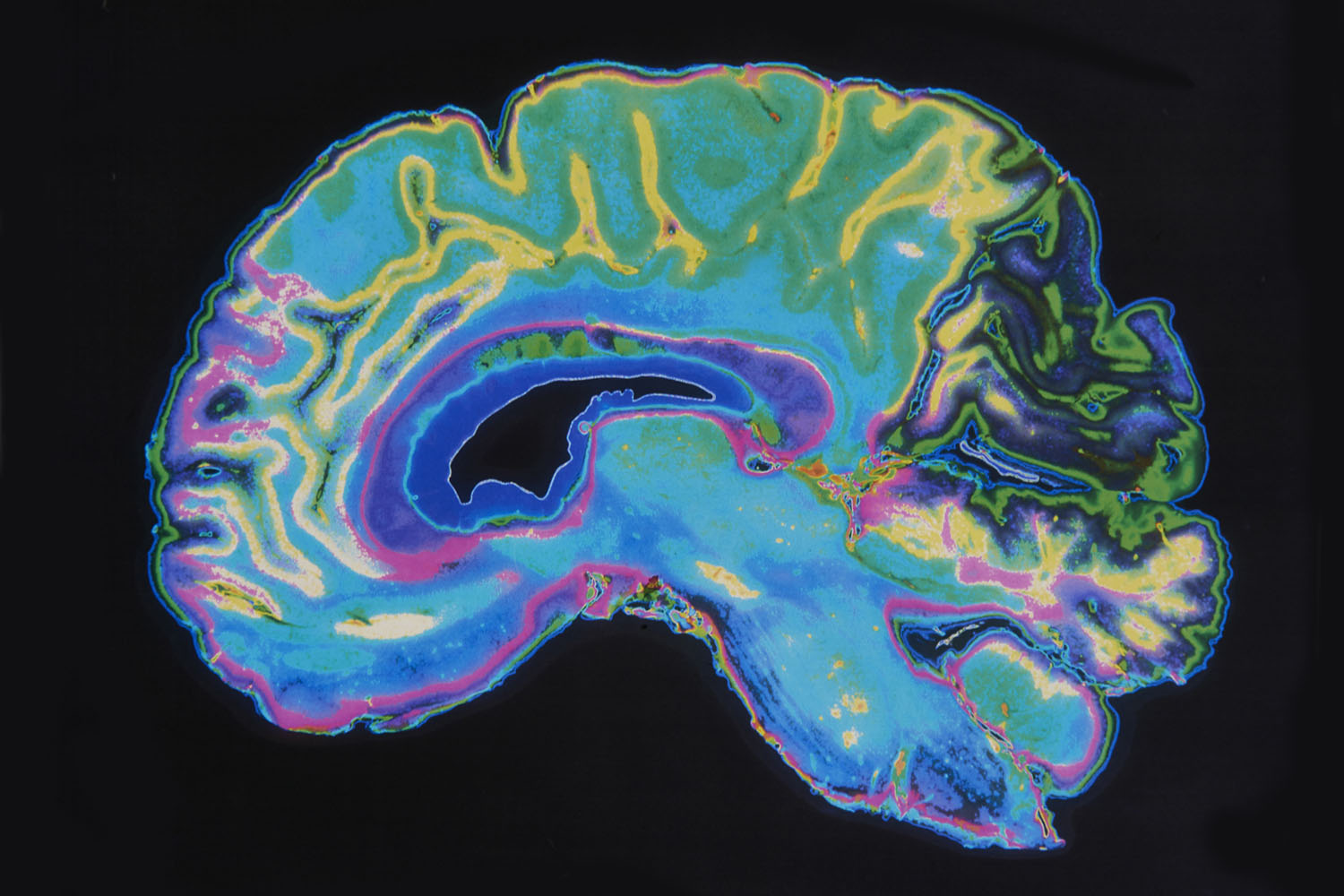
The human brain is two separate organs, study finds
Health & MedicineNews
Scientists have viewed the brain as one organ for centuries. A Stanford Medicine-led discovery challenging that view could advance research into ALS, spinal muscular atrophy, and other neurological diseases.
In the news
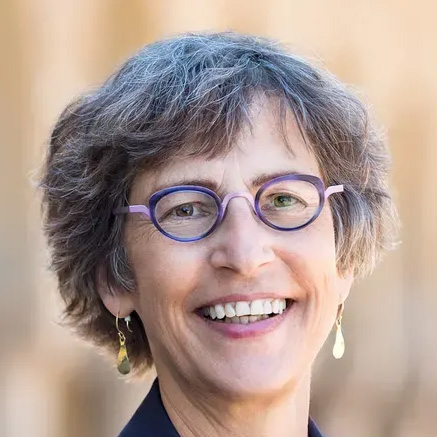
Markets don’t just distribute goods and services, they can shape our culture and they can shape us, in ways that sometimes we have a reason to care about.
Debra Satz, dean of the School of Humanities and Sciences, on the moral limits of markets and why some things should not be for sale.
Stanford team partners with youth on school air quality
A Stanford research team is helping youth-led nonprofit ConServe expand low-cost air-pollution monitoring at schools and in underserved communities.
Stanford lab using fungi to upcycle food waste
Vayu Hill-Maini, assistant professor of bioengineering, on how we can harness the power of fungi to transform food waste into new foods and beverages.
Research Matters
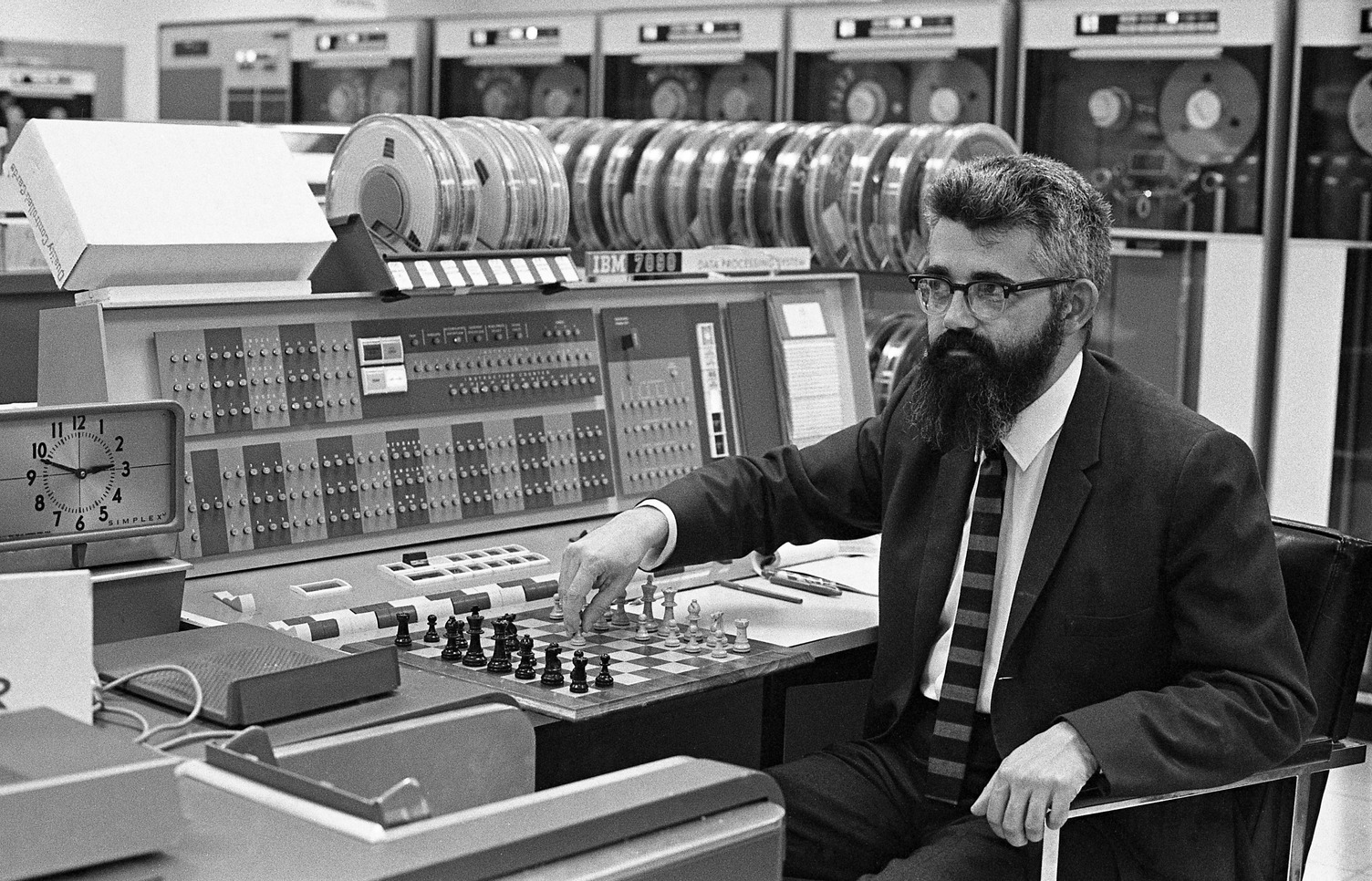
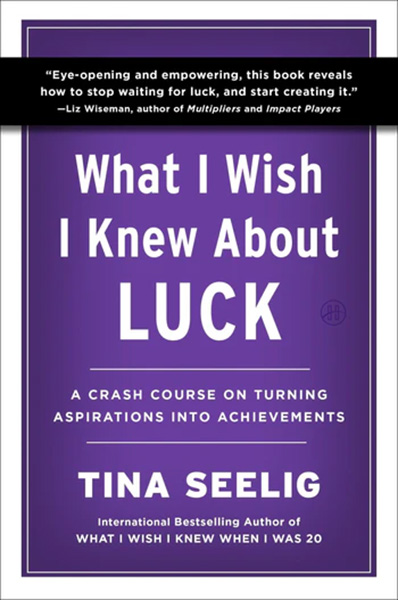
What I Wish I Knew About Luck
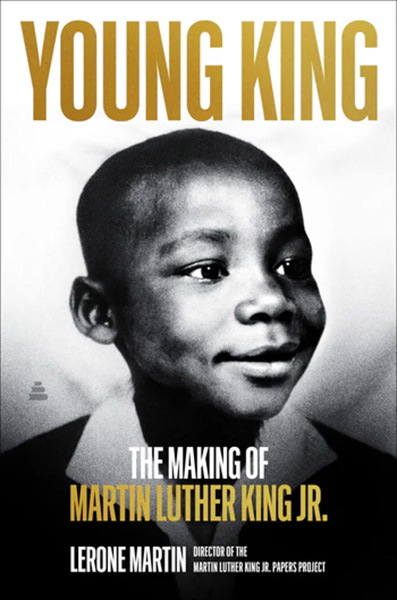
Young King: The Making of Martin Luther King Jr.
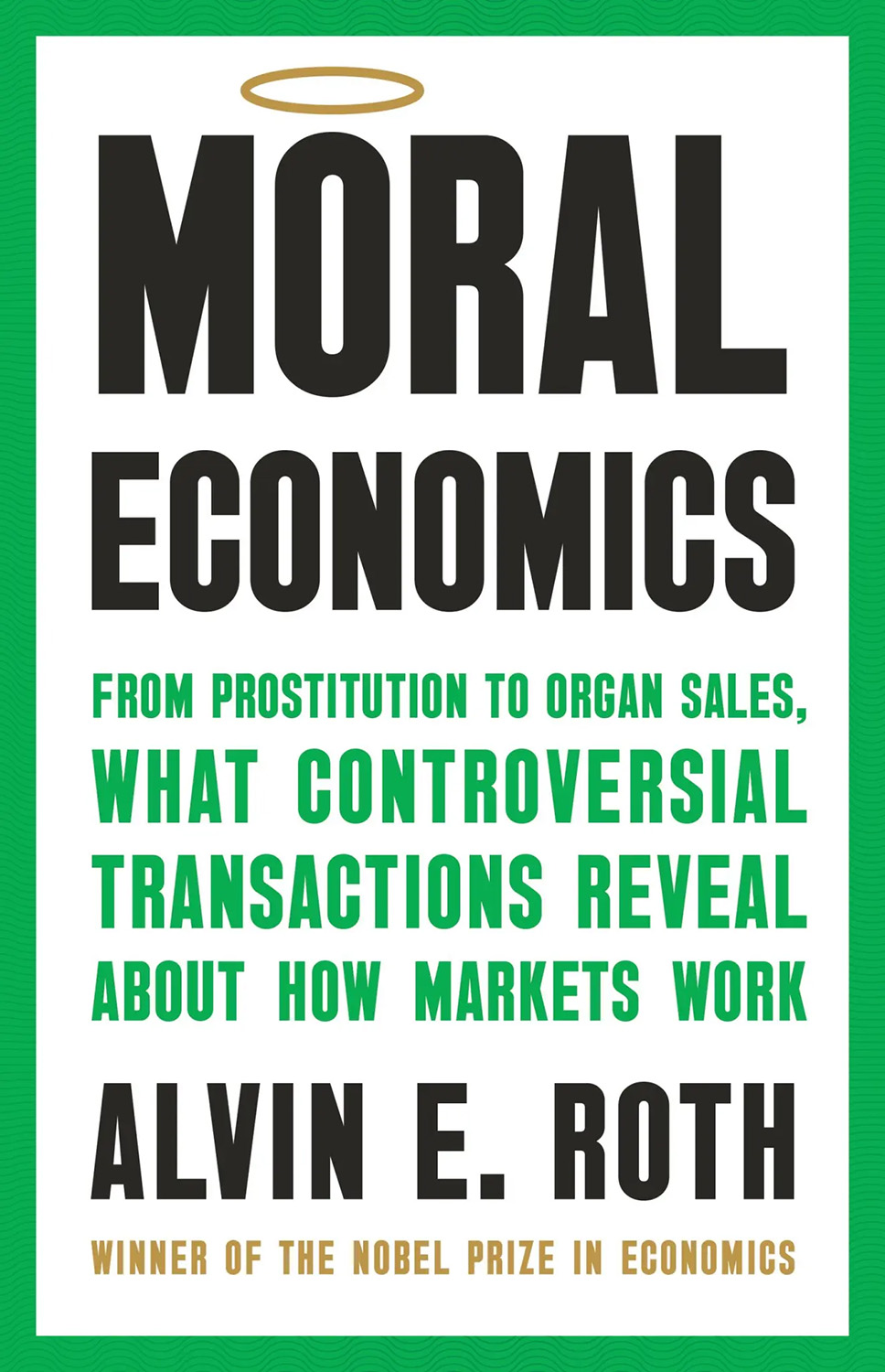
Moral Economics
Stories in Motion
MoreStories in MotionInside the race to prepare cities for extreme heat
Earth & ClimateVideo
Stanford researchers are working to help cities adapt to extreme weather and keep people and buildings cool during severe heat waves.
Recent Stories
View allRecent Stories