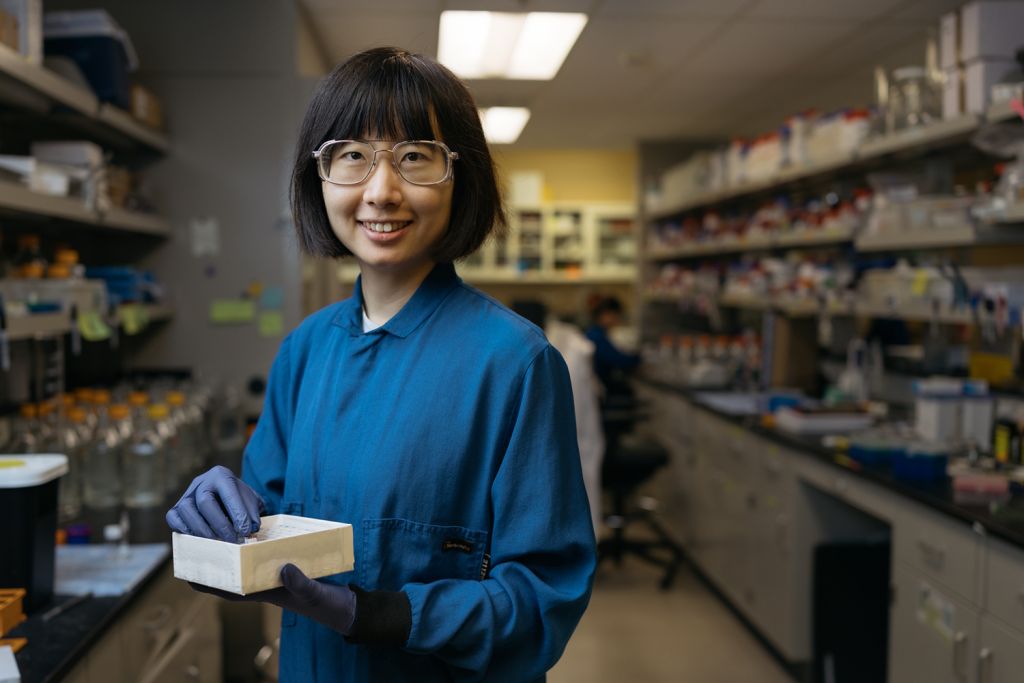
‘We live in a chemical world’
Research MattersProfile
Nina Zhao is working to map the drugs, pesticides, and pollutants we encounter in daily life – often unknowingly – and to understand how they shape human and ecosystem health.
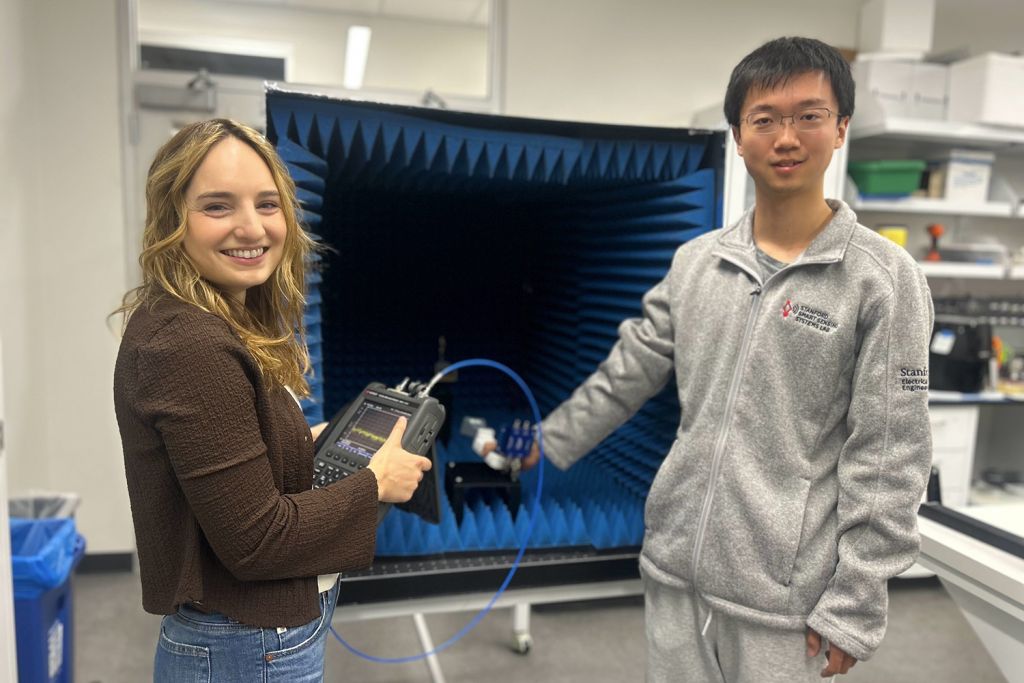
New dataset reveals how genes work together in immune cells
Health & MedicineResearch
A large-scale study of gene activity in immune cells could help researchers identify potential targets for treating autoimmune diseases.

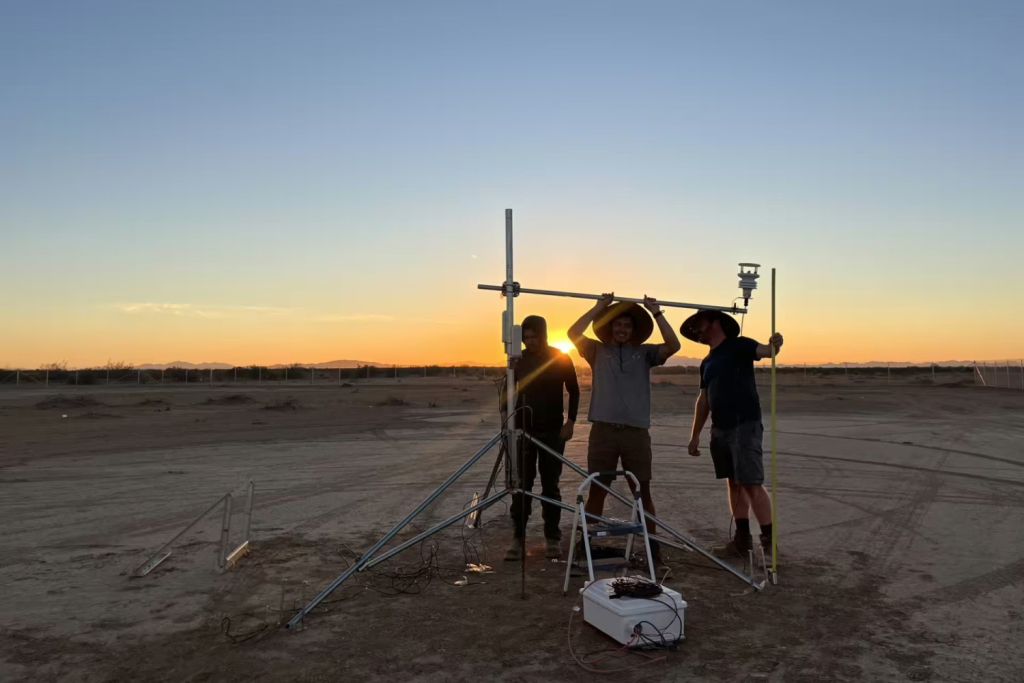
SLAC sets record for high-energy X-ray pulses
Science & EngineeringResearch
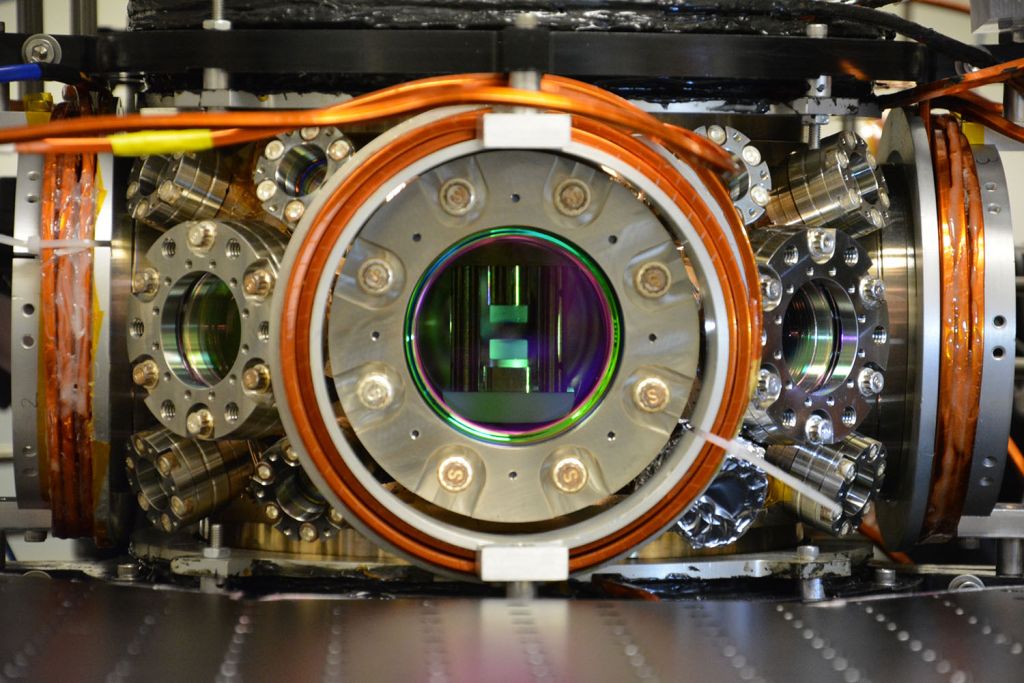
Ultrashort X-ray pulses are helping scientists study electrons deep inside atoms and the hot, dense matter found in stars.
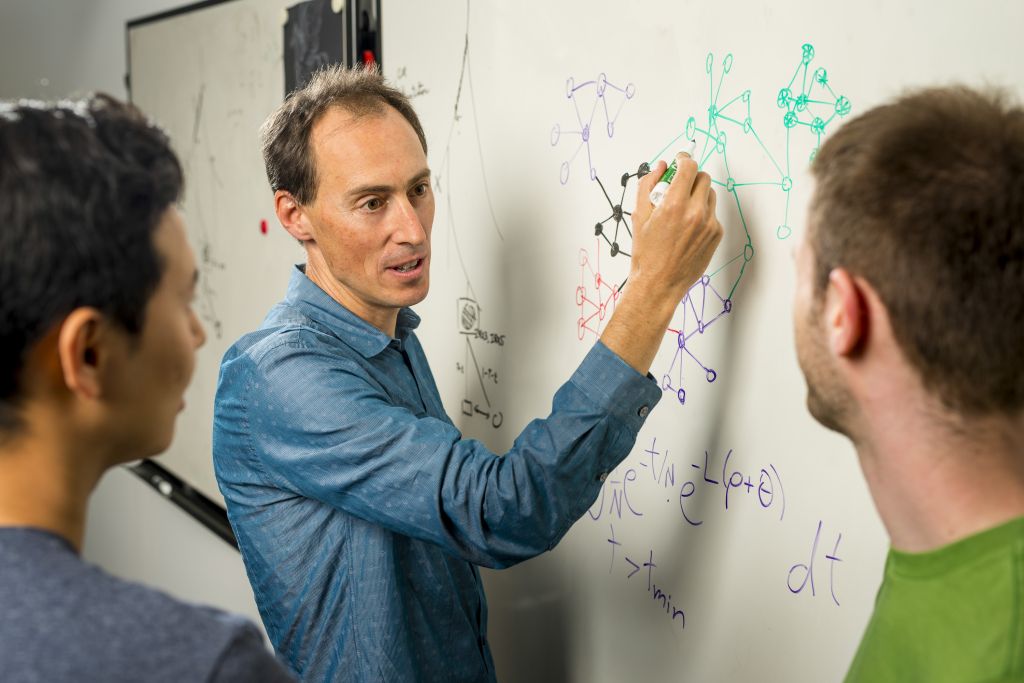
The tests that grade AI may be getting it wrong
Artificial IntelligenceQ&A
Benchmarks – the standardized tests that rank AI models on safety, bias, and reasoning – drive markets and shape regulation. New Stanford research finds they often don’t measure what they claim to.
Health & Medicine
MoreHealth & Medicine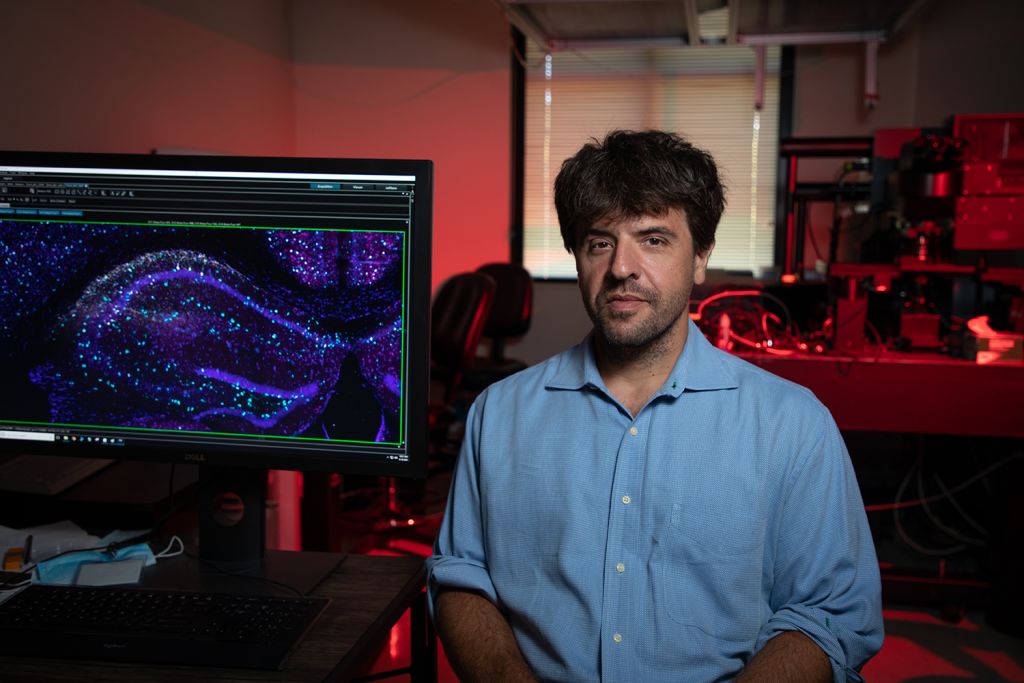
How light became a tool for studying the brain
Health & MedicineResearch
Karl Deisseroth helped pioneer optogenetics, now used in thousands of labs worldwide to study how nerve-cell activity shapes behavior.


Gut microbes across continents trace ancient human migration
Health & MedicineNews
A new study suggests gut microbes traveled with humans out of Africa. Many of these microbes are now rare or absent in industrialized populations.

Bridging disciplines to decode the brain
Health & MedicineQ&A
A childhood fascination with electronics led Wu Tsai Neuro Faculty Scholar Paul Nuyujukian to study the brain from all kinds of angles – an approach he believes is essential to treating its disorders.
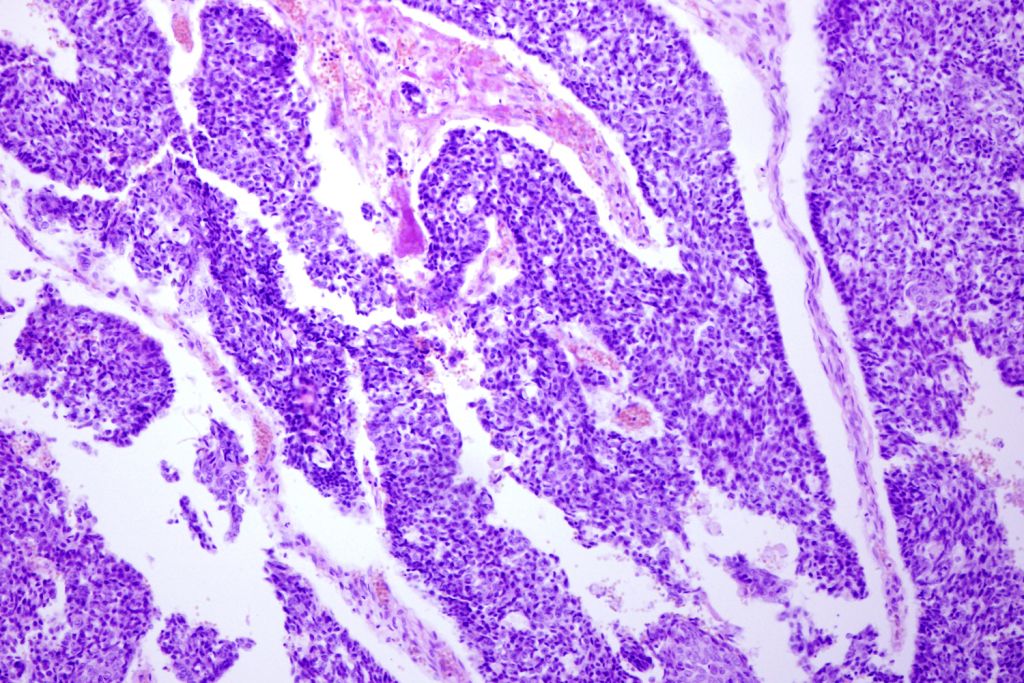
New urine test could improve bladder cancer diagnosis
Health & MedicineResearch
An RNA-based urine test shows promise for detecting bladder cancer, predicting treatment response, and identifying cancer remaining after treatment.
Governing AI in health care
From the novel to the ocean
The future of social hierarchies

Student rights and the limits of school authority
Engineering
MoreEngineering
Engineering a simple amino acid for future sensors
Science & EngineeringResearch
Stanford researchers developed a flexible glycine-based piezoelectric material with improved stability for potential use in medical and environmental sensors.
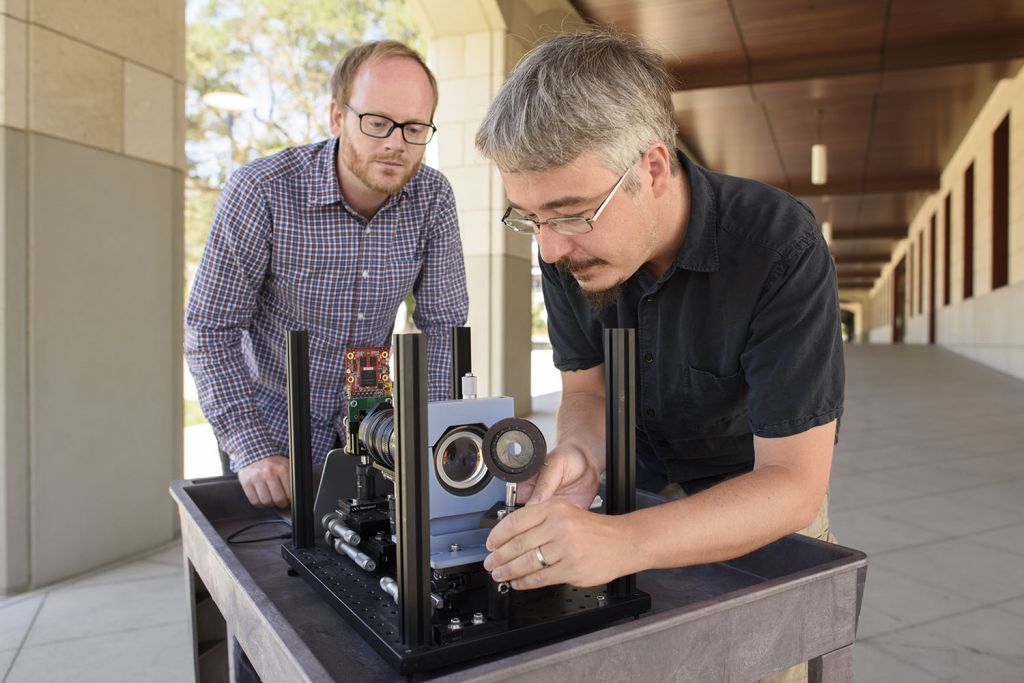
AI data centers
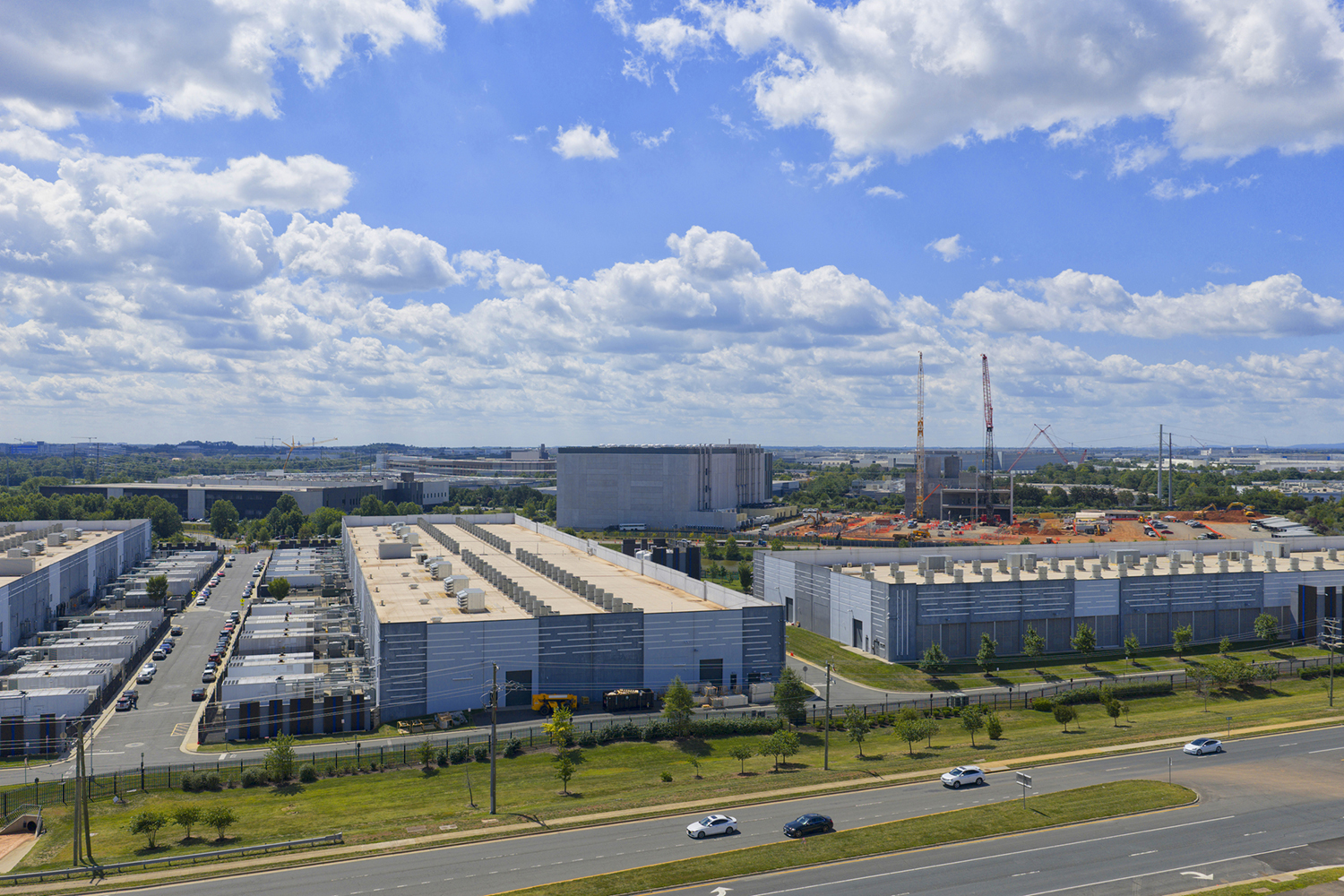
A new SIEPR policy brief examines the employment effects of data centers, expanding from the local to the national level.
Read the full briefLaw
MoreLaw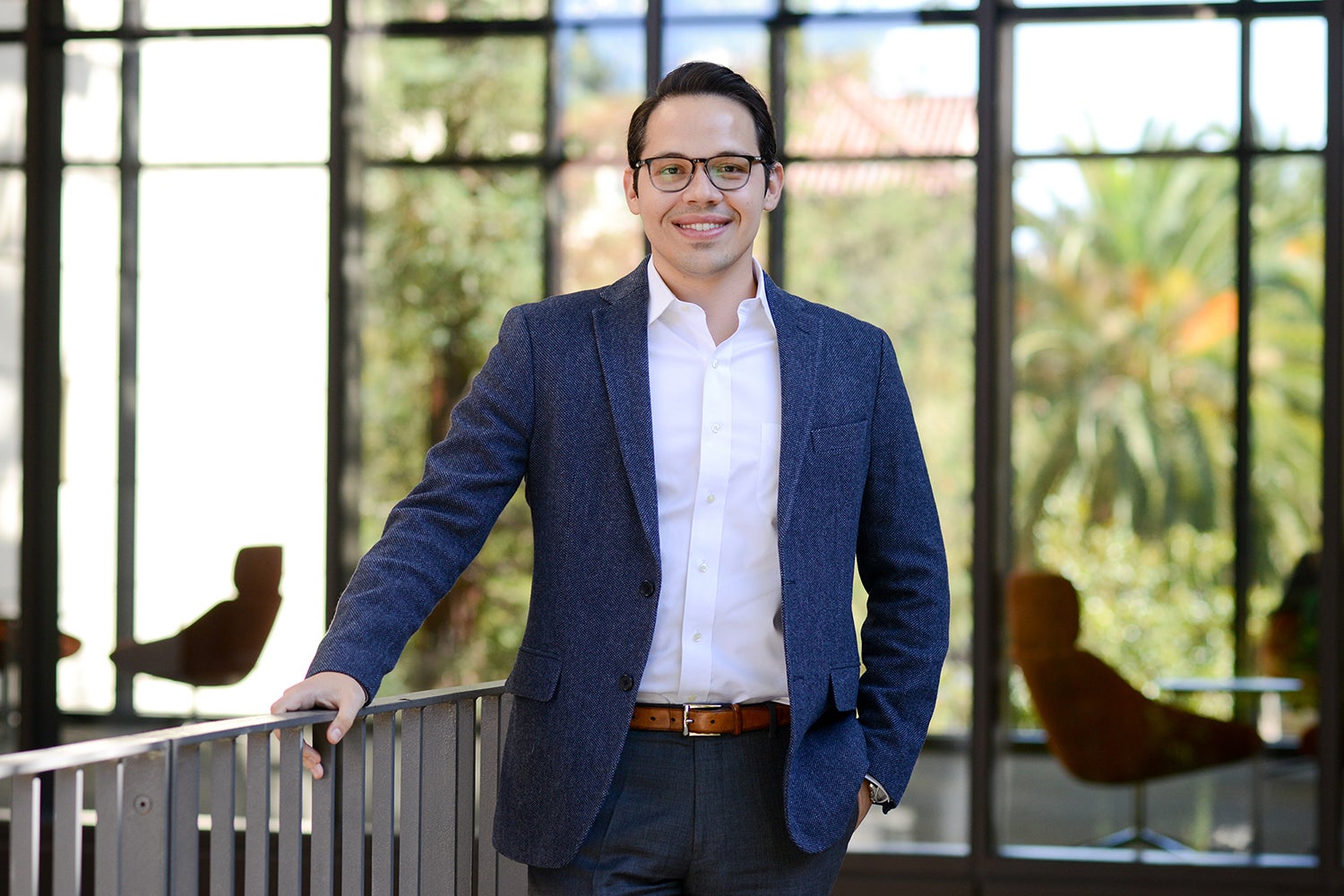
New book examines how Americans enforce the law
LawResearch
Law Professor Diego Zambrano explores why the U.S. relies on individuals and organizations to bring lawsuits over legal violations – and the strengths and shortcomings of that approach.
Academy trains legal engineering leaders
LawResearch
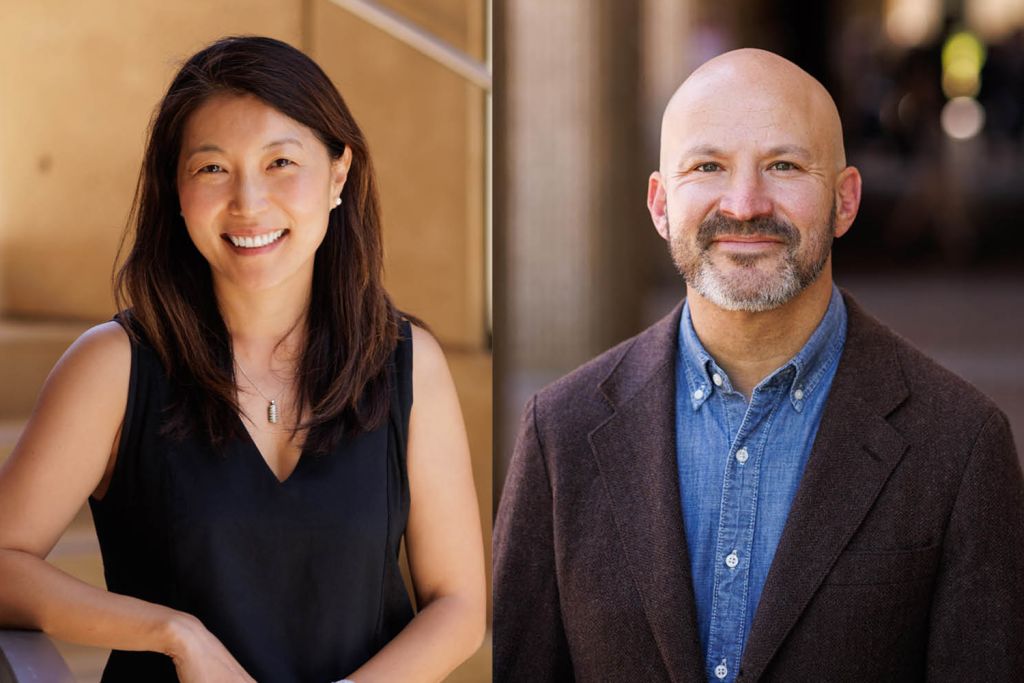
Attorneys and executives will train at Stanford on AI strategy, workflow redesign, and governance, combining legal expertise with an engineering mindset.

Understanding the case against Meta
LawQ&A
Nora Freeman Engstrom explains why states targeted the social media giant and how the outcome could reshape tech regulation.
Business
MoreBusiness
A Stanford economist explains the bond market
BusinessQ&A
Finance Professor Hanno Lustig lays out how the bond market works and what you need to know to make sense of the headlines.