In brief
- Stanford researchers, working with the Los Angeles Superior Court, will test court-based tools to improve unrepresented tenants’ participation in eviction cases.
- The team will evaluate AI error checks, legal-help referrals, and redesigned notices through real-world trials.
- The research could offer courts nationwide evidence for using technology responsibly to reduce barriers in high-volume civil cases.
An estimated 75 percent of the 20 million civil cases filed in state courts each year involve at least one party without a lawyer. The consequences are especially stark in high-volume cases such as eviction and debt collection, where unrepresented and overwhelmed litigants can lose their homes, wages, or financial stability without ever meaningfully participating in the case.
Researchers at Stanford Law School’s Deborah L. Rhode Center on the Legal Profession and Legal Design Lab are working to change that. With new funding from Stanford Impact Labs, they will test ways to give unrepresented litigants a fairer chance to defend themselves.
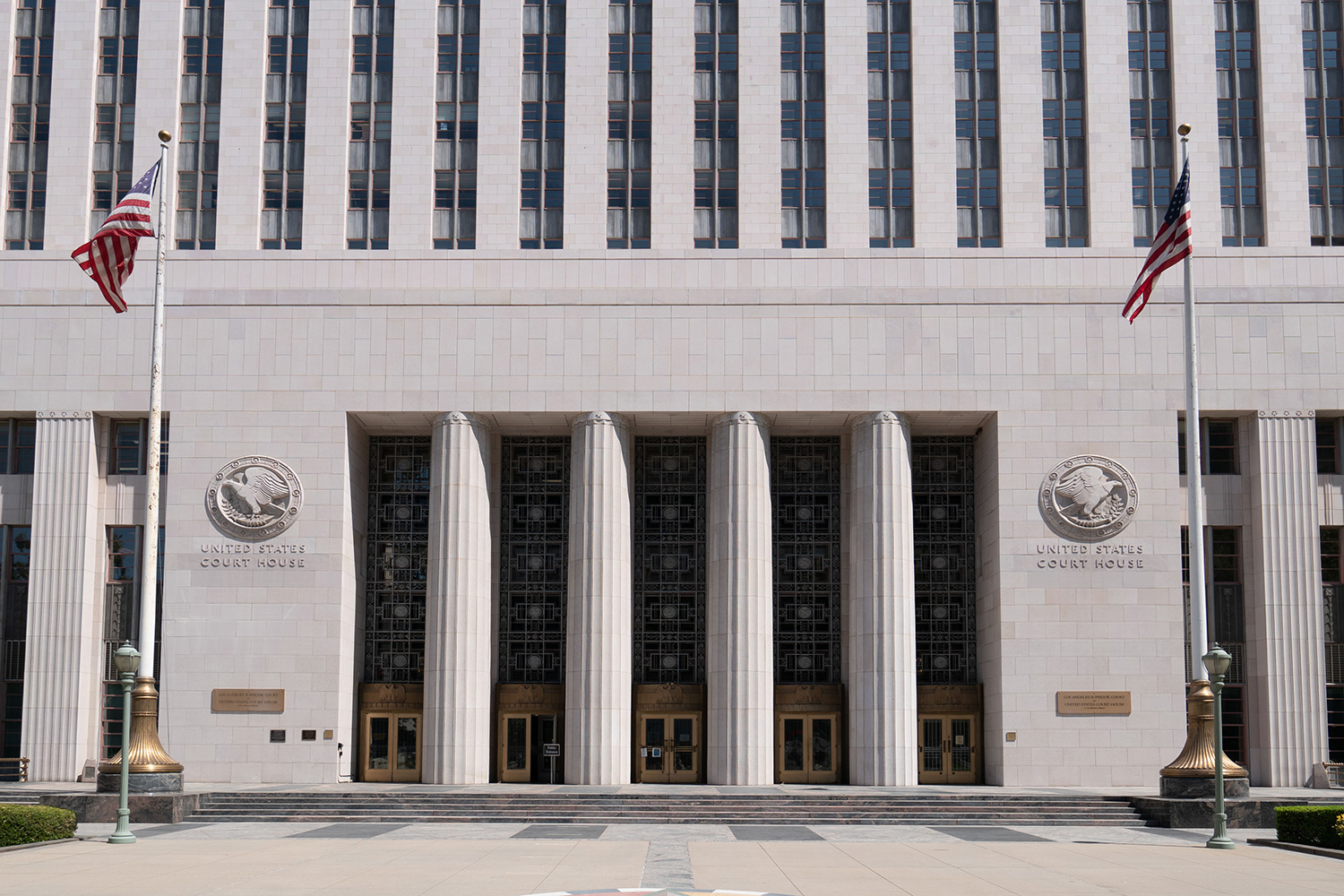
The grant advances first-of-its-kind work that the Rhode Center and Legal Design Lab began in 2024 with the Superior Court of Los Angeles County, the nation’s largest trial court. The new funding moves the team from designing solutions to testing them where it matters most: in real court settings. The Stanford researchers and the court will evaluate how clearer information, smarter technology, and better access to legal help can improve participation and outcomes in eviction and other high-volume civil cases.
The grant is part of Stanford Impact Labs’ three-stage funding program for research conducted with government, nonprofit, and industry collaborators. Stage 2 grants provide up to three years of support for teams that have identified promising solutions and are ready to test them rigorously in real-world settings.
“The evidence is clear that a core part of the access-to-justice crisis lies with courts themselves – procedures built by lawyers for lawyers, with needlessly complex processes and systems that assume litigants have legal help,” said David Freeman Engstrom, LSVF Professor in Law and co-director of the Rhode Center. “For people navigating the courts on their own, those design choices can turn legal rights into empty promises. This grant will allow us to move from theorizing better systems to proving – rigorously and in the real world – that they help those who need them most.”
Putting new tools to the test
Researchers from the Rhode Center and Legal Design Lab are already conducting a randomized controlled trial of a redesigned eviction-notice system combining paper notices, text-message reminders, and free remote access to court documents. Building on that work, the team is piloting and evaluating a further trio of interventions along several frontiers of court innovation:
- Default Assistant: A new tool that leverages AI to assist court staff in identifying legal errors in default judgments before the court enters them against overwhelmed defendants.
- Referral Routing: An AI tool that gathers information from litigants and connects them to tailored sources of legal help, along with clear instructions for accessing them.
- Next-Generation Online Dispute Resolution: In collaboration with the American Arbitration Association and ODR.com, the team will design and evaluate an AI-enabled online dispute resolution platform tailored to the capacities of court users and fully integrated into court operations.
“Congratulations to our colleagues at Stanford,” said Presiding Judge Sergio C. Tapia II of the Superior Court of Los Angeles County. “This groundbreaking research has already transformed how we understand the litigant experience, and this next phase – testing real solutions within our court – is precisely the kind of rigorous, practical partnership that will help us serve the public more effectively and elevate the experience of every person who walks through our doors.”
Why litigants struggle
During the first phase of the Stanford-Los Angeles Superior Court collaboration, the research team focused on the court’s eviction docket. It analyzed approximately 150,000 filings, conducted more than 100 interviews with court users, held focus groups with court staff and legal-service providers, observed people navigating court proceedings and help services, and audited the court’s websites and digital tools.
The evidence is clear that a core part of the access-to-justice crisis lies with courts themselves – procedures built by lawyers for lawyers, with needlessly complex processes and systems that assume litigants have legal help.David Freeman EngstromLSVF Professor in Law
The findings, published in the 2025 report “A Blueprint for Expanding Access to Justice in Los Angeles Superior Court’s Eviction Docket,” documented persistent barriers for unrepresented tenants and identified a series of potential reforms. The report identified six central problems, including confusing court processes, fragmented and difficult-to-find digital services, gaps in court data, and barriers that make it difficult for court users to reach the help available to them.
The research found that tenants often struggle to understand court notices and deadlines, locate reliable legal help, navigate overlapping websites and services, and determine what steps to take next. Court staff, meanwhile, often lack clear systems for directing people to appropriate assistance.
In 2023, according to the report, more than half of tenants in Los Angeles County eviction cases failed to file an answer, and about one-third of cases ended in default judgment.
The data also revealed a stark imbalance between landlords and tenants. In 2023, nearly 92 percent of landlords in Los Angeles eviction cases had lawyers, compared with about 14 percent of tenants.
A potential model for courts nationwide
The project is designed not simply to introduce new technology, but to generate evidence about what works, for whom, and under what conditions. The findings could help other courts decide how to use AI and digital services responsibly while avoiding tools that are difficult to use, poorly integrated, or ineffective.
“Court users must be at the center of judicial system efforts to improve processes and develop effective legal-help resources,” said Margaret Hagan, executive director of the Legal Design Lab. “While our interventions in the Superior Court of Los Angeles County are being designed hand-in-hand with Los Angeles court users, the blueprint of our interventions can be deployed in courts of all sizes.”
How AI is reshaping public institutions “is among the defining questions of this moment,” said Matthew Gentzkow, the Landau Professor of Technology and the Economy at Stanford University and faculty director of Stanford Impact Labs. “We are excited to support this research collaboration at the forefront of producing rigorous evidence,” he said. “An agenda of this ambition, tested at this scale, will show what it takes to make technology serve the people who turn to, and rely upon, these institutions.”
For more information
This story was originally published by Stanford Law School.