It started with a discussion between two Stanford Law doctoral students about a gap they had noticed in antitrust research.
What followed was five months of intensive research involving 13 Stanford students and the painstaking review of nearly 4,200 litigation documents. The undertaking took shape as a two-quarter Stanford Law and Policy Lab, a hands-on course in which students tackle real-world policy questions for government agency and nonprofit clients.
The result was new evidence about the remedies plaintiffs seek in antitrust lawsuits beyond financial damages and how often they obtain them. The findings, outlined in An Empirical Assessment of Private Antitrust Non-Monetary Remedies (2009-2019), could help attorneys shape litigation strategies, inform judges’ decisions about remedies, and guide government regulators in enforcing antitrust laws. The report was prepared for the California Attorney General’s Office and the American Antitrust Institute.
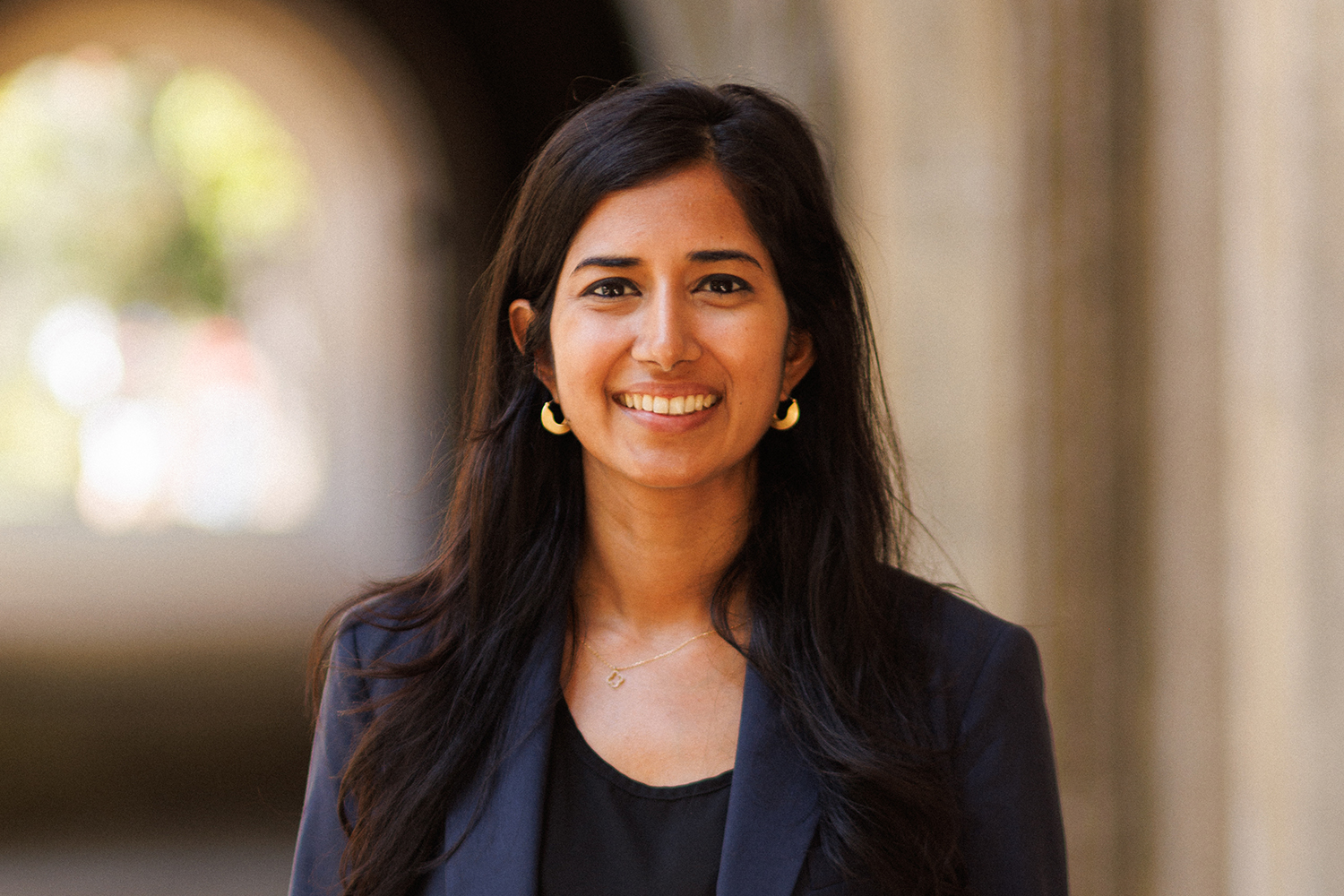
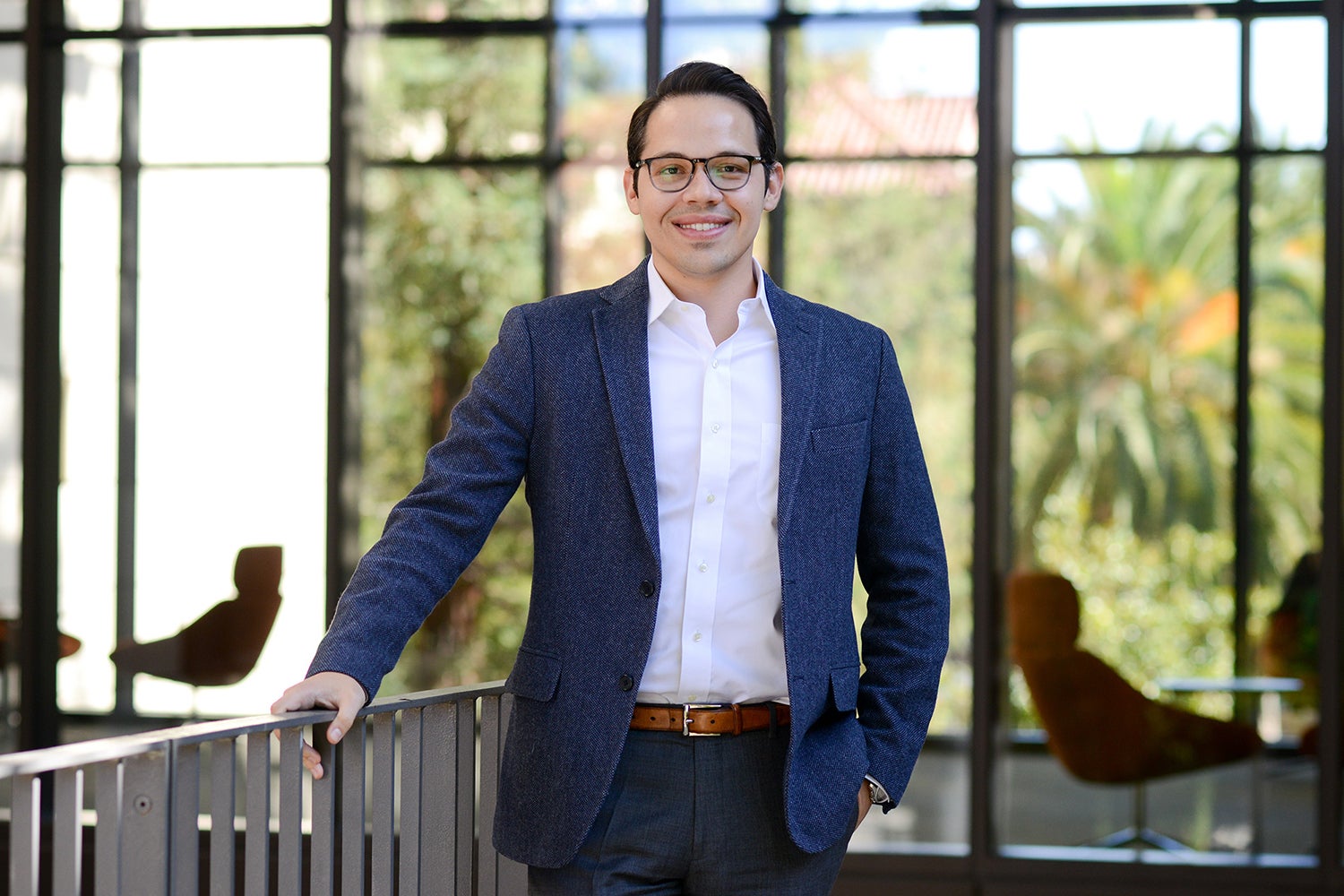
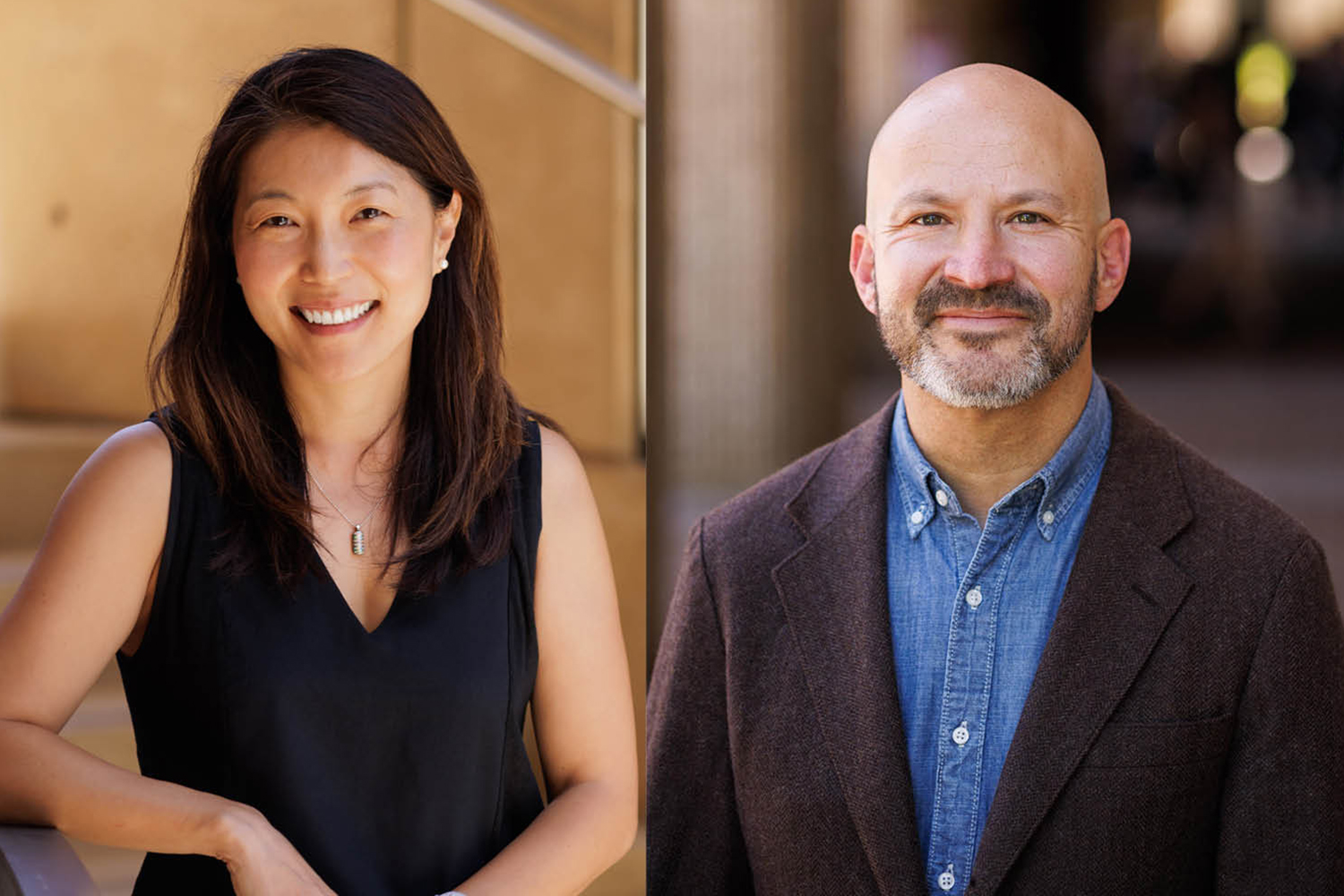
Ludmilla Martins da Silva, JSM ’22, JSD ’27, and Gabriel Faria Bernardes, JSM ’20, JSD ’27, both originally from Brazil, developed and co-taught the course with Mark A. Lemley, BA ’88, the William H. Neukom Professor of Law and director of the Law, Science and Technology Program.
The experience gave Martins da Silva and Faria Bernardes, both interested in academic careers, an opportunity to develop their teaching skills while pursuing questions central to their research agendas.
“This was Ludmilla and Gabriel’s project from the inception,” Lemley said. “They have put together an amazing database that not only helps courts and litigants understand the sweep of antitrust remedies, but will be an invaluable resource for antitrust research in the future.”

Mark Lemley | Courtesy Stanford Law School
Filling the gap
Before arriving at Stanford Law, Martins da Silva spent five years practicing antitrust law in Brazil, where she worked on several private cases that raised issues of first impression. At Stanford, she turned her attention to the more established U.S. system, studying how attorneys select cases and navigate antitrust doctrine.
Faria Bernardes, who previously practiced law in the energy sector, studies the factors that influence litigation outcomes, including whether having a top law firm or a judge with economics expertise affects a party’s chances of success.
Their overlapping research interests led them to develop the Policy Lab around the gap in antitrust scholarship they had identified. Although researchers have extensively studied the financial damages awarded in antitrust lawsuits, far less is known about how often plaintiffs seek remedies that require companies to change their business practices, and whether they succeed in obtaining them.
With Lemley’s guidance, the two designed a course that combined original research with presentations by judges, attorneys, and academics. The Policy Lab attracted students with varied backgrounds, including undergraduates studying economics, political science, and other fields. Some had little previous exposure to legal issues, let alone antitrust law, while others were already familiar with litigation and legal research. All brought some prior relevant experience to the project.
Students manually examined more than 4,000 complaints, settlements, court orders, and other filings, tracing lawsuits from their initial complaints through settlement or final court order. The work required developing and refining a system for identifying and classifying the different remedies requested and obtained.
“If we didn’t have all the students, all hands on deck, that would have been impossible,” Faria Bernardes said.
The instructors opted for manual review rather than AI-assisted analysis because their classification system evolved as the research progressed, making automated review and quality control particularly challenging.
“It was a very intense five months,” Martins da Silva said.
For Faria Bernardes, part of the challenge was creating a meaningful learning experience for students with varying backgrounds and exposure to the legal system. But navigating those differences while balancing classroom responsibilities with the demands of original research was a “fun challenge,” he said.
Beyond financial compensation
The researchers set out to better understand what antitrust lawsuits accomplish beyond financial compensation. When a company violates antitrust law, financial damages can compensate those harmed. But other remedies can require companies to stop particular practices, implement compliance programs, or even sell off business operations.
Faria Bernardes points to pharmaceutical litigation as an example. Financial settlements may compensate consumers harmed by agreements that delay lower-cost generic medicines, but non-monetary remedies can also prohibit practices that improperly delay generic competition.
Among the report’s findings, government enforcers were substantially more successful than private plaintiffs at securing non-monetary remedies. The researchers also found that most such remedies were negotiated through settlements rather than imposed by judges.
The findings may help inform antitrust enforcement strategies while providing a foundation for additional research.
For Faria Bernardes, the Policy Lab reinforced the value of building empirical research resources that other scholars can use. Developing such datasets and making them publicly available is “much harder than most people expect,” he said. “And yet, it’s extremely satisfying because it is a public good.”
For more information
This story was originally published by Stanford Law School.
Writer
Monica Schreiber