At the height of deadly violence in the Central African Republic (CAR) in 2013, a researcher from a major international human rights organization was unable to leave the hotel because of the danger outside. So a local advocate risked his life navigating the streets to meet with the researcher, sharing firsthand accounts of abuses by armed groups and information about their victims.
The international organization subsequently published a report documenting the abuses. But neither the local CAR advocate nor his organization received any credit for their contributions.
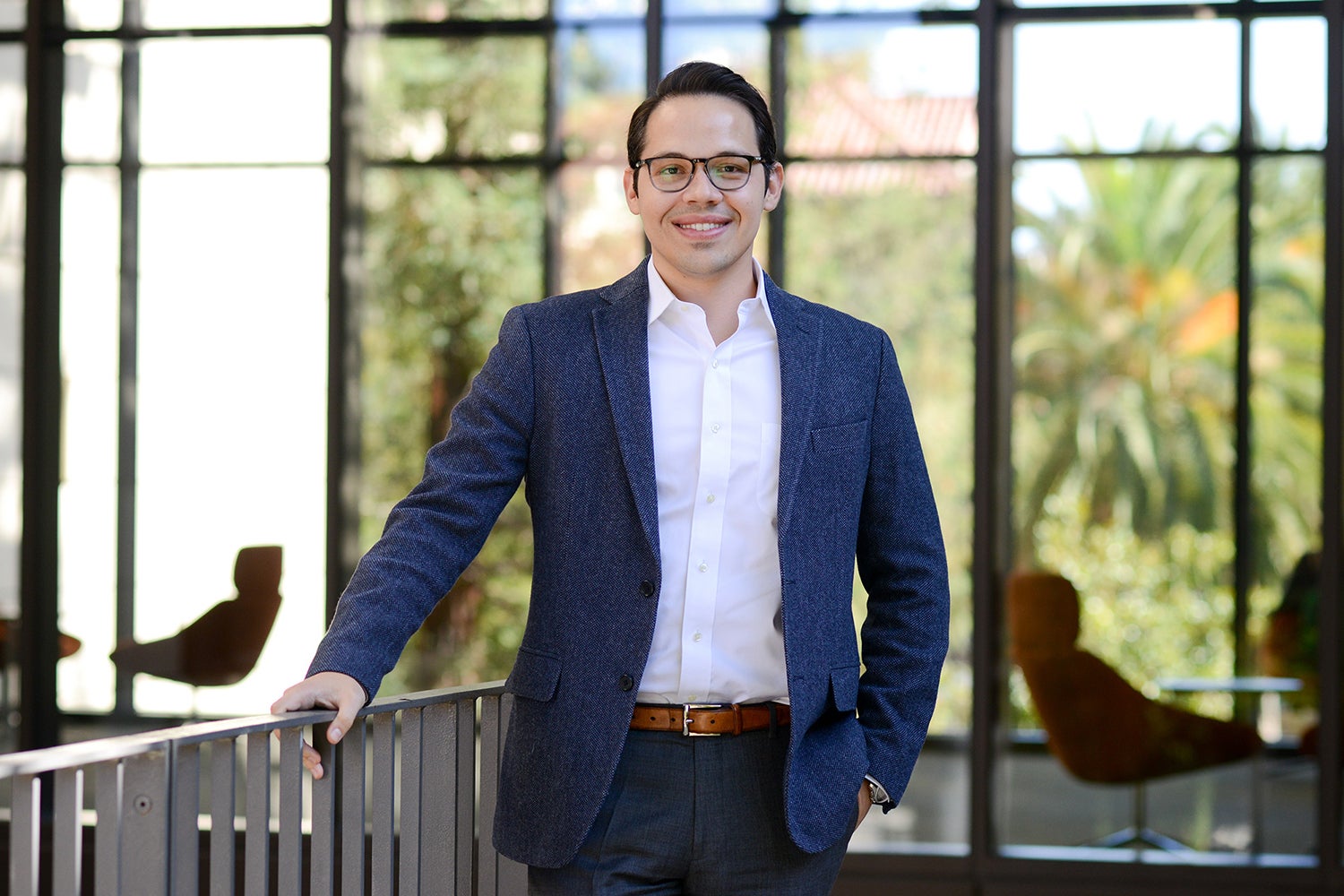
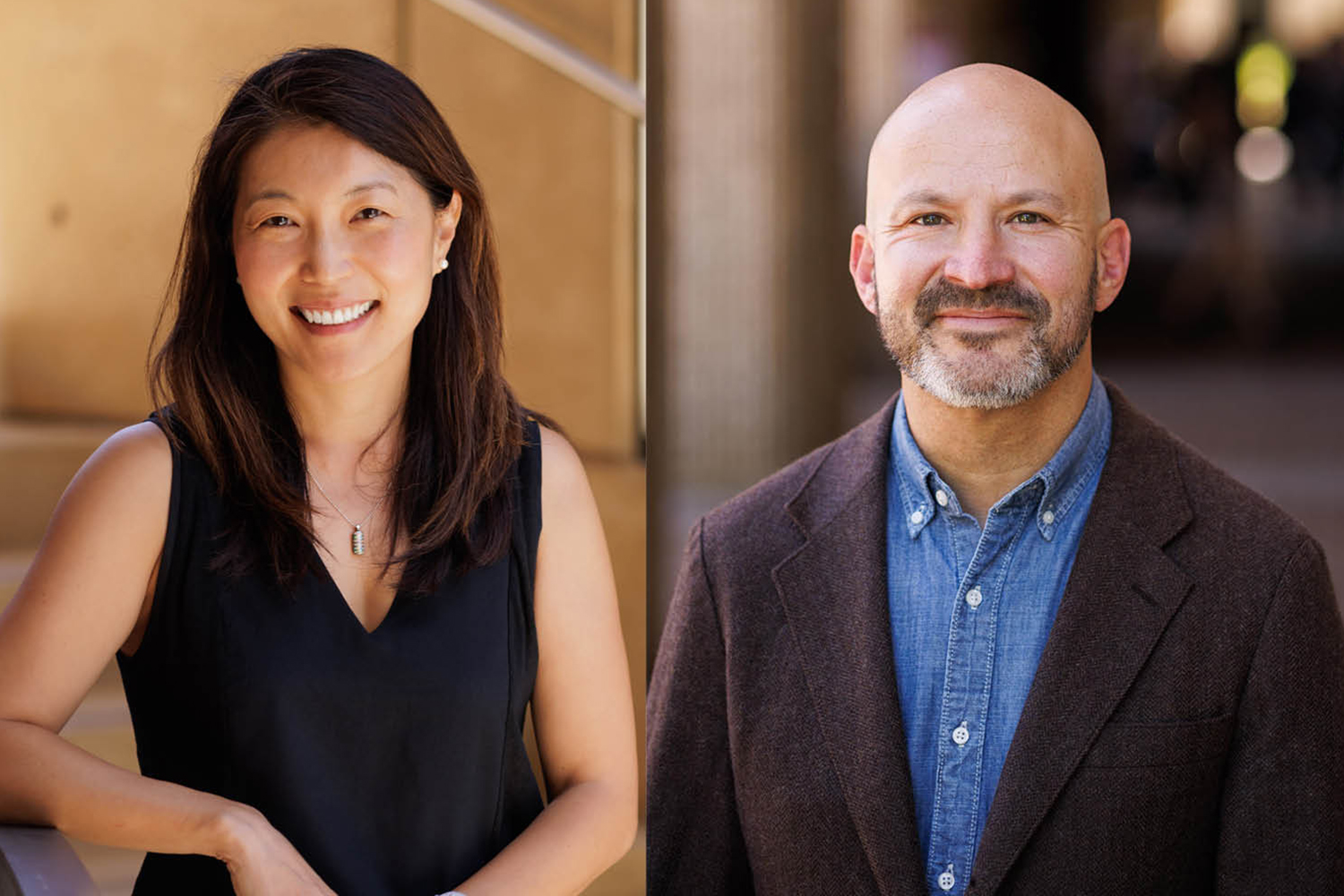
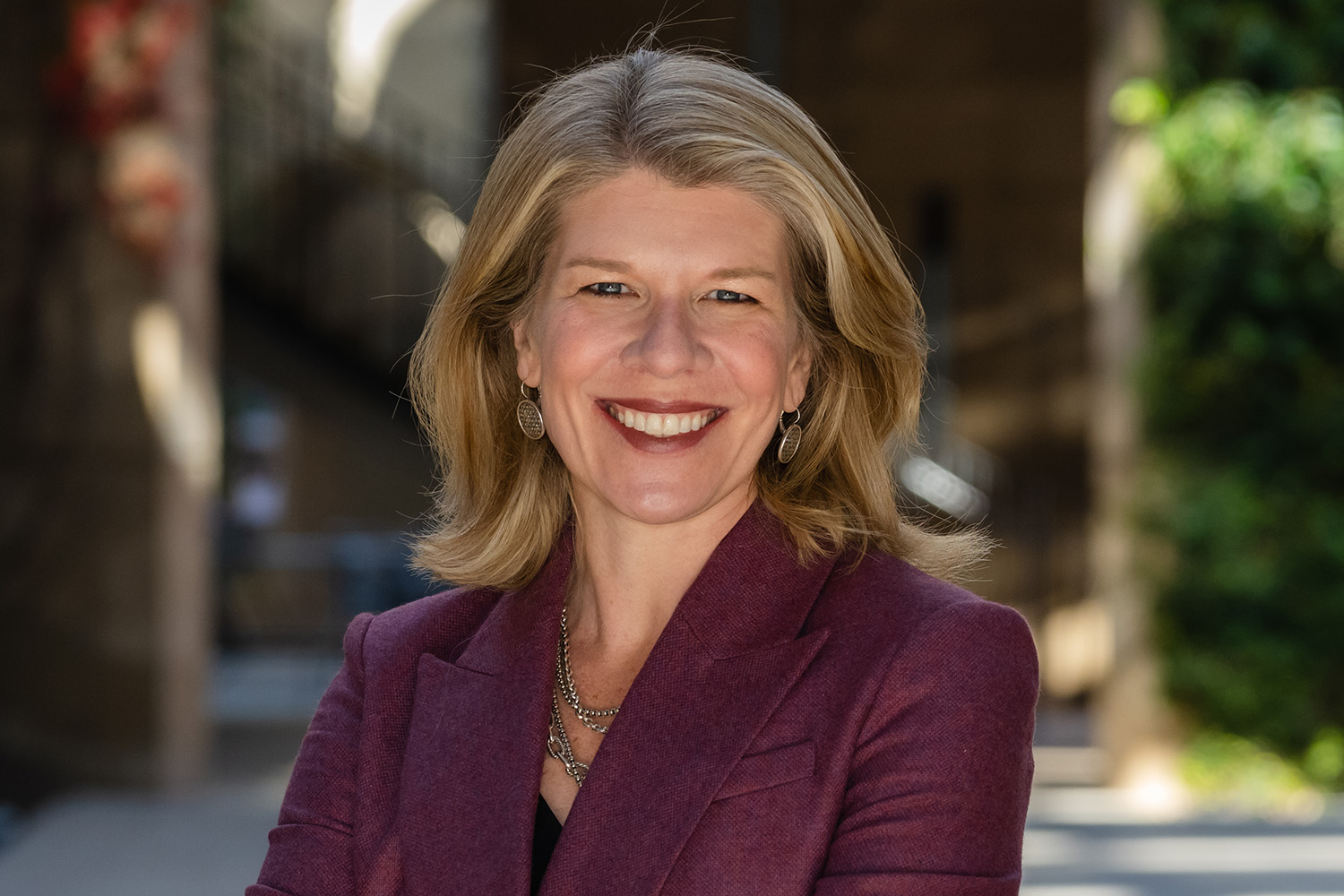
That incident illustrates the kinds of inequities examined in Decolonial Human Rights Practice: Tactics, Obstacles, and Futures (Oxford University Press, 2026), co-authored by Stanford Law School’s Professor Gulika Reddy, director of the International Human Rights and Conflict Resolution Clinic; Professor Sarah Knuckey of Columbia Law School; and Professor Anjli Parrin of the University of Chicago Law School.
Through firsthand experiences, the authors examine how global south activists often bring significant expertise and shoulder the greatest risks, while better-resourced international organizations from the global north receive the international recognition and funding, set the priorities, and too often become the public voice on issues affecting communities thousands of miles away. The authors show the power asymmetries in transnational partnerships, and grapple with how to build a more inclusive, just, and effective human rights movement.
“The human rights field was built to challenge unequal power, yet it too often benefits from and replicates it,” Reddy says. “Its colonial way of operating is neither inevitable nor immutable, and reform is already taking place in pockets of the field. We are at an inflection point, and the choices we make today will determine what kind of field we become.”
The book examines how global power inequities play out in the course of everyday human rights practice, from how violations are investigated to who speaks for issues at the United Nations. “Drawing on hundreds of examples worldwide, we show the coloniality of human rights practice,” says Knuckey. “These daily practices are shaped and enabled by deep global economic inequalities, the political economy of human rights, white saviorism, visa and race privileges, and assumptions about expertise.”
Looking behind the scenes
The book grew out of the authors’ experiences teaching together. The three had witnessed many successful and ethical global north-south partnerships, but had also encountered disparities between the stated values of international human rights advocacy and its everyday practice. Each recalls participating in discussions about human rights conditions in countries where nobody from the affected country or community was represented. Global south advocates were sometimes treated as little more than intermediaries or “tour guides” rather than experts, they say.
The authors conducted research between 2018 and 2025 in approximately a dozen countries, including India, Kenya, Guatemala, South Sudan, Myanmar, Iraq, Mexico, Ethiopia, and the Central African Republic. They were struck by the consistency of the experiences they encountered.
“The pervasiveness of the concerns was quite surprising,” Parrin says. “But we were also quite inspired by the breadth and diversity of ways in which activists globally were already challenging entrenched practices. Some interviewees spoke to us for more than two hours, eager to share their experiences and ideas.”
Lunchtime panel with the authors
The authors and other human rights advocates and scholars will discuss Decolonial Human Rights Practice on Nov. 16, 2026, at 12:45 p.m. at Stanford Law School. The event is open to the public.
Four ways power operates
The authors’ research identifies four recurring forms of domination in relationships between global north organizations and their counterparts in the global south: extraction, control, condescension, and recuperation.
Extraction occurs when international organizations draw on or “mine” advocates’ knowledge and work without adequately sharing credit or resources. Control involves seeking to determine advocacy priorities, strategies, funding, or who gets to speak publicly about an issue. Condescension encompasses attitudes and practices that diminish south expertise and agency.
The fourth category, recuperation, names practices that appear to promote inclusion but leave existing power structures essentially untouched.
Moving toward change
Existing scholarship, Parrin says, “offers substantial analysis of what is wrong with international human rights work, but considerably less guidance on ‘how do you do this right?’”
The book documents a wide range of tactics already being used by advocates to shift the balance of power. These include resistance tactics, through which global south organizations negotiate more equitable partnership terms and challenge the power imbalances that shape them. The authors also identify allyship tactics used by international organizations to share decision-making authority, direct more funding toward local groups, publicly recognize their expertise, and support them to gain access to international institutions, donors, and media.
“Resistance tactics span a spectrum,” Reddy adds. “Some global south advocates start by engaging in dialogue and educating their global north partners about why a colonial model of human rights practice is both harmful and ineffective. If that fails, some may escalate by walking away from the partnership, condemning existing practices, or creating their own networks and advocacy spaces.”
“Under pressure from rights holders and global south activists, international global north NGOs have increasingly joined in decolonizing human rights practice,” Knuckey says. “Some lead the way in showing how to act effectively in solidarity, but others are struggling to reform against a backdrop of competition for finances and reputation. Much more global, organized, collective action is required to achieve the necessary transformation.”
The book was also motivated by the authors’ experiences as clinical law professors. When teaching critiques of the human rights field, they found that students sometimes struggled to see how they could participate ethically in a system with such entrenched problems.
The authors say that they believe change is possible and hope that their book eventually becomes irrelevant: that the harms described become a historical record of how the field once operated, and the allyship and resistance tactics become obvious and standard.
For more information
This story was originally published by Stanford Law School.
Writer
Monica Schreiber