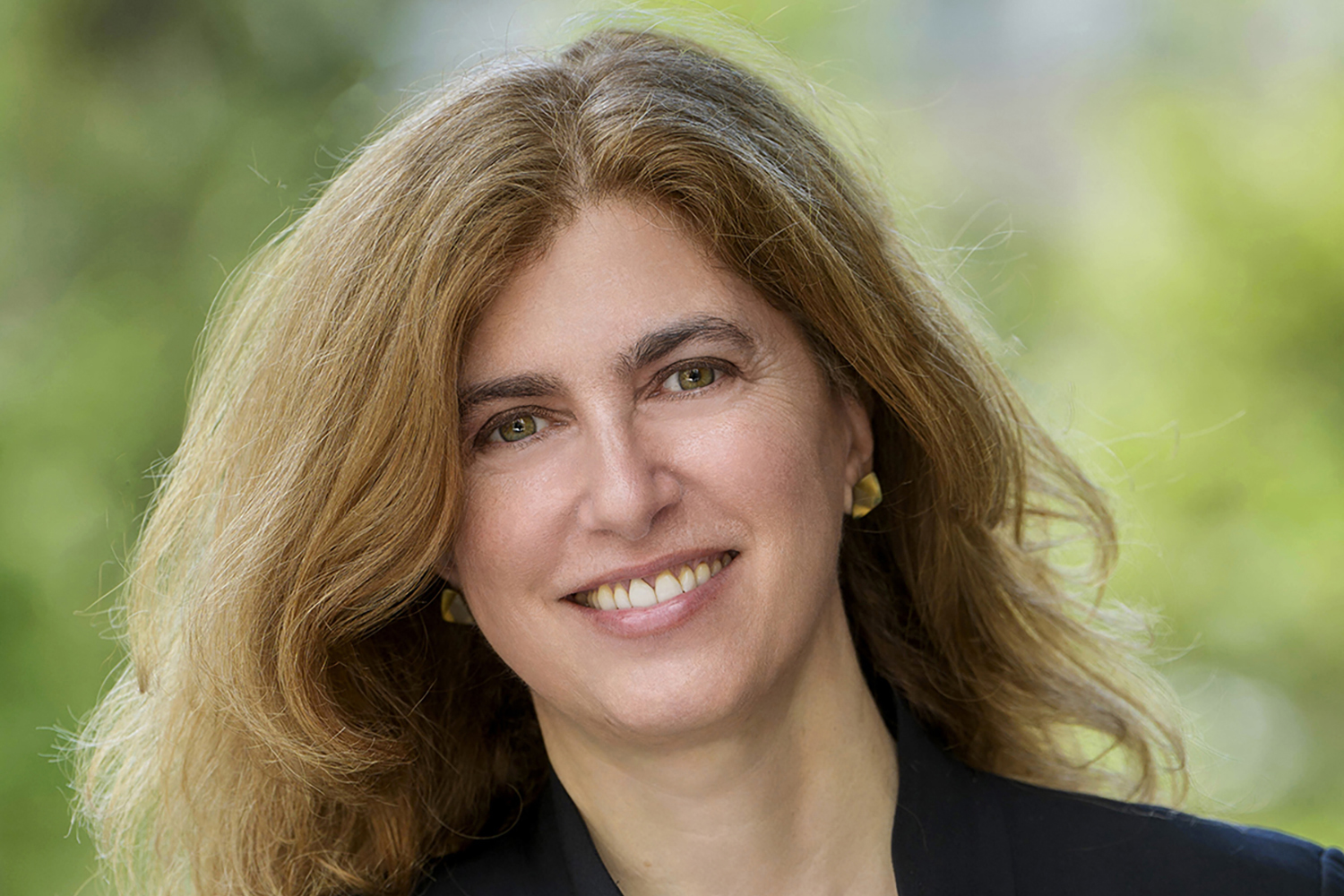
Stanford historian Jessica G. Riskin has been elected to the American Philosophical Society (APS), the oldest learned society in the United States.
“It was a totally unexpected and delightful surprise,” said Riskin, the Frances and Charles Field Professor in History in the School of Humanities and Sciences. “I’m always looking for chances to talk with people in other fields – I feel we really need each other, especially nowadays – so the mixture of disciplines at the APS is especially exciting.”
The APS was founded in 1743 by Benjamin Franklin with the aim of “promoting useful knowledge,” and it honors scholars from a wide variety of academic disciplines for their extraordinary achievements. The APS provides a forum for the free exchange of ideas, supports research through grants, and engages distinguished scientists, humanists, social scientists, and leaders in civic and cultural affairs through its membership and interdisciplinary opportunities.
Riskin is among 42 members elected to the 2026 Class of the APS. Her research interests include modern science, politics and culture, and the history of scientific explanation.
Riskin is the author of The Power of Life: The Invention of Biology and the Revolutionary Science of Jean-Baptiste Lamark, which was named a Best Book of 2026 by The New Yorker, and Science in the Age of Sensibility: The Sentimental Empiricists of the French Enlightenment, which won the 2003 American Historical Association’s J. Russell Major Prize for best book in English on any aspect of French history. She is also the author of The Restless Clock: A History of the Centuries-Long Debate Over What Makes Living Things Tick, which won the 2021 Patrick Suppes Prize in the History of Science from the APS.
Riskin is the editor of Genesis Redux: Essays in the History and Philosophy of Artificial Life, and, with Mario Biagioli, Nature Engaged: Science in Practice from the Renaissance to the Present.
Writer
Chelcey Adami