In the fall of 2024, then-Stanford sophomore Josie Fabian noticed that she was bruising easily and tiring more quickly than usual. One Wednesday in October, she left cheerleading practice feeling ill. The next day she woke up with an achy body and coldlike symptoms.
“On Friday my nose started bleeding a lot,” Fabian said. “That seemed so random because I’d never had a nosebleed before.”
Friends took her to urgent care, but once there she started to lose consciousness. She was rushed to the emergency room at Stanford Hospital and placed in an induced coma in intensive care. Her diagnosis: acute lymphoblastic leukemia, or ALL.
“My organs were shutting down and I was literally on the verge of death,” she recalled. “The doctors said that if I had waited one more day to get care, I wouldn’t have made it.”
It was the start of a months-long cancer battle that changed her life and academic trajectory. Today, Fabian is cancer free and pursuing a new major and career path focused on the treatment that saved her.
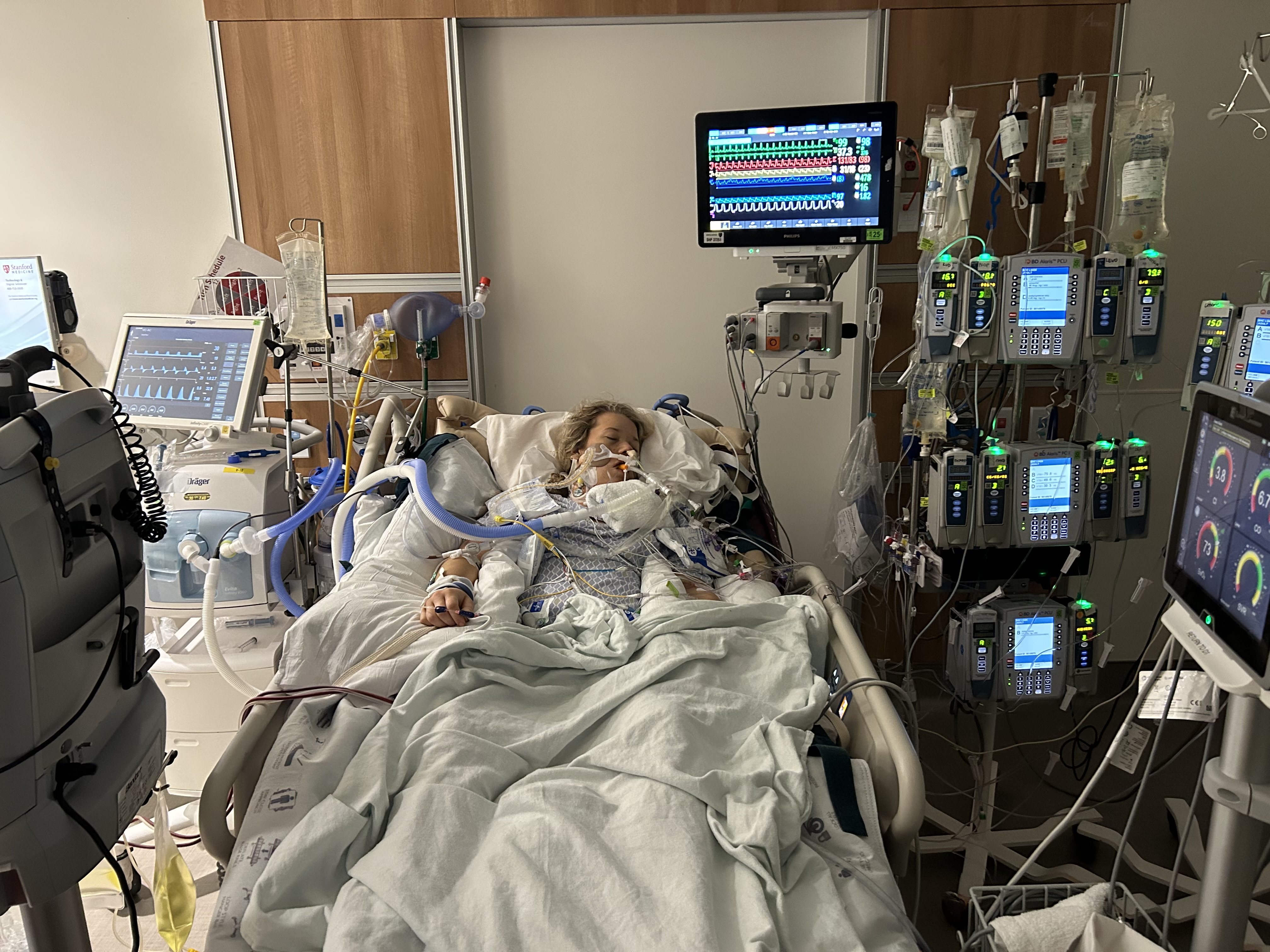
Stanford undergrad Josie Fabian spent months at Stanford Hospital getting treated for acute lymphoblastic leukemia. | Courtesy Josie Fabian
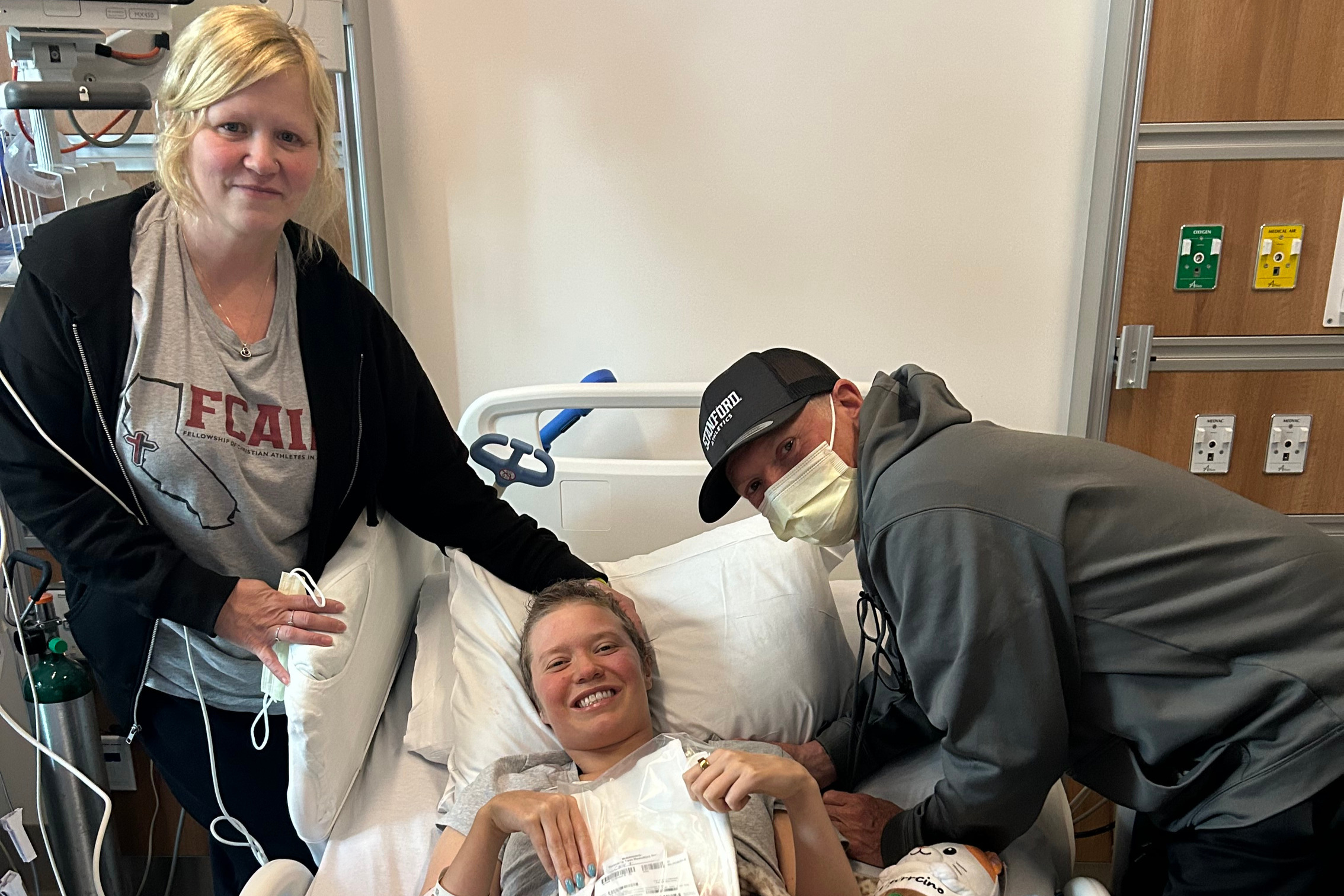
Fabian credits the support of family, friends, and her care team for helping her beat cancer. | Courtesy Josie Fabian
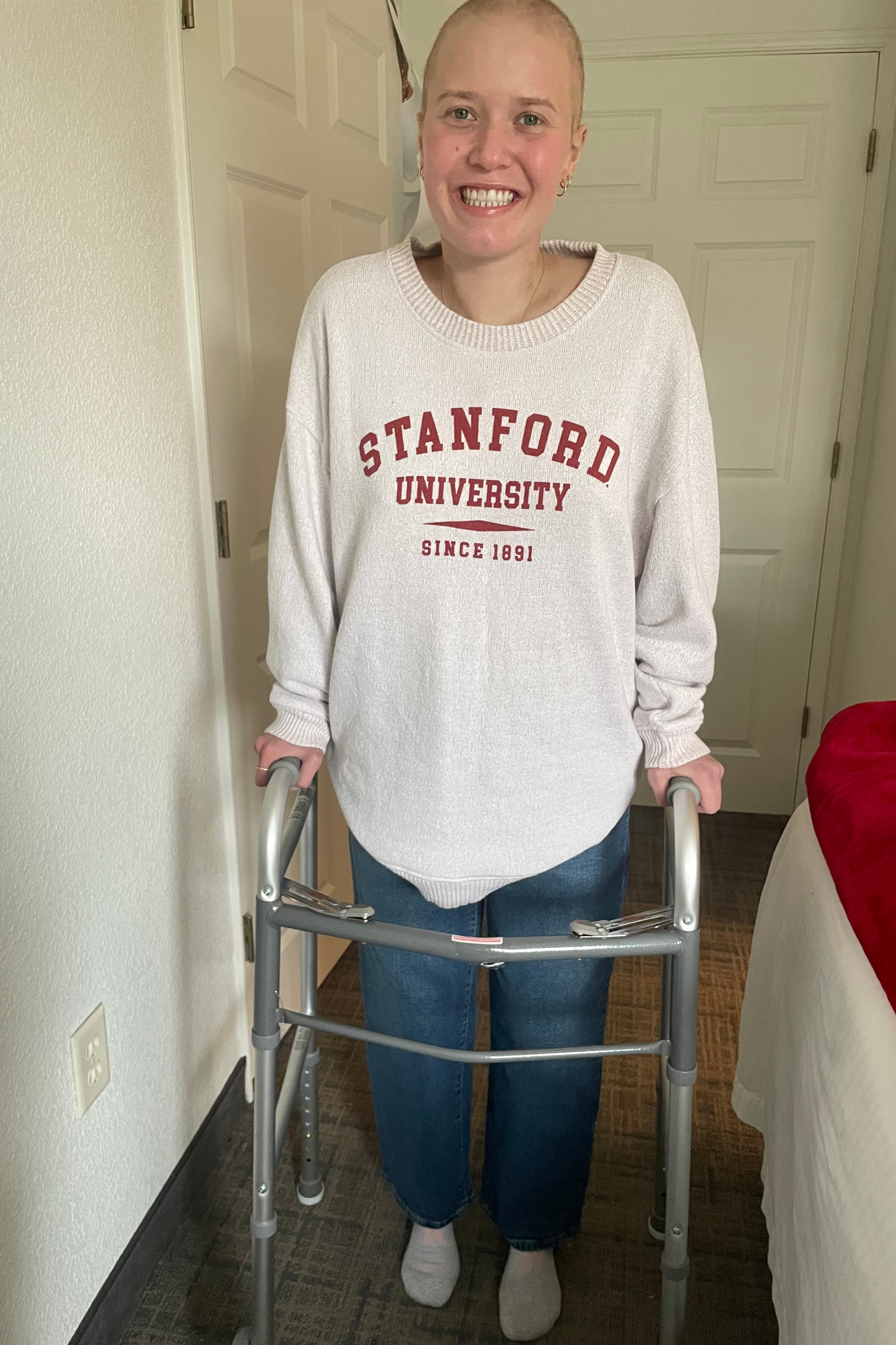
Fabian’s recovery took several months, during which she had to learn to walk again. | Courtesy Josie Fabian

Now cancer-free, Fabian has enrolled at Stanford full time again and is back to cheering on the Cardinal. | Courtesy Stanford Cheer
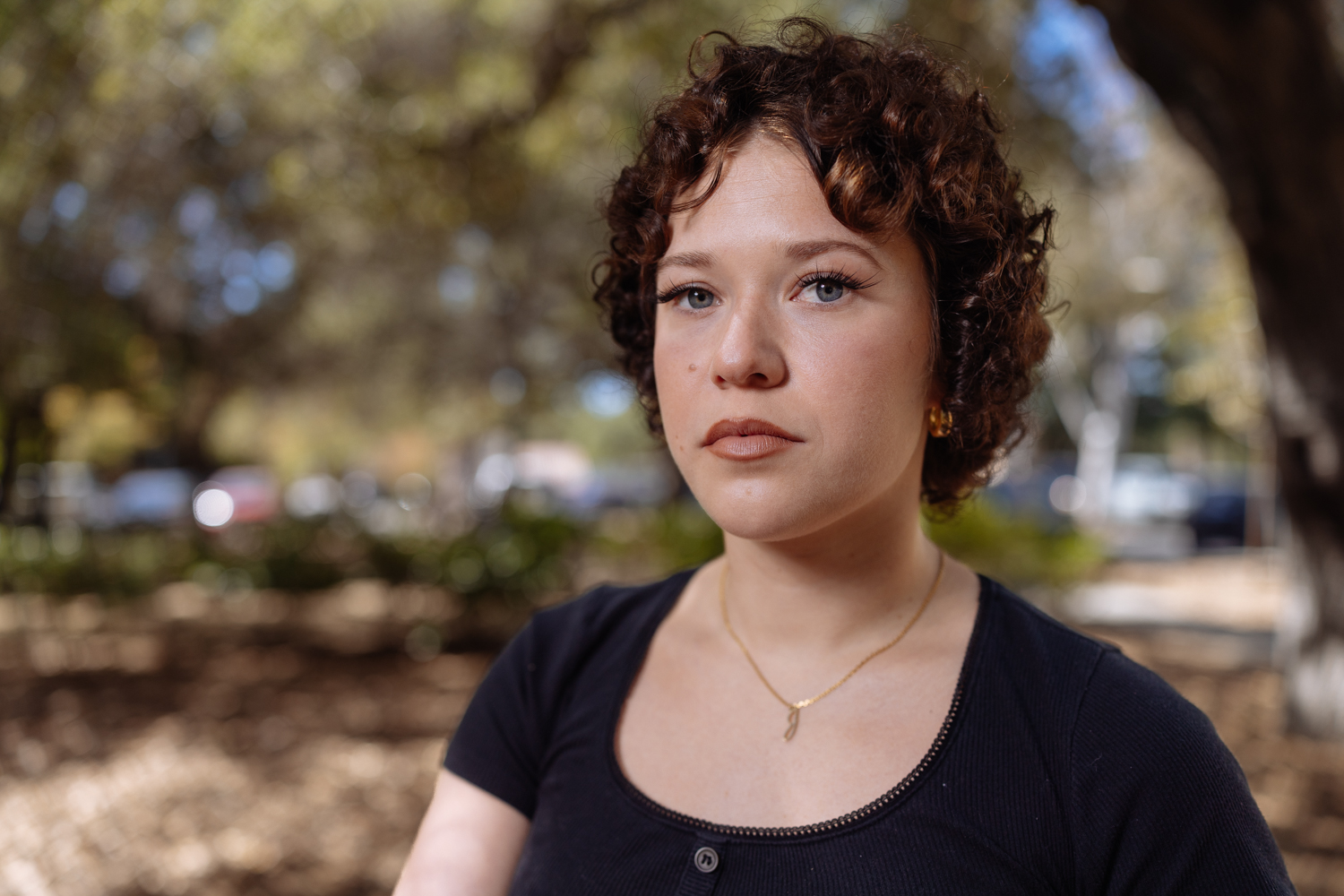
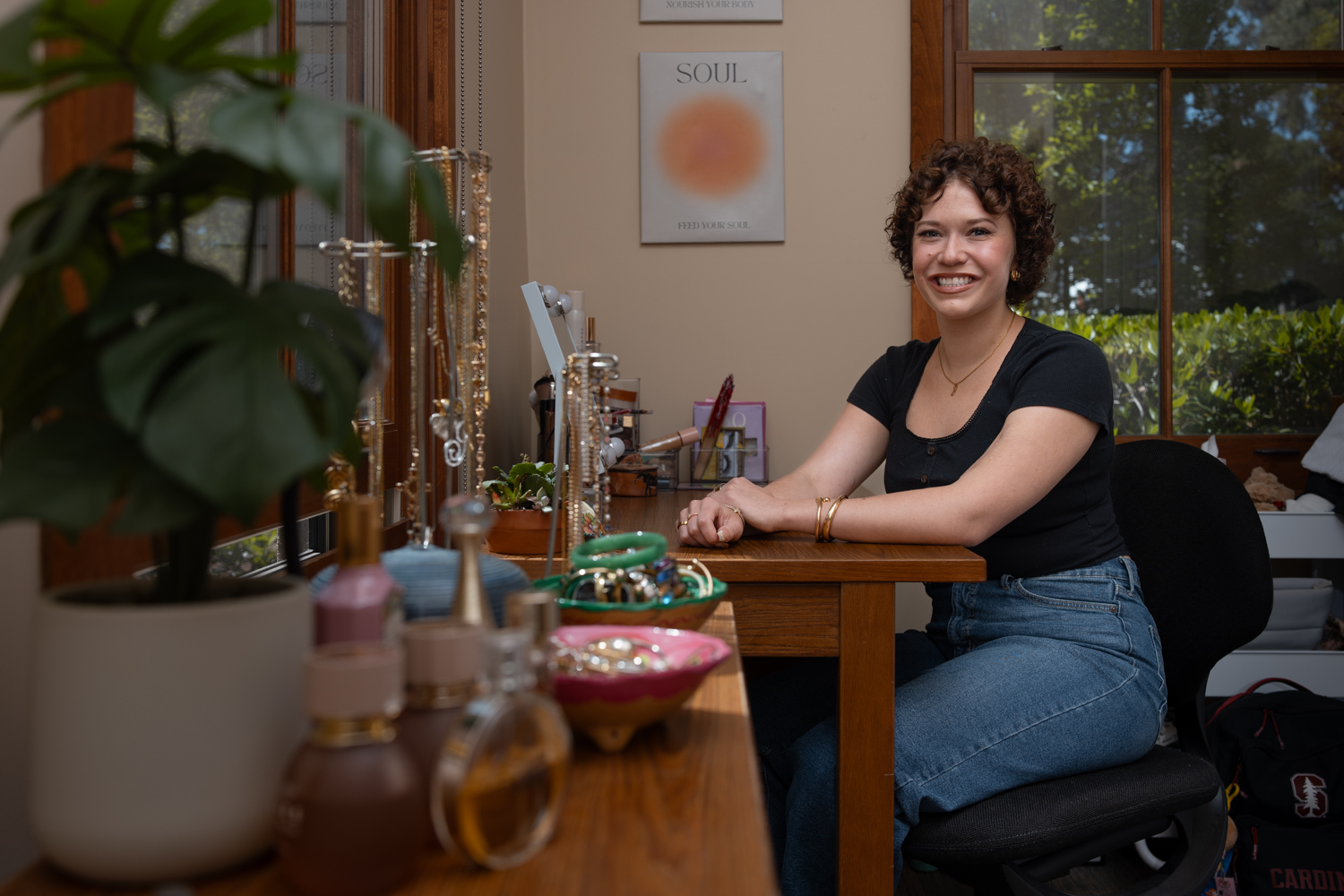
She is now pursuing a new major and career focused on the treatment that saved her life. | Andrew Brodhead
‘A great opportunity’
Fabian grew up in Cambridge, Ohio, a small town outside of Columbus. She developed an early interest in aeronautics and astronautics, inspired by the film Hidden Figures about Black women mathematicians at NASA who were instrumental in the success of the U.S. space program. “I watched it in middle school and decided I wanted to be an aerospace engineer,” she recalled.
As the first in her family to attend college, Fabian always assumed she would attend college close to home. When she heard about Stanford, she said, “I looked into it and thought this place could be a great opportunity for me.”
She enrolled in the fall of 2023 and dove into campus life. She joined the cheer team and a dance club, coached gymnastics for local children, and took introductory courses in aeronautics and astronautics – subjects she was certain she wanted to pursue long term. But her diagnosis changed everything.
Life-saving treatment
Fabian underwent chemotherapy and developed cancer-related complications including a severe hyperinflammatory syndrome known as hemophagocytic lymphohistiocytosis (HLH), and an infection in her arm required emergency surgery.
She spent months confined to bed and received nutrients through a feeding tube. With a physical therapist, she practiced small movements, like sitting upright, with the goal of someday walking to the nurse’s station outside her room. Highly immunocompromised, she couldn’t even go outside. She also lost all of her blonde hair.
The ordeal, she said, was mentally taxing. “I’m very independent so it could feel dehumanizing at times,” she said.
Lori Muffly, a professor in the Division of Blood and Marrow Transplantation and Cellular Therapy at Stanford Medicine and Fabian’s doctor, recommended a personalized immunotherapy called CAR T-cell therapy. Stanford Medicine is a leader in CAR T-cell therapy research, advancing these treatments across a growing range of cancers through its Cell Therapy Program. In the therapy, T cells – a type of white blood cell in the immune system – are taken from the patient’s blood and genetically modified with a chimeric antigen receptor (CAR) placed on their outer surface. The CAR T-cells are then returned to the patient’s blood, where they attack cancer cells.
More on CAR T-cell therapy research at Stanford
In March 2025, Fabian learned that her CAR T-cell therapy had been successful. In April she underwent a bone marrow transplant and is now cancer free.
“I truly believe I wouldn’t be alive today if it weren’t for the care I received at Stanford Hospital,” she said. “The way they cared for me meant everything during such a difficult time.”
After five months at Stanford Hospital, Fabian returned home to Ohio. Her recovery was just as long – she had to learn to walk and be independent again and underwent other treatments and hospital stints.
Thriving at Stanford
Today, Fabian is back on campus and enrolled at Stanford full time. She’s returned to the cheer team, with whom she recently traveled to North Carolina for a men’s basketball game. Her hair has grown back and she’s sporting short, dark curls.
Fabian credits the support of her family, friends, and the Stanford community for getting her through her experience with cancer. Her parents rushed to Stanford the moment she was hospitalized, with her mother living in Fabian’s hospital room throughout her time there. The cheer team and her roommate visited regularly. She’s also grateful for the many faculty and staff who supported her, including her care team.
Her treatment left such an impression on her that it sparked a new interest in the medical sciences. She plans to declare bioengineering as her major and hopes to one day conduct CAR T-cell therapy research professionally. In the meantime, Muffly introduced Fabian to Matthew Frank, an assistant professor of medicine in the Division of Blood and Marrow Transplantation and Cellular Therapy at Stanford Medicine, who got Fabian involved in CAR T-cell research related to lymphomas.
Although cancer set her back a year academically, Fabian is not worried about catching up. She said that cancer made her aware of the things in life that don’t matter, like comparing herself to others. “This is my own path and I don’t need to be worried,” she said. “As long as you’re healthy, you can live a happy life.”
Writer
Alex Kekauoha
Photographer
Andrew Brodhead